
Raising both ducks and chickens in your backyard can be a fun and rewarding experience, but it requires careful consideration. If you’re thinking of introducing ducklings to your existing flock of chickens, you’ll want to know if they can get along harmoniously. Space requirements, health considerations, and behavioral compatibility are just some of the key factors to think about when combining these two species in a mixed flock. Not only do ducks and chickens bring unique personalities and quirks, but they also have different needs that must be met. In this article, we’ll explore the benefits of raising both ducklings and chickens together, as well as expert advice on managing conflicts and common issues that may arise when integrating these two species in your backyard flock.
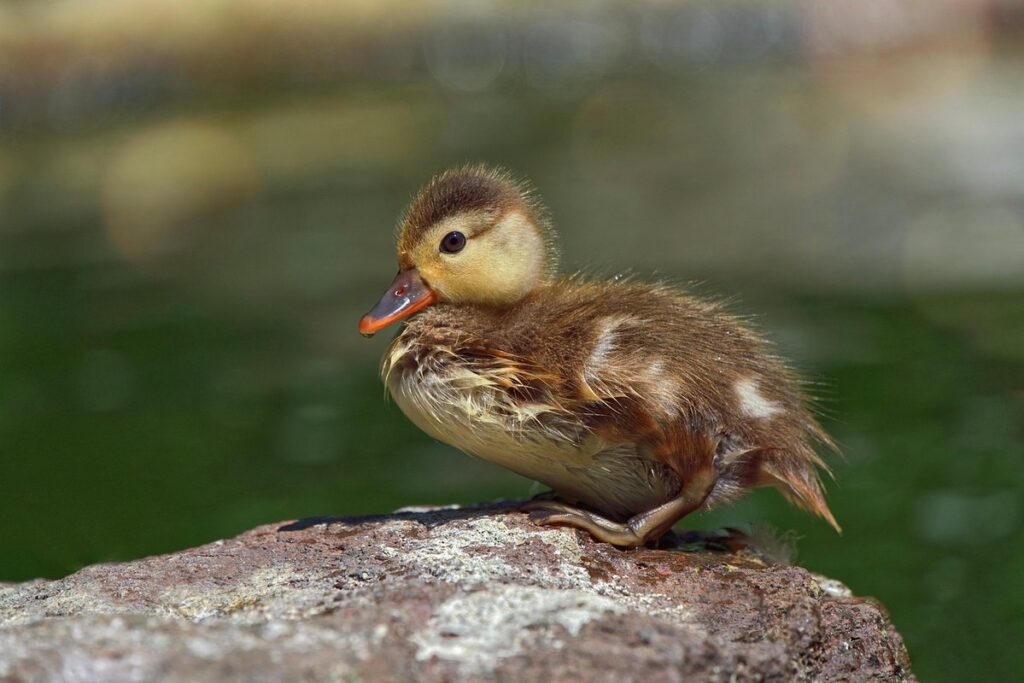
Benefits of Raising Both Together
Raising ducklings and chickens together can be a fun and rewarding experience, offering numerous benefits for both the birds and you. Let’s explore some of these advantages in more detail.
Introduction to Mixed Flock Keeping
When considering raising ducklings and chickens together, it’s essential to understand the benefits of mixed flock keeping. By integrating these two species, you can create a thriving, social environment that promotes interaction, reduces stress, and even boosts egg production.
One of the most significant advantages of mixed flock keeping is increased social interaction. When ducklings and chickens are raised together, they learn from each other’s behaviors and develop a strong bond. This can be especially beneficial for ducklings, which often require more guidance and supervision than chickens. With their feathered friends by their side, ducklings will feel more secure and confident as they explore their surroundings.
By reducing stress levels in both species, you’ll also notice improved overall health. When animals are happy and content, they’re less likely to fall ill or develop behavioral problems. In fact, studies have shown that mixed flocks tend to experience lower mortality rates and fewer health issues compared to single-species groups.
In terms of egg production, raising ducklings and chickens together can also lead to improved yields. Many backyard chicken keepers have reported an increase in eggs as a result of incorporating ducks into their flock. This may be due in part to the stress-reducing benefits mentioned earlier, which can positively impact egg-laying performance.
To get started with mixed flock keeping, begin by introducing ducklings and chickens at a young age. Choose a safe, enclosed area where both species can roam freely without access to predators or hazards. With proper care and attention, you’ll be able to create a harmonious, thriving environment that benefits all your feathered friends.
Space and Resource Requirements
When keeping ducklings and chickens together, it’s essential to consider their space and resource requirements. A good rule of thumb is to provide at least 2-4 square feet of floor space per bird, but since ducks require more room for swimming, you may need to allocate extra space for them.
For instance, if you have 5 ducklings, you’ll want to set aside a dedicated area with about 10-20 gallons of water for swimming and splashing. This will also help prevent the chickens from accessing and potentially fouling their water source. When it comes to land, ensure that there’s enough space for both species to roam freely without overcrowding.
Consider the feeding requirements as well – ducklings need more protein-rich food than chickens, so you’ll want to make sure they’re getting a balanced diet. Provide separate feeders and watering systems to prevent competition and stress on either species. With some careful planning, you can create a harmonious environment for both your ducklings and chickens to thrive in together.
Choosing the Right Species Combination
When it comes to deciding which duck and chicken breeds will get along, some species are better suited for cohabitation than others. This is where choosing the right combination of birds becomes crucial.
Selecting Suitable Breeds
When selecting breeds for a harmonious household with ducklings and chickens, it’s essential to consider the temperament of each species. While some chicken breeds are naturally more aggressive towards ducks, others can live together peacefully.
For example, Silkies and Polish chickens are known for their gentle nature and tend to be calm around ducklings. On the other hand, breeds like Leghorns and Rhode Island Reds are often more assertive and may not be suitable for households with young ducklings.
Noise levels are another factor to consider. If you live in a residential area or have close neighbors, it’s best to choose breeds that are relatively quiet. Some chicken breeds, such as Orpingtons and Plymouth Rock, are known for their quieter nature.
Beginners may find the following breed combinations suitable: mixing Silkies with Muscovy ducklings, or pairing Polish chickens with Khaki Campbell ducks. These pairings tend to be low-maintenance and easy to manage, making them perfect for those new to keeping backyard poultry.
Understanding Duckling Temperament
When it comes to understanding duckling temperament, it’s essential to consider the unique characteristics of different breeds. Some popular duckling breeds, like Muscovy and Wood Ducks, are known for their strong-willed nature, requiring more space and structure within the flock. On the other hand, breeds like Khaki Campbells and Indian Runners tend to be more docile and adaptable.
Introducing ducklings into a chicken flock can be challenging due to differences in size, temperament, and feeding habits. For instance, ducklings require access to water for swimming and diving, which may not be feasible with chickens that prefer dry living conditions. To mitigate these challenges, it’s crucial to research the specific needs of each breed and plan accordingly.
When integrating ducklings into a flock, start by introducing them to a separate enclosure or run before gradually mixing them with the chicken flock. Monitor their behavior closely, observing body language and aggression levels. With patience and proper planning, you can create a harmonious coexistence between these two species, enjoying the benefits of diverse social interactions and stress reduction in your backyard poultry setup.
Health Considerations
When keeping ducklings and chickens together, it’s essential to consider their health needs separately from each other. This includes understanding their unique requirements for vaccinations, nutrition, and disease prevention.
Disease Transmission Risks
When keeping ducklings and chickens together, it’s essential to consider the potential risks of disease transmission. Waterfowl are particularly susceptible to certain diseases that can be transmitted to chickens, and vice versa.
Avian cholera, for example, is a common waterborne disease that affects ducks and geese but can also impact chickens if they come into contact with contaminated water or feces. To prevent the spread of this disease, ensure that all birds have access to clean, fresh water at all times. Regularly changing the bedding in their enclosure and disinfecting it regularly will also help reduce the risk of transmission.
Mycoplasma gallisepticum (MG) is another pathogen that can affect both ducks and chickens, causing respiratory issues. To prevent MG, ensure your birds are up-to-date on vaccinations specific to each species. For example, a combination vaccine covering both MG and avian influenza would be suitable for chickens, while ducklings require separate vaccination against MG.
It’s also crucial to isolate new additions to the flock from existing birds for at least 30 days before introducing them to prevent the transmission of diseases that may not yet have developed symptoms.
Parasite Control and Biosecurity Measures
When keeping ducklings and chickens together, it’s essential to consider parasite control methods to prevent the spread of diseases. Internal parasites like mites, lice, and fleas can easily transfer between species, while external parasites such as ticks, mosquitoes, and flies can also pose a threat.
Implementing effective biosecurity measures is crucial in maintaining a healthy flock. This includes:
• Regular cleaning and disinfection of coops, runs, and feeding areas
• Removing soiled bedding and replacing it with fresh material
• Ensuring adequate ventilation to prevent moisture buildup
• Providing separate feeders, waterers, and nesting boxes for each species
To minimize the risk of disease transmission, a 30-day quarantine period is recommended before introducing new birds to your flock. During this time, monitor their health closely and ensure they receive proper care and nutrition.
Keep in mind that ducks and chickens have different nutritional requirements, so it’s essential to provide separate feeders and adjust their diets accordingly.
Housing and Equipment Requirements
To ensure a harmonious household, you’ll need to consider specific housing and equipment requirements that cater to both ducklings and chickens. This includes nesting boxes, feeding areas, and more.
Coop Design Considerations
When designing a coop that houses both ducklings and chickens, it’s essential to consider the unique needs of each species. Ducks require more space than chickens, especially if they’re going to be kept indoors for extended periods. A general rule of thumb is to provide at least 3-4 square feet per chicken and 5-6 square feet per duck. This will give them enough room to move around comfortably.
Ventilation is also crucial in a coop that houses both ducklings and chickens. Ducks are more prone to respiratory issues than chickens, so it’s essential to ensure good airflow in the coop. You can achieve this by installing windows or vents that allow fresh air to circulate. Aim for at least 1 square foot of ventilation per 10 square feet of coop space.
When it comes to lighting, ducks require more light than chickens due to their visual needs. Consider installing high-intensity lights or using natural light during the day. Avoid using low-wattage bulbs as they may not provide enough illumination for both species.
Pond or Water Feature Setup
When setting up a backyard flock that includes both ducklings and chickens, it’s essential to integrate a pond or water feature safely and effectively. A well-designed water feature can provide endless entertainment for your feathered friends, but it also requires regular maintenance to ensure healthy water conditions.
Proper filtration is crucial in maintaining clean and safe water quality. Consider installing a pump with a built-in filter or a separate filter system that captures debris and prevents bacterial growth. Regularly inspect the pond’s water level, and make sure it’s not too shallow for your birds’ needs – ducklings require at least 2-3 inches of water to swim safely.
Aim to change about 10-20% of the water in your pond every week or two, depending on usage and bird population. Keep an eye out for signs of algae bloom, which can be a sign of poor water circulation or excess nutrients. Regularly clean the water feature’s surfaces and surrounding areas to prevent mosquito breeding.
By incorporating these simple steps into your flock setup, you’ll create a thriving environment where both ducklings and chickens can coexist harmoniously.
Behavioral Compatibility
When introducing ducklings and chickens, it’s essential to consider their behavior and compatibility to ensure a harmonious flock. Let’s explore some key factors that affect their interactions.
Monitoring Bird Behavior
Monitoring bird behavior is crucial when keeping ducklings and chickens together. To do this effectively, observe their behavior closely for signs of stress or aggression. Watch for changes in appetite, restlessness, or unusual vocalizations. For example, if the birds start squawking loudly during feeding times or seem hesitant to approach food, it may be a sign that one species is dominating the other.
Pay attention to body language as well – ducks and chickens often display aggressive postures when feeling threatened or competing for resources. A raised neck, spread wings, or forward leaning can indicate aggression. Conversely, ducks may also exhibit stress by holding their feathers flat against their bodies or tucking their heads under their tails.
It’s essential to recognize these signs early on to prevent conflicts and ensure a harmonious coexistence between ducklings and chickens. To monitor behavior effectively, spend time with the birds during different times of day, feeding, and interaction. This will help you identify patterns and make informed decisions about their care and management.
Conflict Resolution Strategies
When conflicts arise between ducklings and chickens, it’s essential to intervene promptly to prevent injuries. One effective method is to separate them temporarily, allowing each species to calm down and regain composure. This can be done by moving the birds to individual coops or enclosures for a few hours.
Providing sufficient space can also help mitigate conflicts. Ensure that your flock has ample room to roam, exercise, and engage in natural behaviors without feeling cramped or competing for resources. A general rule of thumb is to provide at least 2-4 square feet of space per bird inside the coop and 8-10 square feet outside.
Another strategy is to use visual barriers, such as fencing or netting, to create separate zones within the yard. This allows birds from different species to coexist while minimizing interactions that may lead to conflicts. By implementing these conflict resolution strategies, you can reduce stress and promote harmony among your feathered friends.
Challenges and Troubleshooting
If you’re facing issues keeping ducklings and chickens together, don’t worry, we’ve got you covered. This section will help you troubleshoot common problems and find solutions to ensure a harmonious flock.
Managing Noise Levels
One of the most significant concerns when keeping ducklings and chickens together is managing noise levels. As these birds are naturally loud, their chatter can disrupt neighbors and even attract unwanted attention from local authorities. To mitigate this issue, it’s essential to take proactive steps.
Firstly, consider the breed of your chicken. Some breeds, like Leghorns and Rhode Island Reds, are known for being quieter than others. You may also want to think about introducing ducklings at a later stage when they’re older and less vocal.
To reduce noise levels, provide adequate shelter and space for both birds. A coop with good ventilation can help minimize the sound of their chatter. Additionally, offering plenty of hiding spots and perches will keep them engaged and occupied, reducing unnecessary squawking.
Another effective way to manage noise is by implementing a daily routine. Try feeding your birds at specific times, so they associate mealtime with calmness. Consistency is key in maintaining a peaceful environment for both your feathered friends and your neighbors.
Common Issues and Solutions
One of the most significant challenges you may face when keeping ducklings and chickens together is ensuring their safety. Predation threats are a major concern, as both birds can be vulnerable to foxes, coyotes, and other predators. To mitigate this risk, consider using secure fencing around your coop or run that’s at least 3 feet high and extends 12 inches below ground level to prevent digging. You should also keep an eye out for signs of stress, such as feathers on the ground, as these can attract predators.
Another common issue is nutrient deficiencies, particularly if you’re not providing a balanced diet for both species. Make sure their feeders are separate and easily accessible to avoid competition. Also, provide plenty of fresh water sources, as ducks need shallow pools for bathing and chickens may drink from the same source without issue. Consider rotating the areas where they have access to food and water to prevent overuse and encourage exploration.
Escaped birds can also be a problem if your coop or run isn’t escape-proof. Make sure any openings are covered with hardware cloth or chicken wire, and double-check that all doors are securely locked before letting your flock roam free.
Conclusion
In conclusion, keeping ducklings and chickens together can be a harmonious experience for both species if done correctly. It’s essential to remember that introducing ducklings to mature chickens requires careful planning and gradual integration to prevent stress and potential aggression. With patience and attention to detail, you can create a peaceful coexistence between these two beloved farm animals. As a final tip, ensure that your coop or enclosure is large enough to accommodate both species comfortably, with adequate space for feeding, drinking, and roosting. By following these guidelines and taking the necessary precautions, you’ll be well on your way to creating a thriving backyard flock where ducklings and chickens can live together in harmony. With time and experience, this blended family will become a joy to care for and watch grow.
Frequently Asked Questions
Can I mix ducklings with an existing flock of chickens that have different ages?
Yes, it’s possible to integrate ducklings into a mature flock, but it’s crucial to introduce them gradually and under close supervision. Start by separating the ducklings from the adult flock for a few days before introducing them together in a controlled environment.
How do I prevent disease transmission when raising ducks and chickens together?
Parasite control and biosecurity measures are essential when managing multiple species on your farm or backyard homestead. Ensure all birds have access to clean water, nutritious feed, and regular health checks. Implement parasite control methods like dust baths for chickens and copper sulfate in the pond water for ducks.
What’s the ideal ratio of ducks to chickens in a mixed flock?
The ideal ratio depends on factors like available space, food resources, and personal preferences. A general rule is to start with 1-2 ducklings per adult chicken. Monitor your birds’ behavior and adjust the ratio as needed to maintain harmony and balance within the flock.
How can I tell if my ducks and chickens are getting along?
Observe their behavior closely for signs of stress, aggression, or resource competition. Watch for changes in feeding patterns, sleeping habits, and water usage. If you notice any unusual behavior, consult with a poultry expert or veterinarian to determine the cause.
Can I raise ducklings and chickens together without a pond?
While a pond is beneficial for ducks, it’s not essential for raising them alongside chickens. However, provide your ducks with access to shallow water pools or birdbaths for swimming and cleaning. Ensure both species have adequate shelter, nutrition, and space to prevent overcrowding and health issues.