
Are you tired of dealing with health issues in your poultry flock? Do you want to give them an edge when it comes to growth, immunity, and overall well-being? Probiotics can be a game-changer for poultry farmers like you. These beneficial microorganisms can have a profound impact on the health and productivity of your birds.
In this article, we’ll explore the world of probiotics for poultry in-depth. We’ll discuss different types of probiotics, their benefits, and how they can be practically applied to poultry farming. From enhancing gut health to boosting immunity, we’ll cover it all. Whether you’re a seasoned farmer or just starting out, learning about probiotics can help you take your flock to the next level. So, let’s dive in and discover the power of probiotics for poultry!
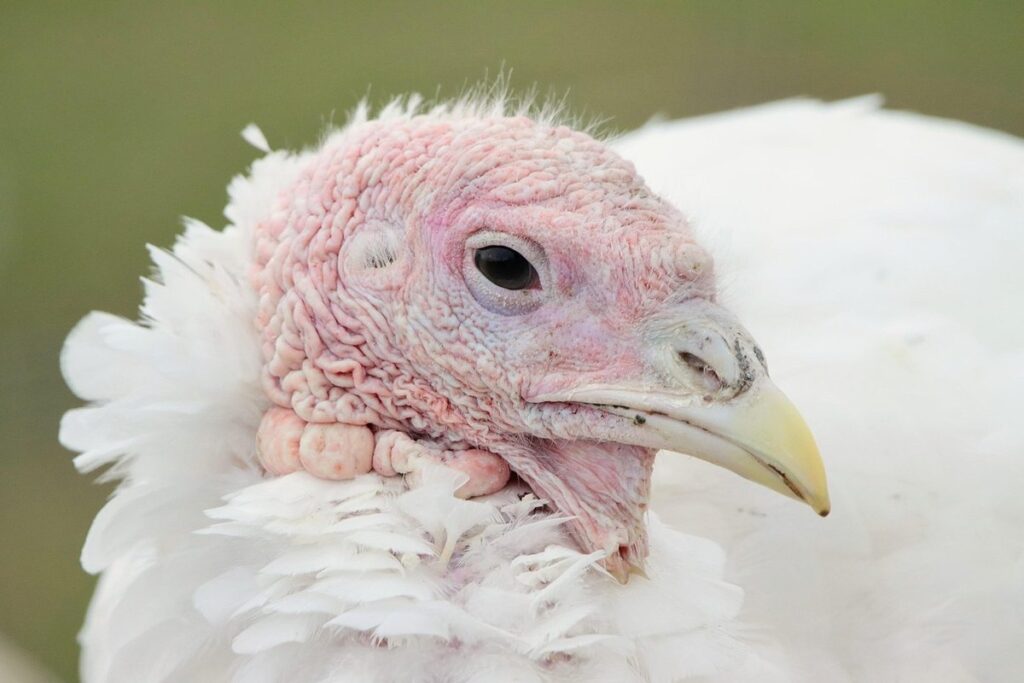
Understanding Probiotics in Poultry
Probiotics play a crucial role in maintaining gut health and immune function in poultry, which is why it’s essential to understand their effects on growth and development. Let’s dive into how probiotics impact your flock’s overall well-being.
Defining Probiotics and Their Role in Gut Health
Probiotics are live microorganisms that provide numerous health benefits when consumed by poultry. They play a crucial role in maintaining a healthy gut microbiome, which is essential for optimal growth and immunity. Probiotics work by colonizing the gut with beneficial bacteria, suppressing the growth of pathogens, and producing antimicrobial compounds that protect against infection.
The benefits of probiotics in poultry are multifaceted. For one, they enhance nutrient absorption, leading to improved weight gain and feed conversion rates. This is especially important for producers looking to optimize their operations while minimizing costs. Probiotics also support the development of a balanced gut microbiome, which is critical for immune system maturation. A strong gut-brain axis allows poultry to better respond to disease challenges.
When selecting a probiotic product, consider the strain specificity and concentration. Some strains are more effective at enhancing growth or immunity than others. For example, Bacillus subtilis has been shown to increase feed conversion rates in broilers by up to 10%. When introducing probiotics into your operation, start with small batches to monitor their effectiveness before scaling up production.
It’s also essential to ensure the probiotic product is compatible with your poultry feed and other supplements. The ideal probiotic product will contain a proprietary blend of strains that address specific challenges in your operation. Be sure to follow the manufacturer’s instructions for optimal results.
Types of Probiotics Used in Poultry Production
In poultry farming, various types of probiotics are used to promote gut health, boost immunity, and enhance growth. Among these, Lactobacillus, Bifidobacterium, and Bacillus strains are widely utilized due to their proven efficacy.
Lactobacillus probiotics, for instance, have been shown to improve feed conversion ratios in broilers by up to 20%. They also stimulate the production of antibodies, thereby enhancing resistance against diseases. A study published in the Journal of Applied Poultry Research demonstrated that Lactobacillus plantarum supplementation led to a significant reduction in mortality rates among commercial chicken flocks.
Bifidobacterium probiotics are known for their ability to modulate gut microbiota, producing short-chain fatty acids that promote nutrient uptake. In a trial conducted by the University of Georgia, Bifidobacterium lactis supplementation improved egg production and hatchability in laying hens.
Meanwhile, Bacillus probiotics possess antimicrobial properties, effectively reducing the incidence of pathogens such as E. coli and Salmonella. A field trial involving broiler chicks showed that Bacillus subtilis supplementation resulted in a significant decrease in mortality rates and improvement in feed efficiency.
These examples illustrate the benefits of incorporating specific probiotic strains into poultry production. Farmers can choose from these various options to create customized probiotic blends tailored to their needs, ensuring optimal health outcomes for their flocks.
Benefits of Probiotics for Poultry Health
Adding probiotics to poultry feed can have a significant impact on their overall health, from improved immune function to enhanced growth rates. In this section, we’ll explore these benefits in more detail.
Improved Immune Function
Probiotics play a vital role in enhancing the immune function of poultry, thereby reducing disease susceptibility and improving overall health. When probiotics are introduced into the gut, they help maintain a balanced microbiome, which is essential for a strong immune system. A healthy gut microbiome acts as the first line of defense against pathogens, preventing them from entering the bloodstream.
Research has shown that probiotics can increase the production of antibodies in poultry, making them more resistant to infections. For instance, studies have demonstrated that chickens fed with probiotics exhibit improved humoral immunity, resulting in reduced mortality rates and better overall health. Probiotics also help modulate the inflammatory response in poultry, reducing oxidative stress and promoting tissue repair.
To incorporate probiotics into your poultry management strategy, consider adding them to feed at a concentration of 1-2 billion CFU per kilogram. Monitor your flock’s immune function by tracking growth rates, morbidity, and mortality rates. Regular health checks will also help you identify any potential issues early on, allowing for prompt intervention.
Enhanced Growth and Development
When it comes to poultry farming, healthy growth rates, feed efficiency, and weight gain are top priorities. Probiotics play a crucial role in achieving these goals by promoting a balanced gut microbiome. Research has shown that probiotics can increase weight gain in broilers by up to 20% compared to those without probiotic supplementation.
This is because probiotics help improve nutrient absorption, reducing waste and increasing the efficiency of feed conversion. A study published in the Journal of Animal Science found that probiotic-supplemented chickens showed a significant improvement in feed-to-gain ratio, resulting in better overall growth performance. By promoting a healthy gut microbiome, probiotics also reduce stress on the animal’s immune system, leading to improved overall health and well-being.
To harness the benefits of probiotics for growth promotion, poultry farmers should select strains that have been specifically proven to enhance weight gain and feed efficiency. This may involve working with a veterinarian or nutritionist to develop a customized probiotic program tailored to their flock’s needs.
Mechanisms of Probiotic Action on Poultry Gut Microbiome
To understand how probiotics improve poultry health, let’s dive into the mechanisms by which they interact with and alter the gut microbiome. This complex process has significant implications for overall well-being.
Modulation of Gut Microbiota
Modulating the gut microbiota is a crucial aspect of probiotic action on poultry. Probiotics introduce beneficial bacteria that outcompete pathogens for space and resources in the gut. This leads to an increase in beneficial microbes, such as Lactobacillus and Bifidobacterium, which are essential for maintaining a healthy balance.
Research has shown that probiotics can significantly alter the gut microbiota composition of poultry. For instance, a study on broiler chickens found that supplementation with certain strains of Lactobacillus resulted in a 30% increase in beneficial bacteria and a 25% decrease in pathogens. This shift in microbial balance is associated with improved growth rates, feed efficiency, and reduced mortality.
To modulate the gut microbiota effectively, it’s essential to choose the right probiotic strain for your poultry operation. Consider selecting strains that are specifically designed for poultry, such as Lactobacillus acidophilus or Bifidobacterium bifidum. These strains have been shown to promote a favorable microbial environment and improve overall health in poultry.
Production of Beneficial Metabolites
When probiotic bacteria are introduced to the poultry gut microbiome, they begin to produce a range of beneficial metabolites. These compounds play a crucial role in maintaining a healthy balance between the host and its microorganisms. One key metabolite produced by probiotics is short-chain fatty acids (SCFAs). SCFAs serve as an energy source for the cells lining the gut, promoting their growth and maintenance.
In addition to SCFAs, probiotic bacteria also produce antimicrobial peptides that help regulate the composition of the microbiome. These peptides can inhibit the growth of pathogenic microorganisms, creating a less hospitable environment for disease-causing bacteria. Furthermore, some probiotics are capable of producing other beneficial compounds such as hydrogen peroxide, which has been shown to exhibit antibacterial properties.
The production of these metabolites is influenced by factors such as the type and strain of probiotic used, as well as the specific conditions present in the poultry gut. For instance, certain strains of Lactobacillus have been found to produce more SCFAs than others when exposed to specific substrates. Understanding how to select the right probiotics for a given poultry operation is essential for maximizing their beneficial effects on the gut microbiome.
Practical Applications of Probiotics in Poultry Farming
Now that you’ve learned about the benefits of probiotics for poultry, let’s dive into some practical ways to apply this knowledge on your farm.
Formulation of Probiotic Feed Supplements
When it comes to formulating probiotic feed supplements for poultry, it’s essential to understand that different types of probiotics are suited for various life stages and production systems. Probiotics can be incorporated into feed through a variety of methods, including direct addition or encapsulation.
Some common formulations include multi-strain blends, which combine multiple strains of beneficial bacteria to provide a broad spectrum of benefits. For example, a starter culture may contain Lactobacillus acidophilus and Bifidobacterium bifidum to support the development of the gut microbiome in young chicks. In contrast, a probiotic blend for laying hens might include Saccharomyces cerevisiae (baker’s yeast) and Bacillus subtilis to promote immune function and reduce stress.
To formulate an effective probiotic feed supplement, producers should consider factors such as bacterial viability, shelf life, and compatibility with other feed ingredients. It’s also crucial to choose a reliable supplier that provides high-quality products, adhering to international standards for microbial identity, purity, and potency.
Integration with Existing Health Management Programs
When incorporating probiotics into your poultry farm’s health management program, it’s essential to consider their integration with existing treatments and practices. One of the primary concerns is how probiotics interact with conventional antibiotics and vaccinations.
In most cases, probiotics can be safely administered alongside antibiotics without compromising their efficacy. In fact, studies have shown that using probiotics in conjunction with antibiotics can enhance their benefits while reducing antibiotic resistance. For instance, a study published in Poultry Science found that administering probiotics to chickens treated with antibiotics resulted in improved gut health and reduced the emergence of resistant bacteria.
When integrating probiotics into vaccination programs, it’s crucial to note that probiotics do not interfere with vaccine efficacy. In some cases, probiotics may even enhance immune responses by promoting a balanced gut microbiome. For example, a study on broiler chickens found that administering probiotics before vaccinations resulted in improved immune responses and reduced disease incidence.
When implementing probiotics into your existing health management program, consider the following best practices:
* Start with a small trial to assess the efficacy of probiotics alongside conventional treatments.
* Monitor gut health parameters, such as cecal clostridium counts and intestinal morphology.
* Adjust vaccination schedules or dosages as needed based on observed improvements in immune responses.
Potential Risks and Challenges Associated with Probiotics
While probiotics can be a valuable addition to your poultry farm, there are some potential risks and challenges you should be aware of when using them. These include issues related to dosing and administration.
Adverse Reactions and Interactions
When using probiotics as a supplement for poultry health, it’s essential to consider potential adverse reactions and interactions. While generally considered safe, excessive doses or inappropriate strains can lead to unintended consequences.
Some possible adverse effects of probiotic supplementation on poultry include gastrointestinal disturbances, such as diarrhea or constipation. This may occur due to an imbalance in the gut microbiota or hypersensitivity to certain bacterial strains. For instance, a study on broiler chickens revealed that high levels of Lactobacillus acidophilus supplementation led to increased incidence of enteric disease.
Interactions between probiotics and other feed components can also be a concern. Certain microorganisms may reduce nutrient availability or alter the gut environment in ways that compromise poultry health. For example, some probiotic strains have been known to inhibit the activity of certain enzymes involved in protein digestion.
To mitigate these risks, it’s crucial to monitor poultry closely during probiotic supplementation and adjust feed formulations as necessary.
Regulatory Frameworks and Guidelines
When it comes to using probiotics in poultry production, understanding regulatory frameworks is crucial for ensuring both animal and human safety. The labeling and safety standards governing the use of probiotics can vary significantly depending on the region.
In the United States, the Food and Drug Administration (FDA) sets guidelines for the use of probiotics in poultry feed. Probiotic manufacturers must adhere to Good Manufacturing Practices (GMPs) and obtain FDA approval before marketing their products. These regulations cover labeling requirements, including the types of bacteria used, their concentration, and any health claims made.
In contrast, the European Union has implemented stricter guidelines under the Novel Foods Regulation. Probiotics must undergo rigorous testing for safety and efficacy before being approved for use in poultry feed. Manufacturers must also adhere to strict labeling standards, which include detailed information on the product’s composition and any potential allergens.
Farmers can ensure compliance by choosing manufacturers that have a history of adhering to regulatory requirements and maintaining transparent records of their products’ formulation and testing processes. By doing so, they not only protect animal health but also maintain consumer trust in the products used to raise poultry.
Frequently Asked Questions
Can I use probiotics for all types of poultry, or are there specific strains suited for different species?
Yes, while some general-purpose probiotics can be used across various bird species, others may require more targeted and species-specific strains to maximize benefits. For example, certain strains have shown promise in improving gut health and reducing antibiotic usage in broilers versus layers or turkeys. It’s essential to research the most effective probiotic strain for your specific poultry operation.
How do I integrate probiotics into my existing feed formulation, especially if I’m already using antibiotics?
Integrating probiotics with existing feed formulations requires a strategic approach. Begin by analyzing your current feed recipe and identifying potential synergies between probiotics and other additives or nutrients. Consider consulting with a veterinary nutritionist to ensure seamless integration and optimal benefits. This might involve adjusting nutrient levels, adding prebiotics, or implementing gradual phasing-out of antibiotics.
What are the potential risks associated with using probiotics in poultry production, particularly regarding antibiotic resistance?
While probiotics can contribute to reducing antibiotic usage and promoting gut health, there’s still a risk of developing antibiotic-resistant bacteria. To mitigate this, focus on selecting strains that have been proven safe and effective, follow established guidelines for probiotic use, and maintain robust monitoring and record-keeping practices.
Can I produce my own probiotics or should I purchase them from suppliers?
While it might be tempting to create your own probiotics, producing high-quality, consistent products requires significant expertise in microbiology and fermentation techniques. Purchasing from reputable suppliers ensures that you’re getting a product with established efficacy and safety profiles, which is particularly crucial when introducing new substances into your flock’s diet.
How do I monitor the effectiveness of probiotics on my poultry operation, given the variability in response among different bird populations?
Regularly monitoring for improvements in growth rates, feed efficiency, or overall health can help you gauge the effectiveness of probiotics. Additionally, collect and analyze gut microbiome data using techniques like 16S rRNA gene sequencing to assess shifts in beneficial bacteria populations. Adjust your use of probiotics based on these insights and consider collaborating with a veterinarian or animal scientist for further guidance.