
If you’re in the market for a new addition to your backyard flock, chances are you’ve come across two popular breeds: Barred Rock and Sussex chickens. Both have their devoted followings, but which one is right for you? With so many factors to consider, from egg-laying performance to temperament, it’s essential to know what to expect from each breed. In this article, we’ll delve into the history, characteristics, and needs of both Barred Rock and Sussex chickens, covering their temperaments, breeding considerations, health issues, and maintenance requirements. By exploring the pros and cons of each breed, you’ll be equipped with the knowledge to make an informed decision about which flock members will thrive in your backyard, helping you build a happy and healthy coop.
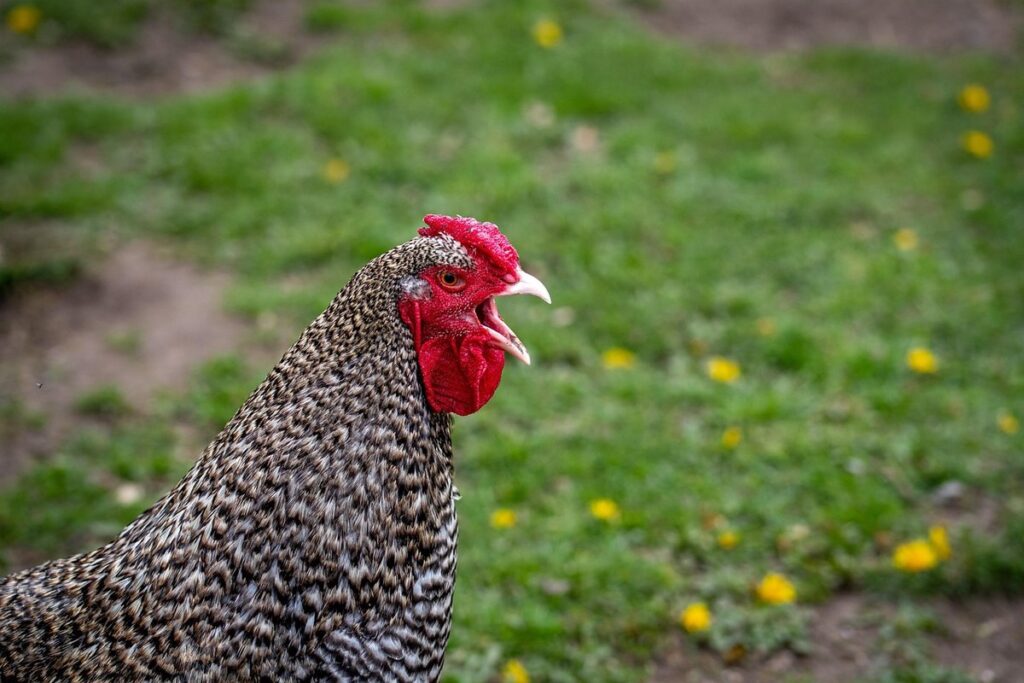
Introduction to Barred Rocks and Sussex
Let’s start by getting familiar with two of the most popular backyard chicken breeds: Barred Rocks and Sussex chickens. These breeds are known for their friendly nature, hardiness, and impressive egg-laying abilities.
Brief History of Each Breed
The Barred Rock breed has its roots in New York State, where it was developed in the late 19th century. The goal of its creation was to produce a chicken that excelled at egg-laying and had a robust constitution. Crossbreeding between various breeds led to the emergence of the Barred Plymouth Rock, which would eventually become one of the most popular dual-purpose breeds globally.
The development of the Barred Rock can be attributed to the efforts of William Bullock, who first bred them in 1887. However, it wasn’t until the late 1800s that this breed gained widespread recognition for its hardiness and high egg production. Today, the Barred Rock is cherished by many backyard chicken enthusiasts due to its gentle nature and exceptional mothering abilities.
In contrast, the Sussex breed originated in England, dating back to the early 19th century. Developed specifically for their excellent meat quality, Sussex chickens quickly gained a reputation as one of the finest dual-purpose breeds available at that time. Their rich history spans centuries, with evidence suggesting they’ve been present in English farms since the Middle Ages.
The key characteristics and unique traits associated with both breeds are what set them apart from one another. When choosing between these two popular breeds, it’s essential to consider which characteristics align best with your specific needs.
Unique Characteristics of Each Breed
The Barred Rock and Sussex breeds may share some similarities, but they also have distinct physical features, temperaments, and personalities that set them apart. The Barred Rock, for example, is known for its striking black-and-white striped feathers, which give it a sleek and streamlined appearance. In contrast, the Sussex has a more rustic look, with its golden-brown feathers and darker stripes giving it a warm, earthy feel.
When it comes to temperament, the Barred Rock is often described as friendly and outgoing, making them a great choice for families or backyard chicken keepers who want a breed that will interact with them. On the other hand, the Sussex is known for being more reserved, but once you gain their trust, they can be incredibly loyal and loving companions.
One of the key differences between these two breeds is their egg-laying ability. While both are prolific layers, the Barred Rock tends to produce around 200-220 brown eggs per year, whereas the Sussex produces around 180-200 white or light-brown eggs annually.
Temperament and Personality Comparison
When it comes to choosing a new feathered friend, temperament and personality play a huge role in determining which breed is right for you. In this next section, we’ll dive into the unique quirks of Barred Rocks and Sussex chickens.
Barred Rock Temperament and Traits
The Barred Rock is known for its friendly and docile nature, making it an excellent choice for families with children or for those who want a low-maintenance pet. They are generally quiet birds, but they will vocalize to communicate with their owners or other chickens.
One of the standout traits of the Barred Rock is its high energy level. They require regular exercise and mental stimulation to prevent boredom and stress. This means you’ll need to provide plenty of space for them to roam and engage in activities that challenge their minds, such as foraging games or puzzle toys filled with treats.
In terms of social nature, Barred Rocks are excellent flock members. They tend to get along well with other breeds and are known to form close bonds with their owners. If you’re planning to keep a small flock, the Barred Rock is an excellent choice due to its gentle and even-tempered personality. However, they can be wary of new chickens at first, so introduce them slowly and under close supervision.
In general, Barred Rocks are easy-going birds that adapt well to various living situations, from backyard coops to apartment dwellings with outdoor access. With proper care and attention, they can thrive in a variety of environments and make wonderful additions to any flock.
Sussex Temperament and Traits
The Sussex breed is known for its exceptional temperament and friendly demeanor. They are often described as “chatty” birds, with a tendency to chat up their human caregivers throughout the day. This outgoing personality makes them an excellent choice for families with children or for backyard farmers who want a low-maintenance yet engaging flock member.
One of the most notable traits of Sussex chickens is their love for social interaction. They thrive in environments where they can interact with other birds and humans, making them ideal for small farms or backyards with multiple chickens. However, this social nature also means that they can be noisy, so it’s essential to consider your neighbors before bringing home a flock of Sussexes.
In terms of handling, Sussex chickens are generally docile and easy-going. They will often come when called and enjoy being picked up and cuddled. This gentle nature makes them an excellent choice for families with young children who want to learn about chicken care and responsibility.
Egg-Laying Performance Comparison
When it comes to choosing between Barred Rocks and Sussex chickens, egg-laying performance is a top concern for many backyard chicken keepers, like you. Let’s dive into how these breeds compare in terms of egg production.
Average Egg Production for Each Breed
When it comes to egg-laying performance, both Barred Rocks and Sussex breeds have their strengths. On average, a healthy Barred Rock hen will lay around 280-300 eggs per year, while a Sussex hen will produce around 250-260 eggs annually.
However, it’s essential to note that these numbers can be influenced by various factors, such as nutrition and management practices. For instance, providing your flock with a balanced diet rich in protein and calcium can significantly impact egg production. A study found that hens fed a high-quality layer feed experienced a 10% increase in egg production compared to those on a standard layer feed.
Proper management practices also play a crucial role in maximizing egg production. This includes maintaining a clean and well-ventilated coop, providing adequate space per bird, and ensuring regular health checks to prevent illnesses that can impact laying performance. By focusing on these key areas, you can optimize the egg-laying potential of either breed and enjoy a steady supply of fresh eggs from your backyard flock.
Factors Affecting Egg Production in Each Breed
When it comes to egg-laying performance, both Barred Rocks and Sussex chickens have their unique characteristics that can be influenced by various factors. Environmental conditions play a significant role in determining the egg production of each breed. For instance, temperature fluctuations can impact egg production, with optimal temperatures ranging from 40°F to 80°F (-4°C to 27°C). Barred Rocks tend to perform better in warmer climates, while Sussex chickens prefer cooler temperatures.
Genetic makeup also affects egg-laying performance, and both breeds have distinct genetic characteristics. Barred Rocks are known for their high egg production, with an average of 200-220 eggs per year, while Sussex chickens lay around 180-200 eggs annually. Nutrition is another critical factor, and providing a balanced diet rich in protein and calcium can help optimize egg production.
To support the nutritional needs of your flock, consider adding supplements like oyster shells or crushed eggshells to their feed. Additionally, ensure access to fresh water and a clean living environment to prevent stress, which can negatively impact egg-laying performance. By understanding these factors and adapting your management strategies accordingly, you can help optimize egg production in either breed.
Breeding and Raising Considerations
When it comes to choosing the right breed for your backyard flock, understanding how to breed and raise healthy chickens is crucial. This includes considering egg production, growth rates, and temperament.
Suitability for Backyard Flocks
When it comes to choosing between Barred Rocks and Sussex chickens for your backyard flock, their living situation requirements are a crucial consideration.
Barred Rocks are relatively easy-going birds that adapt well to small spaces as long as they have adequate shelter and protection from the elements. However, they do require some space to roam around and forage, so make sure you have at least 2-3 square feet of outdoor space per bird. In contrast, Sussex chickens are more energetic and need room to move around freely. Ideally, they should have at least 4-5 square feet of outdoor space per bird.
Both breeds can be noisy, but Sussex chickens tend to be louder than Barred Rocks, especially if they don’t receive enough attention or mental stimulation. If you live in a residential area with close neighbors, the quieter Barred Rock might be a better choice. Social interaction is also important for both breeds, so make sure to provide regular socialization and enrichment activities to keep them happy and healthy.
When introducing these breeds into your flock, start by keeping them separate from other birds for a few days before integrating them slowly to prevent any conflicts or territorial behavior.
Feeding and Nutrition Requirements
When it comes to feeding and nutrition requirements, both Barred Rock and Sussex chickens have unique needs. The Barred Rock breed requires a balanced diet rich in protein to support their high egg production. A good rule of thumb is to provide 16-18% protein feed, which can be achieved by mixing layer feed with pellets or crumbles.
On the other hand, Sussex chickens are known for being foragers and prefer a more varied diet. They require access to grass, insects, and worms in addition to commercial feed. It’s essential to provide fresh water and a high-quality feed that meets their nutritional needs.
In terms of supplements, both breeds benefit from calcium and phosphorus-rich foods like crushed eggshells or dark leafy greens. However, it’s crucial not to over-supplement as this can lead to health issues. A good starting point is to add 1-2 tablespoons of crushed eggshells per pound of feed.
Keep in mind that individual birds may have different preferences and requirements, so it’s essential to monitor their behavior and adjust their diet accordingly. Regularly checking for any signs of nutrient deficiencies or excess can help ensure your flock remains healthy and happy.
Health Considerations and Maintenance
When it comes to caring for your new flock, understanding the unique health needs of Barred Rocks and Sussex chickens is crucial. Regular maintenance and monitoring can help prevent common issues that affect these breeds.
Common Health Issues in Each Breed
When it comes to choosing between Barred Rocks and Sussex chickens, understanding their potential health concerns is crucial for responsible chicken keeping. Both breeds have unique predispositions to certain health issues that you should be aware of.
Barred Rocks are prone to metabolic bone disease (MBD), which can be caused by a lack of calcium or vitamin D3 in their diet. This breed’s high egg production can lead to an increased demand for these essential nutrients, making it even more critical to ensure they have a balanced diet rich in calcium and vitamin D3.
Sussex chickens are more susceptible to respiratory issues, such as chronic bronchitis and pneumonia, due to their larger size and tendency to overheat. Regular ventilation in the coop and providing shade during hot summer months can help mitigate this risk.
Reproductive problems are also common in both breeds, particularly egg-bound hens. Maintaining a clean environment, providing regular exercise, and monitoring your hens’ health closely can help prevent these issues.
Grooming and Hygiene Needs for Each Breed
When it comes to grooming and hygiene needs for both Barred Rock and Sussex chickens, there are some key differences to consider. The most notable difference is in their feather maintenance. Barred Rocks have a more dense and fluffy plumage that requires regular cleaning to prevent matting and tangling. This can be achieved by gently brushing your flock daily or weekly, depending on the season.
In contrast, Sussex chickens have a more relaxed and lightweight coat that requires less frequent grooming. However, both breeds will require occasional beak trimming to prevent overgrowth. Be sure to trim their beaks every 6-8 weeks using a proper beak trimmer and follow the manufacturer’s guidelines.
It’s also essential to keep an eye on overall hygiene practices for your flock. Both breeds can be prone to dust baths, which are necessary for their well-being. Provide them with a safe and designated area for dust bathing to help maintain their feathers and skin health.
Frequently Asked Questions
How do I determine which breed is best suited for my backyard flock based on space constraints?
When considering the space you have available, it’s essential to think about the mature size of your chickens. Barred Rocks can grow up to 6 pounds and require about 3-4 square feet per bird inside the coop, while Sussex chickens are slightly smaller, reaching about 5 pounds, but still need around 2-3 square feet each in the coop. If space is limited, the Sussex breed might be a better fit, but it’s crucial to provide enough room for both breeds to move comfortably and maintain good health.
What are some common health issues I should watch out for in my Barred Rock or Sussex chickens?
Both breeds can be prone to certain health issues, especially as they age. Barred Rocks may be more susceptible to frostbite due to their darker feathers, while Sussex chickens might be more prone to obesity if not managed properly. Regular check-ups with a veterinarian and keeping an eye out for signs of illness will help you identify potential problems early on.
Can I raise both breeds together in the same flock?
Yes, Barred Rocks and Sussex chickens can get along well when raised together. However, introducing them to each other at a young age is crucial to prevent any conflicts that may arise from differences in temperament or breeding history. Providing enough space, separate nesting areas for each breed, and adequate food resources will also help maintain harmony within the flock.
How often should I collect eggs from my Barred Rock or Sussex chickens?
Both breeds are prolific egg-layers, but their productivity can vary depending on factors such as nutrition, health, and living conditions. On average, you can expect to collect around 200-300 large brown eggs per year from a single Barred Rock hen, while a Sussex will lay slightly fewer at about 180-220 eggs annually.
Can I raise either breed without a rooster in my backyard flock?
Yes, both Barred Rocks and Sussex chickens are excellent choices for backyard flocks without a rooster. They will still lay plenty of eggs without the need for a male, and their friendly nature makes them well-suited to small spaces with limited noise considerations.