
Are you thinking of adding some new feathered friends to your backyard flock? If so, you’re likely considering Barred Rock chickens, one of the most popular and beloved breeds among backyard chicken keepers. With their rich history dating back to the 19th century, these birds have a special place in many hearts. But what makes them such a great choice for beginners and experienced chicken enthusiasts alike? In this article, we’ll take you on a journey from the origins of Barred Rocks to breeding and showing, exploring their unique characteristics, temperaments, and needs. We’ll cover everything from their friendly and docile nature to their adaptability in cold climates and beyond. Whether you’re a seasoned chicken owner or just starting out, this guide will provide you with a comprehensive understanding of what it takes to raise thriving Barred Rock chickens.
What are Barred Rocks Chickens?
Let’s start with the basics: if you’re new to chickens, you might be wondering what a Barred Rock is and where these wonderful birds come from. This section will give you a brief overview of the breed’s origins.
History and Origins
The origins of the beloved Barred Rock chicken can be traced back to England, where they were developed in the late 19th century. This breed was created by crossing the Black Java with other varieties, resulting in a sturdy and versatile bird. The name “Barred” refers to the distinctive black-and-white stripes on their feathers.
In the early 20th century, Barred Rocks made their way to the United States, where they quickly gained popularity among farmers and backyard chicken keepers alike. Their hardiness, high egg production, and friendly disposition made them an ideal choice for many families. In fact, it’s estimated that by the mid-20th century, Barred Rocks had become one of the most popular breeds in the US.
Today, you can find Barred Rock chickens being raised on small farms and homesteads across America, as well as in backyard coops. Their rich history and adaptability have made them a staple among chicken enthusiasts.
Characteristics and Temperament
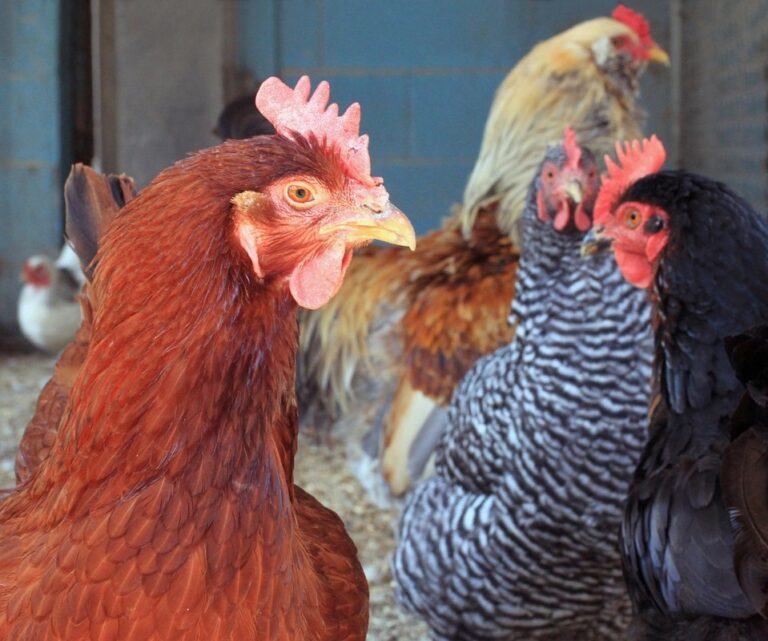
Barred Rocks are known for their unique appearance and charming personality. One of the most distinctive features of this breed is their striking black and white striped feathers, which give them a “barred” look. But it’s not just their looks that make them special – Barred Rocks have a friendly and docile temperament that makes them an excellent choice for families and backyard flocks.
In terms of personality traits, Barred Rocks are often described as curious and active birds. They love to explore and roam around their surroundings, but they’re also happy to spend time with their human caregivers. With proper socialization, Barred Rocks can become quite affectionate and enjoy being handled. However, it’s essential to remember that individual personalities may vary, so be prepared for some surprises.
Barred Rocks are generally easy-going and adaptable, making them a great choice for beginners or experienced chicken keepers alike. They’re also relatively low-maintenance in terms of noise levels – they don’t tend to squawk excessively like some other breeds. Overall, Barred Rocks are a delight to have around the farm or backyard, and their friendly nature makes them an excellent addition to any flock.
Raising Barred Rock Chickens: Tips for Beginners
Getting started with raising Barred Rocks can be intimidating, but don’t worry, we’ve got you covered with practical tips and advice to help you succeed.
Choosing a Hatchery or Breeder
When selecting a hatchery or breeder for your Barred Rock chickens, there are several key factors to consider. First and foremost, research their reputation online by reading reviews from other customers. Look for breeders who specialize in raising heritage breeds like the Barred Rock, as they tend to have a deeper understanding of the chicken’s specific needs and characteristics.
Check if the hatchery or breeder is accredited by a reputable organization such as the American Poultry Association (APA) or the Certified Backyard Chicken Keeper (CBCK). This ensures that they meet certain standards for animal welfare and breeding practices. Additionally, verify their health guarantees and return policies in case you encounter any issues with your chicks.
Consider working with local breeders who allow visits to the farm, as this can give you a firsthand look at the facilities and treatment of the chickens. You can also ask about their breeding philosophy, feeding practices, and vaccination protocols. By doing your due diligence and choosing a reputable hatchery or breeder, you’ll be more likely to receive healthy, well-socialized chicks that will thrive in your backyard flock.
Brooder Setup and Care
When setting up a brooder for your newly hatched Barred Rock chicks, it’s essential to provide them with a safe and nurturing environment. The temperature is crucial during the first few weeks of life, so ensure that you have a reliable heat source. A good rule of thumb is to maintain a temperature range of 90-100°F (32-38°C) for the first week, gradually decreasing it by 5°F (3°C) each week until it reaches around 70°F (21°C).
Proper lighting is also vital for your chicks’ growth and development. You’ll need a heat lamp or ceramic heat emitter specifically designed for brooding, as well as a UVB light to promote calcium metabolism and prevent metabolic bone disease. Place the heat source at one end of the brooder, and position the UVB light in the center.
When it comes to feeding your chicks, provide them with a starter feed that’s high in protein (around 20%) during the first four weeks. Make sure to place the feeder just below the level of their beaks, and use a shallow dish for easy access. Fresh water should always be available, and you can add a few drops of apple cider vinegar to the water to aid digestion and promote overall health.
Health Considerations
When raising young Barred Rock chicks, it’s essential to be aware of some common health issues that can arise. One of the most significant concerns is Marek’s disease, a viral illness that can cause paralysis and death in young chickens. To prevent this, make sure your chicks are vaccinated against Marek’s at the hatchery or shortly after arrival.
Another potential issue is coccidiosis, a parasitic infection that affects the intestines. Keep your coop clean and well-ventilated to reduce the risk of coccidiosis. Provide a balanced diet rich in protein and ensure access to fresh water at all times.
In addition to these diseases, young chicks are also prone to respiratory issues, such as pneumonia and bronchitis. Ensure proper ventilation in the coop and avoid overcrowding to prevent stress on your birds.
To keep your Barred Rock chicks healthy, monitor their behavior closely and watch for signs of illness, such as labored breathing or lethargy. Consult a veterinarian experienced in poultry care if you notice any unusual symptoms. By taking proactive steps to prevent disease and monitoring your flock regularly, you can help ensure the health and well-being of your young Barred Rock chickens.
Benefits of Keeping Barred Rock Chickens
If you’re considering bringing a flock of barred rocks onto your property, there are several benefits to keeping these friendly and hardy birds as part of your backyard chicken operation. Let’s explore them in more detail.
Egg Production
Barred Rock chickens are renowned for their impressive egg-laying capabilities. On average, a mature Barred Rock hen will lay around 200 large brown eggs per year, making them an excellent choice for backyard chicken keepers who desire a steady supply of fresh eggs.
Their daily production is also noteworthy, with many hens laying one to two eggs per day. This consistent rate makes it easy to plan and budget for your egg needs. The breed’s high fertility rate ensures that the eggs are more likely to hatch if you decide to incubate them or allow a rooster to fertilize the eggs.
It’s essential to note that factors such as nutrition, health, and living conditions can influence an individual hen’s egg-laying performance. A balanced diet rich in protein and calcium, adequate access to fresh water, and a safe and comfortable living environment will all contribute to optimal egg production.
Meat Quality
When it comes to meat quality, Barred Rock chickens have earned a reputation for producing tender and juicy meat that’s perfect for small-scale poultry farming. One of the key benefits of raising Barred Rocks is their high egg production, but what about their meat? The answer lies in their impressive feed conversion ratio, which means they efficiently convert feed into protein-rich meat.
Their slow growth rate, typically taking around 24 weeks to reach market weight, allows for more time to focus on proper husbandry practices and nutrient-dense feed. This results in a more flavorful and tender product. For instance, a study by the University of Kentucky found that heritage breeds like Barred Rocks produced higher-quality meat with better marbling scores compared to commercial breeds.
To take full advantage of this trait, it’s essential to prioritize proper nutrition, exercise, and stress management. Aiming for around 1-2 pounds of gain per week will ensure a healthy weight without sacrificing quality.
Entertainment Value
Raising Barred Rock chickens is not just about collecting eggs; it’s also an incredibly entertaining experience. These birds are known for their friendly and curious nature, making them a delight to watch and interact with. Imagine having a constant source of companionship in the form of a feathered friend who will follow you around the yard, always eager to explore and play.
One of the best things about Barred Rocks is their ability to be quite mischievous at times. They love to dig and forage, often getting into all sorts of trouble by digging up plants or even raiding your garden beds. But this playful nature also makes them a joy to watch and can provide endless entertainment on a lazy Sunday afternoon.
To get the most out of the entertainment value of your Barred Rocks, be sure to spend time with them regularly. Provide toys and activities that challenge their minds and keep them active, such as puzzle feeders or foraging games. You might also consider setting up a chicken play area where they can safely run around and engage in natural behaviors like scratching and pecking.
Feeding and Nutrition for Barred Rocks
When it comes to keeping your Barred Rocks happy and healthy, proper feeding and nutrition are essential. In this crucial aspect of their care, we’ll explore what they need to thrive.
Starter Diet
When it comes to feeding your new Barred Rock chicks from hatch to 4-5 weeks, it’s essential to provide them with a starter diet that meets their unique nutritional needs. As soon as they hatch, chicks need a high-protein feed to support rapid growth and development.
At this stage, you can start offering a commercial starter chick feed specifically formulated for the first few weeks of life. Look for feeds containing around 20-22% protein, which is higher than adult layers to support their initial growth spurt. Some popular options include Purina Layena or Manna Pro Chick Starter Feed.
Make sure to provide fresh water at all times and a grit source to help with beak development. You can also supplement with oyster shells or crushed eggshells for calcium, but avoid adding too much as this can lead to digestive issues. Remember to follow the feeding instructions on the bag carefully, and always monitor your chicks’ weight and overall health.
Typically, you’ll want to aim for 20-25% of your chick’s body weight in feed per day. For example, a 10g chick would need around 2-2.5 grams of starter feed per day.
Grower Feed
As a Barred Rock owner, providing your growing pullets with the right nutrition is crucial for their health and development. When it comes to feeding your Barred Rocks, you’ll want to ensure they’re getting all the necessary nutrients for optimal growth.
Pullets from 0-18 weeks old have high energy requirements to support rapid growth. You can achieve this by providing a starter feed with around 16-18% protein content. For example, Purina Starter Feed is a popular choice among backyard chicken keepers and contains 17% protein. However, make sure to check the ingredient list for any added fillers or low-quality ingredients.
Aim to provide about 1/4 pound of starter feed per bird per day. As they grow, you’ll need to switch to a grower feed around week 18-20. Grower feeds typically have around 14-16% protein content and are formulated for birds that have already reached their growth peak. Laying hens don’t require as much protein, but it’s essential to provide them with a balanced diet to support egg production.
When selecting a grower feed, look for one that contains essential vitamins and minerals like calcium and phosphorus. These nutrients will help your Barred Rocks develop strong bones and support their overall health.
Layer Feed
As your barred rock hens mature into egg-laying machines, it’s essential to provide them with a balanced layer feed. A good quality layer feed is specifically formulated to meet the nutritional needs of laying hens, ensuring they produce healthy eggs and maintain their overall well-being.
When choosing a layer feed for your barred rocks, look for one that contains at least 16-18% protein content. This will help support muscle maintenance and egg production. Also, ensure the feed has adequate calcium levels (around 2-3%) to promote strong eggshell development and prevent issues like soft-shelled eggs.
A balanced layer feed should also include other essential nutrients such as vitamins A, D3, E, K, and B12, along with minerals like phosphorus, potassium, and sodium. Some feeds may contain additional supplements like omega-3 fatty acids or probiotics to support immune function and gut health.
For example, if you’re raising your barred rocks on pasture, consider a free-range layer feed that’s designed for birds raised outside. This type of feed will provide them with the necessary nutrients while also accounting for their varying dietary needs based on forage availability. Always check the ingredient list and manufacturer recommendations to ensure you’re providing the best possible nutrition for your flock.
Health Considerations for Mature Barred Rocks
As you care for your mature barred rocks, it’s essential to be aware of potential age-related health concerns that may arise and how to mitigate them. Regular check-ups can help prevent and detect issues early on.
Common Health Issues
As your flock of Barred Rock chickens matures, it’s essential to be aware of common health issues that can affect their well-being. One of the most prevalent problems is external parasites like mites and lice. These tiny pests feed on the blood of your birds, causing discomfort, anemia, and even death if left untreated.
Mites are especially notorious for attacking Barred Rock chickens, as they have a tendency to burrow under their feathers, making them harder to detect. To prevent infestations, make sure to regularly inspect your flock’s vent area and undercarriage, looking for signs of dark specks or egg-laying.
Respiratory infections are another significant concern for mature Barred Rocks, often caused by pathogens like Mycoplasma gallisepticum or E. coli. These bacteria can be spread through contaminated feed, water, or direct contact with infected birds. Monitor your flock’s behavior and watch out for symptoms such as labored breathing, coughing, or lethargy.
To prevent these issues from taking hold, maintain a clean living environment by regularly cleaning feeding and watering equipment, providing adequate ventilation in your coop, and ensuring that your birds receive proper nutrition and access to fresh water.
Vaccinations and Preventatives
When it comes to maintaining the health of your mature Barred Rock chickens, vaccinations and preventatives play a crucial role. While vaccines can provide essential protection against common diseases, it’s essential to weigh their benefits against potential limitations.
Regular vaccinations are recommended for Barred Rocks, especially if you live in areas with high disease prevalence or have a large flock. Vaccines such as Marek’s Disease Virus (MDV) and Infectious Bronchitis (IB) can help prevent these diseases, which can be devastating to your flock. However, it’s essential to consult with a veterinarian to determine the best vaccination schedule for your birds.
In addition to vaccinations, maintaining good biosecurity practices is vital in preventing disease outbreaks. This includes ensuring proper ventilation, keeping the coop clean, and isolating new birds before introducing them to the main flock. By taking these measures, you can significantly reduce the risk of disease transmission and create a healthy environment for your Barred Rocks.
When administering vaccines, follow the manufacturer’s instructions carefully, and always consult with a veterinarian if you’re unsure about any aspect of vaccination.
Biosecurity Measures
Maintaining a healthy flock is crucial for the well-being of your Barred Rocks. Biosecurity measures play a significant role in preventing diseases from entering your coop and ensuring the health of your birds. Here are some best practices to follow:
When introducing new birds to your flock, make sure they are isolated for at least 30 days before integrating them with the rest. This allows you to monitor their health closely and prevent any potential diseases from spreading.
Regular cleaning and disinfection of the coop and runs is also essential. Remove soiled bedding, clean all surfaces with a pet-safe disinfectant, and allow the area to air out completely before reintroducing your birds.
Proper handling techniques are vital in preventing the spread of diseases. Always wash your hands thoroughly before and after interacting with your birds, and make sure any equipment or tools used on them are properly sanitized.
Additionally, keep an eye out for signs of illness such as lethargy, loss of appetite, or changes in droppings. Consult a veterinarian experienced in poultry care if you notice anything unusual. By following these biosecurity measures, you can help maintain a healthy and thriving flock of Barred Rocks.
Breeding and Showing Barred Rocks
Breeding Barred Rocks requires careful consideration of genetics, temperament, and conformation to produce high-quality birds for showing. Here’s how to select a breeding flock that meets your goals.
Selection Criteria
When selecting breeding stock for your Barred Rock flock, it’s essential to focus on key characteristics that will ensure the health, fertility, and overall quality of your birds. First and foremost, look for birds with a strong genetic foundation, meaning they should come from reputable breeders who have invested in selective breeding programs.
As you evaluate potential breeding stock, consider the following traits: egg-laying ability, fertility, body type, feather quality, and temperament. Barred Rocks are known for their hardiness and prolific egg production, so look for birds that demonstrate these characteristics. A healthy Barred Rock should have a well-proportioned body, with a sturdy build and a rich, dark barred pattern on its feathers.
In addition to physical characteristics, also assess the bird’s temperament. Look for individuals that are friendly, docile, and curious – these traits will make them easier to handle and more enjoyable to work with. Remember to observe multiple generations of birds from the breeder to get an accurate sense of their overall quality and consistency. By prioritizing these key characteristics, you’ll be well on your way to building a thriving and productive flock.
Breeding Program Structure
A well-structured breeding program is essential for producing high-quality Barred Rock chicks that excel in both their genetics and appearance. To get started, you’ll want to establish a clear plan that outlines the goals of your breeding program. This includes deciding what characteristics you’re aiming to improve or preserve, such as egg production, temperament, or feather quality.
Effective record-keeping is crucial for tracking progress and making informed decisions about which birds to breed together. Keep detailed records of each bird’s pedigree, health checks, and performance data – including egg-laying stats, growth rates, and any notable traits. This information will help you identify top-performing birds that can be used as foundation stock.
When selecting breeding pairs, consider factors like genetic diversity, conformation, and temperament. Avoid inbreeding to prevent inherited disorders and maintain the integrity of your flock’s genetics. By following these steps and staying organized with record-keeping, you’ll be well on your way to developing a thriving Barred Rock breeding program that produces exceptional birds year after year.
Show Preparation
When it comes time to show off your prized Barred Rock birds, proper preparation is key to making a great impression. To get started, make sure your bird’s feathers are clean and well-groomed. This involves regular cleaning of the coop and run, as well as daily tidying of their living area.
Grooming techniques can also play a crucial role in preparing your bird for showing. Start by gently removing any debris or tangles from their plumage, working from head to tail to ensure even coverage. Use a soft-bristled brush or your fingers to detangle and smooth out the feathers.
In addition to grooming, it’s essential to handle your birds regularly to help them become accustomed to being touched and handled by strangers. This process is called “hand-raising,” and it can greatly improve their overall temperament and make them more confident in new situations. For example, you can start by simply sitting with your bird for short periods each day, gradually increasing the time as they become more comfortable.
When showing your birds, remember to present them confidently and professionally. This includes having a well-groomed bird, as well as knowing the breed standard inside and out. Practice presenting your bird in front of friends or family before heading to an actual show to build confidence and ensure you’re prepared for any scenario that may arise.
Conclusion: Why Barred Rocks Make Great Backyard Chickens
So, now that you’ve learned all about the amazing qualities of Barred Rocks, let’s summarize why they’re a fantastic choice for your backyard flock.
Recap of Key Points
To recap, let’s review the key points from our comprehensive guide to Barred Rocks. As we’ve discussed throughout this article, these birds are a fantastic choice for backyard chicken keepers due to their friendly, docile nature and impressive egg-laying abilities.
We’ve explored how Barred Rocks are relatively easy to care for, requiring moderate exercise and a balanced diet. Their hardiness also makes them an excellent option for harsh climates or regions with extreme weather conditions. In addition, we delved into their unique characteristics, such as their striking appearance and friendly disposition.
To successfully keep your Barred Rocks happy and healthy, be sure to provide ample space for movement and socialization. A minimum of 2-3 square feet per bird inside the coop and 8-10 square feet in an enclosed run is recommended. With proper care and attention, these amazing birds will reward you with an abundance of delicious eggs and countless hours of entertainment.
Remember, Barred Rocks are a long-term commitment, so be prepared to make a 7-year investment in your flock’s happiness and well-being.
Encouragement to Try Raising Your Own Barred Rock Chicks
Raising your own Barred Rock chicks can be a rewarding experience for backyard chicken keepers. Not only will you have the joy of watching them grow and develop their unique personalities, but you’ll also reap the benefits of having a steady supply of fresh eggs from a breed that’s known for its high egg production.
If you’re new to raising chickens, starting with chicks can be intimidating, but it’s definitely doable. Begin by ordering Barred Rock chicks from a reputable hatchery or supplier and make sure you have all the necessary equipment, such as a brooder, feeders, and waterers, ready for them when they arrive.
One of the best things about raising your own Barred Rock chicks is that it allows you to give them the individual attention and care that they need during their critical early stages. With proper feeding, ventilation, and socialization, these young birds will grow into healthy, happy adults that will thrive in your backyard flock. So why not give it a try? The reward of having your own homegrown Barred Rock chickens is well worth the effort.
Frequently Asked Questions
Can I raise Barred Rock chickens in a small backyard with limited space?
Yes, one of the best things about Barred Rocks is their adaptability to different environments. They can thrive in smaller spaces as long as they have enough room to move around and exercise. Consider providing a minimum of 2-4 square feet per bird inside the coop, and at least 8-10 square feet per bird outside in the run.
How often should I expect Barred Rock chickens to lay eggs?
Barred Rocks are prolific layers, producing an average of 200-220 large brown eggs per year. However, egg production can vary depending on factors like age, nutrition, and light exposure. Expect your hens to start laying eggs around 18-24 weeks old, and continue to produce at this rate for about 5-7 years.
What are some common health issues I should be aware of in Barred Rock chickens?
As with any breed, Barred Rocks can be prone to certain health issues like mites, lice, and respiratory problems. Make sure to provide regular vaccinations, maintain good biosecurity measures, and monitor your flock’s health closely. Also, keep an eye out for signs of disease like labored breathing, lethargy, or changes in appetite.
Can I breed Barred Rock chickens for show?
Yes! Barred Rocks are a popular choice among backyard chicken enthusiasts who also participate in showing. To breed for show, focus on selecting birds with excellent conformation, feather quality, and temperament. Consider attending poultry shows to learn more about the selection criteria and breeding program structure.
How do I introduce new Barred Rock chickens to my existing flock?
When introducing new birds to your flock, make sure to do it gradually and in a controlled environment. Start by keeping them separate for a few days to allow them to get accustomed to each other’s presence and scents. Once they seem comfortable, begin supervised interactions under close observation to prevent any potential conflicts or stress on either group.