
Are you looking to add some personality to your backyard with a breed of chicken that’s as charming as they are beautiful? Look no further than the Barred Rock! This beloved bird has been a favorite among backyard flock owners and breeders for decades, and it’s easy to see why. With their stunning black and white feathers and friendly demeanor, Barred Rocks are the perfect addition to any poultry collection.
In this comprehensive guide, we’ll take you on a journey through the history of the Barred Rock, covering everything from their origins as a workhorse breed in the early 20th century to their modern-day popularity among chicken enthusiasts. We’ll also delve into the essential characteristics that make these birds thrive in backyard flocks, including their hardiness, temperament, and egg-laying abilities. Whether you’re a seasoned breeder or just starting out, this article will provide you with all the information you need to raise, breed, and show Barred Rock chickens like a pro!
History and Origins of Barred Rocks
The origins of Barred Rocks chickens date back to the late 19th century, when they were first bred in Pennsylvania. Let’s explore how these friendly birds came to be!
Early Development and Breeding Goals
The early development of the Barred Rock breed is deeply rooted in its purpose as a hardy and prolific egg-layer. In the early 20th century, poultry enthusiasts were on the hunt for a reliable and efficient chicken that could meet the demands of commercial egg production. The goal was to create a bird that could thrive in various environments, from small backyards to large-scale farms.
To achieve this, breeders crossed various breeds, including the Dominique and the White Plymouth Rock, with an emphasis on developing birds that were robust, fertile, and prolific egg-layers. Their breeding goals focused on creating chickens that could withstand the rigors of commercial farming while maintaining exceptional egg production.
One notable aspect of the Barred Rock’s development is its unique genetic makeup. Breeders aimed to create a bird that would exhibit high fertility rates, making it an ideal choice for large-scale operations. Today, we see the results of these early breeding goals in the Barred Rock’s ability to produce around 200 brown eggs per year, making them a staple in many backyard flocks and commercial farms alike.
Influence from Other Chicken Breeds
The development of the Barred Rock breed is a fascinating story that involves the contributions of several other breeds. One notable example is the New Hampshire breed, which was introduced to America from England in the late 1800s. This bird’s sturdy build and cold hardiness caught the attention of American poultry enthusiasts, who began crossing it with other breeds to create something new.
The result was a bird that combined the best traits of several breeds: the Rhode Island Red‘s egg-laying ability, the Cochin’s size and gentle nature, and the New Hampshire’s robust health. This blend of bloodlines ultimately gave rise to the Barred Rock breed we know today.
In fact, many historians credit A.W.F. Austin, a prominent poultry breeder from England, with creating the first modern Barred Rocks by crossing New Hampshires with other breeds in the early 1900s. The resulting birds were not only prolific layers but also boasted impressive size and temperament. It’s no wonder that the Barred Rock has since become one of America’s most beloved backyard chicken breeds!
Characteristics of Barred Rocks
When it comes to understanding these wonderful birds, knowing their characteristics is key. Let’s take a closer look at the unique traits that make Barred Rocks such beloved backyard companions.
Physical Description and Size
When it comes to the physical description and size of Barred Rocks, there are several key characteristics that set them apart. On average, a healthy adult Barred Rock can weigh anywhere from 4 to 6 pounds, with roosters typically being slightly larger than hens. In terms of size, they’re considered a medium-sized breed, making them an excellent choice for backyard flocks of any size.
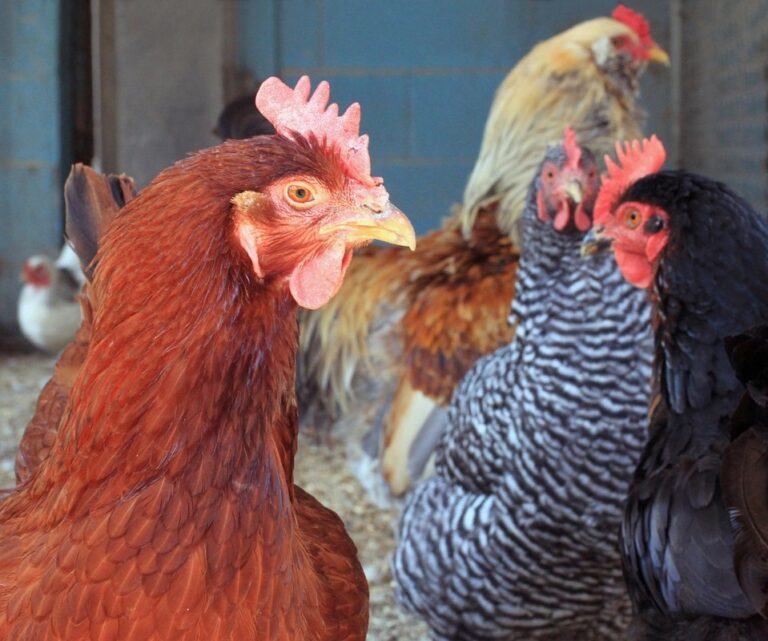
One of the most distinctive features of the Barred Rock is their unique feather pattern. Their plumage is a striking mix of black and white stripes, giving them a “barred” appearance that’s both striking and beautiful. The feathers on their neck, back, and wings are typically longer than those on their belly, which gives them a slightly ruffled appearance.
In terms of overall length, Barred Rocks can range from 18 to 20 inches in height. While they’re not the largest breed out there, their compact size makes them an excellent choice for small farms or homesteads with limited space. Whether you’re looking for a friendly companion or a productive layer, the Barred Rock’s impressive physical characteristics make them an ideal addition to any flock.
Temperament and Personality Traits
Barred Rocks are known for their friendly and docile nature, making them an excellent choice for families with children or for those who want a low-maintenance pet. They are social birds that thrive on interaction with humans and other animals, but they can be wary of new additions to the flock.
One of the most distinctive traits of Barred Rocks is their curious and playful personalities. They love to explore their surroundings, investigate new objects, and engage in games like foraging or chasing each other around the yard. If you’re looking for a breed that will keep you entertained, Barred Rocks are an excellent choice.
When it comes to interacting with humans, Barred Rocks are extremely affectionate and loving. They’ll often follow you around the yard, perch on your lap, or even try to snuggle up next to you while watching TV. However, they do require gentle handling and patience when being handled, as they can be skittish if startled.
In terms of interactions with other animals, Barred Rocks are generally tolerant and peaceful, but may defend themselves if provoked. It’s essential to socialize them well from an early age to ensure they get along with other birds, dogs, or even cats in the household.
Raising and Caring for Barred Rocks
When it comes to raising and caring for your new Barred Rock chicks, there are some essential tips you’ll want to keep in mind to ensure their health and happiness. In this section, we’ll cover everything from feeding and nutrition to housing and socialization.
Nutritional Needs and Dietary Requirements
When it comes to feeding your Barred Rock flock, understanding their nutritional needs is crucial for optimal health and productivity. As a Barred Rock owner, you’ll want to ensure that your birds receive the right balance of nutrients at various stages of life.
For chicks (0-8 weeks), starter feed with 16-18% protein content is essential for growth and development. You can introduce crumbles or mash to help prevent digestive issues. As pullets mature (8-20 weeks), transition them to grower feed with 15-16% protein, which will support their muscle and bone development.
At around 20 weeks, your Barred Rocks will begin laying eggs, requiring a shift to layer feed (14-15% protein) that prioritizes calcium and phosphorus for strong eggshell production. It’s also essential to provide fresh water at all times, along with grit or oyster shells to support digestive health.
Some additional tips include supplementing with crushed eggshells for extra calcium or offering occasional treats like fruits and vegetables in moderation. By following these guidelines, you’ll be able to ensure your Barred Rocks receive the proper nutrition they need to thrive throughout their lives.
Environmental Considerations and Housing
When it comes to housing your Barred Rocks chickens, providing an ideal environment is crucial for their health and well-being. These birds require a spacious area to roam freely, exercise, and engage in natural behaviors.
A minimum of 2-4 square feet per bird inside the coop and at least 8-10 square feet per bird in the run is recommended. However, more space is always better, as it allows for better air circulation, reduced stress, and lower disease risk.
It’s also essential to consider the ventilation system, insulation, and predator protection when designing or choosing a coop. Barred Rocks are hardy birds but can still be susceptible to extreme temperatures, drafts, and potential predators like hawks, foxes, or raccoons.
To maintain a healthy environment, ensure the coop is cleaned regularly, and provide adequate nesting boxes for egg-laying. You should also collect eggs daily to prevent breakage and maintain hygiene. By providing a safe, comfortable, and spacious living space, you’ll be rewarded with happy and thriving Barred Rocks chickens.
Health and Common Issues in Barred Rocks
As you care for your new Barred Rock flock, it’s essential to be aware of potential health issues that may arise, such as respiratory problems or mites. We’ll cover common health concerns and how to prevent them in this section.
Genetic Predispositions and Hereditary Conditions
As a responsible owner of Barred Rock chickens, it’s essential to be aware of breed-specific health issues and genetic predispositions that may affect your flock. One notable condition is Megaloblastic Pox, a viral disease that can cause skin lesions and beak problems. Although relatively rare, this condition highlights the importance of maintaining a clean and healthy environment for your chickens.
Another concern is the potential for hereditary conditions such as Tibial Dyschondroplasia (TD), a bone growth disorder that affects the legs. Regular monitoring and providing a balanced diet can help prevent or manage TD. Additionally, Barred Rocks may be prone to obesity due to their friendly nature and tendency to overeat.
To mitigate these risks, ensure your flock has access to fresh air, exercise, and a nutritious diet. Regular health checks and maintaining a clean coop are also crucial. If you notice any signs of illness or injury in your chickens, consult with a veterinarian or experienced breeder for guidance on prevention and treatment.
Common Diseases and Parasites
As a responsible owner of Barred Rock chickens, it’s essential to be aware of the common diseases and parasites that can affect this breed. Regular monitoring and maintenance are crucial to prevent infestations and infections.
One of the most common external parasites affecting Barred Rocks is mites. These tiny creatures feed on the chicken’s blood, causing discomfort, stress, and even anemia. To prevent mite infestations, ensure your coop is well-ventilated, clean, and free from debris. Regularly inspect your birds for signs of mites, such as dark spots or patches around their eyes, wings, and legs.
Another common issue is lice, which can be transferred through direct contact with infected birds or contaminated objects. To manage lice, use a combination of dusting powder, medicated shampoos, and frequent cleaning of the coop and equipment.
Respiratory infections are also prevalent in Barred Rocks, often caused by viruses such as Rispens’ disease. Keep an eye out for symptoms like labored breathing, coughing, or discharges from the eyes or nose. Ensure proper ventilation, maintain a clean environment, and provide adequate nutrition to boost your flock’s immune system.
Breeding and Raising Barred Rock Chicks
If you’re considering raising Barred Rocks, breeding and raising healthy chicks is a crucial step that requires attention to detail and proper care. Let’s dive into the specifics of nurturing these adorable babies.
Choosing a Hatchery or Breeder
When selecting a hatchery or breeder for your Barred Rock chicks, it’s essential to prioritize genetic diversity and quality assurance. A reputable supplier will offer a wide range of bloodlines, ensuring that your flock is robust and less prone to inherited health issues.
To evaluate a hatchery or breeder, research their breeding program, production practices, and disease management protocols. Look for transparency regarding their testing and vaccination policies. You can also check online reviews from other customers, as well as the supplier’s ratings with organizations like the American Poultry Association (APA) or the United States Department of Agriculture (USDA).
When selecting a hatchery or breeder, choose one that specializes in heritage breeds like Barred Rocks, which will prioritize genetics and quality over mass production. Consider asking for documentation on the chicks’ lineage and health guarantees. This will give you peace of mind knowing your chicks come from a reputable source.
By carefully choosing your supplier, you’ll be more likely to raise healthy, thriving Barred Rock chicks.
Chick Development and Growth Stages
As you start raising your Barred Rock chicks, understanding their growth stages is crucial for optimal development and health. From hatch to pullet, Barred Rocks undergo significant physical changes that require attention to nutrition, environment, and care.
The first 4-6 weeks are critical in establishing a strong foundation for future growth. During this period, chicks need a warm, safe space with adequate ventilation and light. A diet rich in protein (20% or higher) is essential for feather development and muscle growth. Consider using a starter feed specifically formulated for young chickens.
Between 4-12 weeks, chicks transition to pullets as they begin laying feathers on their backs. This stage requires more energy and nutrients. Gradually introduce more fiber-rich foods like fruits and vegetables while continuing high-protein feed. Be prepared to adjust the coop environment to accommodate growing birds’ needs. By 18-20 weeks, Barred Rock hens typically reach maturity, at which point you can provide adult feed.
Showing and Competing with Barred Rocks
When it comes to showing and competing with your prized Barred Rocks, understanding breed standards is crucial for success. We’ll walk you through what judges look for in these stunning birds.
Rules and Regulations for Showing Poultry
When it comes to showing your prized Barred Rock chickens, it’s essential to understand the breed standards and judging criteria. The American Poultry Association (APA) is one of the primary governing bodies for poultry shows, and their rules apply to most competitions.
According to the APA, Barred Rocks must meet specific standards in terms of appearance, temperament, and overall quality. Judges evaluate birds based on feather quality, size, shape, and posture, as well as their plumage’s evenness and coloration. In terms of temperament, Barred Rocks are known for being friendly and docile, but they should also display a sense of alertness and curiosity.
Some specific rules to keep in mind when showing your Barred Rock chickens include:
* Ensuring the birds’ health and cleanliness
* Meeting weight and size requirements (for example, hens should weigh between 6-7 pounds)
* Demonstrating proper breed characteristics, such as the distinctive barred pattern on their feathers
To increase your chances of success in a show, make sure to research the specific rules and regulations for each competition you plan to enter. With careful preparation and attention to detail, you can help showcase your Barred Rock chickens’ best qualities and impress judges with their beauty and charm.
Tips for Beginners and Experienced Exhibitors
As a beginner or an experienced breeder, getting your Barred Rocks chickens ready for shows can be both exciting and intimidating. Preparing your birds for poultry exhibitions requires attention to detail, knowledge of breed standards, and confidence. Here are some tips to help you maximize success at the show.
When preparing your birds for shows, make sure they have been well-groomed, fed a balanced diet, and provided with adequate exercise. A clean and healthy bird is essential for showcasing the beauty and characteristics of the Barred Rocks breed. Practice handling your birds regularly to get them accustomed to being handled, weighed, and judged.
To manage nerves and stress on show day, focus on your bird’s preparation rather than worrying about the outcome. Take deep breaths, stay calm, and remember that you’ve done everything possible to prepare your bird. If you’re exhibiting for the first time, consider partnering with an experienced breeder or mentor who can offer guidance and support.
Develop a system to handle show day logistics, such as transporting and setting up your birds’ enclosures, so you can focus on enjoying the experience. Practice judging yourself by evaluating your birds against breed standards, which will help build confidence in their quality and characteristics.
Conclusion: Why Keep Barred Rocks as Pets or for Egg Production?
So you’ve decided on a flock of Barred Rocks, and now you’re wondering why keep them around beyond their egg-laying years. Let’s explore some compelling reasons to keep these birds as pets or for continued egg production.
Summary of Breed Benefits and Drawbacks
If you’re still deciding whether to bring home Barred Rocks as pets or for egg production, here’s a summary of the key benefits and drawbacks to consider.
One of the primary advantages of keeping Barred Rocks is their friendly, docile nature. They are relatively easy to handle and interact with, making them an excellent choice for families with children or first-time chicken owners. On the other hand, their laid-back temperament also means they can be prone to predators if not properly secured.
In terms of egg production, Barred Rocks are prolific layers, producing around 200-220 brown eggs per year. This is a significant benefit for backyard farmers or those looking for a reliable source of fresh eggs. However, their high egg output can lead to exhaustion and reduce their lifespan if not managed correctly.
Regular care requirements, such as providing adequate space, nutrition, and vaccinations, are essential for maintaining the overall health of your Barred Rocks flock. By weighing these benefits and drawbacks, you’ll be better equipped to decide whether Barred Rocks are right for your unique situation.
Final Thoughts on Barred Rock Chickens as a Great Choice
As we conclude our comprehensive overview of Barred Rock chickens, it’s clear that they are an excellent choice for both novice and experienced chicken keepers. Their friendly temperament, hardiness, and impressive egg-laying abilities make them a top contender among backyard chicken enthusiasts.
One of the main advantages of keeping Barred Rocks is their ability to adapt to various climates and living conditions. Whether you’re raising them in a small urban yard or a large rural property, these birds are sure to thrive. Their calm demeanor also makes them an excellent choice for families with children, as they are relatively easy to handle and can even be taught to follow basic commands.
If you’re considering adding Barred Rocks to your flock, remember to provide them with plenty of space to roam and exercise. A balanced diet rich in nutrients and regular health checks will also help ensure their optimal well-being. By following these simple guidelines, you’ll be rewarded with a happy and productive flock that brings joy and fresh eggs to your table for years to come.
Frequently Asked Questions
How do I ensure my Barred Rock chickens receive the proper nutrition for optimal health?
When raising Barred Rocks, it’s essential to provide a balanced diet that meets their nutritional needs. A high-quality layer feed should be the main staple of your flock’s diet. However, supplementing with fresh fruits and vegetables can also promote overall health and egg production. Ensure access to clean water at all times, and consider adding oyster shells or grit to support calcium intake.
What are some common mistakes to avoid when housing Barred Rock chickens?
When it comes to housing your Barred Rocks, there are a few key things to keep in mind. Avoid overcrowding, as this can lead to stress and health issues. Also, ensure that the coop is well-ventilated and protected from predators. A good rule of thumb is to provide at least 3-4 square feet of space per bird inside the coop.
Can I raise Barred Rocks in small backyards or urban areas?
Barred Rocks are an excellent choice for small spaces due to their hardiness and adaptability. However, it’s essential to consider factors like noise levels and local regulations before bringing your flock home. Make sure to check with your neighbors and municipal authorities to ensure you’re complying with any relevant ordinances.
How can I breed Barred Rock chickens successfully?
To breed successful Barred Rocks, focus on selecting birds with desirable traits such as strong egg-laying abilities, robust health, and attractive plumage. Keep detailed records of your breeding program, tracking factors like fertility rates, hatchability, and chick quality. Networking with experienced breeders can also provide valuable insights and advice.
What are some tips for introducing new Barred Rock chickens to my existing flock?
When introducing new birds to your flock, do it gradually to avoid stressing out the existing hens. Start by separating the newcomers in a separate enclosure and allowing them to get used to each other’s sounds and scents before integrating them into the main group. Monitor the behavior of both old and new birds closely during this transition period.