
Are you thinking of adding some new feathered friends to your backyard flock or pet collection? When it comes to choosing between two popular breeds, the barred and Wyandotte chickens often come up in conversation. But what exactly sets these two apart? In this article, we’ll delve into the history, physical characteristics, temperament, egg-laying abilities, and health considerations of both breeds. We’ll help you understand the key differences between them so you can make an informed decision about which one is right for you.
Whether you’re a seasoned chicken enthusiast or just starting out, choosing the perfect breed can be overwhelming with all the options available. By exploring the similarities and differences between barred and Wyandotte chickens, we hope to give you expert advice on how to select the best fit for your needs.
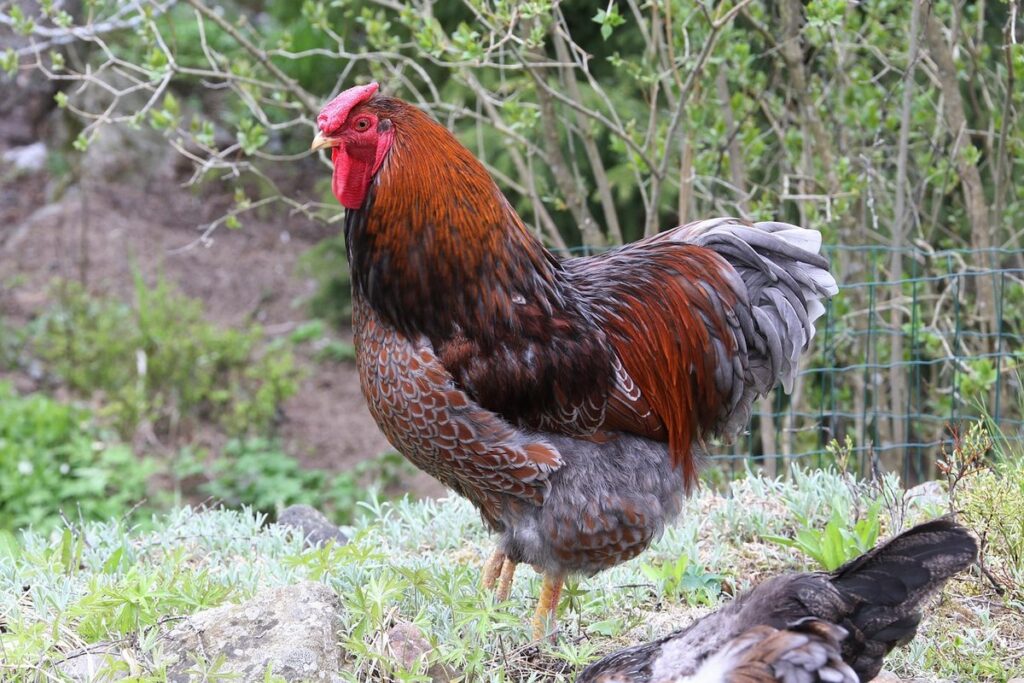
Introduction to the Breeds
Let’s dive into the world of two beloved chicken breeds: Barred and Wyandotte. These distinct birds have their own unique characteristics, which we’ll explore in more detail next.
History and Origins of the Breeds
The Barred and Wyandotte breeds have a rich history that dates back to the late 19th century. The Barred Plymouth Rock originated from England, where they were bred for their robustness, egg-laying ability, and hardiness. They were later introduced to the United States in the 1860s, where they quickly gained popularity among farmers due to their high fertility rates and cold-hardy nature.
The Wyandotte breed, on the other hand, was developed in the United States specifically for its stunning appearance. Bred from various European breeds such as the Old English Gamecock and the Rosecomb, the Wyandotte was designed to be a showstopper with its intricate feather patterns and vibrant colors.
Interestingly, both breeds share some similarities in their early development stages. They were both bred during an era when chicken varieties were constantly being developed to meet specific needs on farms and in poultry shows. However, over time, they evolved into distinct breeds with unique characteristics that set them apart from each other.
Breed Standards and Characteristics
When it comes to breed standards and characteristics of Barred and Wyandotte chickens, there are some key differences that set them apart. Let’s dive into the specifics.
The American Bantam Association (ABA) breed standard for Barred chickens describes them as having a sleek, black-barred pattern on their feathers, with a golden-yellow beak and legs. They should weigh around 4-6 pounds, with a length of about 20 inches from tail to beak. When it comes to temperament, Barred chickens are known for being friendly, active, and curious. They’re great foragers and love exploring their surroundings.
In contrast, Wyandotte chickens have a distinct rose-comb feathered crest on the top of their heads, with a lustrous sheen on their feathers. Their beak is also a vibrant yellow, which complements their black or white plumage. According to the American Poultry Association (APA) breed standard, Wyandottes should weigh between 7-10 pounds and measure around 24 inches in length from tail to beak. Known for being docile and gentle, Wyandottes make excellent pets for families with children. They’re also prolific egg layers, producing an average of 200 brown eggs per year.
When choosing between these two breeds, consider your lifestyle and experience level as a chicken keeper. If you have space and time to devote to active chickens that require regular exercise and mental stimulation, Barred may be the better choice. However, if you’re looking for a more laid-back, easy-going breed that’s perfect for beginners or families with smaller spaces, Wyandotte is an excellent option.
Physical Characteristics: A Closer Look
When it comes to distinguishing between Barred and Wyandotte chickens, their physical characteristics play a significant role. Let’s take a closer look at what sets them apart in terms of plumage and overall appearance.
Plumage Patterns and Colors
When it comes to plumage patterns and colors, Barred and Wyandotte chickens exhibit distinct characteristics that set them apart. The Barred breed is recognized by its black and white feathers, with a unique “bar” pattern running vertically along each feather. This creates a striking appearance, with the bars appearing as narrow stripes on the chicken’s body. On the other hand, the Wyandotte boasts a more vibrant plumage, featuring iridescent sheens in shades of gold, silver, and copper.
One notable difference between the two breeds is their color intensity. The Wyandotte’s plumage tends to be more saturated and bright, especially on the males, whereas the Barred breed has a more muted appearance. When choosing between these two breeds, consider your personal preference for color intensity and pattern complexity. If you’re looking for a striking black-and-white combination, the Barred may be the better choice. However, if you prefer a show-stopping display of vibrant colors, the Wyandotte is an excellent option.
Body Type and Size
When it comes to physical characteristics, one of the most noticeable differences between Barred and Wyandotte chickens lies in their body type and size. The Barred breed is known for its sturdy build and compact frame, weighing between 5-7 pounds (2.3-3.2 kg). They have a broad chest, strong legs, and a relatively short tail. In comparison, the Wyandotte breed has a more elegant appearance with a larger body size, typically weighing between 8-12 pounds (3.6-5.4 kg).
Their overall appearance also differs significantly. Barred chickens have a clean-cut, streamlined look with no feathers on their legs and feet. On the other hand, Wyandottes are known for their beautiful lacing pattern on their breast and back, making them stand out in any flock. If you’re looking to add some visual interest to your backyard coop, the Wyandotte’s stunning plumage is sure to catch the eye.
When choosing between these two breeds, consider your available space and personal preference for aesthetics. Barred chickens are ideal for smaller backyard flocks or those with limited space, while Wyandottes make a statement in larger coops or exhibitions.
Temperament and Personality
When it comes to choosing between a Barred and Wyandotte chicken, understanding their unique temperaments is crucial for your backyard flock’s harmony. Let’s explore how these breeds differ in personality.
Comparison of Temperaments
When it comes to temperament, both Barred and Wyandotte breeds have distinct personalities that set them apart from one another. The Barred breed is known for being friendly, outgoing, and social. They are often described as “velcro chickens” because they love human interaction and will frequently seek out attention from their owners. In contrast, the Wyandotte breed is also friendly but tends to be more reserved and independent.
One key difference between the two breeds lies in their tolerance for handling. Barred chickens tend to be quite docile and can handle being picked up and held by children or adults alike. On the other hand, Wyandottes are a bit more wary of human touch and may not appreciate being handled as much. When introducing either breed to your flock, it’s essential to respect their individual temperaments and boundaries.
In terms of social behavior, Barred chickens tend to get along with other breeds quite well, making them an excellent choice for large flocks or backyard chicken keepers who want a harmonious atmosphere. Wyandottes, while friendly, can be a bit more territorial and may not always mix seamlessly with other birds.
Training and Handling
Both Barred and Wyandotte chickens are known for their friendly and docile nature, making them a delight to handle. However, there are some key differences in their temperament that can impact training and handling.
Building trust with either breed requires patience, consistency, and positive reinforcement. Start by introducing yourself gradually, allowing the chicken to become familiar with your presence. Gentle handling from an early age is essential for developing confidence in both breeds. When interacting with your Barred or Wyandotte, move slowly, speak softly, and avoid sudden gestures that might startle them.
Successful training relies on clear communication and positive reinforcement techniques. Reward desired behaviors, such as coming when called or pecking at designated spots, with treats and praise. Be prepared to repeat exercises multiple times, as these breeds can be sensitive to repetition and may require extra encouragement. With time and effort, you’ll find that your Barred or Wyandotte will respond eagerly to commands, making handling a breeze.
It’s worth noting that Wyandottes tend to be more affectionate and demanding of attention, whereas Barreds are often content with observing from a distance. Understanding these individual differences can help tailor your training approach to each breed’s unique personality. By doing so, you’ll establish a strong bond with your flock and enjoy the many joys of owning these wonderful birds.
Egg-Laying Abilities
When it comes to egg-laying, you’re probably curious how these two breeds compare. Let’s take a closer look at their reproductive abilities and see if there are any surprises.
Productivity Rates and Egg Size
When it comes to egg-laying abilities, both Barred and Wyandotte breeds have their strengths. In terms of productivity rates, Wyandottes tend to be more prolific layers, producing around 200-220 eggs per year. On the other hand, Barreds are known for their steady production, laying around 180-200 eggs annually.
One key factor to consider is egg size. Wyandotte eggs are generally larger, measuring around 2 ounces on average, while Barred eggs tend to be slightly smaller at approximately 1.9 ounces. However, it’s essential to note that both breeds can produce a wide range of egg sizes, and individual performance may vary.
To maximize your flock’s productivity, consider factors like nutrition, lighting, and health. Ensure your hens have access to high-quality feed and adequate light exposure to stimulate their laying cycles. Regular health checks can also help identify any potential issues that might impact egg production. By understanding the unique characteristics of each breed, you can make informed decisions about which birds are best suited for your farm or backyard flock.
Eggshell Colors and Patterns
When it comes to egg-laying abilities, both Barred and Wyandotte chickens are prolific layers. However, there is a notable difference in their eggshell colors and patterns. The most apparent distinction lies in the shell’s color and pattern.
Barred hens tend to produce eggs with a lighter brown or tan-colored shell, often speckled or spotted with darker brown shades. This distinctive patterning is due to the genetics that create the breed’s signature barred feathers. On average, Barred hens lay around 200-220 light-brown eggs per year.
In contrast, Wyandotte hens typically produce eggs with a creamy white shell and sometimes a slight pinkish tint. The eggshell color may vary slightly depending on factors like diet and genetics, but the overall appearance is more uniform compared to Barred eggs. Wyandottes are known for laying around 200-220 large, brown eggs per year.
It’s worth noting that while these differences can be an exciting aspect of chicken keeping, they shouldn’t influence your decision between the two breeds solely based on eggshell color or pattern. Consider factors like temperament, size, and climate adaptation when choosing which breed to bring home.
Health Considerations
When it comes to raising barred and Wyandotte chickens, their unique characteristics also mean they have specific health considerations you’ll need to be aware of. Understanding these differences is key to keeping your flock happy and healthy.
Common Health Issues
When it comes to owning either a Barred Rock or Wyandotte chicken breed, understanding potential health issues is crucial for responsible pet care. Both breeds are generally hardy and long-lived, but they can be prone to certain conditions.
One common issue affecting both breeds is reproductive problems in hens. Barred Rocks, in particular, have been known to experience difficulties with egg laying, which can sometimes lead to reproductive infections or ovarian cysts. Wyandottes, on the other hand, are more susceptible to broodiness – a condition where they become overly focused on sitting on eggs and may neglect their own well-being.
Genetic predispositions also play a role in health concerns for both breeds. Barred Rocks can be prone to Marek’s disease, while Wyandottes have been known to experience feather pecking and stress-related issues. Regular check-ups with a veterinarian and maintaining a healthy living environment can help mitigate these risks. By being aware of potential health concerns, you can take proactive steps in providing the best possible care for your flock.
Nutritional Needs and Care Requirements
When it comes to providing optimal care for your Barred or Wyandotte chicken, understanding their nutritional needs and requirements is crucial. Both breeds have unique dietary demands that must be met to ensure they remain healthy and happy.
A well-balanced diet should comprise high-quality commercial feed supplemented with a calcium-rich oyster shell grit to promote strong eggshell production. Fresh fruits and vegetables can also be given in moderation, but make sure to introduce new foods gradually to prevent digestive issues. For instance, you can offer leafy greens like kale or spinach as a treat.
In terms of exercise, both breeds require regular opportunities for foraging and movement. Provide a spacious run with adequate shelter and protection from predators. Wyandottes, being more energetic, might need additional playtime and interactive toys to keep them engaged. On the other hand, Barred chickens tend to be more laid-back and may require less stimulation.
When it comes to living conditions, both breeds are suitable for backyards or small spaces, but ensure adequate ventilation and protection from harsh weather conditions. Keep in mind that Wyandottes can be quite loud, so consider noise level when choosing a breed. By understanding their specific needs and requirements, you’ll be better equipped to provide the care your flock deserves.
Conclusion: Choosing Between Barred and Wyandotte
Now that you’ve weighed the pros and cons of each breed, it’s time to decide which one is right for you. This conclusion will guide you in making an informed decision between a Barred and Wyandotte chicken.
Key Takeaways
When considering adding a new breed to your flock, it’s essential to weigh the pros and cons of each option. Based on our comparison of Barred and Wyandotte chickens, here are the key takeaways to keep in mind:
* Temperament is a significant factor in choosing between these breeds. While Barred chickens tend to be friendly and docile, Wyandottes can be more skittish and flighty.
* Egg-laying capacity is another crucial consideration. Barreds are prolific layers, producing an average of 280-300 eggs per year, whereas Wyandottes produce around 200-220 eggs annually.
* Appearance is also a deciding factor for many backyard chicken keepers. If you’re looking for a breed with striking visual appeal, the Wyandotte’s iridescent feathers and unique coloring may be more to your liking. However, if you prioritize practicality and ease of care, the Barred’s simplicity and hardiness may be more suitable.
* Ultimately, it’s essential to research and understand the specific needs and characteristics of each breed before making a decision. By considering factors such as temperament, egg-laying capacity, appearance, and overall maintenance requirements, you can choose the perfect breed for your flock and ensure a happy, healthy, and productive backyard chicken-keeping experience.
Final Thoughts and Recommendations
If you’re still weighing your options between these two popular breeds, remember that choosing the right chicken for your flock comes down to considering your lifestyle and preferences. Think about what matters most to you: egg production, temperament, or appearance.
Wyandottes may be a better fit if you want show-stopping birds with impressive plumage and a rich history. Their striking feathers can add visual interest to any backyard coop, but their reduced egg-laying capacity might not suit large-scale producers.
Barred Rocks, on the other hand, are hardy and adaptable, making them ideal for smaller spaces or families with children. They’re also prolific layers, producing around 200-220 eggs per year. If you prioritize a low-maintenance flock that can thrive in a variety of environments, Barred Rocks might be the better choice.
Ultimately, whether you choose Wyandottes or Barred Rocks, ensure your decision aligns with your needs and resources. Consider factors like feed costs, coop design, and local ordinances before making a final decision. By carefully evaluating these aspects, you’ll set yourself up for success with either breed.
Frequently Asked Questions
Can I raise both Barred and Wyandotte chickens together in the same flock?
Yes, these breeds can coexist peacefully, but it’s essential to introduce them gradually and monitor their behavior. Keep in mind that introducing new birds to an existing flock can be challenging, so ensure you follow proper integration procedures to minimize stress.
How do I determine which breed is best suited for my specific climate or region?
Consider factors like cold hardiness, heat tolerance, and local regulations when choosing between the two breeds. Barred chickens are known for their robustness in harsh climates, while Wyandottes may require more accommodations in extreme temperatures. Research your area’s specific needs to make an informed decision.
Are there any health considerations I should be aware of when raising either breed?
Yes, both breeds can be prone to certain health issues, such as respiratory problems and mites. Regularly inspect your flock for signs of illness or parasites and maintain a clean living environment to prevent the spread of disease.
Can I expect significant differences in egg production between Barred and Wyandotte chickens?
While both breeds are prolific layers, the average annual egg production can vary. On average, a healthy Barred Plymouth Rock will produce around 200-220 eggs per year, while a Wyandotte chicken may lay slightly fewer, around 180-200 eggs annually.
What’s the ideal size of my flock when introducing new birds to either breed?
Start with a manageable number, ideally no more than 5-7 chickens per coop. This will help you maintain control and provide adequate attention to your birds’ needs as they adjust to their new environment.