
When you’re raising chickens in your backyard, it’s easy to get confused about the differences between hens and roosters. These two types of birds are often mistaken for one another, but understanding their unique characteristics can help you raise a healthy and harmonious flock. Whether you’re a seasoned chicken keeper or just starting out, knowing the physical differences between hens and roosters is essential to identify potential health issues and ensure proper breeding practices. In this article, we’ll break down the key differences between hens and roosters, including their appearance, behavior, health requirements, and breeding considerations. By the end of this post, you’ll be able to distinguish between these two important members of your backyard flock with ease.
Physical Characteristics of Hens and Roosters
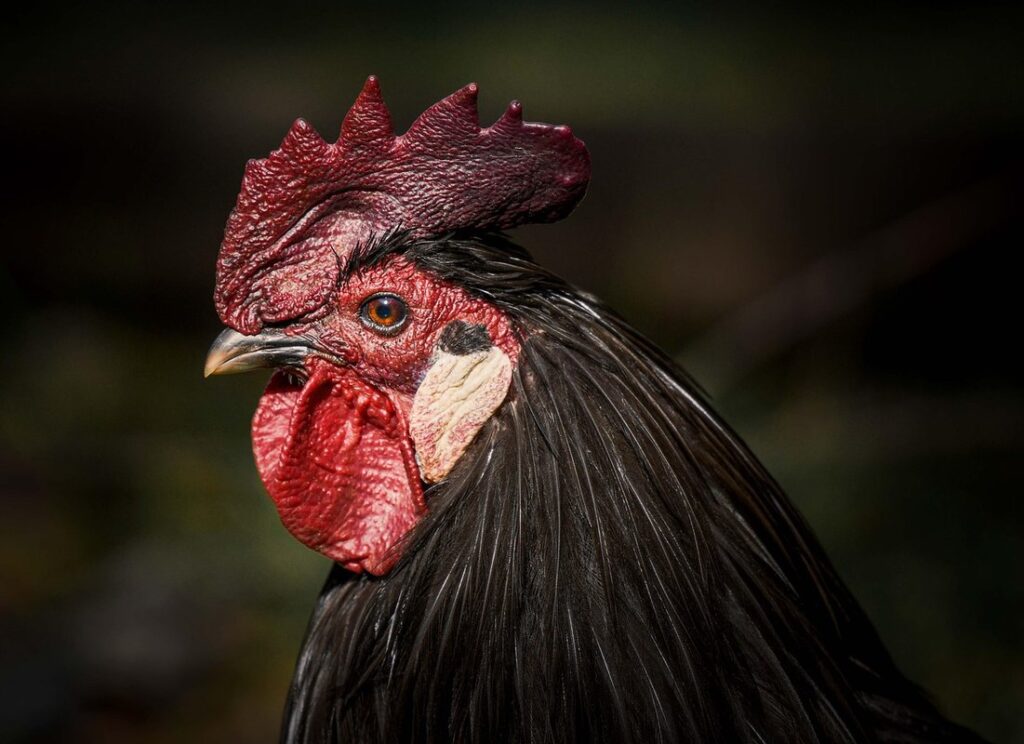
When it comes to distinguishing hens from roosters, their physical characteristics are a great place to start. Let’s take a closer look at some key differences in plumage, size, and overall appearance.
Egg-Laying Ability in Hens
When it comes to egg-laying ability in hens, several unique characteristics come into play. The reproductive organs of hens are specifically designed for this purpose. The most notable organ is the ovaries, which produce eggs that mature and grow inside the oviduct before being released from the hen’s body.
Hormonal influences also play a crucial role in egg laying. Estrogen levels in hens trigger the production of eggs, while progesterone regulates the menstrual cycle and ensures that only one yolk matures at a time. This balance is essential for maintaining optimal fertility and reproductive health in hens.
To encourage healthy egg-laying in your flock, it’s essential to provide a balanced diet rich in calcium, vitamins, and minerals. Adequate light exposure and sufficient nesting space are also vital for maintaining the hormonal balance necessary for egg production. Regular health checks can help identify any issues that may affect reproductive function, ensuring your hens remain healthy and productive throughout their lives.
In a typical flock of 10-15 birds, you can expect 6-8 eggs per day from mature hens, assuming optimal conditions and care.
Sex-Linked Traits in Roosters
When it comes to identifying sex-linked traits in roosters, one key area of difference is plumage coloration. In many breeds, males will display a specific pattern of feathers or colors that set them apart from females. For example, some breeds exhibit a genetic trait known as “sex-linking,” where hens are one color and roosters are another. This can be seen in the Silkie breed, where hens have black plumage with white tips, while males are solid white.
Another notable difference is comb size. Roosters typically possess larger combs than hens, which can make them more visible during crowing or courtship displays. Spurs also serve as a distinguishing feature between males and females. While most roosters grow sharp spurs on their legs for fighting and mating purposes, hens usually lack this trait.
To identify sex-linked traits in your own flock, keep an eye out for these physical characteristics. Observe the plumage patterns of young chickens to determine if they will display the sex-linked trait as they mature. Regularly inspecting your birds’ combs and spurs can also help you recognize the differences between males and females.
Body Size and Weight Differences
When it comes to physical characteristics, one of the most noticeable differences between hens and roosters is their body size and weight. On average, a mature rooster weighs around 2-3 pounds (0.9-1.4 kg) more than an adult hen, with some breeds reaching up to 5 pounds (2.3 kg) or more.
Hens typically weigh between 3-6 pounds (1.4-2.7 kg), depending on the breed and size. For example, a Leghorn hen weighs around 3.9 pounds (1.8 kg) compared to a rooster’s 5.5 pounds (2.5 kg). This difference in weight is due to the larger size of the roosters’ skeletal structure, muscle mass, and plumage.
It’s essential to note that these are general guidelines, and individual birds may vary depending on factors like genetics, nutrition, and overall health. However, by paying attention to body size and weight differences, you can better identify whether a bird is male or female, particularly during the early stages of their development.
Behavioral Differences Between Hens and Roosters
One of the most noticeable differences between hens and roosters is their behavior, which can often give away their identity. From aggression to attention-seeking, learn how to tell them apart based on their actions.
Dominance Hierarchies in Flocks
When it comes to establishing dominance within a flock, roosters have some tricks up their sleeves. As social birds, chickens form a hierarchical structure where individuals compete for status and resources. Roosters are at the top of this hierarchy, and they assert their dominance through various displays.
Displays of aggression, such as crowing loudly or flapping wings, help roosters establish their authority within the flock. They may also engage in courtship behaviors like strutting, preening, or giving gentle pecks to subordinate hens. These actions signal to other birds that they are dominant and should be respected.
However, it’s essential to note that not all roosters are aggressive, and some may even exhibit submissive behavior around certain hens. By understanding these displays of dominance, you can better appreciate the complex social dynamics within your flock. If you’re a backyard chicken keeper, recognizing these behaviors can help you manage conflicts and maintain a harmonious coop environment.
Nesting and Broody Behavior in Hens
When it comes to nesting habits, hens are unique creatures with specific preferences when it comes to laying eggs and raising their young. Unlike roosters, which are often more assertive and attention-seeking, hens tend to favor quiet, secluded areas for these activities.
In the wild, hens typically choose nesting sites that offer protection from predators and harsh weather conditions. This can range from thick vegetation to hidden crevices in rocks or trees. Domesticated hens may not have access to such natural habitats, but they still exhibit a strong instinct to find quiet, sheltered areas for their nests.
If you’re raising chickens, it’s essential to provide your hens with suitable nesting boxes that meet their needs. These should be located in a quiet area of the coop, away from drafts and potential predators. A good rule of thumb is to provide one nesting box per 3-4 hens, and ensure they are at least 12 inches wide, 18 inches deep, and have an easy-to-access entrance.
By understanding and catering to your hens’ nesting preferences, you can promote healthy egg-laying habits and reduce stress in the flock.
Rooster Courtship and Mating Rituals
When it comes to attracting females, roosters have evolved some impressive and entertaining courtship rituals. One of the most distinctive characteristics of roosters is their vocalizations. They will often let out loud crowing sounds, which can be heard from far away, to announce their presence and attract potential mates. This is not just a random noise – research has shown that different crowing patterns can signal different aspects of a male’s quality, such as age, health, and genetic fitness.
In addition to vocalizations, roosters will also engage in elaborate displays of strutting, fanning, and preening. They may spread their tails, puff out their chests, or shake their feathers to showcase their vibrant plumage. This is often accompanied by intricate footwork, such as pacing back and forth, jumping up onto perches, or even doing little “dances” in front of the female.
To encourage this behavior in your rooster, make sure he has a stimulating environment with plenty of space to move around. Provide him with toys, perches, and scratching posts to keep his mind engaged. You can also try offering treats or rewards during courtship displays to reinforce desired behaviors. By creating an optimal living situation and encouraging natural behavior, you may be able to coax your rooster into more frequent and impressive displays of his mating rituals.
Health and Nutrition Considerations for Hens and Roosters
When it comes to caring for your chickens, you’ll want to consider their specific health needs – hens and roosters have some key differences when it comes to nutrition.
Nutritional Requirements for Each Sex
When it comes to nutritional requirements, hens and roosters have different needs that are often overlooked. Hens require more calcium to support strong eggshell production, which can be met by feeding oyster shells or crushed eggshells as a supplement. They also need adequate vitamin D3, which can be achieved through sunlight exposure or fortified feed.
On the other hand, roosters require more protein-rich foods like mealworms or crickets to build and maintain their strength and muscle mass. Roosters are also more prone to kidney stones due to high levels of uric acid, so it’s essential to provide them with a balanced diet that includes fruits and vegetables to help flush out toxins.
In general, both hens and roosters benefit from a varied and nutrient-rich diet that includes fresh fruits and vegetables. It’s recommended to limit or avoid foods high in sugar and salt, as well as feed pellets that contain fillers like corn or wheat. Instead, opt for premium pelleted feeds made with wholesome ingredients like oats, barley, and peas.
A good starting point is to consult with a veterinarian or poultry expert to determine the best diet for your specific birds based on their age, breed, and individual needs. This will help ensure they receive all the necessary nutrients for optimal health and longevity.
Common Health Issues in Backyard Flocks
Both hens and roosters can be susceptible to various health issues that can impact their well-being and productivity. One common problem is respiratory issues, which can be caused by dust, dry air, or viral infections like Newcastle disease. Keep an eye out for symptoms such as coughing, sneezing, or labored breathing.
Parasites are another concern in backyard flocks. Mites, lice, and ticks can infest both hens and roosters, leading to discomfort, skin lesions, and even the transmission of diseases like Marek’s. Regular checks for signs of parasite infestation, such as excessive scratching or pecking at the feathers around vents or tail areas, are essential.
Diseases like Marek’s, a viral condition causing immunosuppression, muscle paralysis, and swelling of lymphoid organs, can be particularly devastating to backyard flocks. Vaccination is one way to protect against this disease, but it’s also crucial to maintain clean living conditions, provide a balanced diet, and monitor your flock regularly for any signs of illness.
Keep in mind that Marek’s virus is often asymptomatic in younger birds, making early detection challenging. Regular health checks can help you identify potential issues before they become major problems.
Sex-Specific Health Concerns
When it comes to sex-specific health concerns, it’s essential to acknowledge that hens and roosters have distinct needs. Hens are more prone to reproductive disorders due to egg-laying, which can lead to issues like oviduct prolapse or reproductive tract infections. To mitigate this risk, ensure your hen has access to a clean, spacious environment with adequate ventilation.
Roosters, on the other hand, may engage in aggressive behavior, particularly during mating season. This can result in injuries to both themselves and their flock members. Identify and separate aggressive roosters from the rest of the flock to prevent such incidents.
Additionally, hens are more likely to develop wing feather pecking due to stress or boredom. Provide a balanced diet rich in nutrients, as well as opportunities for exercise and mental stimulation through enrichment activities. Regularly monitor your flock’s behavior and take prompt action if you notice any signs of aggression or abnormal behavior.
A healthy, happy flock is crucial for overall well-being. By being aware of these sex-specific health concerns, you can create an environment that promotes the health and happiness of both hens and roosters.
Breeding and Raising Hens and Roosters
If you’re planning to raise chickens, understanding the differences between hens and roosters is crucial for breeding and raising healthy birds. Let’s dive into how to breed and raise these essential farm animals successfully.
Selecting Healthy Chickens for Breeding
When it comes to selecting healthy chickens for breeding purposes, genetics and pedigree play a significant role. You want to choose birds that not only exhibit desirable traits but also have a strong genetic foundation to ensure the health and quality of their offspring.
Start by evaluating the overall health and condition of the chicken. Look for signs of good nutrition, such as well-maintained feathers, bright eyes, and a robust build. Check for any visible defects or injuries that could impact breeding performance. It’s also essential to check for genetic disorders common in specific breeds, such as Marek’s disease in Leghorns.
Consider the pedigree of the chicken you’re interested in breeding from. A well-documented family tree can help you identify desirable traits and potential health issues. Look for breeders who prioritize genetics and have a reputation for producing high-quality birds. When evaluating a bird’s genetics, consider its ancestry, linebreeding, and outcrossing to ensure genetic diversity.
By carefully selecting healthy chickens with desirable traits, you’ll be able to breed birds that thrive in your flock and pass on their excellent qualities to future generations.
Sex Ratios in Flocks and Their Impact
Maintaining a balanced sex ratio in your backyard flock is crucial for promoting social harmony and preventing aggression among birds. A general rule of thumb is to have at least one rooster per 10 hens, but this can vary depending on the breed and size of your flock.
Having too many roosters in a small flock can lead to intense competition for dominance, resulting in stress, injuries, and even death. This is especially true if you’re raising smaller breeds like Silkies or Polish, which are known for their docile nature but can still be territorial when over-male’d. On the other hand, having too many hens with no roosters can lead to a lack of breeding and egg production.
To maintain a balanced sex ratio, make sure to have at least one rooster per 10-12 hens. You should also consider introducing new birds gradually, starting with males first and then adding females to the flock once the dominant male has established its hierarchy.
Tips for Raising Orphaned Chicks or Pullets
Caring for young chickens is an essential part of raising healthy hens and roosters. If you’ve recently taken in orphaned chicks or pullets, it’s crucial to provide them with a nurturing environment that promotes growth and development.
When it comes to feeding, make sure the chicks have access to starter feed within 24 hours of arrival. This specialized feed provides the necessary nutrients for rapid growth and development. For pullets, you can introduce layer feed around 16-18 weeks of age when they start showing signs of egg production.
Housing is also a vital aspect of their care. Ensure the coop is well-ventilated, draft-free, and kept at a comfortable temperature between 40°F to 80°F (4°C to 27°C). Provide enough space for the chicks to roam around, stretch their wings, and engage in natural behaviors.
Socialization plays a significant role in shaping their personalities. Introduce them to adult birds gradually, allowing them to observe and interact at their own pace. This helps prevent stressing or bullying the young birds. By following these tips, you can help your orphaned chicks or pullets thrive and become healthy, happy hens and roosters.
Frequently Asked Questions
Can I raise both hens and roosters together, or do they require separate housing?
Yes, it’s possible to keep both hens and roosters together, but you’ll need to consider their individual needs and personalities. Roosters can be quite dominant, so introducing them to a flock of hens requires careful planning. Start by integrating the rooster into an existing flock or introducing him to one hen at a time to ensure a smooth transition.
How can I identify potential health issues in my backyard flock?
Regular observation is key to identifying potential health issues in your flock. Monitor their behavior, appetite, and droppings for any signs of illness. Keep a close eye on hens’ egg-laying habits, as irregularities can indicate underlying health problems. Consult with a veterinarian experienced in treating backyard flocks if you notice any unusual symptoms.
Can I breed my own chickens, or should I purchase chicks from a reputable supplier?
Breeding your own chickens requires careful planning and expertise to ensure healthy and well-bred offspring. If you’re new to chicken-keeping, it’s often more practical to start with purchased chicks from a reputable supplier. This will give you access to a wider range of breeds and reduce the risk of genetic disorders in your flock.
How do I handle a rooster that becomes aggressive towards humans or other birds?
If a rooster becomes aggressive, remove him from the flock immediately to prevent injury to yourself or other birds. Consult with a veterinarian to rule out any underlying health issues contributing to his behavior. Consider rehoming the rooster or seeking professional help if you’re unsure how to manage the situation.
What’s the ideal sex ratio for a backyard flock, and how does it impact egg production?
The ideal sex ratio varies depending on your specific needs and goals. For small flocks (less than 10 birds), an even split between hens and roosters can promote harmony and socialization within the flock. However, for larger flocks, having more hens (3-5 times as many) can optimize egg production while minimizing conflicts.