
If you’re a backyard chicken keeper, chances are you’ve experienced the loud crowing of your rooster in the middle of the night. But have you ever wondered why this happens? You might find yourself waking up to the sound of cock-a-doodle-doo at 2 am, wondering if there’s something wrong with your feathered friend or if it’s just a natural behavior.
The good news is that roosters crowing at night isn’t always a cause for concern. In fact, understanding why this happens can help you manage their behavior and create a more harmonious household. Factors like breed, hormones, and environmental influences all play a role in the timing of your rooster’s morning (or midnight) concerts. This article will explore these factors and provide tips on how to minimize disruptions while keeping the benefits of owning a rooster intact.
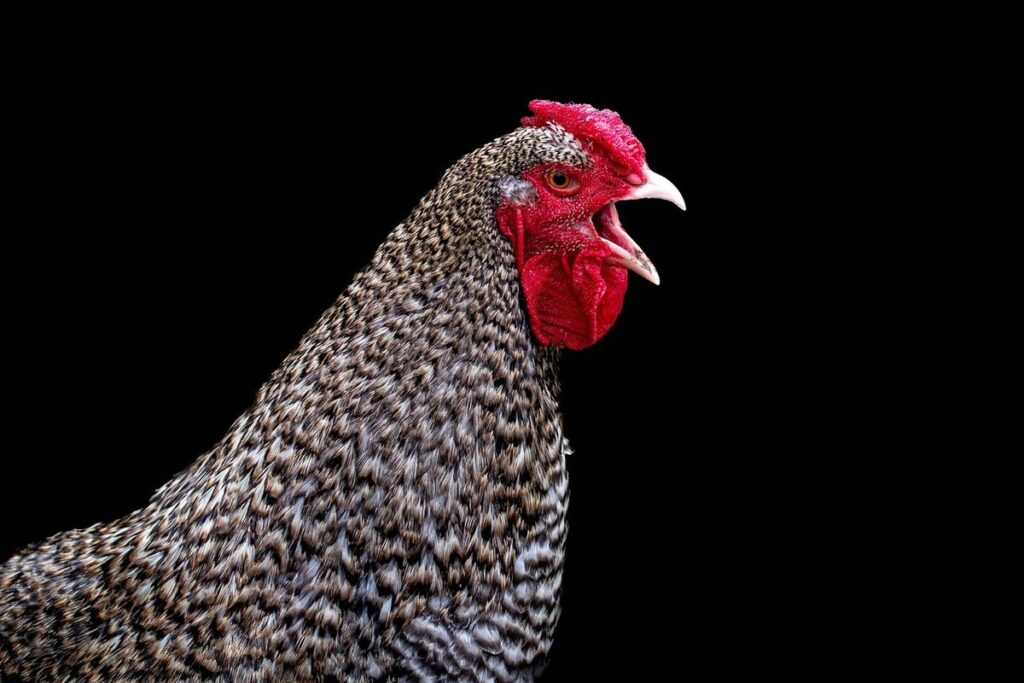
The Importance of Understanding Rooster Behavior
Understanding rooster behavior is crucial to addressing nighttime crowing, as their vocal habits are often a reflection of their natural instincts and emotional states. Let’s explore what drives this nocturnal noise-making.
What is Normal Rooster Behavior?
A healthy rooster’s behavior is characterized by its unique crowing patterns and sounds. Roosters typically crow at sunrise to announce the start of a new day, but they may also vocalize during other periods if stimulated by external factors such as predators or potential mates.
Crowing frequency can vary depending on individual bird characteristics and environmental conditions. A normal rooster might crow 5-10 times per hour, with intervals ranging from minutes to hours between each call. Changes in volume, tone, or duration of crows may indicate health issues or stress. For instance, a loud or persistent crowing pattern could signal pain or discomfort.
Recognizing and responding to your rooster’s normal behavior is crucial for identifying potential problems early on. By familiarizing yourself with its typical sounds and patterns, you can better detect any deviations that might suggest underlying health concerns. To establish a baseline understanding of your rooster’s behavior, spend time observing it during regular periods of activity.
Factors Influencing Rooster Crowing Patterns
A rooster’s crowing pattern can vary significantly depending on several factors. For instance, different breeds have unique characteristics when it comes to crowing. Some breeds are known for their early morning crows, while others tend to crow later in the day or even at night.
Age is another crucial factor influencing a rooster’s crowing habits. Juvenile roosters may not crow as frequently as mature ones, and their calls might sound more like chirps or whistles rather than deep, throaty crows. As they mature, their crows become louder and more distinct. Environmental conditions also play a significant role in determining when and how often a rooster will crow.
For example, roosters living in areas with limited daylight during the winter months may adjust their crowing schedule accordingly, crowing earlier in the day or even at night to compensate for the reduced light. Similarly, roosters exposed to constant noise pollution from nearby human activities might alter their crows to stand out above the din.
By understanding these factors and tailoring your approach to a specific rooster’s needs, you can better predict when it will crow – including at night.
Red Flags for Abnormal Rooster Behavior
As you work with your rooster, it’s essential to be aware of potential warning signs that may indicate abnormal behavior. Excessive or erratic crowing is often one of the first indicators that something is amiss. If your rooster starts crowing at unusual times, such as during the day when he’s usually quiet, or if his crows become louder and more frequent than usual, it could be a sign that he’s experiencing stress or anxiety.
Another red flag to watch out for is changes in your rooster’s vocal pattern. If he starts making strange sounds, like grunting, growling, or even screaming, it’s likely an indication of discomfort or pain. For example, if you notice your rooster crowing more frequently after a new addition to the flock or a change in his environment, it could be a sign that he’s feeling stressed or threatened.
If you’re concerned about your rooster’s behavior, look for changes in his overall demeanor and daily routine. Does he seem less interested in food, water, or social interaction? These can all be signs of underlying issues that need to be addressed. By recognizing these red flags early on, you can take steps to provide a more comfortable and stress-free environment for your rooster, potentially even reducing the frequency and timing of his nighttime crowing.
The Biology Behind Rooster Crowing
So, you’re wondering what makes a rooster crow at night? Let’s dive into the fascinating biology behind their morning and evening vocalizations.
Hormonal Influences on Rooster Crowing
Roosters crowing behavior is heavily influenced by hormonal fluctuations, particularly testosterone levels. Testosterone is responsible for stimulating a rooster’s vocal cords and promoting loud, clear crows. In fact, studies have shown that castrated roosters, which have been surgically sterilized to eliminate testosterone production, exhibit significantly reduced crowing behavior.
As the day progresses, a rooster’s testosterone levels typically peak in the morning, coinciding with the onset of daylight. This surge in hormones triggers an increase in vocal activity, including crowing. However, by evening, testosterone levels often dip, leading to a decrease in crowing frequency and intensity. This natural fluctuation can cause some roosters to become more vocal at night, especially if they’re feeling anxious or stressed about potential threats.
To manage nighttime crowing, consider maintaining a consistent daily routine for your rooster, including regular feeding times and adequate light exposure. This can help regulate his hormonal balance and reduce the likelihood of excessive nocturnal vocalization.
Brain Structure and Function
When it comes to crowing at night, understanding the brain structure and function of roosters is crucial. The neural mechanisms that control a rooster’s ability to produce sound are quite complex, but essentially involve the coordination of several brain regions.
The primary source of a rooster’s crowing sound is produced in the syrinx, which is located at the base of the trachea and bronchi in birds. However, this area is not under voluntary control; rather, it’s controlled by the brainstem, specifically the medulla oblongata and pons. These regions receive signals from higher brain areas, such as the hypothalamus and amygdala, which are responsible for processing emotions and hormonal changes.
When a rooster perceives its environment as suitable for crowing – be it dawn or dusk, or even nighttime – these brain regions send signals to the syrinx, initiating the vocalization process. This complex interplay between brain areas allows roosters to produce their signature sounds, including crowing at night.
Why Do Roosters Crow at Night Specifically?
You might be wondering, do roosters crow randomly throughout the night, or is there a specific reason behind their nighttime serenades, like a routine or instinctual behavior.
Evolutionary Advantages of Nocturnal Crowing
In natural environments, birds have evolved unique behaviors to ensure survival and thrive. Nocturnal crowing by roosters may serve several evolutionary advantages that enhance their chances of success. One potential benefit is increased alertness during the night hours when predators are most active. By being vocal at night, a rooster can remain vigilant and warn other members of its flock about potential threats.
Nocturnal crowing also facilitates communication with other birds. In the wild, birds often rely on auditory cues to navigate their surroundings, especially in low-light conditions. A rooster’s nighttime crowing may help it establish dominance or warn off competitors within its territory. This form of communication is particularly important for roosters as they compete for mating rights and defend their territories.
Some studies have shown that nocturnal crowing can be a learned behavior, with young birds observing and imitating older, more experienced individuals. By incorporating nighttime vocalizations into your rooster’s routine, you may be able to encourage this natural behavior and promote overall health and well-being.
Alternative Explanations for Nocturnal Crowing
One possible reason for nocturnal crowing is the lack of natural light. Roosters rely on daylight to regulate their circadian rhythms, and without it, they may feel disoriented and crow as a way to adjust to the new environment. This theory is supported by research showing that many farm animals, including roosters, exhibit abnormal behavior when kept in artificial lighting conditions.
Another explanation for nighttime crowing is social stimulation or lack thereof. Roosters are highly social birds that thrive on interaction with their flock members. If they’re isolated from the rest of the flock at night, they may feel anxious and restless, leading to crowing as a way to express themselves. This can be especially true in small backyard flocks where roosters may not have enough space or companionship.
Some farmers and owners report that providing additional light sources or enrichments, such as toys or perches, helps reduce nighttime crowing. By mimicking natural daylight and social interaction, you can help your rooster feel more comfortable and reduce the likelihood of nocturnal crowing.
The Impact on Farmers and Backyard Chicken Keepers
For many backyard chicken keepers, a rooster’s nighttime crowing can be a source of frustration, especially if it disrupts sleep patterns and daily routines. We’ll explore how this behavior affects these groups.
Challenges and Benefits for Small-Scale Rooster Keepers
Keeping roosters in backyard settings can be a double-edged sword for small-scale farmers and chicken keepers. On one hand, these birds are excellent at keeping pests under control. Roosters have a keen eye for detecting snakes, rodents, and other potential threats to the flock. They will loudly alert the rest of the chickens if they spot something suspicious, providing an early warning system that’s invaluable in protecting your flock.
However, there’s also the issue of noise levels to consider. Roosters are notorious for their crowing, which can be a problem for those living in close proximity to neighbors or in areas with noise restrictions. A single rooster can produce up to 50-100 loud calls per hour, especially during the night when they’re most active. To mitigate this issue, you might consider separating your rooster from the rest of the flock at night using a covered run or coop extension. This way, he’ll still be able to perform his duties without disturbing others.
Large-Scale Rooster Operations: Crowing Patterns and Management Strategies
Managing large-scale rooster populations can be a complex task, especially when it comes to minimizing nocturnal crowing disruptions. For farmers with hundreds or even thousands of birds, the impact of roosters crowing at night can be significant. To mitigate this issue, some farms have implemented innovative strategies.
One approach is to separate roosters from hens at sundown, ensuring that roosters are not present in areas where hens will be roosting for the night. This simple measure can significantly reduce nighttime crowing. Another strategy involves creating a designated “rooster zone” within the farm, where these birds can be kept separate from the main flock.
Some farms have also experimented with introducing lighting systems that suppress melatonin production in chickens, thereby reducing their natural urge to crow at night. By manipulating the lighting conditions and separating roosters, large-scale farmers can effectively manage nocturnal crowing disruptions, maintaining a more peaceful environment for both humans and animals.
Tips for Managing Nocturnal Rooster Crowing
If your rooster’s nighttime crowing is driving you crazy, don’t worry, we’ve got some practical tips to help you manage this annoying issue. You’ll learn how to train your rooster to crow less at night.
Environmental Modifications to Reduce Crowing Disturbances
If you’re tired of being woken up by your rooster’s midnight concerts, it’s time to think about making some environmental modifications to reduce or eliminate nocturnal crowing. One simple yet effective solution is to block the rooster’s view of the surrounding area. Roosters often crow in response to seeing other animals or movement outside their coop. By covering any windows or installing curtains that allow you to control the amount of light and visibility, you can break this visual stimulus.
Another approach is to create a distraction-free zone for your rooster by placing its bedding material such as straw or hay at the far end of the coop. Roosters are naturally curious creatures and may be drawn to investigate new sights and sounds. By placing their favorite bedding away from their sleeping area, you can redirect their attention.
You can also try rearranging the layout of your coop to make it more difficult for your rooster to see outside. Move any feeders or water containers closer to the rooster’s sleeping area, so they’re focused on eating and drinking rather than looking out the window. By making a few simple changes to your rooster’s environment, you can help reduce or even eliminate nocturnal crowing.
Alternative Methods for Controlling Rooster Behavior
If you’re struggling to manage your rooster’s nocturnal crowing and don’t want to resort to earplugs or early morning wake-up calls, there are alternative methods for controlling his behavior. Training and behavioral modification techniques can be effective in curbing unwanted midnight serenades.
One approach is to address the underlying causes of excessive crowing, such as boredom or lack of stimulation. This can involve enriching your rooster’s environment by providing toys, scratching posts, and perches to keep him occupied during the day. Regular exercise, such as short flights around the coop, can also help burn off excess energy.
Another technique is to establish a consistent daily routine that includes regular feeding times, social interaction, and gentle handling to reduce stress. This can be especially helpful for roosters that are prone to crowing due to anxiety or excitement. By modifying his behavior through positive reinforcement techniques, you may find that your rooster’s midnight concerts become less frequent over time.
Conclusion: Understanding and Addressing Nocturnal Rooster Crowing
Now that we’ve explored the possible reasons behind nocturnal rooster crowing, it’s time to wrap up our discussion with some practical advice on how to address this issue.
Recap of Key Points and Takeaways
In reviewing our discussion on nocturnal rooster crowing, several key points have emerged that provide insight into this complex behavior. As we’ve explored the possible causes of night-time crowing, it’s clear that a combination of factors contributes to this issue.
Firstly, understanding the natural instinct of roosters to crow at dawn is crucial in addressing nocturnal crowing. These birds are wired to signal the start of a new day with their distinctive call, which can become repetitive and loud if left unaddressed. This repetitive behavior can be triggered by various factors, including changes in lighting, social interactions within the flock, or even environmental stressors.
Another critical point is the importance of proper rooster management. Ensuring that your rooster has adequate space, nutrition, and mental stimulation can significantly reduce the likelihood of night-time crowing. Regular exercise and a balanced diet are essential for maintaining the physical and mental health of these birds.
It’s also worth noting that some breeds are more prone to nocturnal crowing than others due to their genetic makeup or breeding history. Research has shown that certain breeds exhibit more frequent crowing at night, which can be a result of selective breeding for specific traits.
To address this issue effectively, consider implementing the following strategies:
* Provide a secure and comfortable coop with adequate space for your rooster
* Establish a regular routine for feeding, exercise, and social interaction
* Consider separating your rooster from the rest of the flock if necessary to prevent stress-related crowing
* Monitor your rooster’s behavior and adjust its environment accordingly
* If persistent issues arise, consult with an expert or consider rehoming your rooster.
Frequently Asked Questions
Can I stop my rooster from crowing at night entirely?
Conveniently, you can try using an anti-crow device or white noise machine to mask the sound of your rooster’s midnight concert. These devices work by producing a constant, soothing background noise that helps distract your rooster and reduce its vocalization.
What if I live in a densely populated area with strict noise ordinances?
If you’re worried about disturbing your neighbors or facing potential fines for excessive noise, consider relocating your coop to a less populated area. Alternatively, look into local regulations regarding backyard chickens and see if there are any specific guidelines for managing rooster behavior.
How can I determine if my rooster’s nighttime crowing is due to an underlying health issue?
If you suspect that your rooster’s nocturnal noise-making might be related to a medical concern, such as pain or discomfort, try observing its behavior during the day. Do they seem more energetic and vocal when they’re feeling well? If so, it could indicate that there’s no underlying health issue driving their nighttime crowing.
Can I use hormones to control my rooster’s crowing patterns?
While some farmers have experimented with hormone therapy to regulate rooster behavior, this approach is not recommended for backyard chicken keepers. Hormone manipulation can have unintended consequences and may even lead to adverse effects on your birds’ health.
What if my rooster continues to crow at night despite implementing environmental modifications?
If you’ve tried adjusting the lighting, noise levels, or space in your coop but still notice persistent nighttime crowing, consider consulting with a poultry expert or veterinarian for personalized guidance. They can help you identify underlying factors and develop targeted strategies to address the issue.