
Blue quails have always been a source of fascination for bird enthusiasts, with their striking appearance and intriguing habits. These remarkable birds have caught the attention of many, but do you know much about them? From their vibrant blue plumage to their unique habitat range, there’s more to blue quails than meets the eye. Unfortunately, these incredible creatures face numerous threats in their natural habitats, including deforestation and climate change, which has put their conservation status at risk. In this article, we’ll delve into the fascinating world of blue quails, exploring their physical characteristics, habitat range, and conservation efforts to protect them. We’ll examine the current state of these remarkable birds and discuss what can be done to ensure their survival for generations to come.
Introduction to Blue Quails
Let’s dive into what makes blue quails so fascinating, and get a better understanding of their natural habitats and behaviors. We’ll start by exploring their unique characteristics.
Physical Characteristics of Blue Quails
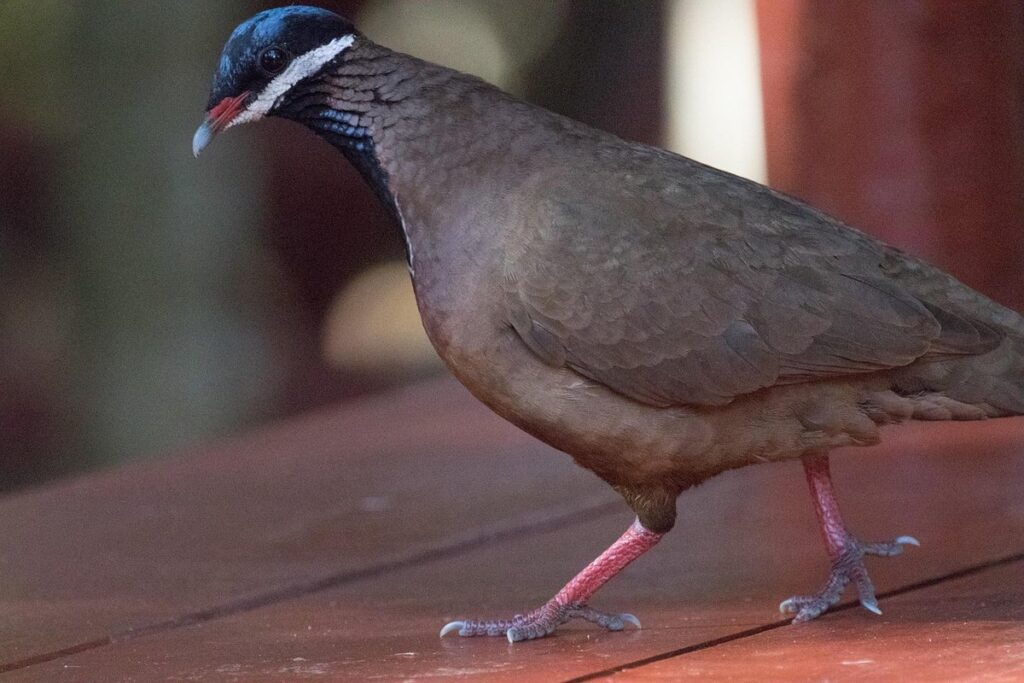
One of the most striking features of blue quails is their vibrant plumage, which sets them apart from other quail species. The male blue quail’s feathers are a stunning shade of indigo-blue, with a subtle purple sheen that catches the light. In contrast, the female blue quail has a more subdued grey-brown coloration, with hints of blue on her wings and tail.
In terms of beak shape, blue quails have a distinctive short and stout bill that is well-suited to their ground-dwelling lifestyle. Their strong, chisel-like beaks are perfect for cracking open seeds and grains, which make up the bulk of their diet.
Another notable feature of blue quails is their leg color, which is typically a deep reddish-pink hue. This striking coloration serves as a visual signal to potential mates and rivals alike, highlighting the bird’s overall health and fitness.
Overall, the physical characteristics of blue quails are a testament to their adaptability and resilience in a variety of environments.
Distribution and Habitat Range
The blue quail is a widely distributed species found across various regions of Asia and Southeast Asia. Their geographic range spans across China, India, Indonesia, Malaysia, the Philippines, Sri Lanka, Taiwan, and Thailand. They inhabit a variety of habitats, including tropical rainforests, savannas, grasslands, and cultivated lands.
In terms of specific regions, blue quails are commonly found in the Indian subcontinent, particularly in the states of Maharashtra, Gujarat, and Rajasthan in India. They also inhabit parts of Southeast Asia, including Indonesia’s Java Island and Malaysia’s Peninsula region. These birds tend to avoid dense forests but can be found in areas with scattered trees or scrublands.
It’s worth noting that while blue quails are widely distributed, their populations vary greatly across different regions due to factors such as habitat loss and degradation, hunting, and climate change. As a result, conservation efforts are necessary to protect this species and its habitats. If you’re planning a trip to an area where blue quails are known to inhabit, it’s essential to be mindful of local regulations and guidelines for birdwatching or wildlife observation.
Life Cycle and Behavior of Blue Quails
Let’s take a closer look at how blue quails live their lives, from hatching to maturity, and uncover the fascinating patterns that emerge as they grow and thrive.
Breeding Habits and Nesting Sites
In their natural environments, blue quails exhibit fascinating breeding habits and nesting sites. When it comes to mating rituals, male blue quails engage in a series of courtship displays to attract females, including singing, dancing, and displaying their plumage. This elaborate display helps to establish dominance and secure a mate.
Once paired, female blue quails typically lay 2-4 eggs per clutch, which are then incubated for approximately 14 days. During this time, the male takes on primary parental care duties, including guarding the nest and bringing food back to his mate. This shared responsibility is crucial in ensuring the survival of their young.
In terms of nesting sites, blue quails often choose dense vegetation or shrublands with low-lying cover, providing them with protection from predators. Female blue quails are meticulous about selecting a suitable site, often revisiting potential nests before finalizing their choice. By understanding these intricate breeding habits and nesting behaviors, we can gain valuable insights into the conservation needs of this remarkable species.
Foraging Behavior and Dietary Needs
As you delve into the fascinating world of blue quails, it’s essential to understand their foraging behavior and dietary needs. These birds are primarily seed-eaters, with a significant portion of their diet consisting of grass seeds, wheat, and oats. They also consume various insects, including beetles, ants, and grasshoppers, which provide them with essential protein.
In the wild, blue quails require access to clean water sources for drinking and bathing. A study on the water requirements of blue quails found that they need a minimum of 1-2 inches of rainfall or irrigation per week to sustain themselves during dry periods. When foraging, blue quails tend to follow established paths, often returning to the same feeding grounds daily.
To attract blue quails to your backyard or wildlife area, consider providing them with seed-bearing plants and shrubs that are native to their habitat. You can also create a shallow water source, such as a birdbath or small pond, to provide them with a reliable water supply.
Blue Quail Conservation Status
The blue quail’s conservation status is a pressing concern, and it’s essential to understand its current standing as we explore ways to protect this beautiful bird. We’ll delve into the details of their conservation status below.
Threats to Blue Quail Populations
The blue quail’s population is facing numerous threats that require immediate attention to ensure their survival. Habitat loss and fragmentation are significant concerns, as their natural habitats are being converted into agricultural land, urban areas, and infrastructure development projects. The loss of suitable breeding and foraging grounds has left many blue quails without a safe haven, making them more vulnerable to predators and harsh environmental conditions.
Hunting is another major threat to blue quail populations. They are often hunted for their meat, and their eggs are also sought after by collectors. Unregulated hunting practices have led to a significant decline in their numbers, particularly in countries where conservation efforts are lacking. Climate change is also having a profound impact on the blue quail’s habitat, as changing temperatures and precipitation patterns disrupt their food supply and breeding cycles.
These interconnected threats highlight the need for concerted conservation efforts to protect the blue quail population. By addressing these issues, we can help mitigate the decline of this species and ensure its long-term survival.
Conservation Efforts and Protected Areas
Efforts to protect the blue quail and its habitat are underway through various conservation initiatives. The establishment of wildlife reserves and national parks has provided crucial habitats for the species. For example, the Okavango Delta in Botswana is a key breeding ground for the blue quail. National parks like Etosha in Namibia and Kruger in South Africa also offer protected areas for the species to thrive.
Species-specific conservation programs are also being implemented to safeguard the blue quail’s survival. The Blue Quail Conservation Program, launched by the African Wildlife Foundation, focuses on habitat preservation, research, and community engagement. Another example is the Blue Quail Recovery Project, which aims to reintroduce captive-bred birds into the wild.
Visitors can support conservation efforts by visiting these protected areas and contributing to organizations working towards blue quail conservation. For instance, tourists can participate in guided bird-watching tours that promote eco-tourism and fund conservation projects. By supporting conservation initiatives and spreading awareness about the plight of the blue quail, we can work together towards its survival.
Blue Quail in Culture and History
Blue quail have been woven into the fabric of cultures around the world, their images adorning artwork, literature, and even currency. Let’s explore their captivating presence in art, folklore, and traditions.
Symbolism and Cultural Significance
In many cultures around the world, blue quails hold significant symbolic meaning that transcends their physical appearance. For instance, in some African societies, the blue quail is seen as a symbol of fertility and abundance due to its striking blue plumage. In these communities, the bird’s arrival is often celebrated with festivities and rituals aimed at ensuring a bountiful harvest.
In other parts of the world, such as Asia and Europe, the blue quail has been revered for centuries as an omen of good fortune and prosperity. This is largely attributed to its habit of nesting in areas teeming with wildlife, which was often seen as a sign of a thriving ecosystem.
Interestingly, the blue quail’s symbolic significance extends beyond cultural practices to also include traditional medicine. In some societies, the bird’s feathers are believed to possess healing properties, while its eggs are used to treat various ailments.
Understanding and appreciating the symbolic meaning associated with blue quails can foster deeper respect for these birds and their habitats. This is particularly important in today’s conservation efforts where preserving biodiversity requires a nuanced understanding of the complex relationships between species and their environments.
Historical Accounts and Literary References
In many cultures, blue quails have captivated the imagination of writers, poets, and storytellers. One such example is found in Japanese literature, where the blue quail is often depicted as a symbol of good luck and prosperity. In the famous novel “The Tale of Genji,” written by Murasaki Shikibu in the 11th century, the blue quail is mentioned as a metaphor for the fleeting nature of life.
In Indian folklore, the blue quail is associated with the goddess Lakshmi, who is often depicted riding on its back. This mythological connection highlights the bird’s significance in Hindu mythology and culture. Similarly, in some African cultures, the blue quail is seen as a harbinger of rain, with its calls believed to signal impending storms.
These literary references not only showcase the cultural importance of the blue quail but also reflect the deep appreciation people have for these birds’ unique characteristics and behaviors.
Frequently Asked Questions
What can I do to help protect blue quail habitats from deforestation?
You can support organizations that work on reforestation efforts or donate to conservation groups focused on preserving wildlife habitats. Additionally, you can spread awareness about the importance of habitat preservation and its impact on blue quail populations. Every small action counts in making a positive difference.
How can I identify whether a bird is a male or female blue quail based on their physical characteristics?
You can determine the sex of a blue quail by looking at their plumage. Males have vibrant indigo-blue feathers with a subtle purple sheen, while females have more subdued grey-brown coloration with hints of blue on their wings and tail.
Are there any specific plants or trees that are crucial to the survival of blue quails in their natural habitats?
Blue quails rely heavily on certain plant species for food and shelter. They prefer areas with dense shrubs, grasslands, and open woodlands. Certain tree species like acacia and mimosa provide them with seeds, fruits, and leaves.
How can I contribute to blue quail conservation efforts if I’m not a professional bird enthusiast or scientist?
You can participate in citizen science projects that involve tracking blue quail populations, monitoring their habitats, or reporting any sightings. Your contributions will help researchers and conservationists better understand the needs of these incredible birds.
Can blue quails be kept as pets, and what are some essential considerations for doing so?
Blue quails are social animals and require specialized care. If you’re considering keeping them as pets, ensure you can provide a suitable enclosure with adequate space, proper ventilation, and a balanced diet. They also need regular interaction and socialization to thrive in captivity.