
Hatching season is finally here, and you’re eagerly waiting to see your precious eggs crack open and reveal adorable little chicks. But have you ever wondered how long it takes for those tiny beaks to emerge? The wait can be nerve-wracking, especially if you’re new to chicken keeping. As any seasoned poultry enthusiast will tell you, the length of time it takes for chicks to hatch is influenced by several factors, including breed, egg temperature, and incubation conditions.
In this article, we’ll take a closer look at the stages of embryonic development and provide you with clear insights into what signs indicate imminent hatching. We’ll also explore how to identify potential issues that might delay or even prevent successful hatching. From understanding the critical temperature range for egg development to recognizing the telltale signs of chicks preparing to pip, we’ve got you covered.
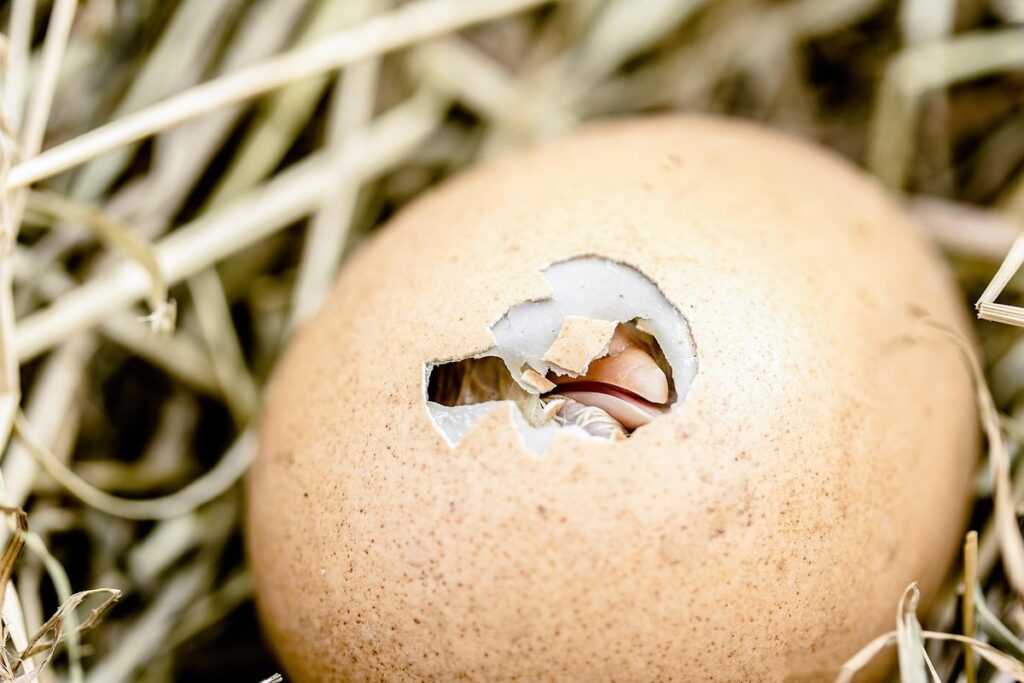
Understanding Incubation and Hatching Basics
Let’s dive into the basics of incubation and hatching, which will give you a solid understanding of how long it takes for chicks to hatch from their eggs.
Factors Affecting Hatching Time
When it comes to hatching time, several external factors can influence how long it takes for chicks to emerge from their eggs. One of the most significant factors is breed. Different breeds have varying levels of embryonic development, which affects the incubation period. For example, some large breeds like Orpingtons and Plymouth Rocks typically take around 24-26 days to hatch, while smaller breeds such as Leghorns can hatch in as little as 22 days.
Egg size is another critical factor, with larger eggs taking longer to hatch due to their increased weight and the longer time it takes for the chick to pip (break through the shell). In general, eggs weighing over 70 grams will take about 25-26 days to hatch. On the other hand, smaller eggs typically weigh less than 60 grams and can hatch in around 22-24 days.
Temperature and humidity also play significant roles in determining hatching time. Incubators must maintain a precise temperature between 99°F and 100°F (37°C to 38°C) with an optimal humidity level of 50-60%. If these conditions are not met, the chick’s development can be delayed or even terminated.
Handling eggs gently but regularly is also essential during incubation. Turning the eggs several times a day helps prevent the yolk from sticking to one side and promotes even heat distribution around the egg. While it may seem counterintuitive, over-handling eggs can cause stress to the embryo, leading to delayed hatching or failure.
To give you an idea of the impact these factors have on hatching time, let’s consider a real-world example: A farmer with Leghorn eggs weighing about 65 grams incubated them at 100°F (38°C) and 55% humidity. After turning the eggs gently but regularly, they began to hatch in just 22 days and 10 hours, while those not handled as carefully took an extra day or two to emerge.
In summary, breed, egg size, temperature, humidity, and handling all contribute to variations in hatching time. To maximize your chances of successful hatching, it’s essential to understand these factors and make adjustments accordingly.
Incubator Settings for Optimal Hatching
When it comes to incubation, the right settings can make all the difference for optimal hatching. The ideal environment varies depending on the type of eggs you’re working with – chicken, duck, or even turkey. For example, quail eggs require a slightly higher temperature than chicken eggs.
A consistent temperature is crucial throughout the incubation period. Aim for 99-100°F (37-38°C) for most chicken breeds, but some may require as low as 98°F (36.7°C). Humidity levels are also essential – maintaining a relative humidity of 50-60% will help prevent moisture buildup.
Maintaining consistent settings is vital. If you notice any variations in temperature or humidity, take immediate action to correct the issue. This could be as simple as adjusting the thermostat or adding more water to the humidistat.
Regular checks and monitoring your incubator’s performance can also save you from potential problems down the line. A good rule of thumb is to check the temperature every 2-3 hours during the first week, and once a day after that.
Remember, consistency in temperature and humidity levels ensures optimal hatching conditions.
Stages of Embryonic Development
As you wait for those precious eggs to hatch, it’s essential to understand the stages of embryonic development that take place inside each one. This process typically unfolds over a specific timeframe.
Fertilization to Morula Formation (Days 1-3)
The journey of a chick from fertilization to hatching is an incredible process that spans several days. Let’s dive into the initial stages of embryonic development, where it all begins.
Fertilization occurs when a sperm penetrates the egg yolk, resulting in the fusion of genetic material. This marks the beginning of life for the chick. As the fertilized egg cell undergoes rapid division, we enter the stage of cleavage. During this period, the embryo divides into multiple cells, increasing its size and complexity.
As cleavage progresses, the cells begin to compact, forming a morula (meaning “mulberry” in Latin). This is a crucial stage where the embryo’s cells start to organize themselves into distinct layers. The morula will eventually develop into the blastocyst, which contains the precursors for all tissues and organs of the chick.
The first three days are critical for proper development. Factors such as temperature, humidity, and nutritional content can impact this delicate process. Ensuring optimal conditions will set your chicks up for success. If you’re incubating eggs, maintain a precise temperature range (around 99-100°F) to facilitate healthy growth.
Blastoderm Expansion and Heartbeat Detection (Days 4-6)
During days 4-6 of incubation, the embryo undergoes significant growth and development. The blastoderm, a cluster of cells that formed on day 3, begins to expand rapidly. This process is crucial for the formation of vital organs and tissues necessary for the chick’s survival outside the egg.
As the blastoderm expands, it starts to take shape, with distinct regions forming for different parts of the embryo. The primitive streak, a narrow strip of cells, appears along the midline of the embryo, signaling the start of gastrulation – a critical process where cells begin to differentiate and migrate to their final positions.
Meanwhile, the embryonic heart starts to beat around day 5-6. This is an essential milestone in chick development, as it marks the beginning of blood circulation and oxygenation of vital organs. To confirm heartbeat detection, incubators with built-in monitoring systems or a candling setup can be used. A beating heart is visible as a dark or light spot moving within the embryo.
Organogenesis and Hatching Pips Formation (Days 7-10)
At this stage of embryonic development, which spans from days 7 to 10, the chick’s internal organs begin to take shape. Organogenesis is a critical process where the formation of vital organs such as the heart, lungs, and liver occurs. The embryo’s body starts to differentiate into distinct regions, with the head forming at one end and the tail at the other.
Meanwhile, the development of the beak, eyes, and ears also progresses rapidly. The eyes begin to take shape, while the eyelids start to form. This stage is marked by significant growth, as the embryo’s body lengthens, and its features become more defined.
Another important development at this stage is the formation of hatching pips. These small bumps on the eggshell indicate that the chick is getting ready to hatch. The pips are formed when the chick pushes against the shell with its beak, creating tiny cracks in the process. As hatching approaches, these pips will become more pronounced and may even crack open slightly, signaling that the chick is close to emergence.
Calculating Hatch Time Using Egg Weight and Breed
To calculate how long it’ll take for your chicks to hatch, you can use a simple formula that takes into account egg weight and breed. This section shows you how to do just that.
Using Egg Weight to Estimate Hatch Time
When it comes to estimating hatch time, egg weight can be a valuable indicator. The process is quite simple: weigh the egg and use breed-specific charts to determine an estimated hatch date. This method takes into account that larger eggs tend to produce heavier chicks, requiring more nutrients during incubation.
Breed differences play a significant role in this calculation. For example, Leghorn eggs typically range from 1.75 to 2 ounces (50-60 grams), while Orpingtons usually weigh between 3 and 4 ounces (80-120 grams). Using breed-specific charts will provide more accurate estimates.
To give you an idea of how to use egg weight for estimating hatch time, consider the following:
• For smaller breeds like Leghorns or Bantams, assume 24 hours per ounce
• For larger breeds such as Orpingtons or Plymouth Rocks, estimate 20-22 hours per ounce
Keep in mind that these are general guidelines and actual incubation times may vary. Factors like temperature, humidity, and the overall health of both parent and egg can influence hatch time. However, using egg weight as an initial indicator will give you a good starting point for planning. Always consult breed-specific charts or seek advice from experienced breeders for more accurate information.
Breed-Specific Hatching Times
When selecting a breed for egg-laying, it’s essential to research their average hatching times. This knowledge will help you plan and prepare for the hatch day, ensuring that you’re well-prepared to care for your new chicks.
Some breeds are known to be slow developers, while others mature quickly. For example, Bantam chickens typically take around 20-22 days to hatch, whereas larger breeds like Orpingtons may take up to 24-25 days. In contrast, some heritage breeds like the Easter Egger can start hatching as early as 18-19 days.
To give you a better idea of breed-specific hatching times, here are some examples:
* Leghorns: 21-22 days
* Rhode Island Reds: 22-23 days
* Plymouth Rock: 24-25 days
It’s crucial to note that these times can vary depending on factors such as egg size, incubation temperature, and the overall health of the flock. Always consult with a breeder or experienced hatchers for specific guidance when selecting a breed.
By understanding your breed’s average hatching time, you’ll be better equipped to manage the hatch process and ensure that your chicks receive proper care from day one.
Signs of Imminent Hatching
As you wait anxiously for your chicks to hatch, look out for these crucial signs that indicate imminent hatching, such as steady pecking and restlessness.
Pipping and Pip-Breaking Behavior
As you approach the end of incubation, it’s essential to recognize the signs that indicate chicks are about to hatch. One of the most significant indicators is pipping behavior. Piping occurs when a chick begins to peck its way out of the egg by creating small holes and eventually breaking through the shell.
Pip-breaking behavior is an intense form of pipping where the chick rapidly breaks through the shell, often within 10-15 minutes. This usually happens about 24 hours before hatching, but can occur as late as the final 12 hours. If you observe a pip that doesn’t seem to be progressing or appears to be stuck, gently rotate the egg to help the chick gain more space and freedom to move.
Keep in mind that pipping may not always result in successful hatching, especially if the chick is struggling or weak. Monitor the eggs closely for any signs of distress, as this can impact hatch rates significantly. Be prepared for hatching by having a brooder ready and ensuring you’re aware of any potential issues that might arise during this critical stage.
Chicks’ First Moments: Hatching and Aftercare
When the eggs crack open and those little beaks emerge, it’s one of the most exciting moments for chicken keepers. New chicks are fragile and vulnerable at this stage, so proper care is essential to ensure their survival. Immediately after hatching, gently lift the chick out of the eggshell, taking care not to damage its delicate skin.
Provide a safe and warm environment by placing the chick in a brooder or a designated hatching area with adequate ventilation. The temperature should be around 90-95°F (32-35°C) for the first week, gradually decreasing to 70-75°F (21-24°C) as they grow.
For feeding, offer a shallow dish of warm water and a starter feed specifically formulated for young chicks. Grit is also essential for digestion, so provide a small amount at this stage. Monitor their intake closely, as new chicks can easily overhydrate.
As you care for your newly hatched chicks, keep an eye out for signs of distress or illness, such as labored breathing or lethargy. With proper care and attention, these tiny bundles of fluff will grow into healthy, happy chickens in no time.
Troubleshooting Common Issues During Incubation
If you’re experiencing issues during incubation, don’t worry – we’ve got some troubleshooting tips to help you identify and resolve common problems. From temperature fluctuations to humidity woes, we’ll walk you through what to do.
Extended Incubation Periods
If you’re observing that your chicks are taking longer than expected to hatch, it may be due to an extended incubation period. This can occur for various reasons, such as temperature fluctuations within the incubator or inadequate humidity levels.
To identify if this is indeed the case, keep a close eye on the incubator’s temperature and humidity settings. Check that they are within the recommended range of 99-100°F (37-38°C) for the temperature and 50-60% relative humidity. Also, ensure that the incubator’s thermostat is calibrated correctly to maintain a stable temperature.
In case you notice any deviations from these parameters, take corrective action immediately. For instance, if the temperature is too low or high, adjust it accordingly, but do so gradually to prevent shocking the embryos. Similarly, if the humidity level is too low, mist the incubator with water to raise it. Keep in mind that over-misting can lead to a humid environment, which may cause other issues.
Monitor your chicks’ progress closely and take notes on any changes you make to the incubation conditions. This will help you identify the root cause of the prolonged incubation period and enable you to adjust accordingly.
Abnormal Egg Development or Hatch Failure
Abnormal egg development or hatch failure can be a disheartening experience for backyard chicken keepers. It’s essential to understand that these issues are not uncommon and can often be attributed to specific factors. For instance, high temperatures within the incubator or inconsistent humidity levels can lead to abnormal embryo development, resulting in weak or deformed chicks.
Another common cause of hatch failure is inadequate egg handling during storage or transfer. When eggs are mishandled, it can disrupt the delicate balance necessary for successful embryonic development. This may manifest as soft-shelled eggs, cracked shells, or incomplete incubation periods. To mitigate these issues, ensure that eggs are stored in a cool, dry place and handled gently to prevent damage.
Regular monitoring of temperature and humidity levels within the incubator is also crucial. Maintaining optimal conditions between 99°F and 100°F (37°C-38°C) can significantly improve hatch rates. By being proactive and attentive to potential issues, you can identify problems early on and implement corrective measures for future batches.
Post-Hatch Care and Raising Healthy Chicks
Once your chicks have hatched, it’s essential to provide them with a safe and nurturing environment that sets them up for a healthy life. This section will guide you through post-hatch care and chick development.
Establishing a Health Check Routine
Regular health checks are essential for newly hatched chicks, as they’re more susceptible to illness and stress. In fact, a study by the University of California found that up to 25% of chicks may die within the first week due to disease or malnutrition.
To monitor your chicks’ health, check their droppings daily for signs of infection such as diarrhea, blood, or mucus. Also, watch for changes in behavior like lethargy, loss of appetite, or labored breathing. These symptoms can indicate respiratory issues, bacterial infections, or even parasites like worms.
Check the temperature and humidity levels of your brooder regularly to ensure they’re within the optimal range (around 90-100°F) for chicks. A sudden change in environment can cause stress, making them more vulnerable to illness. Keep an eye out for any visible signs of injury or trauma, such as cuts, scratches, or broken wings.
Perform a daily inspection of your chicks’ overall health by gently picking them up and checking their weight, posture, and condition. Early detection is key in preventing the spread of disease, so be proactive about monitoring their health and take prompt action if you notice any issues.
Nutritional Requirements for Growing Chicks
As you eagerly await the arrival of your chicks, it’s essential to understand their nutritional requirements during the crucial first few weeks of life. Growing chicks need a balanced diet rich in essential vitamins, minerals, and protein sources to support rapid growth and development.
Calcium is particularly vital for growing chicks, as they need it to build strong bones and beaks. A diet lacking in calcium can lead to health issues such as softening of the eggshell or even broken bones. A good quality chick starter feed should contain around 1-2% calcium content.
Protein sources are also essential for growth, with chicks requiring a minimum of 18-20% protein content in their diet. Good sources of protein include insects like mealworms and crickets, as well as commercial chick starter feeds that incorporate these ingredients.
In addition to these key nutrients, growing chicks also require vitamins A, D3, E, and K, along with minerals like phosphorus, potassium, and sodium. To ensure your chicks receive a balanced diet, consult with a veterinarian or poultry expert to determine the best feed for your specific needs.
Frequently Asked Questions
Can I use a thermometer to check the incubator’s temperature, or is there a more precise method?
Using a thermometer is a good starting point, but it’s recommended to invest in an accurate digital temperature gauge specifically designed for incubators. This will provide you with real-time readings and ensure that your eggs are being incubated within the optimal temperature range.
How long can I leave eggs out of the incubator before returning them for continued development?
It’s essential to minimize the time eggs spend outside the incubator, as this can cause stress to the developing embryos. If you must remove an egg, try to keep it in a draft-free area with a stable temperature between 60°F and 70°F (15°C and 21°C) for no more than 24 hours.
What signs should I look out for if my incubator’s humidity level is too high or too low?
High humidity can cause mold growth, while low humidity may lead to dehydration. Monitor the eggs closely; if you notice condensation on the inside of the incubator or eggshells, adjust the humidity settings accordingly.
Can I use a different type of egg carton or packaging material for shipping or storing eggs during incubation?
Avoid using plastic or Styrofoam egg cartons, as these can trap moisture and cause stress to the developing embryos. Instead, opt for breathable materials like paper or cardboard cartons specifically designed for shipping or storing hatching eggs.
Are there any specific safety precautions I should take when handling eggs near the estimated hatch date?
Yes, it’s crucial to handle eggs carefully during this period, as the chicks’ beaks and feet are developing. Wear gloves and avoid touching the eggshell directly to prevent oil from your skin from affecting the embryos. Gently rotate the eggs 3-4 times a day to prevent sticking and promote even development.