
If you’re considering bringing home a bantam rooster, it’s essential to understand their unique characteristics and behaviors. These small but mighty birds can make wonderful additions to your flock, but they do require special care and attention. One of the most important things to consider is their dominance – bantam roosters can be quite assertive and may try to rule the roost (literally!). In this article, we’ll dive into the world of bantam rooster behavior, covering topics like socialization, nutrition, and management. We’ll explore how to provide your feathered friend with a happy, healthy life, from creating a harmonious flock dynamic to ensuring they receive the optimal nutrients for growth and development. By the end of this article, you’ll be well-equipped to care for your bantam rooster and enjoy the rewards of owning these charming birds.
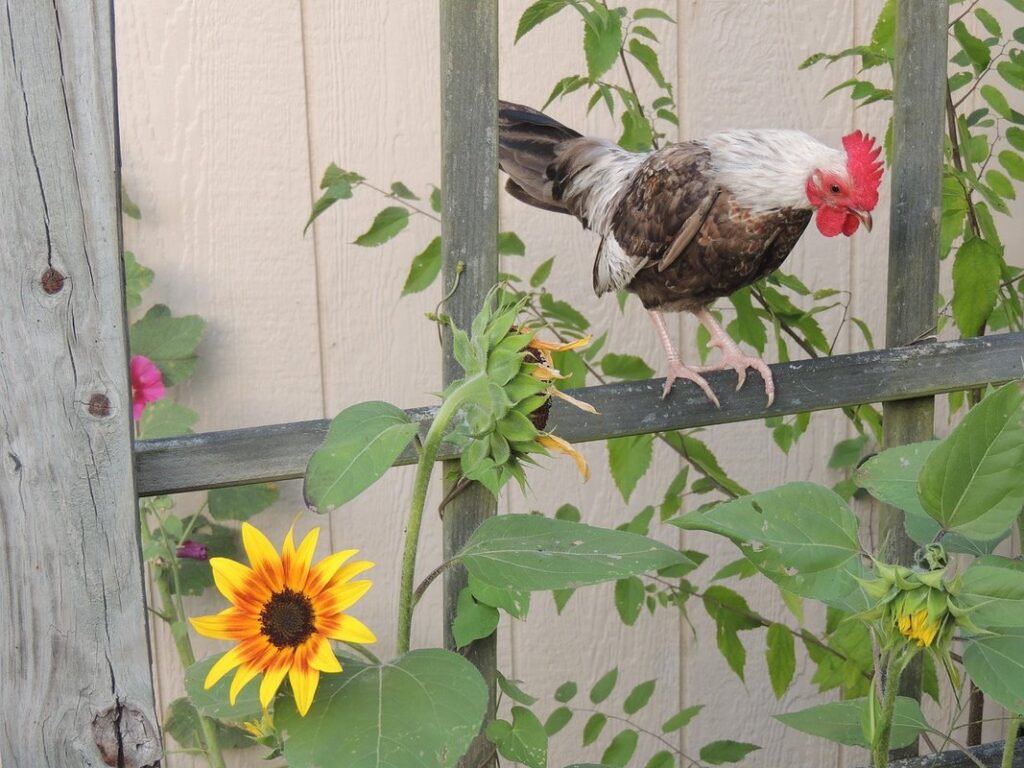
Introduction to Bantam Roosters
Let’s get started with understanding these tiny but mighty birds, and discover what makes a bantam rooster truly one-of-a-kind. We’ll delve into their unique characteristics right from the start.
Origins and History of Bantams
Bantams have a rich history that spans over 4,000 years, with their origins dating back to ancient civilizations in Southeast Asia and Europe. These diminutive birds were initially bred for their unique appearance and ability to thrive in small spaces. The earliest known evidence of bantam breeding comes from the Indonesian island of Bali, where they were highly prized by local farmers for their eggs and meat.
As poultry keeping spread throughout the world, bantams were introduced to Europe by traders and travelers. They quickly gained popularity among backyard enthusiasts due to their compact size, friendly nature, and impressive egg-laying abilities. Over time, breeders selectively bred bantams for specific characteristics, resulting in a wide range of colors, patterns, and temperaments.
Today, bantams are kept for their ornamental value, eggs, and companionship. Whether you’re a seasoned farmer or an urban hobbyist, these miniature roosters bring joy and excitement to any flock. By understanding the origins and history of bantam breeding, we can appreciate the unique qualities that make them such beloved pets and working animals.
Key Characteristics of Bantam Roosters
When it comes to identifying a bantam rooster, several key physical characteristics set them apart from other breeds. One of the most noticeable distinctions is their size – bantam roosters are significantly smaller than standard roosters, weighing in at around 1-2 pounds (0.5-1 kg) and measuring approximately 10-12 inches (25-30 cm) in height.
Their plumage also plays a crucial role in distinguishing them from other breeds. Bantams often exhibit intricate patterns and colors on their feathers, including gold, silver, and copper hues. These unique feather patterns can vary greatly depending on the specific breed, with some showcasing striking silhouettes against a backdrop of iridescent blues or emerald greens.
In terms of overall appearance, bantam roosters tend to possess a more compact, rounded physique compared to standard breeds. Their beak shape and color are also often indicative of their breed-specific characteristics.
Temperament and Personality of Bantam Roosters
When it comes to bantam roosters, their temperament can be a fascinating mix of confidence, energy, and sometimes, a bit of attitude. Let’s take a closer look at what makes these little guys tick.
Dominance and Aggression Levels
When it comes to temperament, bantam roosters can be prone to dominance issues. This is largely due to their breeding history and size, which often leads them to feel more confident and assertive than larger roosters. In fact, studies have shown that bantams are generally more aggressive than larger breeds, with a higher likelihood of attacking other birds in the flock.
This can be problematic for flock dynamics, as dominant bantam roosters may begin to bully or intimidate their flockmates. To mitigate this issue, it’s essential to introduce bantam roosters slowly and under close supervision, allowing them to establish a clear pecking order without resorting to aggression. If you notice signs of dominance or aggression in your bantam rooster, such as crowding, posturing, or feather plucking, intervene promptly by separating the bird from the flock and implementing positive reinforcement training to encourage good behavior.
When managing a flock with multiple bantam roosters, it’s crucial to monitor their interactions closely and separate them if necessary. This may involve housing them separately at night or providing additional resources to prevent competition for food and water.
Socialization and Training Needs
Socialization is critical for bantam roosters to develop into well-adjusted and confident birds. Without proper socialization, they may become aggressive towards humans and other animals. To establish a harmonious environment, it’s essential to introduce your bantam rooster to new people, sights, and sounds from an early age.
Establishing a pecking order is also crucial in a multi-bird household. This can be achieved by introducing birds gradually, allowing them to get familiar with each other’s scents, sounds, and visual presence before physical contact. For instance, start by keeping them in adjacent cages or runs, then gradually increase their interaction time under close supervision.
To prevent aggression, it’s vital to recognize the early signs of dominance behavior, such as puffing out feathers, posturing, or aggressive vocalizations. Address these behaviors promptly by separating the birds and reintroducing them when calm. Consistent training and positive reinforcement techniques can help establish a peaceful coexistence among your bantam roosters.
Mating and Breeding Habits of Bantam Roosters
When it comes to bantam roosters, understanding their mating habits is crucial for successful breeding. Let’s take a closer look at how these charming birds behave when seeking mates and building their families.
Courtship Behavior in Bantams
When it comes to attracting a mate, bantam roosters put on quite a show. Their courtship behavior is a mix of displays, posturing, and other subtle cues that signal their interest to potential hens.
Firstly, bantam roosters will often start by showing off their plumage. They’ll puff out their chest, spread their tail feathers, and shake their wings in an attempt to impress the female. This display is meant to showcase their health, vigor, and genetic quality – essential traits for a potential mate.
But it’s not just about looks; bantam roosters will also engage in courtship dances to win over the hen. These dances involve intricate footwork, including bowing, prancing, and even offering gifts like food or nesting material. By performing these displays, a bantam rooster is essentially saying, “I’m interested, I’m healthy, and I can provide for you.”
As you observe your bantam roosters, pay attention to these behaviors. Recognizing the signs of courtship can help you identify which rooster is most likely to form a pair bond with a particular hen. By understanding their behavior, you’ll be better equipped to create a harmonious and productive flock.
Breeding Strategies for Small-Scale Flocks
When it comes to breeding Bantam roosters for small-scale flock owners, selecting suitable breeders is crucial. Look for birds with excellent temperament and desirable traits such as egg-laying ability, feather quality, and growth rate. It’s essential to choose breeders that align with your flock’s goals and management practices.
Optimizing reproductive cycles involves understanding the Bantam rooster’s breeding season, which typically runs from spring to summer. During this period, provide a balanced diet rich in protein and calcium to support egg production. Keep a close eye on the hens’ health, as they may be more prone to stress and disease during this time.
To manage fertility effectively, introduce multiple breeder roosters into your flock to minimize dominance issues and promote genetic diversity. Implement a breeding rotation system where older breeders are phased out and younger ones are introduced, maintaining optimal reproductive cycles and preventing overcrowding.
Monitoring fertility can be done through regular egg production tracking, allowing you to adjust breeding strategies accordingly. This approach will help you maximize the potential of your flock while ensuring a healthy and sustainable operation.
Health Considerations for Bantam Roosters
When it comes to bantam roosters, their health and well-being are crucial considerations for any backyard chicken keeper. In this section, we’ll discuss common health issues that affect these small but mighty birds.
Common Health Issues Affecting Bantams
Bantam roosters are prone to several health issues that can impact their behavior and overall well-being. Respiratory problems, for instance, can be a significant concern due to the breed’s compact size and potential for narrow airways. As a responsible owner, it’s essential to provide a clean and spacious environment, ensuring proper ventilation to prevent the buildup of dust and bacteria.
Another common issue is feather pecking, which can lead to stress and anxiety in bantam roosters. This behavior often stems from boredom, inadequate nutrition, or socialization problems within the flock. To address this, provide a balanced diet that includes a mix of seeds, grains, and fruits, along with regular opportunities for exercise and play.
Parasites, such as mites, lice, and worms, can also wreak havoc on your bantam rooster’s health. Regular cleaning of the coop, using diatomaceous earth or other natural deterrents, can help prevent infestations. Furthermore, maintaining a healthy balance within the flock by introducing new birds gradually can minimize stress and reduce the likelihood of parasites.
Regular monitoring and attention to changes in behavior or physical condition are crucial for identifying potential health issues early on.
Nutritional Requirements and Diet Recommendations
As you’re learning about the unique behavior of bantam roosters, it’s equally important to consider their nutritional needs. Bantams are a small but energetic breed, and they require a balanced diet that meets their demands at different stages of life.
A high-quality commercial feed specifically formulated for game birds or poultry should be the main staple in your bantam rooster’s diet. However, it’s equally important to provide supplements like fruits, vegetables, and grains to ensure they receive essential nutrients like calcium, vitamin D3, and protein. For example, you can offer leafy greens like kale and spinach, which are rich in calcium and iron.
During the breeding season, bantam roosters require more energy-dense foods to support their reproductive activities. Consider adding mealworms or crickets as a treat to provide essential amino acids and vitamins. As for young bantams, ensure they receive adequate starter feed that’s formulated specifically for young poultry. A general rule of thumb is to divide the bantam rooster’s daily ration into two-thirds dry matter and one-third fresh food to maintain optimal health.
Management and Care of Bantam Roosters
When it comes to caring for your bantam rooster, their unique needs and personalities require special attention. This includes tips on creating a suitable living space and handling training effectively.
Housing and Enrichment Needs
When it comes to managing bantam roosters, their housing and enrichment needs are crucial aspects to consider. These small birds require more space than you might think, as they need room to move around, stretch their wings, and exercise. A minimum of 2-3 square feet per bird is recommended, but ideally, you should aim for a larger enclosure that provides ample space for roaming.
In terms of ventilation, make sure the coop has good airflow to prevent ammonia buildup from droppings. Proper lighting is also essential; natural light during the day and adequate artificial lighting at night will help maintain their circadian rhythms. When it comes to perches, provide multiple levels and types to cater to their natural foraging behavior.
Consider adding toys and enrichment activities, such as puzzle toys filled with treats or a hanging rope toy, to keep them engaged and stimulated. Bantam roosters are intelligent birds that require mental stimulation, so rotate these items regularly to prevent boredom.
Safety Precautions for Handling Bantams
When handling bantam roosters, it’s essential to exercise caution due to their small but fiery nature. Start by grasping them firmly but gently around the body, making sure not to squeeze too hard which can cause discomfort and stress. Supporting the wings is also crucial; hold one wing between your thumb and index finger, with your other hand supporting the base of the rooster’s tail.
Recognize signs of stress, such as rapid breathing, flattened feathers, or a tense posture, as these can escalate into aggression quickly. Move slowly and calmly around them, avoiding sudden movements that might startle your bird. If you notice any of these warning signs, give the bantam rooster space to calm down before attempting to handle it again.
When handling, keep your movements deliberate and controlled; avoid jerky or unpredictable actions that can cause the rooster to become defensive. By following these guidelines and being mindful of your bantam’s temperament, you can establish a safe and trusting relationship with your bird.
Frequently Asked Questions
Can I keep a bantam rooster alone, or do they require a flock?
Bantam roosters are social birds that thrive on interaction with other chickens. Keeping them alone can lead to boredom and behavioral issues. We recommend introducing your bantam rooster to a flock of hens as soon as possible to provide them with companionship and stimulation. This will help reduce dominance aggression and create a harmonious living environment.
How often should I collect eggs from my bantam hen’s nesting box?
While it’s essential to clean the nesting box regularly, you may wonder how frequently to collect eggs. We recommend collecting eggs daily to prevent egg breakage and encourage your hens to continue laying. This will also help maintain a clean and healthy environment for your flock.
What are some signs of heat stress in bantam roosters?
Heat stress is a common issue in chickens, particularly during hot summer months. Look out for signs such as panting, drooling, or lethargy in your bantam rooster. Provide plenty of shade, water, and ventilation to keep them cool, and consider offering electrolyte supplements to help prevent heat-related illnesses.
Can I use a regular chicken coop for my bantam rooster, or do they require specialized housing?
While you can start with a standard chicken coop, bantam roosters may eventually outgrow it. Consider investing in a coop specifically designed for small breeds like yours. This will provide them with ample space to move around and exercise.
How do I introduce a new bantam rooster to an existing flock?
Introducing a new bird can be challenging, especially if you have established social dynamics within your flock. To minimize stress, start by keeping the new rooster isolated for a few days before gradually introducing it to the main group under close supervision. Monitor their behavior and adjust as needed to ensure a smooth integration process.