
Are you looking to add some unique flavor to your backyard flock? Or perhaps you’re a seasoned breeder seeking a new challenge? Either way, the Delaware chicken breed is definitely worth considering. Hailing from the state of Delaware in the United States, this heritage breed has been gaining popularity among poultry enthusiasts for its distinctive characteristics and impressive productivity. In this article, we’ll take an in-depth look at what makes the Delaware chicken breed so special – from its rich history to its ideal care and management requirements. Whether you’re a seasoned farmer or just starting out, learn how to raise healthy, productive Delawares that will provide top-notch eggs for years to come.
Origin and History of the Delaware Breed
Let’s dive into the rich history of the Delaware breed, tracing its origins back to the early 20th century on American farms. This heritage has shaped the breed we know and love today.
Early Beginnings: Where the Breed Originated
The Delaware chicken breed originated in the United States, specifically in the state of Pennsylvania. Developed in the 1940s by crossing various breeds such as the New Hampshire and the Barred Plymouth Rock, the Delaware was created to be a dual-purpose bird, capable of producing both high-quality eggs and meat.
Initially intended for commercial egg production, the Delaware’s early development focused on its ability to thrive in hot climates. Breeders sought to create a hardy, disease-resistant bird that could withstand the challenging weather conditions of Pennsylvania’s summer months. This led to the selection of birds with desirable traits such as strong immune systems and efficient heat regulation.
As a result of these breeding efforts, the Delaware chicken breed quickly gained popularity among farmers for its robust health and impressive egg-laying capabilities. With the ability to produce up to 200 large brown eggs per year, the Delaware has become a sought-after breed for both commercial and backyard producers alike.
Development as a Poultry Breed
The Delaware breed was developed with specific purposes in mind, making it an exceptional choice for various poultry keepers. In the early 20th century, egg production became a priority, and farmers sought to create breeds that could produce a high number of large eggs per year. The Delaware breed was specifically designed to meet this demand.
Developed from crossing a White Leghorn rooster with a Barred Plymouth Rock hen, the resulting offspring demonstrated exceptional egg-laying abilities. However, as time passed, meat production also became an important aspect for farmers. To address this need, some farmers began crossbreeding their Delaware birds with other breeds known for their impressive growth rates and meat quality.
As a result of these selective breeding practices, today’s Delaware breed excels in both egg-laying and meat production capabilities. If you’re looking to raise Delawares specifically for one of these purposes, it’s essential to understand their unique characteristics and how they can be optimized for your needs. For instance, if focused on egg production, ensure your birds have access to a balanced diet rich in calcium to support strong bone growth and optimal egg size.
Characteristics of the Delaware Chicken Breed
The Delaware chicken breed has several distinct characteristics that set it apart from other popular breeds. Let’s take a closer look at what makes Delawares so unique and desirable to backyard flock owners.
Physical Traits: Size, Weight, and Plumage
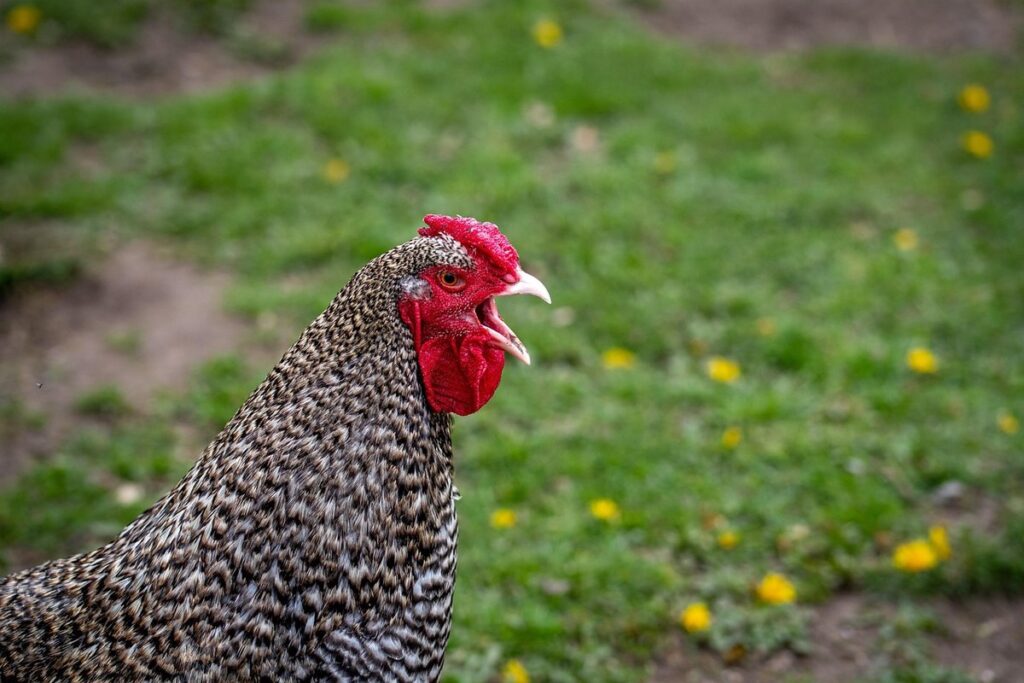
The Delaware chicken breed is known for its impressive physical characteristics that make it a sought-after choice among backyard flock owners and commercial farmers alike. In terms of size, the Delaware rooster typically weighs between 7-9 pounds (3.2-4 kg), while the hen weighs around 6-8 pounds (2.7-3.6 kg). This sturdy build is well-suited for egg production and allows them to thrive in various environments.
In addition to their weight, Delaware chickens are also recognized for their impressive height. They can reach up to 25 inches (63 cm) tall at the shoulder, making them a striking presence in any coop or run. Their plumage is another defining feature of the breed, with soft, fluffy feathers in a range of colors including silver, gold, and white.
When it comes to maintaining your Delaware chicken’s health and appearance, it’s essential to provide regular grooming and care. Daily walks and proper nutrition can help keep their coat in top condition, while regular cleaning of their living quarters will prevent the buildup of bacteria and parasites that can affect their plumage.
Temperament and Personality
The Delaware chicken breed is known for its friendly and docile nature, making them an excellent choice for families with children or for those new to raising chickens. They are social birds that thrive on interaction with humans and can become quite affectionate if handled regularly.
When it comes to behavior around other animals, Delawares tend to get along well with their flock mates, especially if introduced at a young age. However, as with any breed, introducing them to existing flocks should be done gradually to prevent any conflicts.
In terms of noise levels, Delawares are relatively quiet compared to some other breeds, which makes them suitable for backyard chicken keepers living in residential areas.
To encourage good temperament and personality traits in your Delaware chickens, provide them with a stimulating environment that includes plenty of space to roam, exercise, and engage in natural behaviors. Offer a balanced diet, ensure proper health care, and spend quality time interacting with them daily to foster strong bonds.
Advantages of Raising Delaware Chickens
Raising Delaware chickens has several benefits, including their ease of handling and high egg production rates that make them a great addition to any backyard flock.
Egg-Laying Capacity: How Many Eggs Per Year?
One of the significant advantages of raising Delaware chickens is their impressive egg-laying capacity. On average, a healthy Delaware hen will lay around 200-220 eggs per year, making them an excellent choice for small-scale farmers and backyard chicken enthusiasts.
Delaware hens are known to be prolific layers, with some individuals producing up to 300 eggs annually in ideal conditions. Their high egg production is due in part to their robust health and energetic nature. With proper care, nutrition, and management, you can expect your Delaware hens to provide a steady supply of fresh eggs throughout the year.
To give you a better idea of what to expect, here’s a breakdown of the average annual egg yield for Delaware chickens:
* First-year pullets (young hens): 150-180 eggs per year
* Mature hens: 200-220 eggs per year
* Senior hens (3+ years old): 180-200 eggs per year
Keep in mind that these numbers can vary depending on factors such as nutrition, health, and living conditions. With proper care, your Delaware chickens will reward you with an abundance of delicious eggs throughout the year.
Meat Quality and Quantity: A Delicious Alternative
If you’re raising Delaware chickens for meat, you’ll appreciate their impressive growth rate and final weight. On average, a male Delaware chicken will reach its full size of around 8-10 pounds in just under 18 weeks, while females typically reach around 6-8 pounds in the same timeframe.
Their rapid growth rate makes them an attractive choice for small-scale farmers or backyard enthusiasts looking to raise chickens for meat production. Not only do they mature quickly, but they also have a high feed conversion ratio, meaning they require less food to produce more meat.
One of the key benefits of raising Delaware chickens is their ability to thrive in hot weather conditions, making them an ideal choice for farmers in warmer climates. Their hardiness and adaptability also reduce the risk of disease and stress-related issues.
To maximize your return on investment when raising Delaware chickens, consider implementing a rotational grazing system or using supplemental feed to support their growth. By doing so, you can optimize their meat quality and quantity, ensuring a delicious harvest every time.
Care and Management of Delaware Chickens
To keep your Delaware chickens happy and healthy, it’s essential to provide them with proper care and management. This includes regular health checks and a well-balanced diet.
Housing and Environment Requirements
When it comes to providing the best possible care for your Delaware chickens, their housing and environmental needs are crucial. You’ll want to ensure that you’re providing them with a safe, healthy space that meets their unique requirements.
First and foremost, consider the space requirements for your Delaware flock. These birds need room to move around comfortably, so aim for at least 2-4 square feet per bird inside the coop and 8-10 square feet per bird in the run or enclosed area. With this in mind, you can plan a spacious coop with adequate ventilation to keep your chickens happy and healthy.
Climate is also an important consideration when it comes to housing your Delaware chickens. In hot weather, provide shade for your flock by placing tarps or awnings over their outdoor areas. In cold weather, insulate the coop to maintain a comfortable temperature between 40-50°F (4-10°C). This will help prevent stress and illness caused by extreme temperatures.
Remember, a well-designed housing system with adequate space, ventilation, and climate control is essential for keeping your Delaware chickens happy, healthy, and thriving.
Nutrition and Feeding Guidelines
When it comes to feeding and caring for your Delaware chickens, providing a balanced diet is essential for their overall health and well-being. As a responsible owner, you want to ensure that your flock receives the necessary nutrients to stay healthy and thrive.
Aim to provide your Delaware chickens with a mix of 16-18% protein feed, which should include a high-quality layer feed or starter feed if they’re under six months old. You can also supplement their diet with fruits, vegetables, and grains like oats, barley, and wheat. Some excellent options for Delaware chickens include leafy greens like kale, spinach, and collard greens, as well as juicy fruits like berries, apples, and melons.
For a standard adult flock, feed your Delaware chickens about 1/4 cup of layer pellets per chicken per day. For young pullets, you can increase this to 1/2 cup per bird per day until they reach six months old. Be sure to provide fresh water at all times and offer oyster shells or crushed eggshells to promote strong eggshell production.
Remember to adjust the quantity of feed based on your chickens’ individual needs, activity level, and environmental conditions. With proper nutrition and a balanced diet, your Delaware flock will remain healthy and productive for years to come.
Health Considerations: Common Issues and Prevention
As you care for your Delaware chickens, it’s essential to be aware of potential health issues that can arise and take preventative measures to ensure their well-being. This section will help you navigate common health concerns.
Understanding Common Ailments in Delaware Chickens
As you care for your Delaware chickens, it’s essential to be aware of potential health issues that may arise. Respiratory problems are a common concern in many chicken breeds, including the Delaware. This can be caused by factors such as humidity, temperature fluctuations, and air quality within the coop. To mitigate this risk, ensure good ventilation in the coop by installing windows or vents.
Parasites like mites, lice, and internal worms can also affect your flock’s health. Regularly inspect your chickens for signs of infestation, such as excessive scratching or molting. Use a flashlight to check under their wings, around the vent area, and on the beak. If you detect any issues, use an appropriate treatment according to the product instructions.
Another issue to watch out for is frostbite in colder climates. Delaware chickens can be susceptible to this condition due to their light plumage. Make sure to provide adequate shelter and protection from wind during harsh weather conditions.
It’s also crucial to maintain a clean coop by removing droppings regularly, disinfecting surfaces, and ensuring good hygiene practices among your flock members.
Tips for Preventing Illnesses and Maintaining Good Health
As a Delaware chicken owner, maintaining the health and well-being of your flock is crucial to their productivity and longevity. To prevent illnesses and ensure good health, it’s essential to provide a clean and safe living environment for your chickens.
Firstly, ensure that your coop and run are well-ventilated and dry. A poorly ventilated coop can lead to respiratory problems in your chickens, so make sure to install adequate windows and ventilation systems. Regular cleaning of the coop and run is also vital to prevent the spread of diseases. Remove any droppings or debris daily and disinfect the areas with a 1:10 dilution of bleach solution.
In addition to maintaining a clean environment, ensure that your Delaware chickens have access to fresh water at all times. A good rule of thumb is to provide one gallon of water per three birds per day. Regularly check the water for any signs of contamination or bacterial growth.
Feed high-quality feed specifically formulated for laying hens, and supplement with calcium and oyster shells to promote strong eggshell production and prevent related health issues. Lastly, monitor your chickens’ behavior and physical condition closely, reporting any changes in appetite, droppings, or feather condition to a veterinarian promptly.
Frequently Asked Questions
What is the ideal climate for raising Delaware chickens?
The Delaware chicken breed was developed to thrive in hot climates, but they can adapt to temperate regions as well. For optimal egg production, it’s recommended to provide a shaded area and ensure proper ventilation to keep your flock cool. Yes, this hardiness makes them suitable for various environments.
How do I prevent diseases in my Delaware chicken flock?
Regular health checks, maintaining clean living conditions, providing balanced nutrition, and vaccinating against common poultry diseases are all essential steps in disease prevention. Monitor your birds’ behavior, consult with a veterinarian if you notice any signs of illness, and keep your coop clean to reduce the risk of disease.
Can I mix Delaware chickens with other breeds in my flock?
Yes, Delaware chickens can be mixed with other breeds, but it’s crucial to introduce them slowly and under close supervision. This will help prevent stress and potential aggression between birds. Ensure that all birds have enough space, resources, and attention from you.
How often should I collect eggs from my Delaware hens?
Egg-laying capacity varies among individual birds, but on average, a healthy Delaware hen can produce 200-220 eggs per year. Collect eggs daily to encourage continuous laying and maintain your flock’s overall health. Make sure to provide a safe and accessible nesting area.
Can I raise Delaware chickens for meat production only?
While the Delaware breed was initially developed for dual-purpose use, it can be successfully raised for meat production alone. Focus on providing adequate nutrition, ensuring proper growth rates, and maintaining good living conditions to optimize meat quality and quantity.