
If you’re thinking of adding some new feathered friends to your backyard flock, or if you’re just looking for a new breed to learn about, you might want to consider the Langshan chicken. Originating from China, this majestic bird is renowned for its stunning appearance and impressive size. As a family-friendly breed, Langshans are perfect for those with children who love animals, as they’re known for their gentle nature and easy-going personalities.
In this article, we’ll delve into the history of the Langshan chicken breed, highlighting its unique characteristics and traits that make it stand out from other breeds. We’ll also cover the specific care requirements of this magnificent bird, including diet, housing, and health considerations. By the end of this article, you’ll have a thorough understanding of whether the Langshan is the right fit for your family or backyard flock.
Origins and History
Let’s take a step back in time to explore how the majestic Langshan chicken came to be, tracing its roots back to ancient China. Its fascinating history is a story worth uncovering.
Early Beginnings in China
In ancient China, the Langshan breed was first bred over 1,000 years ago. This unique breed quickly gained popularity for its exceptional characteristics and versatility. Chinese farmers highly valued the Langshan’s ability to produce a large number of eggs per year while maintaining a robust and muscular build.
The Langshan breed originated in the Yangtze River delta region, where it was initially used as a dual-purpose bird for both egg production and meat. Its impressive size, strong legs, and sleek plumage made it an ideal choice for Chinese farmers who needed a hardy and efficient bird to manage their farms.
One of the key reasons the Langshan breed thrived in ancient China is its adaptability to different climates and environments. The breed’s ability to withstand extreme temperatures, from scorching heat to freezing cold, allowed it to thrive in various regions across China. This adaptability played a crucial role in the breed’s success and helped spread it throughout the country.
The Langshan breed has since been exported to other parts of the world, where it continues to be prized for its unique characteristics. Its early beginnings in ancient China laid the foundation for its global recognition today as a distinct and sought-after chicken breed.
Introduction to Europe
In the late 19th century, British poultry enthusiasts played a significant role in introducing the Langshan chicken breed to Europe. These avid bird collectors and breeders sought out exotic breeds from Asia to add variety and excitement to their flocks. The Langshan, with its impressive size and striking appearance, quickly caught their attention.
British poultry enthusiasts were instrumental in adapting the Langshan to European climates. They recognized that the breed’s original habitat was in southern China, where it was prized for its cold hardiness. To thrive in Europe’s cooler temperatures, breeders needed to adjust the Langshan’s diet and living conditions. They discovered that by providing a more balanced diet and adequate shelter, they could help the Langshans acclimate to their new environment.
As a result of these efforts, European breeders were able to successfully establish the Langshan as a popular and thriving breed. Today, Langshans can be found in many parts of Europe, prized for their unique characteristics and impressive size.
Physical Characteristics
When it comes to recognizing a Langshan chicken, their physical characteristics play a significant role in identification. Let’s take a closer look at what sets them apart from other breeds.
Size and Weight
When it comes to physical characteristics, one of the most noticeable features of Langshan chickens is their size and weight. On average, roosters (males) typically weigh between 8-12 pounds (3.6-5.4 kg), with some individuals reaching up to 14 pounds (6.3 kg) at maturity. Hens (females) are generally smaller, weighing in at around 6-9 pounds (2.7-4 kg).
To give you a better idea of what to expect, consider this: a mature Langshan rooster might be about the same size as a small turkey, while hens will be slightly smaller but still quite substantial. It’s essential to note that these weights can vary depending on factors such as nutrition, health, and genetics.
If you’re considering raising Langshans, it’s crucial to have adequate space for them to move around comfortably. A good rule of thumb is to provide at least 2-3 square feet (0.2-0.3 square meters) of floor space per bird. With proper care and management, your Langshan chickens will thrive and reach their full size potential.
Plumage and Feathers
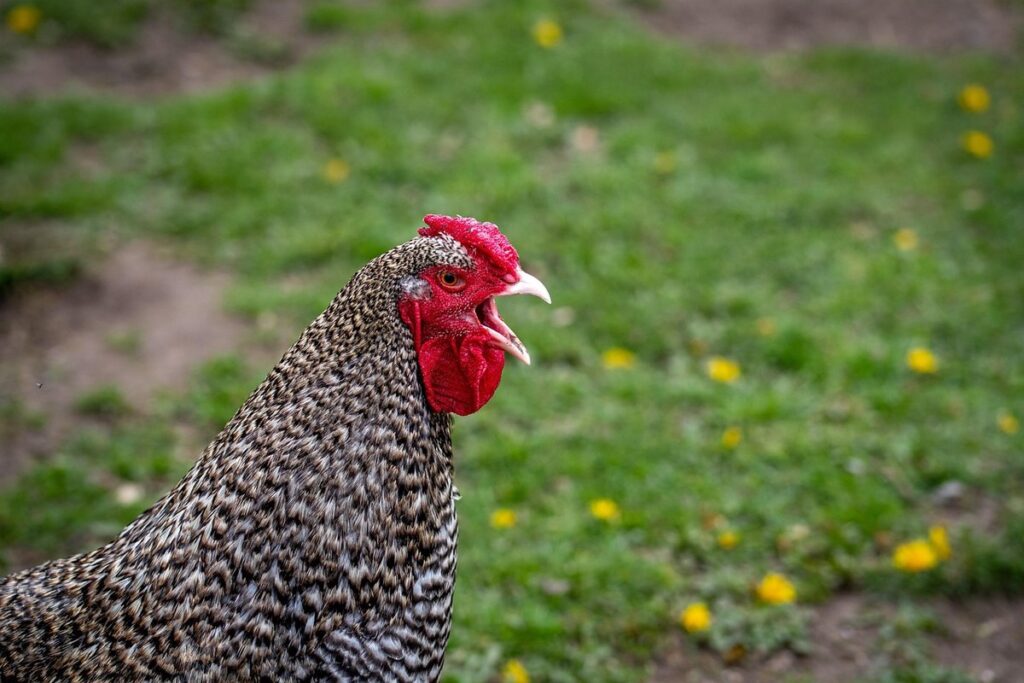
One of the most distinctive features of the Langshan chicken breed is their striking plumage. Upon closer inspection, you’ll notice that they have silvery-gray feathers with a subtle sheen to them. This beautiful coloration is complemented by black hackle and saddle markings that add depth and visual interest to their overall appearance.
These distinctive markings are not just aesthetically pleasing; they also serve a practical purpose. The black hackle, in particular, helps to distinguish Langshans from other breeds, making it easier for breeders and enthusiasts to identify them. The saddle markings, which typically appear as small, rounded patches on the bird’s back, add a touch of elegance to their already impressive plumage.
In terms of overall appearance, Langshan chickens are often described as stately and regal, with a commanding presence in the coop or yard. Their striking feathers play a significant role in this perception, making them one of the most visually appealing breeds around.
Temperament and Personality
When it comes to interacting with your new Langshan feathered friend, understanding their temperament and personality is crucial for a harmonious relationship.
This section will delve into the breed’s known traits and characteristics, helping you prepare for life with these unique birds.
Friendly and Docile
One of the most endearing qualities of Langshan chickens is their temperament. These gentle birds are known for being friendly, docile, and laid-back, making them an excellent choice for families with children or as pets. Their calm nature allows them to coexist harmoniously with other animals in the backyard, including dogs, cats, and even smaller poultry breeds.
Langshans are not easily stressed or ruffled, which is a testament to their gentle disposition. They are not prone to aggression and tend to avoid confrontations. This peaceful demeanor makes them an ideal addition to households where children love to interact with animals. Parents can rest assured that Langshan chickens will not cause undue stress or harm to their little ones.
If you’re considering bringing home a Langshan, be prepared for endless cuddles and affection from these friendly birds. With proper care and attention, they’ll reward you with years of loyalty and companionship.
Social Nature
Langshans are known for their friendly and outgoing personalities, making them an excellent addition to most backyard flocks. When it comes to social dynamics, they tend to integrate well with other breeds and roosters, especially if introduced at a young age. In fact, Langshans often take on the role of flock mediators, helping to diffuse tensions between more aggressive birds.
When introducing Langshans to an existing flock, be sure to start with a gradual introduction process. This can include separating them from their new companions for short periods each day, allowing them to become familiar with one another’s scents and sounds. With patience and proper handling, Langshans typically adapt quickly to their new surroundings.
One key thing to keep in mind is that Langshans are naturally dominant birds, so they may require extra attention and training to ensure they don’t overpower other flock members. However, when handled properly, Langshans can thrive as part of a mixed-breed flock, providing companionship and entertainment for many hours.
Egg-Laying Abilities
Langshan hens are prolific egg layers, capable of producing around 150-160 large brown eggs per year. They’re a popular choice for backyard flocks due to their impressive laying abilities.
Productivity and Yield
When it comes to egg-laying abilities, Langshan hens have a reputation for being reliable and consistent layers. On average, you can expect around 200-220 large brown eggs per year from each hen. While this may not be the highest yield compared to some other breeds, Langshans are known for their steady production and are often preferred by backyard farmers and small-scale egg producers.
One of the key advantages of Langshan hens is their consistent daily output. Unlike some breeds that experience significant fluctuations in laying frequency, Langshans tend to produce an egg every 25-26 hours. This consistency makes them a great choice for those who rely on their eggs as a steady income source or for household consumption.
To maximize your Langshan’s productivity, make sure they have access to plenty of fresh water and a balanced diet that includes high-quality layer feed. Regular health checks and parasite control are also essential to maintaining their overall well-being and egg-laying performance.
Egg Characteristics
When it comes to laying eggs, Langshan chickens are known for producing large and impressive eggs. The average size of a Langshan egg is around 2-3 ounces (57-85 grams), making them one of the largest breeds in terms of egg production. In terms of shape, Langshan eggs tend to be slightly elongated, with a rounded point at one end.
The color of Langshan eggs can vary depending on the individual bird’s genetics, but they are often a creamy white or light brown. The shell thickness is also noteworthy, with Langshans laying some of the thickest and most robust shells you’ll find in any breed. This is due to their unique combination of strong legs and powerful wing muscles.
Langshan eggs are prized by many backyard chicken keepers for their generous size and rich flavor. If you’re looking to hatch out chicks from your Langshan flock, be sure to collect fresh eggs regularly and store them in a cool, dry place to preserve the quality. This will help ensure that any fertile eggs have the best chance of success.
Breeding and Raising
When it comes to bringing up a flock of Langshan chickens, breeding and raising these gentle giants requires careful consideration and planning. Understanding their unique characteristics is key to successfully integrating them into your backyard flock.
Choosing a Hatchery or Breeder
When purchasing Langshan chicks, it’s essential to choose a reputable hatchery or breeder. This ensures that you’re getting healthy birds with the characteristics you want. A responsible breeder prioritizes genetics, health, and temperament, which are critical for raising happy and productive chickens.
To find a good breeder, look for one who is transparent about their breeding program and is willing to share information on the parents of your chicks. They should also be able to provide documentation on vaccinations, testing, and any genetic issues that may affect the breed.
It’s also crucial to consider supporting local breeders or those with experience raising Langshans specifically. These individuals can offer valuable advice and help you avoid common mistakes new owners make.
Some red flags to watch out for include low prices, lack of transparency about breeding practices, or promises of unusually high egg production. Remember that quality breeds don’t come cheap, but they’re worth the investment in the long run.
When selecting a hatchery or breeder, ask plenty of questions and do your research. Visit their farms, read reviews from other customers, and look for testimonials on social media.
Housing and Nutrition
When it comes to housing and nutrition for your Langshan flock, there are several key considerations to keep in mind. First and foremost, Langshans require a spacious coop with adequate ventilation. Aim for a minimum of 2-3 square feet per bird inside the coop, but ideally provide more space if possible. This will give them room to move around comfortably and help reduce stress.
In terms of ventilation, ensure that your coop has windows or vents that allow fresh air to circulate. You can also install a fan to improve airflow during hot weather. Don’t forget to include nesting boxes, one per 3-4 hens, as Langshans are prolific layers and will appreciate the convenience of having their own private space.
When it comes to nutrition, Langshans require a balanced diet that includes protein-rich foods such as grains, fruits, and insects. You can supplement their feed with mealworms or crickets for added nutrition. Also, ensure access to fresh water at all times to keep them hydrated. Consider offering oyster shells or crushed eggshells to provide essential calcium for strong eggshell production.
Health Considerations
When considering bringing home a Langshan, it’s essential to think about their specific health needs and potential vulnerabilities that may impact your flock. This includes susceptibility to certain diseases and management requirements.
Common Ailments
Langshan chickens are generally considered to be a hardy breed, but like all poultry, they can be prone to certain health issues. One of the most significant concerns for Langshan owners is Marek’s disease, a viral infection that affects young birds and can cause paralysis, blindness, and even death. To minimize the risk of Marek’s, it’s essential to maintain good biosecurity practices, such as keeping your flock isolated from other birds and regularly cleaning and disinfecting their living area.
Respiratory problems are another common issue affecting Langshans, particularly in hot or humid climates. Dusty environments can exacerbate these issues, so it’s crucial to provide a clean and well-ventilated coop for your birds. Regular vaccinations and parasite control measures, such as deworming medication, can also help prevent respiratory problems.
Parasites like mites, lice, and fleas can be a nuisance in Langshan flocks, causing discomfort, anemia, and even death if left untreated. Regularly inspect your birds for signs of infestation, and take prompt action to control any outbreaks using safe and effective methods. By being proactive about these potential health issues, you can help keep your Langshans happy and healthy throughout their lives.
Prevention and Management Strategies
Maintaining the health of your Langshans is crucial to their well-being and longevity. One essential aspect of their care is vaccination programs. Consult with a veterinarian to determine the best vaccine schedule for your flock, taking into account factors such as age, location, and potential disease risks in your area.
Regular parasite control measures are also vital to prevent infestations that can lead to anemia, weight loss, and even death. Ensure your coop is kept clean, and perform regular checks for signs of mites, lice, or fleas. Treat any issues promptly with the recommended medication and follow the product instructions carefully.
When introducing new birds to your Langshan flock, implement a quarantine procedure to prevent the spread of diseases. This can be as simple as housing new arrivals in a separate area for 30 days before integrating them into the main coop. Be sure to monitor their health closely during this period and take action if you notice any signs of illness.
Remember, prevention is key to maintaining your Langshans’ health. Regular veterinary check-ups, a clean living environment, and prompt treatment of illnesses will help keep your flock thriving for years to come.
Frequently Asked Questions
Can Langshan chickens thrive in cold climates, or do they prefer warmer temperatures?
Yes, Langshan chickens are surprisingly hardy and can adapt to various climates. While they may not be the best choice for extreme cold or heat, they can tolerate moderate temperatures with proper care. In areas with harsh winters, ensure your coop is well-insulated, and provide additional bedding material for warmth.
How do I choose a reputable Langshan chicken breeder or hatchery?
When selecting a breeder or hatchery, research their reputation online, read reviews from other customers, and ask about health guarantees. Look for breeders who prioritize genetic diversity, offer clear information on the birds’ ancestry, and have transparent breeding practices.
Can I keep Langshan chickens in small backyards with limited space?
While Langshans require more space than some other breeds due to their size and activity level, they can still be kept in smaller yards. Ensure your coop is at least 2-3 square feet per bird, provide a secure enclosure for exercise, and consider vertical space-saving solutions like nesting boxes or perches.
How long do Langshan chickens typically live, and what are common health issues?
Langshans have an average lifespan of 10-15 years. Common health issues include obesity, respiratory problems, and parasites. Regular veterinary check-ups, a balanced diet, and proper coop management can help prevent many of these issues.
Can I keep Langshan chickens with other breeds in my flock, or do they prefer to be alone?
Langshans are known for their social nature and can get along well with other calm and docile breeds. However, introducing them to a new flock requires patience and careful observation. Start with slow introductions, monitor behavior, and provide separate areas for each breed to reduce stress and prevent conflicts.