
If you’re looking to add some diversity to your backyard flock or are considering starting a small farm, there’s one hardy and versatile bird that deserves your attention: the Lakenvelder chicken breed. Native to Europe, this striking black-and-white bird has been prized for centuries for its gentle nature, impressive egg-laying abilities, and robust health. But what makes the Lakenvelder truly special is its adaptability – whether you’re a seasoned farmer or just starting out, these birds are easy to care for and can thrive in even the smallest of spaces.
In this article, we’ll delve into the history and characteristics of the Lakenvelder chicken breed, as well as provide expert tips on how to properly care for them. From feeding and housing to health and breeding, we’ll cover everything you need to know about incorporating these wonderful birds into your farm or backyard flock.
Origin and History
The Lakenvelder chicken breed has a rich history dating back to 19th century Germany, where it was prized for its striking appearance and robust health. Let’s dive into how this unique breed came to be.
Origins in Germany
The Lakenvelder chicken breed has its roots in Germany, where it originated in the region of Westphalia. Specifically, this breed was developed in the early 19th century as a dual-purpose chicken, meaning it was bred for both egg production and meat. Initially, the focus was on producing birds that could thrive in the challenging climate of North-Western Europe.
The breed’s development is closely tied to the economic needs of the time. Farmers were looking for chickens that could withstand harsh winters and produce a steady supply of eggs and meat. Through selective breeding, the Lakenvelder emerged as a hardy and adaptable bird, capable of performing well under these conditions.
By the mid-19th century, the Lakenvelder had gained popularity among German farmers due to its impressive egg-laying abilities and robust constitution. The breed’s distinctive appearance, characterized by its white coat with black markings, also set it apart from other regional breeds.
Early Exportation to England
In the late 19th century, a significant event marked the beginning of the Lakenvelder chicken breed’s global presence: its exportation to England from Germany. At that time, British farmers were on the lookout for robust and high-quality poultry breeds to improve their egg-laying capacities and meat production.
The first recorded introduction of Lakenvelders to England took place in 1883, when a group of enthusiasts managed to bring some birds across the English Channel. The breed quickly gained popularity among British farmers due to its impressive characteristics: hardiness, high fertility rates, and the ability to thrive in various climates.
As more German breeders started exporting Lakenvelders to England, their popularity grew exponentially. By the early 20th century, Lakenvelder chicken farms had become a common sight across the UK. British farmers prized the breed for its remarkable egg-laying capabilities – hens could produce up to 200 eggs per year.
Introduction to America
As American poultry enthusiasts began to discover and adopt new chicken breeds from Europe, the Lakenvelder breed was among those that gained popularity. The introduction of this Dutch heritage breed to the United States marked a significant milestone in the history of the Lakenvelder.
In 1886, the first batch of Lakenvelder chickens arrived at the American port of New York City. Initially, they were met with curiosity and skepticism by local poultry enthusiasts. However, their unique characteristics and exceptional foraging abilities soon won over many breeders and farmers. The breed’s ability to thrive on low-quality feed and its robust health made it an attractive option for small-scale farming operations.
The initial reception of the Lakenvelder in America was largely driven by word-of-mouth recommendations from experienced poultry enthusiasts who had visited Europe. As news of their exceptional foraging abilities and high-quality eggs spread, interest in the breed grew rapidly. Today, the Lakenvelder is a beloved breed among American backyard chicken keepers and small-scale farmers due to its unique characteristics and hardiness.
Breed Characteristics
The Lakenvelder breed has a unique set of characteristics that make them stand out from other chicken breeds, including their striking appearance and temperament. Let’s take a closer look at what makes them so special.
Physical Characteristics
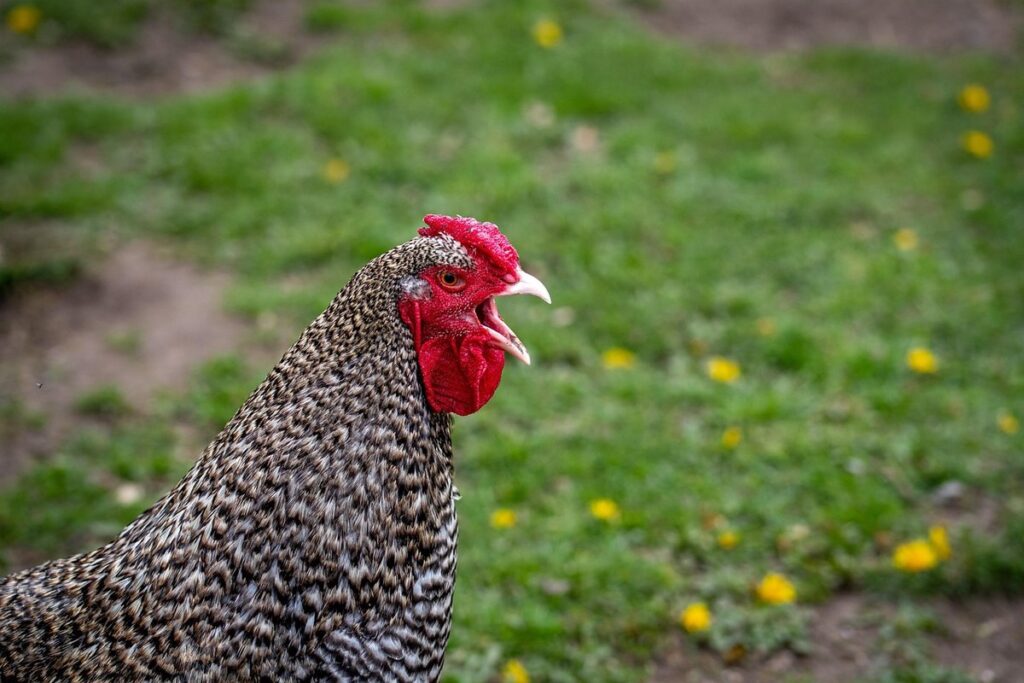
Lakenvelders are known for their striking physical characteristics that set them apart from other chicken breeds. Their plumage is a key identifying feature, with a mottled pattern of white and black feathers on the body, often with a slight sheen to it. This unique coloration can vary in intensity, but the overall effect is a visually appealing mix of light and dark.
Their beak shape is also noteworthy, being relatively short and broad compared to other breeds. This makes them well-suited for pecking at food on the ground rather than scratching with their feet. Their legs are another defining feature – typically a deep black color that provides a striking contrast to the mottled feathers above.
In terms of overall body structure, Lakenvelders tend to be medium-sized birds with sturdy builds. They have broad chests and strong wings, which make them well-suited for free-ranging or backyard chicken-keeping. When selecting a Lakenvelder, look for birds that exhibit these physical characteristics, as they are often an indicator of the breed’s overall health and temperament.
Temperament and Personality
When it comes to temperament and personality, the Lakenvelder breed is known for being one of the most docile and friendly chicken breeds. They are often described as having a gentle disposition, making them an excellent choice for families with children or for farmers who want a stress-free flock. One of the standout characteristics of Lakenvelders is their high intelligence – they are highly curious and can be trained to perform tricks and tasks.
Lakenvelders are also relatively low-maintenance when it comes to energy levels, requiring moderate exercise to stay happy and healthy. They are not as demanding as some other breeds and can thrive in smaller backyard settings or even on a small farm with limited space. Interacting with humans is also a breeze – Lakenvelders love attention and will often follow you around the yard, seeking treats and pets.
In terms of personality, Lakenvelders are known for being social birds that enjoy the company of other chickens and even other animals. They can be integrated into existing flocks with ease, making them an excellent choice for small-scale farmers or backyard chicken keepers looking to expand their flock.
Health Considerations
As you consider bringing the Lakenvelder chicken breed into your flock, it’s essential to be aware of their unique health considerations. While they are generally a hardy and robust breed, there are some specific concerns that potential owners should be mindful of.
One issue to watch for is the risk of hypovitaminosis A, a condition caused by a deficiency in vitamin A. This can lead to problems with feather growth, skin health, and even vision impairment. To mitigate this risk, ensure your Lakenvelders have access to a balanced diet rich in fresh fruits and vegetables.
Additionally, Lakenvelders may be prone to certain genetic conditions such as achalasia, a disorder that affects the esophagus’s ability to move food into the stomach. This condition can be identified through genetic testing before breeding, but responsible breeders should also prioritize regular health checks for their birds.
Regular veterinary care and proper nutrition are key to maintaining your Lakenvelders’ overall health. By being aware of these potential issues and taking proactive steps, you can help ensure that your flock remains healthy and thriving.
Raising Lakenvelders
If you’re considering bringing a Lakenvelder into your backyard flock, learning how to raise them is essential for their health and happiness. This section will walk you through the ins and outs of caring for this unique breed.
Housing Requirements
When it comes to housing your Lakenvelder chickens, there are several key considerations to keep in mind. First and foremost, these birds require a significant amount of space to roam. A general rule of thumb is to provide at least 4-5 square feet of indoor space per bird, with an additional 8-10 square feet of outdoor access.
In terms of coop dimensions, a Lakenvelder-friendly coop should be around 2-3 feet wide and 6-8 feet long, with adequate ventilation and protection from the elements. It’s also essential to consider the height of your coop – Lakenvelders are known to be decent flyers, so they’ll need a sturdy roof that can withstand their attempts to escape.
When it comes to outdoor access, be sure to provide a securely fenced area where your birds can exercise and forage safely. This will not only keep them happy and healthy but also help prevent escapes and predation. Consider incorporating features like perches, nesting boxes, and dust baths to make the most of your Lakenvelder’s outdoor time.
Nutrition and Diet
When it comes to feeding and hydrating your Lakenvelder chickens, understanding their nutritional needs is crucial for their health and well-being. As a breed, Lakenvelders require a balanced diet that includes high-quality protein sources, essential vitamins, and minerals.
In terms of feed types, you can provide your Lakenvelders with either commercial layer feed or a mix of grains such as oats, wheat, and barley. However, it’s essential to note that free-range birds like Lakenvelders benefit from foraging and eating insects, so supplementing their diet with live mealworms or crickets can be beneficial.
When it comes to watering practices, make sure to provide fresh water at all times, changing the water frequently to prevent bacterial growth. Aim for a ratio of 1:1 when mixing supplements with feed, such as calcium and oyster shells, which are vital for maintaining strong eggshell production and bone health.
Remember, every bird is different, so be prepared to adjust their diet accordingly based on individual needs and preferences. A healthy and balanced Lakenvelder chicken breed is the result of attention to detail and dedication to providing optimal nutrition.
Egg Production and Expected Yields
Lakenvelders are known for their moderate egg-laying abilities, producing an average of 200-220 eggs per year. This is a respectable output considering the breed’s size and temperament. Egg size tends to be on the smaller side, ranging from small to medium in most cases. However, this shouldn’t deter you if you’re looking for a dual-purpose bird that can provide both meat and eggs.
It’s worth noting that Lakenvelder hens tend to start laying eggs at around 18-20 weeks of age, which is slightly earlier than some other breeds. Eggshell quality is generally strong, with a smooth texture and moderate thickness. While not as prolific as some commercial layers, the Lakenvelders’ egg-laying abilities make them an attractive choice for backyard flocks or small-scale farmers.
When it comes to managing your Lakenvelder’s egg production, be sure to provide adequate nutrition and proper care. A balanced diet that includes plenty of protein, calcium, and other essential nutrients will help support their egg-laying capabilities. Additionally, ensure they have access to fresh water and a clean living environment to promote overall health and well-being.
Breeding and Show Standards
When it comes to breeding Lakenvelder chickens for shows, understanding their breed standard is crucial. In this section, we’ll walk you through what makes a top-notch Lakenvelder show bird.
Breeding Practices and Selection
When breeding the Lakenvelder chicken breed, it’s essential to understand the importance of selective breeding and genetic diversity. The goal is to maintain and improve the breed’s distinctive characteristics while minimizing the risk of inherited diseases.
To achieve this, breeders must carefully select parents with desirable traits such as plumage quality, egg-laying ability, and temperament. A good rule of thumb is to choose birds from a pool of at least 10-15 breeding stock to maintain genetic diversity.
When it comes to mating strategies, breeders can employ various methods, including single-pair mating or group breeding. Single-pair mating involves matching two birds with complementary traits, while group breeding allows multiple males and females to mate freely.
Genetic considerations are crucial when breeding the Lakenvelder. Breeders should avoid inbreeding, which can lead to reduced fertility, increased susceptibility to disease, and a decrease in overall health. Instead, they should prioritize outbreeding or line-breeding, where birds from different bloodlines or related lines are crossed.
Breeders must also keep detailed records of their breeding program, including data on bird performance, fertility rates, and genetic diversity. This information will help them identify trends, make informed decisions, and ensure the long-term health and viability of the breed.
Show Standards and Judging Criteria
When participating in poultry shows with your Lakenvelder chickens, it’s essential to understand the judging criteria and standards that judges use to evaluate birds. These characteristics are not only used to determine show winners but also to ensure the breed’s integrity and consistency.
Key characteristics that judges look for when evaluating Lakenvelders include their robust build, compact size, and well-feathered appearance. Birds should have a deep breast, broad back, and strong legs. Their plumage should be smooth, glossy, and well-defined, with a distinctive black saddle on the back.
Judges also assess the breed’s overall temperament, looking for birds that are friendly, docile, and easy to handle. A well-balanced bird will move effortlessly around the show pen, displaying its excellent agility and poise.
To increase your chances of winning with your Lakenvelder chickens, focus on developing birds that exhibit these characteristics. Pay close attention to their breeding and selection, ensuring that you’re working with birds that have a strong foundation in these key areas. By doing so, you’ll be well-prepared for the show ring and more likely to impress judges with your beautiful, top-notch Lakenvelders.
Unique Traits and Uses
One of the most interesting aspects of owning a Lakenvelder chicken is discovering its unique characteristics, from striking color patterns to specialized uses on small farms. Let’s dive into some of these distinctive traits and uses.
Cold Hardiness and Winter Adaptability
One of the most impressive traits of the Lakenvelder chicken breed is their remarkable ability to adapt to cold climates and tolerate snow. Originating from Germany, this breed has evolved to withstand harsh winter conditions, making them an excellent choice for farmers and backyard flock owners living in areas with cold winters.
In fact, Lakenvelders have a unique feather pattern that helps to keep them warm in sub-zero temperatures. Their white underfeathers reflect sunlight, while their black-tipped hackle feathers absorb heat from the sun, creating a natural insulation effect. This clever combination allows them to maintain body temperature even when it’s freezing outside.
If you live in an area with cold winters, don’t worry about your Lakenvelders struggling to stay warm. With proper care and management, they’ll thrive in temperatures as low as 0°F (-18°C). To ensure their health and well-being, make sure to provide them with a dry roosting area, plenty of food and water, and adequate shelter from the elements.
In areas where snow is common, Lakenvelders will even venture out into the yard to forage for food during light snowfalls. Their hardiness also makes them resistant to frostbite, which can be a major issue with other breeds.
Foraging Ability and Free-Range Potential
One of the most impressive traits of the Lakenvelder breed is their innate ability to forage for food. In their natural habitat, they would roam freely, pecking at insects, seeds, and plants to supplement their diet. This instinctual behavior makes them an ideal choice for free-range or pasture-raised systems.
In fact, studies have shown that foraging chickens can reduce their reliance on commercial feed by up to 50%, making them a more cost-effective option for farmers. To tap into this potential, it’s essential to provide your Lakenvelders with a diverse and varied environment. This can be achieved by incorporating a mix of grasses, clover, and herbs into their grazing areas.
By mimicking their natural behavior, you can unlock the full potential of the Lakenvelder breed in free-range systems. With proper management and planning, you can create an efficient and sustainable chicken-keeping operation that benefits both your birds and your bottom line.
Conclusion
In conclusion, the Lakenvelder chicken breed is an excellent choice for backyard flock owners and enthusiasts. After reviewing its history, characteristics, and advantages, it’s clear that this bird has a lot to offer. Whether you’re a seasoned poultry keeper or just starting out, the Lakenvelder’s hardiness, adaptability, and impressive egg-laying abilities make it an attractive addition to any flock. By considering factors such as climate, diet, and breed selection, you can confidently incorporate these birds into your existing setup or start fresh with a new flock. With proper care and attention, the Lakenvelder will thrive and provide years of enjoyment and productivity in your backyard chicken-keeping endeavors.
Frequently Asked Questions
What are the ideal conditions for raising Lakenvelder chickens, and how can I replicate them on a small farm or backyard flock?
Lakenvelders thrive in temperatures between 40°F to 80°F (-40°C to 27°C). To replicate these conditions, ensure good ventilation, provide adequate shade, and use insulation to maintain a stable temperature range. You can also consider using a greenhouse or cold frame for additional protection during harsh winters.
How do I handle common health issues in Lakenvelder chickens, such as frostbite and respiratory problems?
Yes, regular monitoring of your flock’s health is crucial, especially in cold climates. Watch for signs of frostbite (frozen combs and toes) and take steps to prevent it, such as providing a warm shelter with adequate ventilation. For respiratory issues, ensure good air quality by maintaining cleanliness, controlling mites, and introducing dust-reducing measures.
Can Lakenvelder chickens be integrated into an existing flock with different breeds?
Yes, Lakenvelders are known for their friendly nature and adaptability. However, it’s essential to introduce them slowly and under close supervision to prevent conflicts. Start by separating the birds temporarily and allowing them to become familiar with each other through scent exchange before integrating them.
How do I identify a high-quality Lakenvelder rooster, particularly in terms of its temperament and breeding potential?
When selecting a rooster for breeding purposes, observe its behavior around hens and chicks, as well as its overall health. Look for signs of aggression or fearlessness, but also consider traits like gentle nature and the ability to handle stress.
Can Lakenvelders be used for exhibition or show purposes, and what are the essential characteristics judges look for?
Yes, Lakenvelders have been successfully shown in various poultry exhibitions due to their striking appearance and robust build. When preparing your bird for showing, pay close attention to its plumage quality, size, and overall structure. Judges typically look for birds that conform closely to breed standards, with emphasis on balanced proportions and vibrant coloration.