
The Phoenix chicken breed is making waves in the world of backyard farming, and for good reason. This dual-purpose bird has been around since 1990, but its popularity is still on the rise. As a friendly and hardworking bird, the Phoenix is perfect for small-scale farmers or homesteaders who want to produce high-quality eggs without breaking the bank. But what makes this breed so special? In this article, we’ll delve into the history of the Phoenix chicken, exploring its origins and how it was developed specifically for its exceptional egg-laying abilities. We’ll also cover the key characteristics that make the Phoenix a favorite among farmers, from its friendly nature to its impressive growth rates. By the end of this article, you’ll know everything you need to get started with raising your very own Phoenix chickens.
History and Origins of the Phoenix Chicken
The origins of the Phoenix chicken breed are as fascinating as its name suggests, with a rich history that spans centuries. Let’s take a journey through time to uncover the roots of this unique bird.
Early Development and Purpose
The Phoenix chicken breed has its roots in the early 20th century when poultry farmers sought to create a versatile and hardy bird that could thrive in various environments. The initial purpose of developing this breed was to combine the desirable traits of different chicken breeds, creating a dual-purpose bird that excelled both as an egg-layer and meat producer.
The Phoenix breed’s origins can be attributed to the cross-breeding of the Brahma, Cochin, and Old English Game fowl, among others. This blend of genetics resulted in a robust and resilient bird with impressive size, feathering, and egg-laying capabilities. Farmers were drawn to the Phoenix for its ability to produce an average of 200 large brown eggs per year, making it an attractive choice for small-scale farmers.
As the breed gained popularity, poultry enthusiasts began to appreciate its unique characteristics, such as its distinctive plumage patterns and friendly temperament. Today, the Phoenix chicken remains a beloved breed among backyard flock owners and commercial producers alike, prized for its hardiness, rich egg production, and versatility in both backyard and commercial settings.
Key Breeders and Their Contributions
One of the most fascinating aspects of the Phoenix chicken breed is its rich history, which is deeply rooted in the contributions of dedicated breeders. Among these notable individuals are Henry B. Eckford and Robert Burns, who played a significant role in shaping the breed.
Henry B. Eckford is often credited with developing the first Phoenix chickens in the late 19th century. He selectively bred his birds to accentuate their unique characteristics, including their striking plumage and friendly demeanor. As a result of his efforts, the Phoenix chicken gained popularity as a show bird and backyard companion animal. Eckford’s contributions not only helped establish the breed but also paved the way for its widespread adoption.
Robert Burns, on the other hand, was instrumental in refining the Phoenix chicken’s appearance through careful breeding. He focused on improving the breed’s feather quality, which has become one of its defining features. His work has had a lasting impact on the breed, making it a staple in poultry shows and collections around the world. Today, these pioneering breeders serve as an inspiration to modern enthusiasts who strive to preserve and improve the Phoenix chicken breed.
Physical Characteristics and Variations
The Phoenix chicken breed boasts several distinct physical characteristics, including its unique plumage patterns and vibrant color schemes. You’ll find a range of variations within this breed.
Standard Traits and Markings
One of the most distinctive characteristics of the Phoenix chicken breed is its plumage. The breed comes in two main varieties: rosecomb and frill. The rosecomb variety has a single layer of feathers, while the frill variety has two layers with a tuft of feathers around the throat. This unique feature sets the Phoenix apart from other breeds.
The beak shape of the Phoenix chicken is also noteworthy. It’s typically strong and straight, with a slight curvature at the tip. In contrast to some other breeds, the Phoenix doesn’t have a hooked or tapered beak. When it comes to size variations, the breed is available in both light and heavy weight classes. Light-weight birds typically weigh between 5-6 pounds (2.3-2.7 kg), while heavier birds can reach up to 10 pounds (4.5 kg) or more.
When selecting a Phoenix chicken, it’s essential to consider its plumage type, beak shape, and weight class to ensure you’re getting the right bird for your needs. This will also help you determine whether your Phoenix is a rosecomb or frill variety.
Unique Features and Identifying Characteristics
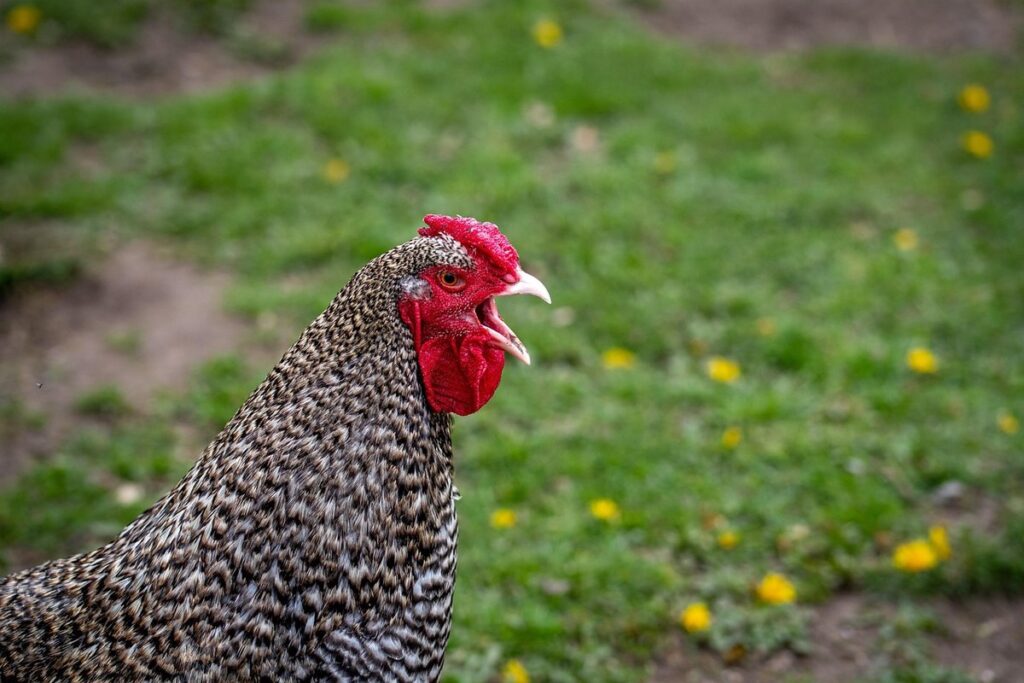
One of the most distinctive features of the Phoenix chicken breed is its unique feather pattern. The breed comes in three main varieties: Silver, Gold, and Bronze, each with its own characteristic color scheme. The Silver Phoenix has a predominantly white coat with subtle grey undertones, while the Gold Phoenix boasts a rich golden hue that can range from light cream to deep amber. The Bronze variety, on the other hand, features a warm, dark brown plumage.
In addition to their stunning feather patterns, Phoenix chickens are also known for their impressive combs and wattles. Both males and females have a medium-sized comb with five spikes, which is relatively rare in chicken breeds. This distinctive feature not only adds to their visual appeal but also serves as a practical indicator of their overall health.
When it comes to wing length, the Phoenix breed is notable for its relatively short wings compared to other large fowl breeds. However, this unique characteristic doesn’t compromise their flying abilities; in fact, they are capable of gentle glides and fluttering flights.
Temperament and Personality
When it comes to living with phoenix chickens, understanding their temperament and personality is crucial for creating a harmonious household. Let’s dive into what makes these birds tick.
Known Traits and Behaviors
The phoenix chicken breed is renowned for its gentle and affectionate nature. Owners often describe them as having a “sweet” personality, which makes them an excellent choice for families with children or those who are new to raising chickens. When interacting with humans, phoenixes are known to be calm and even-tempered, rarely displaying aggression unless provoked.
One of the most notable traits of the phoenix breed is their ability to form strong bonds with their owners. They have been observed following their owners around the yard, seeking attention and affection. In fact, some phoenix owners report that their birds will often perch on their laps or shoulders while being petted or fed treats.
In terms of socialization with other animals, phoenixes are generally friendly and adaptable. However, as with any breed, it’s essential to introduce them to new animals gradually and under controlled circumstances. With proper socialization, phoenixes can thrive in a variety of flock dynamics, from small backyard coops to larger commercial operations.
By understanding the known traits and behaviors of the phoenix chicken breed, you’ll be better equipped to provide the care and attention they need to become happy, healthy birds.
Raising and Training Considerations
When it comes to raising and training Phoenix chickens, understanding their unique temperament is crucial. These birds are known for being gentle, curious, and social, but they can also be quite skittish if not handled properly.
To promote a harmonious relationship with your Phoenix chicken, start by introducing them to new environments and people gradually. Avoid sudden movements or loud noises, as this can stress the bird out. Instead, move calmly and speak softly to help your Phoenix feel more at ease.
When it comes to feeding, Phoenix chickens are opportunistic foragers, so they’ll thrive on a balanced diet that includes a mix of grains, proteins, and fruits. Consider supplementing their commercial feed with fresh veggies and mealworms to keep them engaged and stimulated.
In terms of training, use positive reinforcement techniques such as offering treats or praise when your Phoenix performs the desired behavior. Be patient, as these birds can be slow to learn new tricks – but with consistency and repetition, they’ll eventually catch on. With time and practice, you’ll develop a strong bond with your Phoenix chicken, built on trust, respect, and understanding.
Uses in Agriculture and Homesteading
Phoenix chickens are a great fit for small-scale farmers, homesteaders, and backyard enthusiasts due to their friendly nature, hardiness, and adaptability to various environments. Let’s explore some of the key uses in agriculture and homesteading.
Egg Production and Quality
One of the most notable characteristics of the Phoenix chicken breed is its impressive egg-laying abilities. On average, a healthy and well-cared-for Phoenix hen can lay around 200-220 brown eggs per year. However, some individuals have been known to produce up to 250 eggs annually.
When it comes to egg quality, Phoenix hens are also praised for their high-quality eggs. The shells are typically sturdy and resistant to cracking, while the yolks are rich in color and flavor. The breed’s excellent foraging abilities contribute to the nutritional value of their eggs, making them a great choice for backyard chicken keepers looking to produce nutritious food for their families.
It’s worth noting that Phoenix hens may exhibit some variation in egg size and shape, depending on factors such as diet and individual bird characteristics. Some owners have reported that their Phoenix hens will occasionally lay larger or smaller eggs than usual, but overall the breed’s consistency is impressive.
Meat Production and Characteristics
When it comes to using Phoenix chickens as a meat source, their unique characteristics make them an attractive option for small-scale farmers and homesteaders. One of the notable advantages is their fast growth rate, which allows them to reach market weight in just 8-10 weeks. This rapid growth rate enables breeders to have multiple harvests per year, increasing overall production.
In terms of feed conversion ratios, Phoenix chickens are known to be efficient converters of feed into meat, with an average ratio of 2:1 or better. This means that for every two pounds of feed they consume, they produce one pound of edible meat, making them a cost-effective choice for farmers. Additionally, their high carcass yield contributes to the overall profitability of raising Phoenix chickens as a meat source.
If you’re planning to raise Phoenix chickens for meat, consider these tips: start with a reliable breed stock, provide adequate nutrition and care, and ensure proper processing and handling practices to maintain quality and food safety.
Health Considerations and Maintenance
When it comes to caring for a Phoenix chicken, understanding its specific health needs is crucial. Let’s explore some key considerations to ensure your bird stays happy and healthy throughout its life.
Common Health Issues and Prevention
As you work with your Phoenix chicken breed, it’s essential to be aware of potential health issues that may arise. One common problem is respiratory infections due to their heavy build and compact lungs. To prevent these infections, maintain good ventilation in the coop, ensure regular cleaning, and monitor for signs of illness.
Another issue affecting Phoenix chickens is obesity. Their laid-back nature can make them prone to overeating, leading to weight-related problems. Provide a balanced diet, limit treats, and ensure access to exercise areas to keep your birds active.
Regular vaccinations are also crucial in preventing diseases such as Marek’s disease and Newcastle disease. Consult with a veterinarian to determine the best vaccination schedule for your flock based on their age, health status, and local disease prevalence.
In addition to these measures, monitor your Phoenix chickens’ health closely, watching for signs of illness or stress. Early detection is key in preventing complications from emerging health issues.
Nutritional Requirements and Feeding Strategies
As a breeder or owner of Phoenix chickens, it’s essential to provide them with a balanced diet that meets their specific nutritional requirements for optimal health and egg production. Phoenix chickens are known to be prolific layers, producing an average of 200-220 eggs per year, so their dietary needs are crucial.
To start, Phoenix chickens require a high-quality layer feed that contains around 16-18% protein, which is slightly higher than the average requirement for other chicken breeds. A good layer feed should also contain essential vitamins and minerals like calcium, phosphorus, and vitamin D3 to support strong eggshell production.
It’s also important to provide your Phoenix chickens with access to fresh fruits and vegetables daily, such as leafy greens, carrots, and berries. These foods not only add variety to their diet but also provide essential nutrients that are often lacking in commercial feeds. For example, dark leafy greens like kale and spinach are rich in calcium, which is vital for strong eggshell production.
In terms of feeding strategies, it’s recommended to divide your Phoenix chickens’ daily ration into two or three meals to prevent overeating and promote healthy digestion. It’s also essential to provide fresh water at all times and ensure that their feeders and waterers are clean and free from contamination.
Breeding and Preservation Efforts
To ensure the phoenix chicken breed thrives, careful breeding and preservation efforts are crucial to maintain its unique characteristics. This includes selective breeding programs and collaboration among enthusiasts.
Key Considerations for Breeders
When breeding the Phoenix chicken, responsible practices are crucial to preserve and develop this unique breed. As a breeder, it’s essential to prioritize genetic diversity to prevent inbreeding depression and maintain the breed’s overall health. This means selecting birds from reputable lines with diverse ancestry and minimizing close-line breeding.
Another critical consideration is maintaining accurate breed standards. The Phoenix chicken has distinctive characteristics, such as its rose comb, feather quality, and body type. Breeders must adhere to these standards to ensure that their birds meet the breed’s specific requirements. Regularly review and update breed standards to reflect changes in breed development and ensure consistency across breeding programs.
Additionally, breeders should prioritize transparency and record-keeping. Accurate documentation of lineage, health testing, and breeding records is vital for maintaining a healthy and thriving Phoenix chicken population. This information also helps identify potential genetic issues and informs breeding decisions.
Organizations Supporting Chicken Conservation
If you’re passionate about preserving heritage poultry breeds like the Phoenix Chicken, there are several organizations dedicated to this cause that you can support. The Livestock Conservancy is a great example of an organization working tirelessly to conserve and promote endangered poultry breeds. They provide resources for breeders, including a conservation status ranking system and a directory of breeders who specialize in preserving heritage breeds.
Another notable organization is the American Bantam Bee Club (ABBC), which focuses on conserving bantam fowl but also supports the preservation of other heritage breeds like the Phoenix Chicken. They offer breed-specific guides, articles, and resources for enthusiasts and breeders alike.
The Backyard Chickens community on Facebook is another excellent platform to connect with like-minded individuals who share a passion for preserving heritage poultry breeds. Joining this group can provide you with valuable advice from experienced breeders, as well as access to resources and knowledge specific to the Phoenix Chicken breed.
These organizations offer a wealth of information and support for those interested in preserving heritage poultry breeds like the Phoenix Chicken. By joining forces with these dedicated groups, you can help ensure the long-term survival of this remarkable breed.
Frequently Asked Questions
Can I raise Phoenix chickens in a small backyard or urban setting?
Raising Phoenix chickens is ideal for small-scale farmers, homesteaders, or even those with limited space. However, it’s essential to ensure that your area allows backyard chicken keeping and complies with local regulations. Before bringing home your new flock, check with your local government for specific ordinances regarding the number of chickens you can keep and any necessary permits.
How long does it take for Phoenix chickens to mature and start laying eggs?
Phoenix chickens are known for their impressive growth rates. They typically reach maturity between 16-20 weeks, at which point they will begin laying high-quality eggs. Factors such as nutrition, health, and genetics can influence individual birds’ development, but on average, you can expect your Phoenix hens to start producing eggs within a few months of reaching maturity.
Are Phoenix chickens prone to specific health issues or genetic disorders?
While no breed is completely immune to disease, Phoenix chickens are generally hardy and resistant to many common chicken health issues. However, as with any flock, it’s crucial to maintain proper care, nutrition, and biosecurity measures to minimize the risk of illness. Regular vaccinations and parasite control will help keep your birds healthy.
Can I use Phoenix chickens for meat production as well as egg laying?
One of the defining characteristics of the Phoenix breed is its exceptional dual-purpose nature. While they are primarily raised for their high-quality eggs, Phoenix chickens also make excellent meat producers. Their rapid growth rate and muscular build make them suitable for both table fare and traditional meat markets.
How can I ensure that my Phoenix chickens have a balanced diet to support their health and egg production?
A well-balanced diet is crucial for maintaining the health and productivity of your flock. Provide high-quality commercial chicken feed as the main staple, supplemented with fresh fruits and vegetables as treats. Ensure access to clean water at all times and consider incorporating calcium-rich foods or supplements to promote strong eggshell development.