
If you’re new to raising backyard chickens or looking to expand your flock, you may have come across sex link chicken breeds. But what exactly are they? Sex link chickens are a type of hybrid breed that’s specifically designed for their egg-laying abilities and hardiness. Choosing the right breed can be overwhelming, especially with so many varieties available.
In this article, we’ll delve into the characteristics of sex link chicken breeds, exploring their strengths and weaknesses, as well as health considerations to keep in mind when integrating new hens into your flock. We’ll also cover tips on managing stress and ensuring a harmonious coop environment. Whether you’re an experienced breeder or just starting out, understanding sex link chicken varieties is crucial for creating a thriving backyard flock that meets your needs and provides delicious eggs.
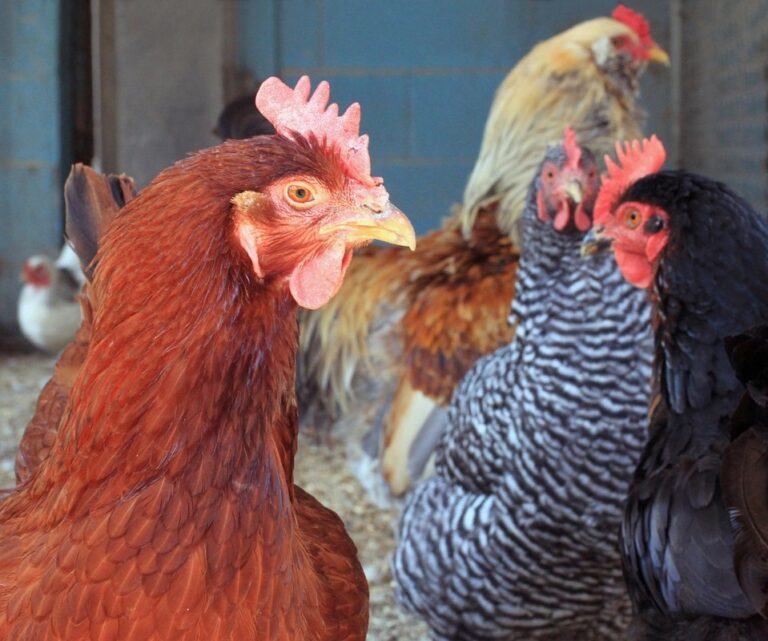
Understanding Sex Link Chickens
So you’re curious about how sex link chickens are identified and bred, let’s dive into the specifics of their unique characteristics. This process is rooted in genetics, making it fascinating to explore.
Origin and History of Sex Link Breeds
The concept of sex link chickens dates back to the 1920s when poultry breeders were looking for a way to identify pullets at hatching. The goal was to create a breed that would allow farmers to determine the sex of their chicks without having to wait until they reached maturity. Genetics played a crucial role in this development, as breeders focused on combining genes from two distinct breeds to create a characteristic color pattern that would only appear in females.
The process involves crossing a female chicken with a male rooster that carries the genetics for a specific color pattern. This results in chicks that inherit both sets of traits, including the sex-linked gene. When these chicks hatch, the females will display the predetermined color pattern, making it easier to identify them at an early age. The most common sex link breeds result from crossing the Barred Plymouth Rock rooster with a female Rhode Island Red or White Leghorn hen. By combining genetics in this way, farmers can now determine the sex of their chicks and make informed decisions about which birds will thrive on their farm.
Characteristics of Sex Link Chickens
When it comes to sex link chickens, there are several key characteristics that make them an excellent choice for backyard flocks. One of the most notable traits is their exceptional egg-laying performance. Sex links can lay up to 300 large brown eggs per year, making them a popular choice for families and small-scale farmers.
In addition to their impressive egg production, sex link chickens are known for their friendly and docile nature. They are often described as calm and gentle, which makes them an excellent choice for beginners or those with children. However, it’s worth noting that some sex link breeds can be more assertive than others, so it’s essential to research the specific breed you’re interested in.
Sex links also tend to grow quickly, reaching maturity within 16-18 weeks. This rapid growth rate is ideal for farmers who need to maximize their egg production or meat yield. Overall, the characteristics of sex link chickens make them a versatile and practical choice for many backyard flocks.
Popular Sex Link Chicken Breeds
If you’re new to keeping sex link chickens, choosing a popular breed can make a big difference in their overall health and egg-laying performance. Let’s take a look at some of the most sought-after Sex Link chicken breeds.
Ameraucana Sex Links: A Cross Between Ameraucanas and Other Breeds
Ameraucana sex links are a cross between Ameraucanas and other breeds, offering unique characteristics that can enhance backyard flocks. By combining the genetics of Ameraucanas with those of other breeds, farmers can create offspring that exhibit desirable traits from both parents.
One key advantage of using Ameraucana sex links is their genetic diversity. This diversity allows them to breed true-to-type, meaning they will consistently produce offspring with the same characteristics as the parent birds. For example, if you’re looking for chicks with a specific color pattern or egg-laying ability, an Ameraucana sex link can provide that.
Ameraucanas are known for their exceptional egg-laying abilities and cold hardiness. When bred with other breeds, these traits can be passed on to the offspring, making them ideal for backyard flocks in areas with cold climates. Additionally, Ameraucana sex links can inherit the genetic advantages of their parent breeds, such as increased disease resistance or improved foraging abilities.
When selecting an Ameraucana sex link breed, consider the characteristics you want to introduce into your flock and choose a cross that aligns with those goals.
Easter Egger Sex Links: Combining Easter Eggers with Other Breeds
Breeding Easter Egger sex links combines the unique characteristics of both parent breeds, resulting in a fascinating hybrid. One of the primary benefits is that these birds inherit the blue or green egg-laying trait from their Easter Egger parent, which means they will produce eggs with a range of colors and patterns, including pink, blue, green, and even some with speckles.
However, breeding Easter Eggers to create sex links also comes with its own set of challenges. For instance, it can be tricky to predict the egg-laying traits in offspring, as these are influenced by multiple genes. This unpredictability makes it essential for breeders to carefully select parents that will yield desired characteristics.
To successfully breed Easter Egger sex links, you’ll need to have a good understanding of genetics and egg production. Start by selecting two breeds: one with high egg production (such as Leghorns or Rhode Island Reds) and an Easter Egger parent. Then, introduce the rooster from the other breed into your flock.
Choosing the Right Sex Link Breed for Your Flock
When selecting a sex link breed, you’ll want to consider factors such as egg production, temperament, and appearance to find the best fit for your flock’s needs. Let’s explore some popular options.
Factors to Consider When Selecting a Sex Link Breed
When selecting a Sex Link breed for your flock, there are several key factors to consider. First and foremost, you’ll want to think about egg-laying performance. Some Sex Link breeds, like the Golden Comet, are prolific layers producing up to 200 large brown eggs per year. Others, like the Red Sex Link, may lay around 180-200 eggs annually. Consider how many eggs your household consumes and whether a breed’s production meets your needs.
Temperament is also crucial. Some Sex Link breeds can be quite docile, making them an excellent choice for families or small farms with children. The Barred Plymouth Rock Sex Link, for example, is known for its friendly and outgoing nature. Conversely, others like the Buff Orpington Sex Link may be more aggressive.
Lastly, consider space requirements. Some Sex Links require less space than others due to their compact growth. The Red Sex Link, for instance, requires around 2-3 square feet per bird inside the coop while others need up to 5-6 square feet. Ensure you choose a breed that fits your available space and management style.
It’s essential to research each breed thoroughly and understand their unique characteristics before making a decision.
Managing Expectations with Different Sex Link Breeds
When it comes to managing expectations with different sex link breeds, it’s essential to understand that each breed has its unique characteristics and temperament. Some breeds are better suited for small backyard flocks, while others excel in larger operations.
For instance, the Barred Plymouth Rock Sex Link is a popular choice among backyard flock owners due to its friendly and docile nature. They’re great with children and make excellent family pets. On the other hand, the Golden Comet Sex Link is more energetic and requires more space to roam. They’re ideal for larger flocks or those who have plenty of room for them to exercise.
Common misconceptions about certain breeds can lead to disappointment if not managed properly. Some people assume that sex link breeds are all high-strung or nervous, but this isn’t necessarily true. The Leghorn Sex Link, for example, is known for being active and alert, but they’re also highly intelligent and relatively easy-going.
To manage your expectations with different sex link breeds, research their specific needs and characteristics before bringing them home. Consider factors like space requirements, noise levels, and egg production. This will help ensure a harmonious relationship between you and your flock.
Health Considerations for Sex Link Chickens
When it comes to keeping sex link chickens, understanding their health considerations is crucial. Let’s dive into the key factors that affect their well-being and longevity.
Common Health Issues in Sex Link Flocks
Sex link chickens are known for their hybrid vigor and disease resistance, but they’re not immune to health issues. As with any flock, genetic predispositions and environmental factors can contribute to disease. Some common health concerns specific to sex links include Marek’s disease, a viral condition that affects the nervous system and can be fatal if left untreated.
Another issue is the potential for heat stress in summer months due to their predominantly red feathering, which can make them more susceptible to heat-related illnesses. Inadequate ventilation or overcrowding can exacerbate this problem, so it’s essential to ensure your coop is well-ventilated and not too cramped.
Additionally, sex link chickens may be prone to respiratory problems, such as bronchitis or pneumonia, if they’re exposed to dust, drafts, or poor air quality. Regular cleaning of the coop, providing a balanced diet, and maintaining good hygiene practices can all help prevent these issues from arising. Regular health checks by a veterinarian will also help identify any potential problems early on.
Managing Health Risks with Proper Care and Nutrition
When it comes to managing health risks with sex link chickens, proper care and nutrition play a crucial role. A well-balanced diet is essential for maintaining the overall health of your flock. Feed them high-quality commercial layer feed that meets their nutritional needs, but also supplement with fresh fruits and vegetables to ensure they get a range of essential vitamins and minerals.
Sanitation is another critical aspect of maintaining a healthy flock. Keep their living area clean by removing soiled bedding material regularly and disinfecting the coop and run thoroughly. This will help prevent the spread of diseases like respiratory infections, mites, and lice.
Regular veterinary check-ups are also vital for identifying potential health issues early on. Consult with a veterinarian experienced in poultry care to schedule regular health checks for your sex link chickens. Keep records of vaccinations, treatments, and any medical history to ensure you’re providing the best possible care for your flock.
Sex Link Chickens in Backyard Flocks: Tips for Success
When raising sex link chickens in your backyard flock, getting a mix of males and females can be challenging. This section offers practical advice on successfully integrating sex links into your flock.
Integrating New Hens into Your Existing Flock
Introducing new sex link hens to an existing flock can be a daunting task, but with a well-planned approach, it can be a smooth and stress-free process for both the birds and their owners. When integrating new hens into your existing flock, it’s essential to consider factors like pecking order, age, and personality.
Start by introducing the new hens in a separate enclosure or run where they can get accustomed to each other before releasing them together with the rest of the flock. This will allow you to monitor their interactions and prevent any potential conflicts. A good rule of thumb is to introduce birds that are compatible in terms of age and temperament.
For example, if you have older hens that are established in your flock, it’s best to introduce younger birds separately, allowing them to get used to each other gradually. Also, consider introducing new birds one at a time, giving your existing flock sufficient time to adjust to each newcomer before bringing in another.
Some key things to keep in mind when integrating new sex link hens into your existing flock include:
* Monitoring their behavior and body language closely
* Providing plenty of food, water, and space for all birds to reduce competition and stress
* Ensuring that the new birds have a safe place to retreat if they feel overwhelmed or threatened
* Gradually increasing their access to shared resources like feeders and nesting boxes
Managing Stress and Reducing Aggression
When it comes to managing stress and reducing aggression among Sex Link chickens, it’s essential to prioritize their welfare. One of the most significant contributors to stress is overcrowding. Ensure that each hen has enough space to roam, stretch her wings, and engage in natural behaviors like dust bathing and foraging. A general rule of thumb is to provide at least 3-4 square feet per bird inside the coop and 8-10 square feet per bird in the run.
Maintaining a balanced social structure is also crucial. Sex Link chickens are known to be friendly and docile, but introducing new birds can disrupt the pecking order. To minimize aggression, introduce new hens slowly, allowing them to get familiar with each other’s scents, sounds, and visual cues before releasing them into the same coop. By providing adequate space and promoting a harmonious social structure, you’ll create a stress-free environment for your Sex Link chickens to thrive in.
Sex Link Chicken Varieties in Commercial Egg Production
When it comes to commercial egg production, Sex Link chicken varieties are a top choice for many farmers and breeders due to their impressive egg-laying abilities. Let’s take a closer look at these varieties in action!
Large-Scale Advantages of Using Sex Link Breeds
Using sex link breeds in commercial egg production offers numerous large-scale advantages that set them apart from other types of chicken varieties. One of the primary benefits is their exceptional egg-laying capacity. Sex links are bred specifically for high production rates, with some varieties capable of laying up to 300 eggs per year. This level of productivity makes them an ideal choice for commercial egg producers looking to maximize their yields.
In addition to high egg production, sex link breeds also exhibit excellent disease resistance. Their robust immune systems help reduce the risk of illness and disease outbreaks, minimizing the need for antibiotics and other treatments. This not only improves bird welfare but also helps maintain a healthy flock and reduces operational costs.
Furthermore, sex links are often easier to manage due to their consistent temperament and breed-specific characteristics. For example, many sex link varieties have a more docile nature, making them suitable for close confinement systems. By choosing sex link breeds, commercial egg producers can streamline their operations and focus on other aspects of their business, such as improving feed efficiency or exploring new market opportunities.
Challenges and Considerations for Commercial Breeders
Commercial breeders who rely on sex link chicken varieties for egg production face unique challenges that can impact their operations. One of the primary concerns is maintaining genetic diversity within their flocks. Sex link chickens are bred specifically to produce a high volume of eggs, but this selective breeding can lead to a loss of genetic variation over time.
As consumers become increasingly aware of animal welfare and sustainability issues, commercial breeders must balance meeting consumer demand with maintaining healthy and diverse populations. For example, some large-scale egg producers have implemented rotational breeding programs that introduce new genetics into their flocks periodically, helping to maintain diversity while still meeting production needs.
To address these challenges, commercial breeders can consider working with reputable hatcheries or genetic suppliers who offer sex link varieties with built-in genetic diversity. Regular health checks and monitoring of flock performance can also help identify potential issues before they become major problems.
Conclusion: Sex Link Chicken Varieties for a Sustainable Future
As we conclude our guide to sex link chicken varieties, let’s explore how these breeds can play a vital role in creating a more sustainable future for your backyard flock.
Recap of Key Points and Takeaways
As we conclude our comprehensive guide to sex link chicken varieties, let’s recap the key points and takeaways that will help you make informed decisions about these sustainable and profitable breeds. Sex link chickens offer a unique combination of desirable traits, including high egg production, quick growth rate, and attractive feather patterns.
We’ve discussed the two main types of sex link breeds: Barred Plymouth Rock and Dekalb White, each with its own set of characteristics that make them ideal for small-scale farmers and backyard chicken keepers. For example, Barred Plymouth Rocks are known for their hardiness and adaptability to diverse environments, while Dekalb Whites excel in egg production and disease resistance.
Key takeaways from this article include the importance of selecting sex link breeds for efficient feeding and space requirements, as well as their potential to thrive in intensive farming systems. We’ve also highlighted the role of genetics in determining sex link characteristics, such as feather color and broodiness. By understanding these factors, you can choose the best sex link breed for your specific needs and goals.
Ultimately, sex link chickens offer a sustainable and profitable solution for small-scale farmers and backyard chicken keepers seeking to optimize their operations while promoting animal welfare.
Future Directions in Sex Link Breeding
As we conclude our comprehensive guide to sex link chicken varieties, it’s exciting to look ahead at the future directions of this innovative breeding technique. Genetic research and innovations are propelling the field forward, holding immense promise for improved egg production, better disease resistance, and enhanced sustainability.
One emerging trend is the focus on precision breeding, which involves selecting specific genetic markers associated with desirable traits in sex link chickens. This approach has already shown promising results in several studies, allowing breeders to pinpoint exactly what genes contribute to exceptional egg-laying capacity or heat tolerance. By harnessing this knowledge, farmers can create more tailored and efficient breeding programs that address their unique needs.
Another area of research is exploring new sex determination systems, which could potentially replace the existing ZW system used in sex link breeding. These novel approaches may offer greater flexibility and control over egg production, enabling breeders to fine-tune their flocks for optimal performance. While still in its infancy, this research has the potential to revolutionize the industry by unlocking new genetic possibilities.
While it’s essential to acknowledge that these advancements are still in development stages, they signal an encouraging shift towards more targeted and sustainable sex link breeding practices. As breeders continue to explore innovative techniques, we can expect even greater strides in egg production efficiency, animal welfare, and environmental stewardship – all hallmarks of a truly regenerative poultry industry.
Frequently Asked Questions
What are the ideal conditions for sex link chickens to reach their full egg-laying potential?
Sex link chickens require a balanced diet, adequate light, and proper ventilation to maximize their egg production. A well-maintained coop with regular cleaning, fresh water, and nutritious feed can help them thrive. It’s also essential to provide enough space per bird (about 3-4 square feet) and ensure they get at least 14 hours of light daily during the laying season.
How do I introduce new sex link chickens to my existing flock without causing stress or aggression?
When introducing new hens, start by placing them in a separate coop for a few days before integrating them with your existing flock. This allows them to adjust and become familiar with their surroundings. Gradually increase their interaction time under close supervision, monitoring body language and behavior. Provide enough space and resources to prevent competition.
Can sex link chickens be used for meat production as well as egg-laying?
Yes, many sex link chicken breeds can be raised for both egg and meat purposes. Some popular varieties, such as the Sex-Link Cross or the Red Sex Link, are known for their excellent flavor and texture. However, it’s essential to note that raising chickens for meat requires different management practices than those for egg production.
How do I identify a sex link chicken breed in its early stages of development?
Sex link chicks can be identified by their distinctive coloration patterns, which vary depending on the specific breed. For example, some breeds may have a yellow or red tint to their feathers. Look for these characteristic markings and consult with experienced breeders if you’re unsure about identifying sex link chickens.
What are the most common health issues I should watch out for in my sex link flock?
Sex link chickens can be prone to health issues like Marek’s disease, respiratory problems, and parasites. Regular vaccinations, a balanced diet, and good sanitation practices can help minimize these risks. It’s also crucial to monitor your birds’ behavior and seek veterinary advice if you notice any unusual symptoms or stress indicators.