
Are you tired of constantly cleaning up after your feathered friends, only to see them toss their food on the ground? A messy backyard poultry operation can be frustrating and wasteful. But, did you know that you can easily create a no-waste chicken feeder using DIY plans and designs? Not only will this save you time and resources, but it’ll also improve the health and well-being of your flock by reducing competition for food and minimizing bacterial contamination.
In this article, we’ll show you how to build a low-cost, eco-friendly chicken feeder that will reduce waste and keep your birds happy. We’ll walk through the easy-to-follow DIY plans, highlight essential design features, and discuss the benefits of making the switch to a no-waste feeding system. Whether you’re an experienced backyard farmer or just starting out, this project is perfect for anyone looking to simplify their poultry operation and create a healthier environment for their birds.
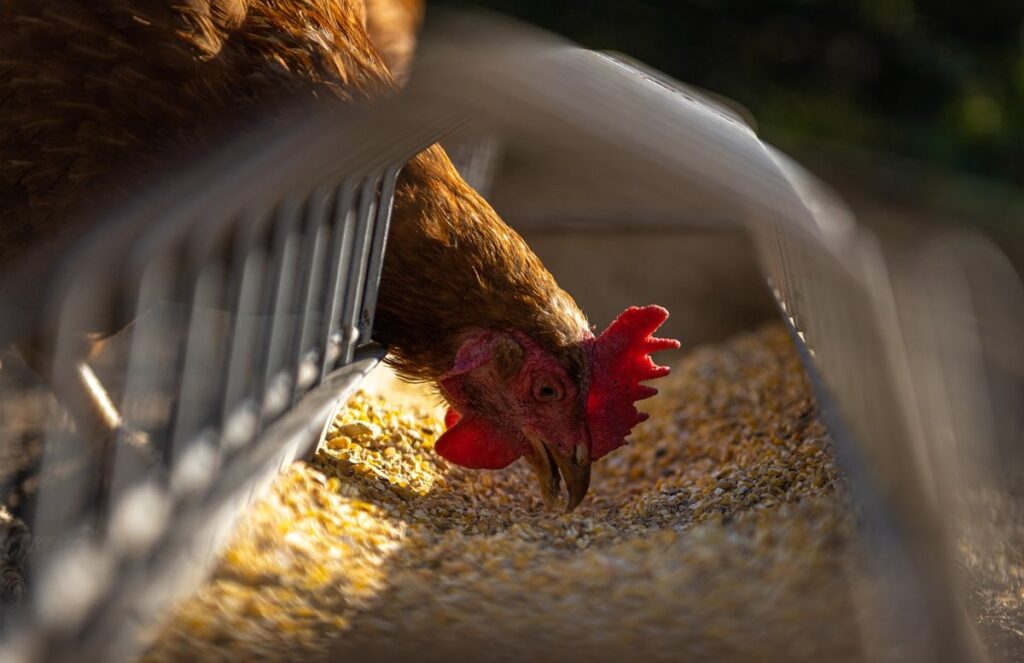
Introduction to No-Waste Feeders
Welcome to our comprehensive guide on building a no-waste chicken feeder DIY! In this section, we’ll walk you through the basics of designing and creating an efficient feeding system for your flock.
Understanding the Importance of Reducing Waste in Backyard Flocks
Reducing waste in backyard flocks is not just beneficial for the environment; it’s essential for maintaining healthy and thriving birds. Traditional feeders often lead to a significant amount of food being wasted due to spills, overeating, and competition among chickens for access to food.
In fact, studies have shown that up to 30% of feed can be lost through waste when using traditional feeders. This not only means money is being thrown away but also resources are being squandered. Chickens are intelligent birds that have natural foraging behaviors, which when hindered by a traditional feeder can lead to health issues and stress.
A no-waste chicken feeder can significantly reduce these issues, ensuring your flock gets the nutrition they need without generating excessive waste. By installing a well-designed no-waste feeder in your backyard flock, you’ll not only save resources but also promote healthy eating habits for your birds.
Overview of DIY No-Waste Feeder Options
If you’re looking to create a no-waste chicken feeder for your backyard flock, there are numerous DIY options available. These feeders come in various designs, materials, and styles, each with its own set of benefits.
One popular option is the self-cleaning feeder made from plastic bottles or tubs. Cut out sections from the bottom and top, then attach a tray underneath to collect droppings. This design allows for easy cleaning and minimal waste. Another choice is the hanging feeder, which can be crafted using metal mesh, wooden dowels, and a few screws. This design encourages chickens to scratch and peck at their food, reducing waste.
You can also consider using repurposed containers like old pallets or crates to create a no-waste feeder. Simply drill holes in the bottom for drainage and attach a tray to collect droppings. These feeders are not only eco-friendly but also budget-friendly. Regardless of which design you choose, make sure it’s easy to clean and maintain to ensure your chickens’ health and well-being.
Designing Your No-Waste Chicken Feeder
Now that you have a basic feeder design, it’s time to think creatively about how to optimize your chicken feeder for minimal waste and maximum efficiency in your backyard flock. We’ll walk you through designing your own custom solution.
Choosing the Right Materials for Your Feeder
When it comes to designing your no-waste chicken feeder, selecting the right materials is crucial. You want to choose a material that’s not only durable but also easy to clean and maintain. This will not only save you time and effort but also prevent health issues for your chickens.
Start by considering plastic or metal feeders. These are excellent options as they’re easy to clean, resistant to rust and corrosion, and can be made from recycled materials. Another option is using wooden feeders with a waterproof coating. Wooden feeders can add a rustic touch to your backyard but may require more maintenance than other materials.
When choosing materials, also think about the size of your feeder. A larger feeder will require more material, which can increase costs and make cleaning more challenging. Consider selecting a feeder that’s easy to disassemble for cleaning, or one with a removable tray.
Some eco-friendly options include using recycled plastic feeders or bamboo feeders. These materials are biodegradable and sustainable. Whichever material you choose, ensure it’s safe for your chickens and can withstand the elements. By selecting the right materials, you’ll not only create an efficient no-waste feeder but also promote a healthy environment for your flock.
Understanding Feeders’ Capacity and Layout Considerations
When designing your no-waste chicken feeder, it’s crucial to consider its capacity and layout to ensure efficient use. To determine the ideal capacity for your feeder, start by calculating the total amount of food your flock consumes daily. A general rule of thumb is to provide 1-2% of their body weight in feed per day. For example, if you have a flock of 10 chickens with an average weight of 3 pounds each, they’ll need around 2-4 pounds of feed daily.
When it comes to layout considerations, think about the flow and accessibility of your feeder. You want to minimize competition among birds and prevent overcrowding, which can lead to waste. Consider a U-shaped or V-shaped design that allows multiple chickens to access food simultaneously without squabbling over space. Also, position the feeder at a comfortable height for your flock, making it easy for them to eat and reducing straining.
Positioning the feeder near a water source is also essential, as this encourages birds to drink more frequently and maintain hydration.
DIY No-Waste Feeder Plans and Designs
Now that you have a solid understanding of why traditional chicken feeders waste, it’s time to dive into some practical solutions for building your own no-waste feeder at home. We’ll walk you through various DIY plans and designs.
Simple Wooden Feeder Design
Building a simple wooden no-waste feeder is a great place to start when it comes to reducing waste and promoting healthy chicken feeding habits. To get started, you’ll need the following materials:
* 1″ x 6″ cedar or pine wood for the base and sides (approx. 8′ long)
* 1/2″ x 4″ x 4′ plywood for the feed tray
* Wood screws
* Hinges
* Nails
* Waterproof glue
* Waterproof sealant
You’ll also need a few basic tools, including:
* Circular saw or hand saw for cutting wood
* Drill with screwdriver and drill bits
* Hammer
* Tape measure
* Square
* Safety glasses and gloves
Begin by assembling the base and sides of the feeder using wood screws. Make sure to predrill holes to avoid splitting the wood. Next, attach the feed tray to the top of the base using hinges, allowing for easy cleaning and maintenance. Finally, add a roof or cover to protect the feed from rain and debris.
This design is simple yet effective in reducing waste and keeping your chickens fed without generating unnecessary mess. You can also customize this plan to fit your specific needs and preferences.
PVC Pipe Feeder Plan with Adjustable Legs
Creating a PVC pipe feeder with adjustable legs is an excellent way to build a no-waste chicken feeder while adding convenience and flexibility. This design allows you to easily adjust the height of the feeder according to the growth stage of your chickens, ensuring they can comfortably eat without straining their necks.
To make this feeder, start by cutting four pieces of PVC pipe to desired lengths for the frame. Use a miter saw or a hacksaw to make precise cuts. Next, cut two more pieces for the legs and attach them to the bottom of the frame using PVC elbows. Make sure to tighten the connections securely.
The adjustable legs can be achieved by adding PVC pipe extensions that can be screwed into place at different heights. This feature makes it easy to accommodate chickens of varying sizes. For example, if you start with chicks, they’ll have lower feeding platforms. As they grow, simply raise the feeder using the adjustable legs.
When building this feeder, keep in mind that a slight angle is beneficial for preventing feed waste and encouraging chickens to eat efficiently. Also, consider adding a roof or lid to protect the feed from moisture and pests.
Building Your No-Waste Chicken Feeder
Now that you have a solid understanding of what makes a great no-waste chicken feeder, let’s dive into building one from scratch using materials you likely already have on hand.
Step-by-Step Instructions for Assembly
To assemble the no-waste chicken feeder, start by placing the base plate on a flat surface. Ensure it’s level and secure to prevent any tilting during use. Next, attach the feeding trough using the provided screws. Make sure they’re tightened firmly but avoid overtightening, which can cause damage to the feeder.
Now, attach the sloping sides, starting from the bottom and working your way up. Use a drill or screwdriver to secure them in place. Be mindful of the angle, as it should slope slightly to allow for easy waste disposal. Don’t forget to attach the tray at the bottom for collecting waste – this is a crucial component for maintaining hygiene.
Common mistakes to avoid include overtightening screws and not ensuring proper leveling. This can lead to feeding troughs becoming stuck or the feeder tipping over, causing messes and inconvenience. Double-check each step before moving on to ensure everything is secure and properly aligned.
Tips for Customization and Troubleshooting
As you complete your no-waste chicken feeder, it’s essential to remember that customization and troubleshooting are an ongoing process. To ensure a smooth feeding experience for both you and your chickens, consider the following advice.
When customizing your feeder, think about your flock’s specific needs. For example, if you have chicks or young pullets, you may want to install a ramp or steps to make it easier for them to access food. Alternatively, if you have older hens with mobility issues, you can adjust the feeder’s height or design to accommodate their needs.
Common issues with no-waste feeders include clogged ports, mold buildup, and pest infestations. To troubleshoot these problems, regularly inspect your feeder for signs of blockages or debris accumulation. You can also implement a cleaning schedule, using gentle soap and water to sanitize the feeder. Finally, consider adding a roof or cover to prevent pests like rodents or birds from accessing the feed.
Regular maintenance is crucial in preventing waste and ensuring a clean feeding area. Set aside time each week to inspect your feeder, clear out any debris, and refill food as needed. By following these tips, you’ll be able to enjoy a efficient and effective no-waste chicken feeder that benefits both your flock and the environment.
Maintaining Your No-Waste Chicken Feeder
To keep your no-waste chicken feeder functioning efficiently, you’ll want to regularly inspect and clean it to prevent mold growth and pest infestations. Schedule this maintenance for every 1-2 weeks.
Cleaning and Disinfecting Schedule
Regular cleaning and disinfecting of your no-waste chicken feeder is crucial to prevent disease transmission among your flock. It’s essential to create a schedule for these tasks to ensure your chickens stay healthy. Aim to clean the feeder every 2-3 days, especially during peak egg production or if you have a large flock.
Here’s a suggested cleaning and disinfecting schedule:
* Daily: Remove any debris or waste from the feeder
* Every 2-3 days: Thoroughly clean the feeder with soap and warm water
* Weekly: Disinfect the feeder with a mixture of 1 part white vinegar to 9 parts water
* Monthly: Deep clean the feeder by soaking it in a solution of 1 tablespoon unscented bleach per gallon of water for 10 minutes
Remember to always wear gloves when cleaning the feeder, and wash your hands thoroughly afterward. Regular cleaning will help prevent disease transmission and keep your flock healthy.
Monitoring Feed Levels and Adjusting as Needed
Monitoring feed levels is crucial to maintain a balanced feeding routine and prevent waste. Regularly check the feeder at least once a day, preferably during peak feeding times, to gauge the amount of food left. Make a mental note or keep a log to track consumption patterns.
Consider using a measuring scoop or cup to accurately measure out daily rations. This will help you adjust the feeder capacity as needed. For instance, if your flock is consuming more feed than expected, you can top up the feeder with additional pellets or grains.
Adjusting the feeder capacity may require adjustments to the feeder’s design or the feeding schedule. You might need to refill the feeder more frequently during peak growth periods or reduce the amount of food provided when there are fewer birds on hand. By monitoring feed levels and adjusting as needed, you’ll be able to maintain a no-waste policy while ensuring your chickens receive the right amount of nutrients for optimal health.
Benefits and Results of Using No-Waste Chicken Feeders
By using a no-waste chicken feeder, you can enjoy numerous benefits for your flock’s health and happiness, while also reducing waste and saving time.
Improved Flock Health and Hygiene
Using no-waste chicken feeders can have a significant impact on the overall health and hygiene of your flock. One of the primary benefits is reduced disease transmission. When chickens eat from conventional feeders, they come into contact with their own droppings and those of other birds, creating an ideal environment for pathogens to spread. No-waste feeders, on the other hand, keep food off the ground and away from feces, minimizing the risk of disease transmission.
Regular use of no-waste feeders can also lead to improved overall health in your flock. With reduced exposure to bacteria and parasites, chickens are less likely to contract diseases such as coccidiosis, histomoniasis, or respiratory infections. By keeping their living environment clean and free from contamination, you’ll enjoy better feather quality, fewer stress-related problems, and a stronger immune system overall.
Consider implementing regular cleaning routines for your no-waste feeders to prevent bacterial growth and maintain optimal hygiene. This can be as simple as wiping down the feeder with a mild detergent after each use or thoroughly disinfecting it every week or two.
Environmental Impact and Cost Savings
When you make the switch to no-waste chicken feeders, you’re not only reducing waste and minimizing mess, but also contributing to a more sustainable backyard poultry operation. This is because traditional feeders often result in uneaten food being scattered on the ground or trampled by birds, leading to unnecessary waste.
No-waste feeders help reduce this waste significantly. According to a study published in the Journal of Applied Poultry Research, using an automated feeder can decrease waste by up to 70%. This reduction in waste not only saves resources but also minimizes the environmental impact associated with raising backyard chickens.
By choosing no-waste feeders, you’re also reducing the amount of food that’s wasted due to over-feeding or incorrect feeding times. For example, if you’re using a feeder that allows for easy monitoring and adjustment, you can better control how much your birds are eating, thus minimizing waste. Additionally, by keeping your coop tidy and clean, you’ll reduce the risk of pests and diseases spreading, further enhancing the sustainability of your backyard poultry operation.
Conclusion
Now that you’ve built and implemented your DIY chicken feeder, let’s summarize what we’ve covered together so far. We’ll wrap up by highlighting key takeaways from our project.
Recap of Key Points and Takeaways
In creating a no-waste chicken feeder DIY project, you’ve likely taken note of several key points that will help you achieve success with this endeavor. One of the most crucial aspects is selecting the right materials for construction. This entails choosing durable and weather-resistant options such as plastic or metal containers, wooden crates, or even repurposed items like buckets or tubs.
The importance of easy access to the feed cannot be overstated; it’s essential that you consider the height and design of your feeder so that chickens can comfortably reach and consume their food without spilling any. A sloping roof or a lid with an opening at the top would greatly facilitate feeding and minimize waste.
Additionally, regular maintenance is vital for maintaining cleanliness and hygiene in your no-waste chicken feeder DIY project. This involves regularly cleaning out debris and leftovers from the feeder, as well as disinfecting it to prevent bacterial growth.
Another important point is considering the capacity of the feeder; this will depend on the number of chickens you have, their size, and their feeding habits. A good rule of thumb is to provide at least one gallon of space per chicken.
Lastly, don’t forget about the importance of regular monitoring of your flock’s health and behavior to ensure that the no-waste chicken feeder you’ve built isn’t causing any adverse effects. By paying attention to signs like excessive dust or debris accumulation, as well as changes in feeding habits or overall health, you’ll be able to make adjustments accordingly.
By keeping these points in mind, you’ll be well on your way to creating a functional and efficient no-waste chicken feeder DIY that not only saves resources but also promotes the well-being of your flock.
Frequently Asked Questions
Can I use a no-waste chicken feeder for ducks or geese too?
Yes, the principles of designing an efficient feeding system can be applied to other types of poultry as well. However, you may need to consider their specific feeding habits and dietary needs when building your feeder. For example, larger birds like ducks or geese require more space to move around while eating.
How often should I clean and disinfect my no-waste chicken feeder?
It’s recommended to clean and disinfect your feeder at least once a week, or more frequently if you notice signs of bacterial contamination or mold growth. This will help maintain the health and well-being of your flock and prevent the spread of diseases.
What are some common mistakes to avoid when building a no-waste chicken feeder?
Some common mistakes include using materials that are too heavy for the weight capacity, neglecting to provide adequate ventilation, and failing to adjust the feeding system’s layout based on the birds’ needs. Be sure to research and understand the specific requirements of your flock before starting your project.
Can I customize my no-waste chicken feeder with different types of feed or supplements?
Yes, you can customize your feeder to accommodate different types of feed or supplements. However, ensure that any modifications do not compromise the feeder’s structural integrity or create a mess for the birds to clean up after themselves.
How do I handle extreme weather conditions when using a no-waste chicken feeder?
If you live in an area with harsh weather conditions, consider building your feeder with durable materials and adding features such as waterproof covers or adjustable legs. You can also adjust the feeding system’s layout to minimize wind exposure or heat retention during hot summer months.