
If you’re new to raising chickens or live in a small space, choosing the right breed can be overwhelming. Bantams are perfect for tiny backyards, apartments, or indoor living, but not all bantam breeds are created equal when it comes to beginner-friendliness. Some bantams are more temperamental than others, while some lay fewer eggs and require more specialized care. That’s why we’ve put together this guide on the best bantam breeds for beginners. In this article, we’ll explore the ideal characteristics of a beginner-friendly bantam, including their temperament, egg-laying abilities, and basic care requirements. Whether you’re looking to raise chickens for eggs or companionship, we’ll help you find the perfect breed for your lifestyle and living situation.
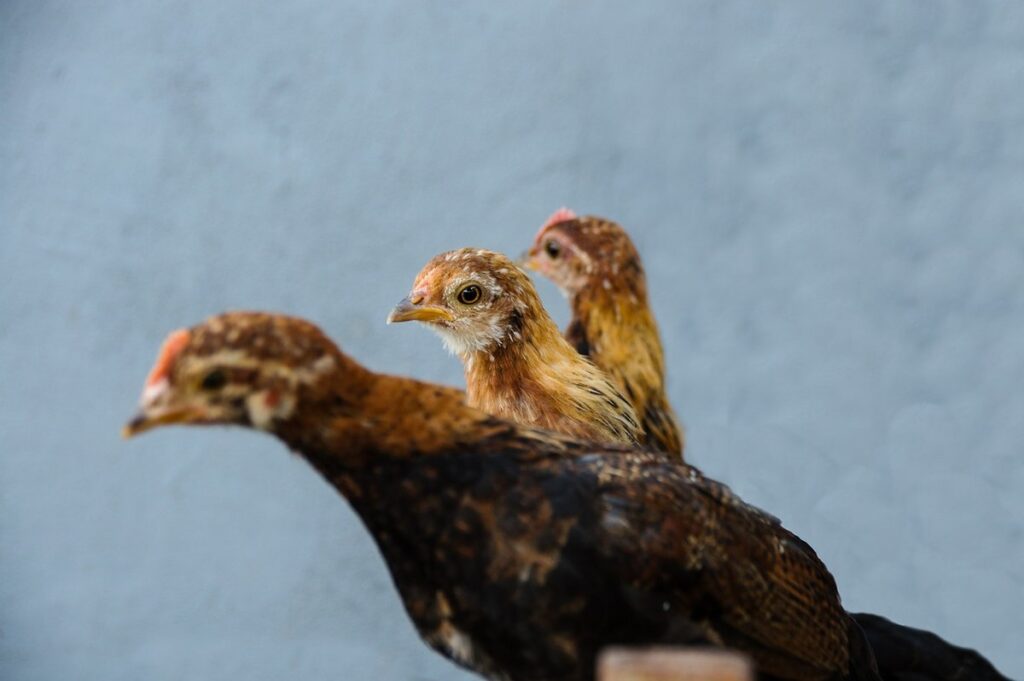
Choosing the Right Breed for You
When selecting a bantam breed, it’s essential to consider your lifestyle and living situation. This section will help you choose a breed that suits your needs as a beginner chicken keeper.
Understanding Bantam Characteristics
When it comes to choosing the right bantam breed for you, understanding their unique characteristics is crucial. Bantams are miniature versions of larger chicken breeds, but they have distinct personalities and traits that set them apart.
One of the most notable characteristics of bantams is their size – they weigh between 1-4 pounds and stand about 10-12 inches tall. Their compact frame makes them perfect for small backyards or even urban spaces. Temperament-wise, bantams are known for being friendly, curious, and affectionate. They’re often described as ” lap chickens” due to their love of human interaction.
When it comes to egg-laying abilities, bantams are surprisingly productive – some breeds can lay up to 200 eggs per year! However, keep in mind that their small size means they may not be as prolific as larger breeds. If you’re looking for a pet chicken or a source of fresh eggs, consider the following: bantams make excellent pets due to their gentle nature and entertaining personalities. However, if you need a high volume of eggs, you might want to look into larger breeds.
Some popular bantam breeds for beginners include the Bantam Silkie, Polish, and Japanese Bantam – all known for their friendly and docile nature. With proper care and attention, any bantam breed can thrive in your backyard or home.
Breeds Suitable for Small Spaces
When it comes to choosing a bantam breed that thrives in small spaces, there are several options worth considering. Bantams are known for their compact size and gentle nature, making them an excellent fit for city dwellers or those with limited yard space.
The Legbar is one such breed, weighing around 1 pound and requiring minimal exercise to stay happy and healthy. They’re also relatively low-maintenance when it comes to socialization, tolerating small spaces and being generally quiet. Another suitable option is the Silkie Bantam, which weighs approximately 12 ounces and has a calm demeanor, making them an excellent choice for indoor living.
When introducing any new breed to your home, remember that all bantams need regular exercise, even if it’s just short walks around the house or apartment. Allocate at least 30 minutes per day for playtime and interaction with your feathered friends. Also, consider factors like noise levels and potential mess when choosing a breed suitable for indoor living.
It’s essential to note that while bantams are generally adaptable, they still require proper care and attention to thrive in small spaces. Research each breed thoroughly and consult with experienced breeders or owners before making a decision to ensure the best fit for your lifestyle.
Temperament Matters: Choosing Friendly Bantams
When choosing a friendly bantam breed, temperament is crucial. You’ll want to focus on breeds known for their gentle and affectionate nature.
Top 5 Friendliest Bantam Breeds
If you’re new to raising bantams, it’s essential to choose breeds that are known for their friendly and docile nature. Here are five top picks that make great pets for beginners: Polish Bantams, Silkies, Japanese Bantams, Hamburghs, and Belgian Bearded D’Uccles.
The Polish Bantam is a popular choice among backyard chicken keepers due to its gentle and affectionate personality. They love human interaction and will follow you around the yard, looking for scratches and treats. Silkies are another favorite among beginners, known for their soft, fluffy plumage and calm demeanor. They’re easy-going and adaptable, making them perfect for small spaces or busy households.
Japanese Bantams, on the other hand, are tiny but mighty when it comes to personality. These little birds are curious and playful, but also gentle and loving towards their owners. Hamburghs are another friendly breed that’s relatively low-maintenance and easy to care for. They’re not as demanding as some of the more high-strung breeds, making them perfect for beginners.
Belgian Bearded D’Uccles round out our top five list with their unique appearance and charming personality. These birds are known for being friendly and outgoing, but also relatively low-maintenance when it comes to space and care.
How to Socialize Your Bantam
Socializing your bantam from an early age is crucial to help them become confident and calm birds. As a beginner breeder, it’s essential to introduce your bantam to new people, environments, and other animals to ensure they grow into friendly and outgoing companions.
Start by letting your bantam get used to your voice, touch, and presence from day one. Handle them gently but frequently, making sure to support their body and wings. This will help them associate human interaction with positive experiences.
As you introduce your bantam to new people, do it gradually and in a controlled environment. Let them become comfortable with each person’s scent, voice, and movements before increasing the number of visitors. You can also try having friends over for regular visits or taking your bantam to a social gathering to expose them to various environments.
Remember that bantams are naturally curious creatures and thrive on interaction. With patience and consistency, you’ll be able to develop a friendly and social bantam companion.
Egg-Laying Powerhouses: Best Bantams for Eggs
If you’re looking for a reliable egg supplier, look no further than these top bantam breeds that consistently lay an impressive number of eggs. Let’s explore their characteristics.
Most Productive Bantam Breeds
If you’re looking to get started with bantams and want a reliable egg source, consider these top-producing breeds. One of the most productive bantam breeds is the Belgian Bearded d’Anvers. They lay around 200 eggs per year and are known for their friendly nature, making them an excellent choice for beginners.
Another high-egg-laying breed is the Japanese Bantam, which produces approximately 120-150 eggs annually. They’re relatively small in size but pack a punch when it comes to egg production. A balanced diet rich in calcium, protein, and vitamins will help support their reproductive health.
Nutrition plays a significant role in a bantam’s ability to lay eggs. Ensure your birds have access to fresh water and high-quality feed at all times. Providing supplements like oyster shells or crushed eggshells can also promote strong eggshell production.
To maximize egg output, maintain optimal living conditions for your flock. This includes providing adequate space (about 2-3 square feet per bird), good ventilation, and protection from harsh weather conditions. By following these guidelines and choosing one of the productive breeds mentioned above, you’ll be well on your way to enjoying a steady supply of fresh eggs from your backyard.
Tips for Maximizing Egg Production
When it comes to maximizing egg production from your bantams, creating an ideal environment is crucial. This involves providing the right feed, designing a suitable coop, and maintaining their health.
Start by offering a balanced diet that’s rich in protein and calcium. Bantam-friendly feed options include layer pellets or a mix of grains like oats, barley, and wheat. Supplement with fresh fruits and vegetables to provide essential vitamins and minerals. However, avoid overfeeding, as this can lead to obesity and decreased egg production.
A well-designed coop is also vital for efficient egg laying. Ensure adequate ventilation, natural light, and insulation to maintain a comfortable temperature range (around 40-60°F). Provide ample space per bird (about 2-3 square feet) and ensure easy access to feeding and nesting areas.
Lastly, prioritize health considerations by providing regular veterinary check-ups, maintaining cleanliness, and monitoring for signs of illness or stress. By creating an optimal environment, you’ll be well on your way to maximizing egg production from your bantams.
Bantam Breeds Suitable for Children or Families
If you’re looking for a low-maintenance and family-friendly bantam breed, look no further than our top picks for breeds that are perfect for kids. From gentle giants to playful companions!
The Best Bantams for Family Life
When it comes to choosing a bantam breed that’s perfect for family life, you’ll want to consider a few key factors. Firstly, you’ll need to think about the space and living situation of your family. If you live in an apartment or have limited outdoor areas, you may want to opt for breeds like Silkie Bantams or Japanese Bantams, which are relatively low-maintenance and don’t require a lot of exercise.
On the other hand, if you have a large backyard and plenty of space for your bantam to roam, breeds like Polish Bantams or Belgian Bearded D’Anvers may be more suitable. These breeds love to move around and will appreciate having plenty of room to explore.
In terms of handling, many bantam breeds are perfect for children as they’re often friendly and docile. However, it’s essential to teach your kids how to handle the birds gently and respectfully. The good news is that most bantams are relatively easy-going and can tolerate some rough handling – but remember to supervise interactions between children and animals at all times.
Some breeds, like the Sultan Bantam, are particularly well-suited for families with young children as they’re known for their gentle nature and affectionate personalities.
Teaching Kids about Responsibility with Bantams
Teaching kids about responsibility and animal care can be a rewarding experience with bantams by their side. Not only do these small birds provide endless entertainment, but they also offer a unique opportunity for children to learn essential life skills.
Involving kids in daily tasks like feeding and cleaning the coop is an excellent way to encourage responsibility and empathy towards animals. Start by assigning simple chores such as refilling water and food dishes or collecting eggs from the nesting box. As your child becomes more confident, you can gradually introduce more complex tasks like cleaning the coop or monitoring the birds’ health.
It’s essential to remember that kids learn best through hands-on experience, so make sure to supervise them closely during these activities. You can also involve them in making decisions about the bantam’s living space, such as designing a new coop or choosing a safe location for the run. By taking an active role in caring for their feathered friends, children will develop a deeper appreciation for animal welfare and responsibility that will last a lifetime.
Health Considerations: Common Issues Affecting Bantam Breeds
When bringing home a new bantam, it’s essential to be aware of common health issues that can affect these tiny birds. Some breeds are more prone to certain problems than others.
Top Health Concerns for Bantams
When it comes to bantam breeds, there are several health concerns that you should be aware of. Respiratory problems are a common issue in small birds, particularly those with compact bodies and short beaks. This can make breathing more difficult, especially during hot or humid weather. Keeping your bantams’ coop well-ventilated is essential to prevent respiratory issues.
Another health concern affecting bantam breeds is obesity. Overeating and lack of exercise can lead to weight gain in these small birds, making them susceptible to various health problems. As a beginner, it’s crucial to monitor your bantams’ food intake and ensure they have access to plenty of fresh fruits and vegetables. Aim for a balanced diet that meets their nutritional needs.
Mites are another pest that can affect bantam breeds. These tiny parasites feed on the birds’ blood, causing discomfort, stress, and even anemia. Regular cleaning and disinfecting of your coop is vital in preventing mite infestations. Keep an eye out for signs such as excessive preening, fluffing of feathers, or lethargy.
Preventive measures and early detection methods are key to maintaining good health in bantam breeds. Schedule regular check-ups with a veterinarian experienced in caring for small birds. Learn to recognize early signs of illness, such as changes in appetite, droppings, or behavior. By being proactive, you can help prevent common health issues affecting bantams and keep your flock thriving.
Maintaining Your Bantam’s Health through Nutrition
When it comes to maintaining your bantam’s health, nutrition plays a crucial role. A well-balanced diet is essential for keeping your feathered friend healthy and thriving. As a beginner bantam keeper, you may be wondering what foods are best suited for your birds.
Start by offering a high-quality commercial bantam feed as the main staple of their diet. This will provide them with all the necessary nutrients to maintain optimal health. Supplement this with fresh fruits and vegetables daily, such as leafy greens like kale and spinach, and colorful bell peppers. Avoid giving them avocado, onions, and chocolate, as these can be toxic to birds.
Fresh water should always be available, and it’s a good idea to add a calcium supplement to their feed, especially if you’re breeding your bantams. You can also offer treats like sunflower seeds and millet, but do so in moderation to avoid overfeeding. Remember to rotate your bird’s menu regularly to ensure they get a broad range of nutrients.
Final Thoughts: What Not to Forget When Raising Bantams
As you wrap up your bantam journey, don’t forget these crucial reminders that’ll make a big difference in raising happy and healthy birds. Take heed of these last-minute tips!
Essential Tools and Equipment for Beginners
When raising bantams for the first time, it’s essential to have the right tools and equipment to ensure their health and well-being. Let’s start with the coop itself. A sturdy, predator-proof enclosure is a must-have, providing protection from external threats and maintaining a clean environment. When choosing a coop, consider factors like size, ventilation, and accessibility for easy cleaning.
In addition to the coop, you’ll need proper nesting boxes. These small compartments provide a safe space for your bantams to lay eggs and should be located outside the coop to prevent any potential health risks. A good rule of thumb is to have one nesting box per 3-4 hens.
When it comes to feeding and watering equipment, you’ll want to invest in a reliable feeder and waterer that can withstand harsh weather conditions and predator attacks. Consider using a trough-style feeder or a hopper-style feeder with built-in feed storage. For watering systems, opt for a heavy-duty, self-filling waterer that minimizes waste and maintains clean drinking water.
It’s also crucial to have proper cleaning supplies on hand, such as brooms, shovels, and disinfectants. Regular cleaning will help prevent disease outbreaks and maintain a healthy environment for your bantams.
Last-Minute Tips for Success with Your Bantam Flock
As you’re about to welcome your bantam flock into their new home, it’s natural to feel both excited and apprehensive. A thriving bantam flock requires attention to detail, dedication, and a willingness to learn from potential challenges. One common pitfall for beginners is neglecting the importance of adequate space and social interaction.
Make sure each bird has access to at least 2-3 square feet of floor space per bird, both indoors and outdoors. This will help prevent stress-related behaviors like feather pecking and aggression. Provide a variety of toys and enrichment activities to stimulate their minds and keep them engaged. A bantam flock should be kept together, as they are social animals that thrive on interaction.
To avoid common health issues, invest in a high-quality feed specifically formulated for bantams. Ensure access to fresh water at all times, and establish a regular cleaning schedule to maintain a clean living environment. With proper care and attention, your bantam flock will flourish, providing endless joy and entertainment for years to come.
Frequently Asked Questions
What is the ideal age to start raising bantams as a beginner?
As a beginner, it’s recommended to start with chicks that are around 1-2 days old. This allows you to raise them from hatch and get a feel for their individual personalities. Starting with adult birds can be more challenging, especially if they’re already established in their social hierarchy.
Can I keep bantams indoors as pets without any special permits or licenses?
In many areas, keeping chickens indoors is allowed without permits or licenses, but it’s essential to check your local laws and regulations before bringing home a new pet. Some cities or towns may have specific requirements for indoor chicken keeping, so be sure to research and comply with any relevant rules.
How do I introduce my bantam flock to other pets in the household?
When introducing your bantams to other pets, start by keeping them separated and allowing them to get used to each other’s scents and sounds. Once they seem comfortable, you can begin supervised interactions under close observation. Be cautious with dogs, as their instincts may be to chase small animals.
Can I mix different breeds of bantams in the same flock?
While it’s possible to keep multiple breeds together, introducing new birds to an existing flock can be challenging. Start by introducing one or two birds at a time and monitor their behavior for any signs of stress or aggression. Some breeds are more compatible than others, so research pairing recommendations before making changes.
How often should I clean the coop and run for optimal bantam health?
Cleaning the coop and run regularly is essential to maintaining your bantams’ health. Aim to clean the coop at least once a week, removing all bedding, scrubbing surfaces with soap and water, and replacing everything with fresh materials. The run should be cleaned daily by simply removing any debris or droppings.