
Are you excited to collect those fresh duck eggs from your backyard flock? If so, you’re in luck! Collecting duck eggs can be a fun and rewarding experience, but it requires some planning and expertise. Not only do you need to ensure that your ducks are healthy and laying well, but you also want to maximize the number of eggs you collect safely and efficiently. In this article, we’ll share expert tips on how to design the perfect coop for large-scale egg collection, train your ducks to be prolific layers, and troubleshoot common issues like broken eggs or missing birds. Whether you’re a seasoned duck owner or just starting out, our advice will help you boost your egg production and enjoy a bountiful harvest from your very own backyard flock.
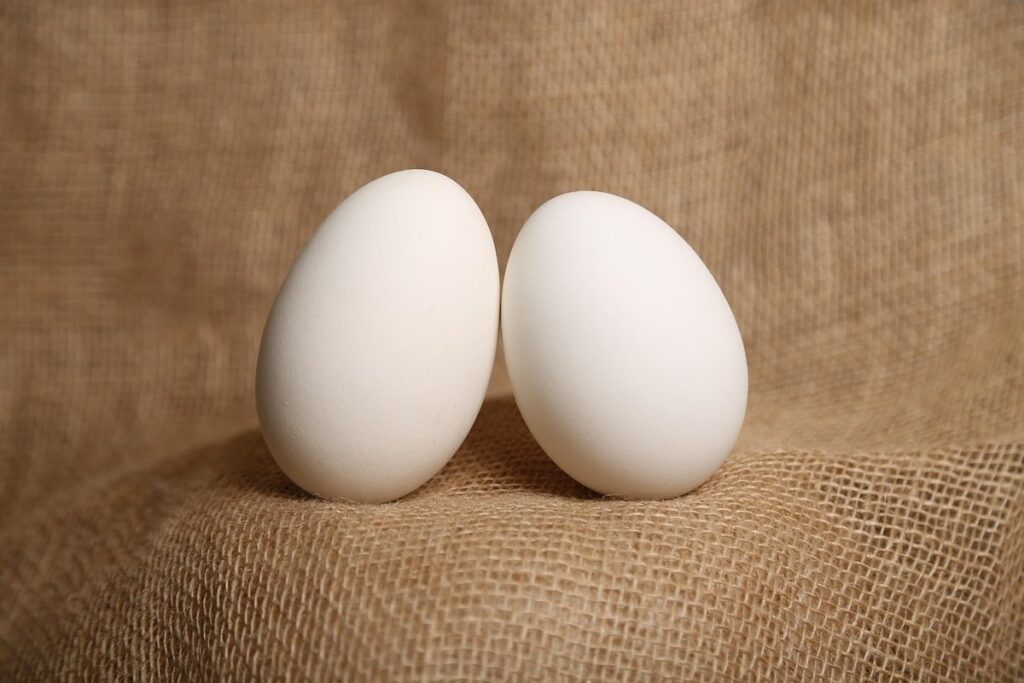
Understanding Duck Egg Collection
To start collecting duck eggs successfully, you need to understand how and when they are laid, as well as identifying any potential issues that may arise. This knowledge will help you ensure a steady supply of fresh eggs from your flock.
Factors Affecting Fertility
When it comes to collecting duck eggs, fertility is a crucial factor that can affect the number of eggs you’ll receive. Several factors contribute to fertility, and understanding these will help you make informed decisions about your flock.
Breed is one significant factor influencing fertility. Some breeds are naturally more prolific layers than others. For instance, Khaki Campbells and Indian Runners are known for their high egg-laying abilities, producing around 300-320 eggs per year. In contrast, Muscovy ducks lay fewer eggs, approximately 100-120 per year.
Nutrition also plays a vital role in maintaining fertility. A balanced diet rich in essential nutrients is necessary to ensure healthy reproductive cycles. Provide your flock with access to high-quality feed, and supplement their diet with calcium and vitamin D3-rich foods to support strong eggshell production.
The health of your ducks can also impact fertility. Poor health can lead to stress, which may reduce the frequency or quality of eggs laid. Regular veterinary check-ups and maintaining a clean living environment will help minimize the risk of health issues affecting fertility.
Environmental Influences on Laying
When it comes to collecting duck eggs, it’s essential to understand that environmental conditions play a significant role in a duck’s ability to lay eggs. Temperature fluctuations, for instance, can impact egg production. Ducks are most productive between 40°F and 90°F (4°C and 32°C), while temperatures above 100°F (38°C) or below 30°F (-1°C) can significantly decrease laying rates.
Humidity levels also matter, with a relative humidity of 50-60% ideal for egg production. Conversely, extreme dryness or wet conditions can lead to reduced fertility and increased risk of cracked eggs. Light exposure is another crucial factor; ducks require around 14 hours of daylight to maintain optimal laying habits. Lastly, space is essential, as overcrowding can stress the birds and negatively impact egg quality.
To ensure optimal laying conditions in your backyard or commercial setting, provide a climate-controlled coop with adequate ventilation, maintain regular cleaning schedules to prevent ammonia buildup, and allocate sufficient space for each bird (at least 3-4 square feet per duck). Consider incorporating artificial lighting to supplement natural daylight during periods of reduced sun exposure. By paying attention to these environmental factors, you’ll be well on your way to maximizing your duck’s egg production.
Choosing the Right Equipment
When it comes to collecting duck eggs, having the right equipment can make all the difference. Let’s take a look at what you’ll need to get started safely and efficiently.
Coop Design and Layout
When it comes to collecting duck eggs, the coop’s design and layout play a significant role in promoting healthy egg-laying behavior. A well-designed coop ensures that ducks stay happy, safe, and productive. To encourage optimal egg production, consider the following key aspects:
A spacious coop with adequate ventilation is essential for maintaining good air quality and reducing the risk of disease transmission. Ensure there’s enough room for your ducks to move around comfortably, stretching their wings and exercising freely. Aim for a minimum of 2-3 square feet per duck inside the coop.
Easy cleaning and maintenance are crucial to prevent bacterial buildup and maintain hygiene standards. Incorporate features such as sloping roosts, easy-to-clean nesting boxes, and removable bedding materials like straw or pine shavings. Strategically place windows and doors for improved ventilation and natural light exposure.
Consider a layout that promotes accessibility for egg collection, too. Position the nesting boxes in an easily accessible location, allowing you to collect eggs without disturbing your ducks. By incorporating these design elements, you’ll create a harmonious environment that supports healthy duck behavior and ensures successful egg-laying habits.
Nesting Box Considerations
When it comes to duck egg collection, having the right nesting boxes is crucial for success. A well-designed nesting box can encourage hens to lay eggs comfortably and safely, while a poorly designed one can lead to stress, injuries, and even abandonment of the coop. So, what should you look for when selecting or building nesting boxes?
Start by considering the size: a minimum of 12 inches wide, 12 inches deep, and 18 inches tall is recommended. The shape is also important – a rectangular shape with a slight incline can help eggs roll out easily. Material-wise, opt for durable and easy-to-clean options like wood or plastic.
When it comes to placement, strategic thinking is key. Position the nesting boxes at least 3 feet off the ground to prevent predators from reaching them. Face the entrance of each box away from the dominant side of the coop (usually north) to reduce stress and competition among hens. Place the boxes near a window or light source to provide natural lighting, which can help regulate egg-laying cycles.
Remember, every duck is unique, so observe your flock’s behavior and adjust the nesting box layout accordingly.
Collecting Eggs Safely and Sanitarily
When collecting eggs, safety should always be your top priority – let’s go over some essential tips to ensure a clean and healthy egg collection process. This will also cover the importance of sanitation in duck egg handling.
Handling Ducks and Eggs
When collecting eggs from your ducks, it’s essential to handle them gently and humanely to prevent stress and injury. Start by approaching your duck calmly and quietly, allowing her to become aware of your presence before reaching for the eggs. This will help minimize stress caused by sudden movements.
To collect eggs safely, make sure to pick them up carefully from under the hen, rather than grabbing the nest or disturbing the surrounding area. Gently lift the egg into your cupped hand, supporting it at both ends to prevent breakage. If you notice any cracks or damage, set the egg aside for immediate use in cooking.
To further reduce the risk of contamination, wash your hands thoroughly before and after handling eggs, and make sure your storage containers are clean and dry. Remember to store collected eggs in a cool, draft-free place, ideally at 40-45°F (4-7°C), to maintain their freshness and quality. By following these simple guidelines, you’ll be able to collect your duck eggs with ease while keeping both yourself and your birds safe.
Cleaning and Storage Methods
Regular coop cleaning is an essential aspect of maintaining a safe and healthy environment for your ducks. A dirty coop can lead to the spread of diseases, which can be detrimental to both your birds and the quality of their eggs. Make it a habit to clean your coop at least once a week, removing soiled bedding, disinfecting surfaces, and replacing with fresh material.
When sanitizing eggs, handle them gently to avoid cracking or breaking. Wash your hands thoroughly before touching eggs, and use a soft-bristled brush to remove any dirt or debris from the egg’s surface. Sanitize egg storage containers by washing them in hot soapy water and letting them air dry. You can also sanitize containers using vinegar or bleach solutions, but always follow the manufacturer’s instructions for dilution ratios.
It’s also crucial to maintain proper ventilation within your coop to prevent moisture buildup and bacterial growth. Aim to store eggs in a clean, dry location with consistent temperatures between 40°F and 70°F (4°C and 21°C).
Tips for Regular Collection
When it comes to collecting duck eggs regularly, consistency is key. Establishing a routine will help you keep track of your flock’s production and ensure you never miss a fresh batch again.
Scheduling Collection Times
When it comes to collecting duck eggs regularly, scheduling collection times is crucial to reduce stress on both ducks and humans. Think of it like a harmonious dance between you and your feathered friends – if done correctly, it can be a delightful experience for everyone involved.
Here’s the thing: ducks have an internal clock that regulates their egg-laying cycles. Typically, they tend to lay eggs in the morning or early afternoon. To maximize collection frequency while respecting this natural rhythm, consider scheduling collections around these times. For instance, if your duck is a morning layer, collect her eggs between 8 and 10 am.
On the other hand, some breeds might be more inclined towards laying eggs later in the day. Research your breed’s specific characteristics to tailor your collection schedule accordingly. A general rule of thumb is to visit your ducks once or twice daily, depending on the number of birds you have and their individual egg-laying habits.
By synchronizing your collection times with your duck’s natural cycles, you’ll create a smooth process that benefits both parties.
Monitoring Egg Production
Monitoring egg production is crucial for maintaining the health and well-being of your ducks. Changes in laying patterns can indicate underlying issues, such as nutritional deficiencies, stress, or parasites. Keep an eye out for deviations from normal behavior, including decreased egg production, irregularities in egg size or shape, or a change in egg color.
To track egg data effectively, set up a system to record the number of eggs laid daily or weekly. You can use a spreadsheet or a dedicated app to make tracking easier and more convenient. Consider recording additional information, such as:
• Egg size and weight
• Eggshell quality
• Laying frequency (number of eggs per week)
• Time of day or season when most eggs are laid
Regular analysis of this data will help you identify patterns and trends, allowing for informed decision-making about your flock’s needs. For instance, if you notice a decline in egg production during winter months, you may need to adjust feed quality or provide additional light sources to boost vitamin D levels.
Advanced Collection Techniques
For seasoned collectors, we’ll delve into more complex methods for maximizing your duck egg collection, including strategies for outsmarting sneaky hens. These advanced techniques will take your collecting skills to the next level.
Implementing a Collection System
Implementing a collection system for duck eggs can significantly streamline the process and increase efficiency. One popular option is automated systems, which use sensors and motors to collect eggs from nesting boxes. These systems eliminate human error and ensure consistent egg quality.
However, they come with a significant upfront cost and may require regular maintenance. Conveyor belts are another alternative, which transport eggs from the coop to a central collection point. They’re often more affordable than automated systems but can be noisy and create dust.
Considerations for implementing a collection system include factors like space constraints, labor availability, and budget. Small-scale duck keepers might find manual egg collection sufficient, while larger operations may benefit from investing in an automated or conveyor-based system.
Before choosing a system, weigh the pros and cons of each option, considering your specific needs and resources.
Training Ducks for Easy Access
Training ducks to enter nesting boxes voluntarily or use automated egg collection systems can be a game-changer for efficient and stress-free egg collection. However, introducing new systems requires patience, understanding, and a gradual approach to minimize stress on both the ducks and yourself.
Start by observing your duck’s natural behavior and preferences. If they show interest in a particular nesting box or location, begin by placing the eggs in that area. Over time, you can gradually transition them to the automated system, making sure it’s easy for them to access and retrieve their eggs.
To introduce new systems smoothly:
* Begin by allowing your ducks to explore the automated system under close supervision
* Place treats or favorite foods near the entrance to encourage exploration and familiarity
* Gradually phase out manual egg collection while increasing access to the automated system
By taking it slow, you can help reduce stress and create a smooth transition for both yourself and your feathered friends.
Troubleshooting Common Issues
We’ve all been there: a cracked egg, a stuck door, or an unexpected temperature drop can ruin your duck egg collection. This section will help you troubleshoot common issues to minimize losses and maximize your harvest.
Low Egg Production
If you’re experiencing low egg production from your ducks, it’s essential to identify and address the underlying causes. Nutritional deficiencies are a common culprit. Make sure your ducks have access to a balanced diet that includes plenty of protein-rich foods like mealworms, crickets, or duck pellets. A deficiency in calcium can also lead to weak eggs shells and decreased egg production. Ensure they’re getting enough fresh water and clean feed.
Health issues can also impact egg production. Monitor your ducks for signs of illness such as lethargy, labored breathing, or changes in droppings. Consult with a veterinarian if you suspect any health problems. Environmental factors like stress, inadequate light, or extreme temperatures can also affect egg laying. Ensure they have enough space to move around and exercise.
Take note of the age of your ducks – younger birds may not be laying as frequently as mature ones. Keep track of their egg production over time to identify any patterns or changes. If you notice a significant drop in egg numbers, investigate potential causes and take corrective action to support your flock’s health and well-being.
Egg Breakage and Contamination
Minimizing egg breakage and contamination is crucial during collection and storage to maintain the quality and safety of your duck eggs. When eggs are handled roughly or stored in unsanitary conditions, it can lead to breakage, contamination, and ultimately, a reduced shelf life.
To handle eggs gently, make sure to pick them up from the bottom rather than the top, where the delicate air sac is located. This will prevent any pressure on the egg’s internal structures. Always support the weight of the eggs in your hands when collecting or transferring them to storage areas. A soft cloth or a carton can provide extra cushioning and protection.
Maintaining cleanliness in the coop and storage areas is equally important. Regularly clean and disinfect surfaces, equipment, and any potential contact points where bacteria may accumulate. Ensure adequate ventilation in the coop to prevent moisture buildup and maintain a dry environment that’s inhospitable to microbial growth. Store eggs in a cool, well-ventilated area away from direct sunlight and drafts.
Frequently Asked Questions
What should I do with ducks that are not laying eggs?
If you’ve noticed a decline in egg production, first check the environment for factors like light exposure, temperature, and humidity. Ensure your coop is well-ventilated, clean, and free from drafts. Also, monitor their diet and ensure it meets all nutritional requirements.
How often should I collect duck eggs to maintain their freshness?
Collecting eggs daily or every other day is recommended to prevent breakage and contamination. If this isn’t feasible, consider implementing a collection system with a timer or automated door opener to minimize handling and maximize efficiency.
Can I collect duck eggs from different breeds together in the same coop?
While it’s possible to keep multiple breeds together, it’s essential to consider their individual needs, habits, and egg-laying patterns. Some breeds may be more aggressive than others, while certain species are naturally more social or territorial. Research and plan accordingly to ensure harmonious coexistence.
How can I identify if a duck is molting or not laying eggs?
Molting typically occurs seasonally and is characterized by reduced or absent egg production. Look for signs like feather loss, weight gain, or changes in plumage color. Ensure your ducks have access to nutritious food, clean water, and adequate rest to minimize stress.
What are some common issues to watch out for when collecting duck eggs at night?
At night, be cautious of predators that may seek to enter the coop through open doors or weak points in fencing. Regularly inspect the coop’s structure and equipment, ensuring all is secure and functioning properly. Additionally, consider using motion-sensitive lighting or other deterrents to minimize risks.