
Raising ducks and chickens together can be a fun and rewarding experience, offering numerous benefits for small-scale farmers and backyard enthusiasts. Not only do these birds complement each other in terms of diet and lifestyle, but they also create a harmonious mixed flock that’s easier to manage than separate flocks. However, combining ducks and chickens requires careful consideration of breed selection, housing, feeding, and health considerations. In this article, we’ll explore the advantages of raising these birds together, including their nutritional benefits and how they can help with pest control. We’ll also provide guidance on selecting suitable breeds, designing a mixed flock housing system, and ensuring the overall health and well-being of your feathered friends. By following our tips, you can create a thriving and peaceful coexistence between ducks and chickens in your backyard or small farm.
Introduction to Mixed Flock Farming
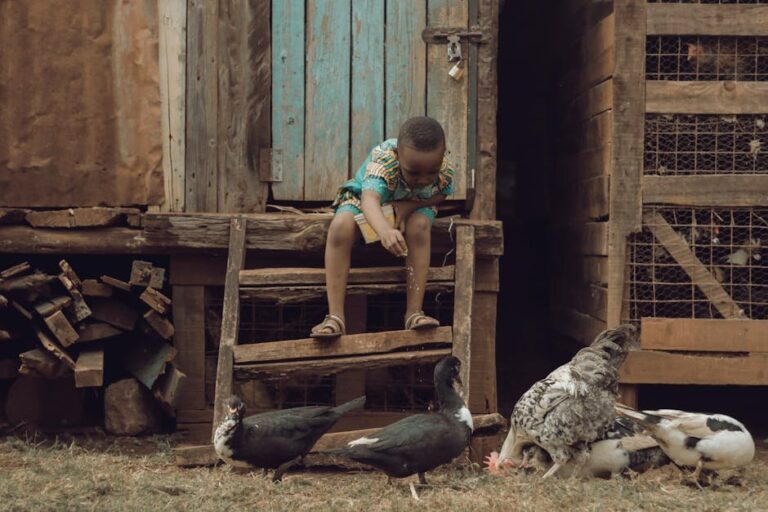
Welcome to mixed flock farming, where ducks and chickens live harmoniously together under one roof. This section explores the basics of keeping both species as pets in a single yard.
Benefits of Raising Both Ducks and Chickens
Raising both ducks and chickens together can bring numerous benefits to your backyard farm. One of the primary advantages is increased egg production. Ducks are prolific layers, producing an average of 300-320 eggs per year, while chickens typically produce around 280-300 eggs per year. When kept together, they often encourage each other to lay more eggs, resulting in a higher overall yield.
Another benefit is pest control. Both ducks and chickens are voracious eaters that feed on insects, ticks, and other pests that can damage your garden or yard. By having both species together, you’ll have an even greater number of eyes (and beaks) scanning for potential threats to your crops.
Finally, there’s the entertainment value – watching a pair of quacking ducks chase after a flapping chicken can brighten up even the gloomiest of days! Just remember that introducing new animals to each other requires patience and careful planning. Make sure you provide enough space, food, and water for both species to thrive in harmony.
Common Challenges and Considerations
When keeping ducks and chickens together, you may encounter some common challenges that require attention. One of the primary concerns is space requirements. Both species need enough room to move around comfortably, but they also have different needs when it comes to housing.
Ducks, for instance, need access to water at all times, which can be a challenge if you’re keeping them in a small coop with chickens that prefer dry land. A general rule of thumb is to provide at least 10 square feet per duck and 5-7 square feet per chicken inside the coop, plus additional space for outdoor run areas.
Noise levels are another consideration. Both ducks and chickens can be loud, but ducks tend to quack more frequently than chickens cluck. If you live in a residential area or have close neighbors, this may become an issue. To minimize noise pollution, consider placing the coop away from your living quarters or providing additional shelter for the animals.
Health risks are also a concern when keeping multiple species together. Ducks and chickens can carry diseases that affect each other, such as avian influenza. Regular vaccinations and proper hygiene practices can help mitigate these risks.
Ultimately, the key to success is being aware of these potential challenges and taking steps to address them proactively.
Choosing the Right Breeds for a Mixed Flock
When introducing ducks and chickens to your backyard, choosing breeds that complement each other is crucial to creating a harmonious flock. Consider their temperaments, sizes, and energy levels when selecting compatible pairs.
Selecting Duck Breeds Suitable for Backyard Flocks
When it comes to selecting duck breeds for your small backyard flock, there are several factors to consider. First and foremost, think about the space you have available. Some duck breeds can grow quite large, so make sure you have enough room for them to roam and exercise. For example, Muscovy ducks can reach up to 5 pounds in weight and require a lot of space to move around.
Temperament is another crucial factor to consider. If you’re planning to keep your flock mixed with chickens, you’ll want duck breeds that are gentle and easy-going. Khaki Campbells, for instance, are known for their friendly and docile nature, making them an excellent choice for small backyard flocks.
Egg production is also a consideration, especially if you plan to use the eggs from your flock for cooking or baking. Some duck breeds, such as Wood Ducks and Pochards, can produce up to 300 large white eggs per year. However, keep in mind that some breeds may not be as prolific egg-layers as others.
When selecting a breed, research their specific needs and requirements to ensure they fit well with your existing flock dynamics. By choosing the right duck breed for your backyard flock, you can create a harmonious and thriving mixed-flock environment.
Picking Chicken Breeds Compatible with Ducks
When selecting chicken breeds that are compatible with ducks, it’s essential to consider their temperaments and energy levels. Look for breeds known for being friendly and docile, such as Buff Orpingtons, Plymouth Rock, or Australorps. These birds tend to be laid-back and less likely to stress out the ducks.
Some other factors to consider are size, noise level, and aggression. Larger breeds like Brahma or Cochin can intimidate smaller ducklings, while loud roosters may startle the ducks. Avoid breeds with high energy levels, such as Leghorns, which might chase after the ducks.
You’ll also want to think about the breed’s instinctual behavior. Some chickens, like Silkies, are natural foragers and may disturb the ducks’ pecking order. In contrast, breeds like Polish or Campine tend to be more reserved and won’t disrupt the ducks’ daily routines.
When introducing new birds, do it gradually and under close supervision. Start by keeping them in separate enclosures and allow them to get used to each other’s presence before combining them. With patience and careful selection, you can create a harmonious mixed flock of ducks and chickens that thrive together.
Providing a Suitable Environment for Both Species
When keeping ducks and chickens together, it’s essential to create a suitable environment that meets the unique needs of both species. This includes providing adequate space, shelter, and resources for each bird.
Housing Requirements for Mixed Flock Fencing
When it comes to housing ducks and chickens together, one of the most critical aspects is ensuring that they have a safe and secure enclosure. Mixed flock fencing plays a vital role in keeping predators out and preventing ducks from escaping while also giving chickens enough space to roam.
A good starting point for mixed flock fencing is to provide a sturdy fence that stands at least 3 feet high to keep out foxes, raccoons, and other small mammals. You’ll also want to ensure the fencing extends at least 12 inches underground to prevent burrowing predators from digging under it. Consider using hardware cloth or chicken wire with openings of 1 inch or smaller to prevent ducks from pushing through.
To give chickens enough space to roam, consider setting aside a dedicated area for them within the mixed flock enclosure. This will allow you to provide separate feeding and watering stations, as well as a dust bath area specifically designed for their needs. By providing a secure and spacious environment, you’ll be able to keep both ducks and chickens happy and healthy together.
Duck-Proofing Your Chicken Coop or Run
When introducing ducks into your existing chicken coop or run, it’s essential to make some modifications to ensure both species can thrive together. One of the main challenges is providing a suitable environment for ducks, who have different needs than chickens. A good starting point is to add ramps and perches for easy access to higher areas within the coop.
Consider installing a shallow pool or a designated water feature that allows ducks to swim and exercise safely without compromising chicken health. You can also incorporate rocks, logs, or other natural elements to create a more varied terrain that meets the ducks’ need for movement and exploration.
When planning your modifications, remember that ducks will inevitably cause wear and tear on structures. Be prepared to reinforce fencing and enclosures to prevent escape or predator entry. With some creative problem-solving and adjustments, you can easily accommodate both species within your existing coop or run setup.
Managing Food and Water for a Mixed Flock
When it comes to caring for your mixed flock, providing the right food and water sources is crucial, but it can be tricky to get it just right. Here’s how to set up a system that works for both ducks and chickens.
Feeding Both Ducks and Chickens Together
When it comes to feeding both ducks and chickens together, creating a balanced diet that meets their nutritional needs is crucial. Both species have different requirements, but they also share some similarities.
Ducks require more protein than chickens, especially if you’re keeping Muscovy or Mule ducks, which are larger and more active. They need around 20-25% protein in their diet, whereas chickens can thrive on 16-18%. However, both species benefit from a mix of grains, vegetables, and fruits.
To create a balanced feeding plan, start by separating the two groups during mealtime to prevent competition for food. Offer ducks a high-protein feed in the morning, such as commercial duck pellets or game bird feed, mixed with some oats or barley. Chickens can eat layer feed or scratch grains. Supplement their diet with fresh vegetables and fruits like leafy greens, carrots, and berries.
Some great options to consider adding to your feeding plan include mealworms, sunflower seeds, and chopped apples. These treats are not only nutritious but also fun for your feathered friends.
Ensuring Access to Clean Water for Both Species
Providing fresh, clean water is crucial for both ducks and chickens. Not only does it support their overall health, but also aids in digestion and egg production in the case of hens. Ducks, being semi-aquatic, require easy access to shallow water for bathing and swimming. Meanwhile, chickens will also appreciate a nearby water source for drinking.
To maintain water quality, change the water frequently – ideally once or twice daily. Use a waterer with a built-in filter or a float valve that automatically shuts off when the water level drops low. Clean the waterer regularly by scrubbing it with a gentle brush and mild soap. You can also add a splash of white vinegar to help prevent bacterial growth.
Prevent contamination by placing the waterer in an area away from where feed is stored, as rodents may carry bacteria into the water. Also, keep your flock’s living space clean and free from debris to avoid droppings or feathers contaminating the water. By following these tips, you can ensure both ducks and chickens have access to fresh, clean drinking water at all times.
Health Considerations in Mixed Flock Farming
When considering a mixed flock, it’s essential to think about how your ducks and chickens will get along health-wise. This includes looking at disease risks and managing their living space accordingly.
Common Health Issues Affecting Ducks and Chickens
When it comes to mixed flock farming, health issues can affect both ducks and chickens. Respiratory problems are common in both species, particularly during cold weather or when they’re exposed to dust and allergens. You’ll want to make sure their living space is clean and well-ventilated.
Ducks and chickens can also be susceptible to parasites like mites, lice, and fleas. Regular cleaning of the coop and runs, as well as monitoring your birds’ behavior, will help prevent infestations. Keep an eye out for signs of pests, such as excessive feather pecking or unusual scratching.
Certain diseases can affect ducks more than chickens, while others are species-agnostic. For example, avian cholera is a waterfowl-specific disease that requires immediate attention if you suspect your duck has contracted it. However, other diseases like Newcastle disease and fowl pox can affect both species.
To prevent the spread of illness in your flock, practice good hygiene by washing your hands frequently, cleaning feeders and waterers regularly, and isolating sick birds immediately.
Monitoring Health and Responding to Emergencies
When it comes to mixed flock farming, monitoring health is crucial to prevent illnesses and maintain a thriving coop. Keep an eye out for unusual behavior, such as lethargy, loss of appetite, or changes in droppings. These can be early signs of illness or distress.
Regularly inspect your birds’ living conditions, including cleanliness, ventilation, and access to food and water. Ensure their housing is well-maintained, with adequate space for movement and perches for exercise. A clean coop is less likely to harbor diseases that can spread quickly among the flock.
In the event of an emergency, remain calm and take immediate action. Isolate affected birds from the rest to prevent further spread. Provide a safe environment by increasing air circulation, offering fresh water and food, and administering antibiotics or other medications as needed. Keep records of treatments and consult with a veterinarian if necessary.
Maintain a first-aid kit on hand, stocked with essential supplies like bandages, antiseptic wipes, and a thermometer. Regular health checks will help you catch issues before they become severe, ensuring the well-being of your feathered friends.
Conclusion: Successfully Raising Ducks and Chickens Together
Now that we’ve covered the essentials of keeping ducks and chickens harmoniously, let’s discuss how to bring it all together for a thriving backyard flock. We’ll explore final tips for long-term success.
Recap of Key Takeaways
Raising ducks and chickens together can be a fun and rewarding experience, but it requires careful planning, research, and attention to detail. To ensure a harmonious and thriving flock, remember the key takeaways from this comprehensive guide.
When introducing new birds to each other, start with familiarization processes such as visual exposure, then progress to controlled interactions under close supervision. This helps prevent aggression and establishes a peaceful coexistence.
A safe and comfortable living space is crucial for both ducks and chickens. Ensure your coop has adequate ventilation, sufficient nesting boxes, and enough room for all birds to move around freely. Consider adding a separate enclosure or run specifically designed for ducks, as they require more water and space than chickens.
Proper nutrition and hydration are also essential. Provide a balanced diet that meets the unique needs of each species, including fresh fruits and vegetables. Ensure access to clean drinking water at all times, especially during hot weather when ducks may drink excessively.
Health checks should be a regular part of your flock’s care routine. Learn to recognize signs of illness or stress in both ducks and chickens, and know how to administer basic first aid. Schedule annual vaccinations and consult with a veterinarian experienced in poultry care for any concerns.
By following these guidelines and remaining vigilant, you can create a happy and healthy environment for your feathered friends to thrive together. Remember to stay flexible and adapt to the changing needs of your flock as they grow and evolve over time.
Frequently Asked Questions
Can I start with just one duck and a few chickens, or do I need to introduce them together from the beginning?
When introducing ducks and chickens for the first time, it’s often easier to start with a mixed flock of equal numbers. However, if you’re starting small, begin with a single duck and gradually introduce more chickens over time. This allows the birds to become familiar with each other without overwhelming the new addition.
How do I manage potential conflicts between individual ducks and chickens?
Even in harmonious flocks, some individuals may exhibit territorial or aggressive behavior. Monitor your birds’ interactions closely, especially when introducing new members. You can also try separating them for a few days before reintroducing to reduce stress. Ensure each bird has its own space within the enclosure.
Can I keep ducks and chickens together with other animals, such as turkeys, geese, or rabbits?
While ducks and chickens are generally compatible, introducing other species can be challenging. Turkeys, in particular, may view ducks as competition for food or territory. Geese, being protective of their flock, might not tolerate ducks at all. Rabbits, however, usually make excellent additions to a mixed flock farm.
How often should I rotate the feeding and watering stations to prevent overcrowding?
To maintain a peaceful coexistence between ducks and chickens, ensure that both species have ample space around feeders and water sources. Aim for at least 1-2 square feet per bird at feeding and watering areas. Rotate these stations regularly to distribute traffic evenly throughout the enclosure.
What are some common signs of stress or health issues in a mixed flock?
Ducks and chickens can exhibit similar stress and health symptoms, such as excessive feather pecking, lethargy, or changes in appetite. Monitor your birds’ behavior and look for unusual droppings or egg production issues. Regularly inspect their living conditions to identify potential problems before they escalate into larger health concerns.