
Maintaining the perfect brooder temperature is crucial for your guinea keets‘ healthy development and optimal growth rates. As a responsible poultry owner, you know that even small fluctuations in temperature can impact their well-being and overall performance. But how do you ensure your keets have everything they need to thrive? In this article, we’ll dive into the world of brooder temperature control, monitoring, and adjustment, providing you with essential tips to create a thriving flock. You’ll learn how to accurately gauge the ideal temperature range for your guinea keets, troubleshoot common issues, and make adjustments as needed. By mastering these skills, you’ll be well on your way to raising healthy, robust guineas that will bring joy and productivity to your backyard flock.
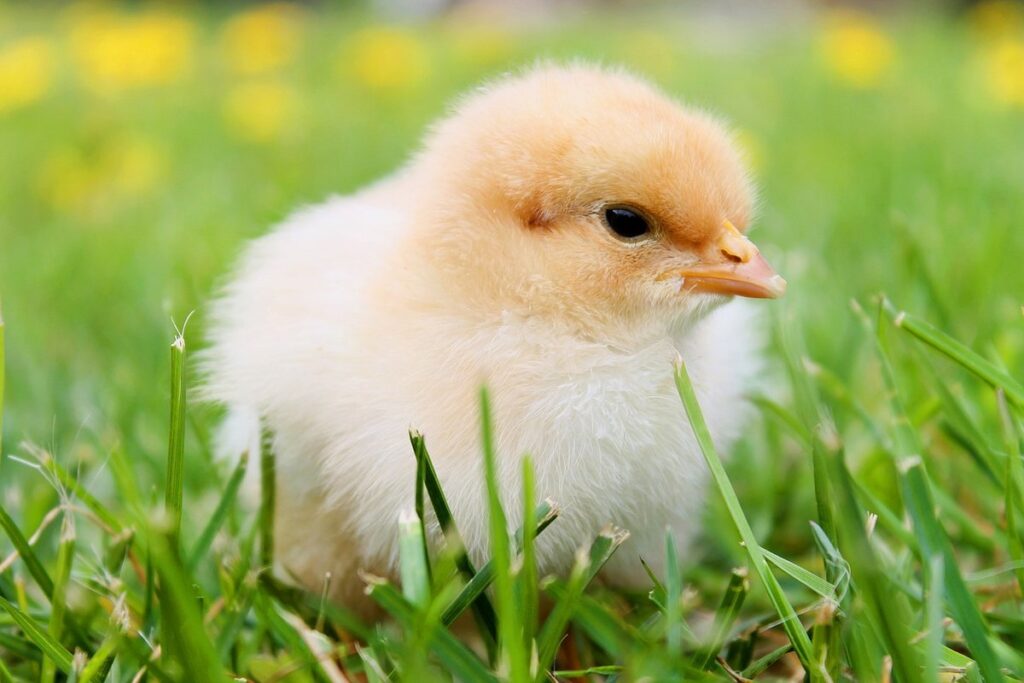
Importance of Maintaining Proper Brooder Temperature
When it comes to raising healthy and happy guinea keets, maintaining a proper brooder temperature is crucial. This section will break down the importance of getting this vital aspect right for your young birds.
Factors Affecting Keet Development
Maintaining proper brooder temperature is crucial for guinea keet development. Temperature significantly impacts growth rates and overall health of the keets. For instance, research has shown that keets raised in optimal temperatures (around 90-95°F) have faster growth rates compared to those kept at lower or higher temperatures. When temperatures are too high or low, keets may experience stress, leading to reduced egg production and compromised immune systems.
Factors such as humidity levels also play a significant role in determining brooder temperature requirements. Guinea keets thrive in humid environments (around 50-60%), but when the relative humidity drops below 30%, keets are at risk of respiratory issues. To ensure optimal development, it’s essential to maintain consistent temperatures and monitor humidity levels closely.
Proper ventilation within the brooder is also vital for healthy growth. Inadequate ventilation can lead to the buildup of ammonia, which can be detrimental to keet health. Therefore, regular cleaning and monitoring of the brooder are necessary to prevent such issues. By taking these factors into account and maintaining a proper temperature range, you’ll be able to optimize your guinea keets’ growth and ensure they reach their full potential.
Optimal Temperature Ranges for Keets
Maintaining optimal temperature ranges is crucial for keet development and survival. For guinea keets, the ideal temperature range varies depending on their age.
For 0-4 weeks old keets, the brooder temperature should be between 90°F to 95°F (32°C to 35°C). This range allows them to grow rapidly while minimizing the risk of overheating. It’s essential to monitor the temperature closely during this period as even a slight increase can lead to heat stress.
Between 4-6 weeks, the brooder temperature should be gradually reduced to between 80°F to 85°F (27°C to 30°C). At this stage, keets are less sensitive to temperature fluctuations, and reducing the temperature helps prevent overheating. Keep in mind that these ranges are ideal for a well-insulated brooder with adequate ventilation.
To ensure optimal temperatures, it’s crucial to maintain accurate temperature readings using a reliable thermometer. Monitor your keet’s behavior; if they appear lethargic or show signs of distress, adjust the temperature accordingly.
Understanding the Brooder Environment
To create a suitable brooding environment, it’s essential to understand how temperature affects guinea keets’ growth and well-being in their early stages of development. Next, we’ll discuss the key factors that influence this delicate balance.
Components of a Proper Brooder Setup
A well-designed brooder is crucial for guinea keets to grow and thrive. When it comes to maintaining optimal brooder temperature, you need a setup that provides adequate ventilation, insulation, and heat. Ventilation is often overlooked but is essential for preventing ammonia buildup from droppings. Ensure your brooder has proper airflow by installing windows or vents on opposite sides of the enclosure.
Insulation is also vital in regulating temperature fluctuations. A 3-4 inch layer of straw or hay should be placed at the bottom, with a second layer above the heat source. This setup helps retain warmth while allowing for easy cleaning. Choose materials that are fire-resistant to prevent any potential risks.
A reliable heat source is also necessary to maintain the desired temperature range. Use a thermometer to monitor temperature levels and adjust accordingly. Consider using a heat lamp or ceramic heat emitter, both of which can be adjusted in intensity to meet your keets’ changing needs.
Choosing the Right Heat Source
When it comes to choosing the right heat source for your guinea keets brooder, you have several options. One popular choice is heat lamps, which provide a concentrated source of warmth and can be directed towards specific areas where the keets are huddled together. However, they do come with some risks, such as the potential for fires or burns if not monitored closely.
Ceramic heat emitters, on the other hand, are a safer alternative that radiate gentle heat evenly throughout the brooder. They’re also relatively low-maintenance and can be adjusted to suit different temperature requirements. Another option is heat plates or heat mats, which provide a more subtle warmth that can be beneficial for keets as they grow and become accustomed to cooler temperatures.
Ultimately, the choice of heat source will depend on your personal preference and specific needs. It’s essential to consider factors such as space constraints, energy efficiency, and ease of use when making your decision. You may also want to experiment with different types of heat sources to see what works best for you and your keets.
Measuring and Maintaining Temperature
To ensure your guinea keets stay healthy, it’s essential to measure temperature accurately and maintain a consistent brooder environment. We’ll walk you through how to do this effectively.
Types of Thermometers Used in Brooders
When it comes to monitoring brooder temperature, accurate and reliable thermometers are essential for ensuring the health and well-being of guinea keets. Here are some common types of thermometers used in brooders:
Digital thermometers are popular among poultry keepers due to their ease of use and high accuracy. They typically feature a clear LCD display that shows temperature readings in real-time, making it easy to track changes in the brooder’s temperature. Some digital thermometers also come with additional features such as humidity monitoring and alarm functions.
Infrared thermometers are another option for measuring brooder temperature. These thermometers use radiation to measure temperature and are often more accurate than traditional mercury thermometers. However, they may require calibration and can be affected by the presence of other objects in the brooder.
For a low-cost option, you can also consider using thermistor probes connected to a thermometer display or a smartphone app. These probes are relatively inexpensive and provide quick readings, but their accuracy can vary depending on the quality of the probe and the display device.
When selecting a thermometer for your guinea keets’ brooder, look for one that is specifically designed for poultry applications and has good reviews from other users. This will ensure you get an accurate reading of the brooder’s temperature, which is critical for maintaining optimal conditions for your keets.
Techniques for Regulating Temperature Fluctuations
Maintaining a stable temperature is crucial for guinea keets to grow and develop properly. To regulate temperature fluctuations, consider using thermostats that can be set to maintain a specific temperature range. This ensures that the brooder doesn’t get too hot or cold, which can be detrimental to the keets’ health.
Another effective strategy is to adjust the heat source as needed. If you’re using a heat lamp, move it higher or lower to distribute the heat evenly throughout the brooder. You can also use multiple heat sources at different levels to create a more stable temperature zone.
Monitor the temperature closely, especially during the first few days after introducing the keets to the brooder. Make adjustments as necessary to ensure that the temperature remains within the optimal range of 90-95°F (32-35°C) for the first week and then gradually decreases by 5°F (3°C) each subsequent week. This helps prevent thermal shock, which can lead to health issues in young guinea keets.
Implications of Inadequate Brooding
Failing to maintain ideal brooder temperatures can have serious consequences for your guinea keets’ health and development, leading to long-term problems. Let’s explore these critical implications in more detail.
Effects on Keet Health and Development
Inadequate brooding can have far-reaching consequences on the health and development of guinea keets. When the temperature is too high or too low, it can lead to a range of problems that may not be immediately apparent but can have lasting effects.
One common issue associated with inadequate brooding is stunted growth. Keets need a stable and optimal temperature range to grow at an optimal rate. If the temperature is consistently outside this range, they may develop slowly or even stop growing altogether. This can lead to a weaker, more vulnerable bird that’s more susceptible to disease.
Other health issues that can arise from inadequate brooding include respiratory problems, such as bronchitis and pneumonia, which can be triggered by sudden changes in temperature. Keets also need a certain level of humidity to thrive; if the environment is too dry or too humid, it can cause skin irritation, feather pecking, and other behavioral issues.
By maintaining an optimal brooder temperature, you can help ensure your keets grow strong and healthy, laying the foundation for a long and happy life.
Common Mistakes to Avoid When Setting Up a Brooder
When setting up a brooder for guinea keets, it’s essential to avoid common mistakes that can compromise temperature requirements. Incorrect heat source placement is one of the most critical errors to watch out for. A heat lamp or ceramic heat emitter placed too close to the walls or corners of the brooder can create hot spots, causing some chicks to overheat while others remain chilled. To prevent this, position the heat source in a way that allows it to distribute heat evenly throughout the brooder.
Another common mistake is insufficient ventilation. Guinea keets produce a significant amount of waste and moisture as they grow, which can lead to respiratory issues if not properly managed. Ensure the brooder has adequate ventilation by installing windows or vents that allow for airflow exchange. A general rule of thumb is to provide 1 square inch of venting per chick. Additionally, maintain a clean environment by removing soiled bedding and cleaning accessories regularly. By avoiding these common mistakes, you can create an optimal temperature range for your guinea keets and promote healthy growth from day one.
Advanced Temperature Management Techniques
Now that you understand the basics of guinea keets brooder temperature, it’s time to dive into some advanced techniques for precise temperature control. Let’s explore these strategies together.
Implementing Temperature Gradients
Implementing temperature gradients is an advanced technique that can significantly impact the development of guinea keets. Essentially, it involves creating a temperature differential between different areas within the brooder to promote healthy growth and comfort for the young birds. This concept may seem complex, but its benefits are undeniable.
By implementing temperature gradients, you can encourage your keets to move around and exercise, which is crucial for their physical development. For instance, by having a cooler area (around 90°F) and a warmer one (around 95°F), the keets will naturally gravitate towards the areas that suit their current needs. This not only helps with thermoregulation but also allows them to explore and stretch their legs.
A temperature gradient can be achieved by placing heat lamps or ceramic heat emitters in different parts of the brooder, or by adjusting the bedding material’s depth and density in various zones. For example, you could have a deeper layer of bedding in the cooler area to provide extra insulation for your keets when they’re feeling chilly.
Keep in mind that temperature gradients are not suitable for all keet ages; it’s essential to research and understand their specific developmental stages to implement this technique effectively. As you experiment with temperature gradients, monitor your keets’ behavior closely to ensure they’re thriving in the environment you’ve created.
Using Programmable Thermostats for Optimal Temperature Control
When it comes to maintaining optimal temperature control for your guinea keets brooder, using programmable thermostats can be a game-changer. These devices allow you to set and adjust temperatures with ease, ensuring that your keets’ environment is precisely controlled at all times.
One of the primary benefits of programmable thermostats is their ability to maintain consistent temperature fluctuations. Unlike traditional thermostats, which may struggle to keep up with changing temperatures, programmable models can learn your schedule and preferences, making adjustments as needed. For example, you can program a thermostat to gradually increase or decrease the temperature over a set period, mimicking natural daylight cycles.
This precise control is especially important for guinea keets, which require a narrow temperature range (around 90-95°F) during their first week of life. With a programmable thermostat, you can ensure that your brooder remains within this optimal zone, even when you’re not there to monitor it directly.
Best Practices for Monitoring and Adjusting Brooder Temperature
To ensure your guinea keets’ optimal health, it’s crucial to monitor and adjust brooder temperature closely. Regular checks will help you maintain a comfortable environment for their growth and development.
Regular Temperature Checks and Record-Keeping
Regular temperature checks are crucial to ensure that the brooder is maintaining optimal conditions for your guinea keets. This process involves taking precise readings of the temperature at various points within the brooder, including near the heat source and in shaded areas where the keets tend to congregate. It’s recommended to use a reliable thermometer, such as an infrared or digital probe thermometer, to obtain accurate readings.
Record-keeping is equally important as it allows you to track changes in the temperature over time and make necessary adjustments. A simple logbook or spreadsheet can be used to document temperature readings, noting any variations or issues that may have arisen. This information will prove invaluable when making future decisions about brooder setup and management.
For example, if the temperature drops below 90°F (32°C), you may need to adjust the heat source or add more bedding material to retain warmth. Similarly, if the temperature consistently exceeds 100°F (38°C), it’s likely that the keets are being overheated and steps should be taken to reduce the temperature.
Adapting to Changing Environmental Conditions
As a guinea keet owner, it’s essential to stay vigilant and adapt to changing environmental conditions that can impact the brooder temperature. Ambient temperature fluctuations can cause stress on young keets, affecting their growth and overall health.
When ambient temperatures rise above 65°F (18°C), reduce the brooder temperature by 2-3 degrees Fahrenheit (1-2 degrees Celsius) to prevent overheating. Conversely, if the temperature drops below 55°F (13°C), increase the brooder temperature by 2-3 degrees Fahrenheit (1-2 degrees Celsius) to ensure keets remain comfortable.
Monitor the weather forecast regularly and make adjustments accordingly. Be prepared for unexpected changes in ambient temperature, such as a sudden heatwave or cold front. Regularly check on your keets’ behavior, looking for signs of discomfort like panting, lethargy, or huddling together.
When making adjustments to the brooder temperature, do it gradually, ideally over several hours. This helps prevent shocking the young birds and ensures a smooth transition.
Frequently Asked Questions
What’s the ideal temperature for guinea keets during the first week of life?
The ideal temperature for guinea keets is around 90-95°F (32-35°C) during the first week of life. This range allows them to develop properly and grow at an optimal rate.
How often should I check the brooder temperature, especially in extreme weather conditions?
Regular temperature checks are crucial, especially during extreme weather conditions. It’s recommended to check the brooder temperature every 2-3 hours, or more frequently if you live in an area with sudden temperature fluctuations.
Can I use a digital thermometer for my guinea keet brooder, and is it accurate enough?
Yes, digital thermometers are highly accurate and can be used for your guinea keet brooder. Look for a thermometer that’s specifically designed for poultry or animal use, as they’re typically more accurate than those meant for human applications.
What should I do if my guinea keets seem uncomfortable or lethargic despite the correct temperature setting?
If your guinea keets appear uncomfortable or lethargic, check the brooder environment and temperature again. Also, ensure that there are adequate ventilation and air circulation to prevent overheating or moisture buildup. Consult a veterinarian for further guidance if needed.
How can I implement a temperature gradient in my brooder to accommodate different age groups of guinea keets?
Implementing a temperature gradient allows you to cater to different age groups within the same brooder. Place heat sources closer together for younger keets and farther apart as they grow older, allowing them to regulate their own temperature.