
Are you thinking of adding some unique charm to your backyard flock? Look no further than the lovely Speckled Sussex hen! These birds are a favorite among chicken keepers for their striking appearance and delightful personality. But before you bring home these beautiful birds, it’s essential to understand their specific needs and requirements.
In this comprehensive guide, we’ll delve into the world of Speckled Sussex hens, covering everything from their temperament and characteristics to their care and management. You’ll learn how to raise and maintain happy, healthy birds that will reward you with plenty of eggs and entertainment. Whether you’re an experienced chicken keeper or just starting out, this article is your go-to resource for everything you need to know about Speckled Sussex hens.
History and Origin of Speckled Sussex Hens
The fascinating story of how Speckled Sussex hens came to be is steeped in tradition and rooted in English countryside history. Let’s take a step back in time to uncover their origins.
Origins in England
The Speckled Sussex breed has its roots in England’s picturesque county of Sussex. The exact origin of this breed is not well-documented, but it’s believed to have emerged from the traditional village fowl that populated the countryside during the 19th century.
Initially, farmers in Sussex crossed their native hens with other breeds like the Old Spot and the Light Sussex to create a hardy and reliable egg-layer. The end result was a bird that not only produced plenty of large brown eggs but also possessed exceptional foraging skills and a robust constitution.
Characteristics such as docile nature, friendly disposition, and manageable size made the Speckled Sussex an attractive choice for backyard chicken keepers in England. By the early 20th century, the breed had gained popularity, and efforts were made to standardize its characteristics through selective breeding programs. Today, many enthusiasts around the world appreciate the Speckled Sussex for its unique appearance, pleasant temperament, and impressive egg-laying abilities.
Breed Development and Standardization
The Speckled Sussex breed has undergone significant development over time to meet modern chicken-keeping standards. In the late 19th century, when the breed was first developed in England, its primary purpose was for egg production on small farms and homesteads.
To standardize the breed, breeding programs focused on enhancing desirable traits such as docile nature, hardiness, and egg-laying capacity. Breeders selectively bred birds that exhibited these characteristics, leading to a more uniform appearance and consistent performance.
One key aspect of breed development was the introduction of new genetic material from other breeds. This cross-breeding helped introduce beneficial traits while minimizing undesirable ones, resulting in a robust and resilient bird well-suited for small-scale farming and backyard keeping.
Today’s Speckled Sussex hens are direct descendants of these early breeding efforts. Their standardized features have made them a popular choice among chicken enthusiasts, who appreciate their gentle disposition, moderate egg production, and adaptability to various environments.
Characteristics of Speckled Sussex Hens
Speckled Sussex hens are known for their unique and attractive appearance, but what exactly makes them so distinctive? Let’s take a closer look at some of their most defining characteristics.
Physical Description
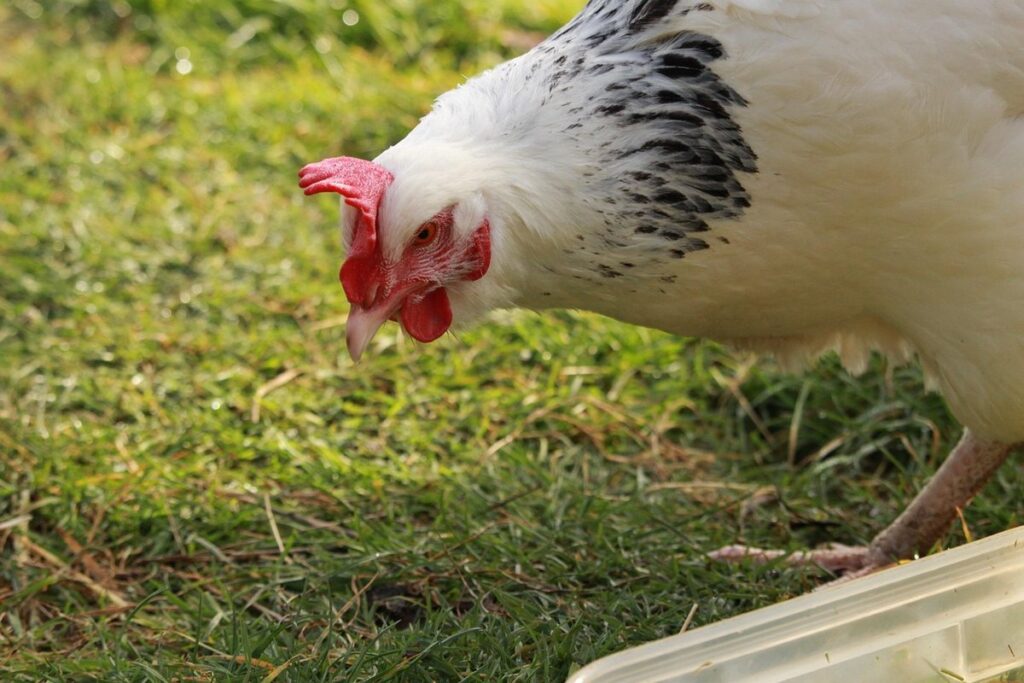
The Speckled Sussex hen is a visually stunning bird with several distinctive physical characteristics that set it apart from other breeds. In terms of plumage, the Speckled Sussex has a mottled brown and grey coat with white speckles covering its body, giving it a unique and eye-catching appearance. The feathers on their breast are often darker in color, while those on their back and wings are lighter.
On average, an adult Speckled Sussex hen will weigh between 5-6 pounds (2.3-2.7 kg) and stand approximately 24 inches (61 cm) tall. While they may not be the largest breed of chicken, they have a sturdy build that makes them well-suited for free-ranging or backyard farming.
One distinctive feature of the Speckled Sussex is its beard – a flap of feathers on their chest that gives them a somewhat endearing and whimsical appearance. Their eyes are a bright, alert brown that seem to sparkle with intelligence. Overall, the physical characteristics of the Speckled Sussex hen make it an attractive addition to any backyard flock or farm.
Temperament and Personality Traits
Speckled Sussex hens are known for their gentle and docile nature, making them an excellent choice for backyard flocks. They are friendly and outgoing, eager to interact with their owners and other animals. In fact, they’re often described as one of the most affectionate breeds around.
One of the standout personality traits of Speckled Sussex hens is their willingness to follow a routine. They thrive on structure and predictability, which makes them easy to care for. Establishing a regular feeding schedule, providing adequate space and exercise, and creating a safe and comfortable coop will help your Speckled Sussex hen feel secure and happy.
Their friendly demeanor also means they get along well with children and other pets, especially if socialized from an early age. However, it’s essential to remember that individual personalities can vary, so introducing them to new environments and animals should still be done gradually and under close supervision. With proper care and attention, Speckled Sussex hens make loyal and loving companions for families and experienced backyard chicken keepers alike.
Raising Speckled Sussex Chicks
Raising speckled sussex chicks can be a delightful experience, but it requires attention to their specific needs and requirements from day one. In this section, we’ll cover everything you need to know to successfully raise your new additions!
Choosing Healthy Chicks
When selecting healthy Speckled Sussex chicks from reputable breeders or hatcheries, it’s essential to know what to look for. First and foremost, check the chick’s overall appearance. Healthy chicks should be active, alert, and have a good appetite. Look for bright eyes, clean nostrils, and smooth, shiny feathers.
A reputable breeder or hatchery will often provide you with information about the parent stock of your chicks, including their health clearances and genetic testing results. This can give you peace of mind knowing that the parents are healthy and free from inherited diseases.
Another crucial aspect is to ensure the chick’s origin is traceable. Reputable breeders or hatcheries will keep accurate records of their flocks and be able to provide you with information about the chick’s ancestry. Ask questions, such as where the chicks were hatched, how they were raised, and what vaccinations have been administered.
When selecting individual chicks, look for ones that are uniformly colored and have a good spread of feathers. Avoid chicks that appear lethargic or have signs of illness, such as labored breathing or discharge from their eyes or nostrils. By choosing healthy chicks from the start, you’ll set yourself up for success in raising happy and healthy Speckled Sussex hens.
Housing and Brooding Requirements
When raising Speckled Sussex chicks, providing a safe and nurturing environment is crucial for their growth and development. For the first few weeks, Speckled Sussex chicks will require a brooder to regulate temperature and maintain humidity levels.
To establish an ideal brooding setup, ensure it’s draft-free and well-ventilated. A good rule of thumb is to provide at least 1 square foot of space per chick in the brooder. This will help prevent overcrowding, which can lead to health issues.
In terms of temperature, Speckled Sussex chicks prefer a warm environment between 90°F to 95°F (32°C to 35°C) for the first week after hatching. You can use heat lamps or ceramic heat emitters to achieve this temperature range. Be sure to monitor the temperature regularly and adjust as necessary.
After the initial brooding period, Speckled Sussex chicks will require a safe and dry place to roost at night. Provide a sturdy roosting bar around 2-3 feet off the ground, allowing them easy access for perching.
Adult Care and Management of Speckled Sussex Hens
As a responsible speckled sussex hen owner, it’s essential to know how to care for your girls as they mature, including feeding, health checks, and behavior management. Let’s dive into the adult care essentials.
Nutrition and Feeding
As adult Speckled Sussex hens reach their prime, it’s essential to provide them with a well-balanced diet that meets their nutritional needs. A good starting point is to offer a high-quality layer feed as the main staple of their diet. However, this should be supplemented with fresh fruits and vegetables daily to ensure they receive essential vitamins and minerals.
A recommended feeding schedule for adult Speckled Sussex hens is to provide 1-2% of their body weight in feed per day. For example, a hen weighing 4 pounds (1.8 kg) would require 0.04-0.08 pounds (18-36 grams) of feed daily. It’s also crucial to ensure access to fresh water at all times.
Considerations should be made for any dietary restrictions or allergies your hens may have. If you’re unsure about the best diet for your flock, consult with a veterinarian or poultry expert for personalized advice. Remember to introduce new foods gradually and in moderation to prevent digestive issues.
Health Issues and Common Problems
As you care for your Speckled Sussex hens, it’s essential to be aware of potential health issues that may arise. One common problem is feather pecking and cannibalism, which can lead to skin damage and stress. To prevent this, ensure your flock has a balanced diet, plenty of exercise, and adequate space to roam. Provide foraging toys filled with treats to stimulate their natural behaviors.
Another issue is egg binding, where hens experience difficulty laying eggs due to dehydration or poor nutrition. Monitor your birds’ egg-laying habits closely, and consult a veterinarian if you notice any signs of distress. Keep an eye out for respiratory problems like bronchitis and pneumonia, often caused by damp environments or bacterial infections.
Monitor your flock regularly for signs of mites, lice, and fleas. Treat infestations promptly to prevent discomfort and health issues. Regular vaccinations can also protect against diseases such as Newcastle disease and avian influenza.
Keep a clean and hygienic coop to reduce the risk of parasite infestations and other health problems. Ensure your flock has access to fresh water at all times, and consider providing probiotics to support their digestive health.
Breeding and Showing Speckled Sussex Hens
If you’re looking to breed or show your speckled sussex hens, understanding their temperament and breeding requirements is crucial for success. Here’s what you need to know about raising top-notch birds.
Breeding for Quality and Conformation
Breeding for quality and conformation is crucial when it comes to producing exceptional Speckled Sussex hens. Selecting birds with excellent conformation ensures that the offspring will not only be healthy but also maintain the breed’s unique characteristics.
When evaluating potential breeding stock, pay attention to the bird’s overall posture, muscle structure, and bone density. A well-proportioned Speckled Sussex hen should have a balanced appearance, with a deep breast, well-defined keel, and strong legs. Avoid birds with uneven or unbalanced features, as these can be indicative of underlying health issues.
It’s also essential to assess the bird’s movement and mobility. Watch how she walks, runs, and forages – does she move with ease and confidence? A healthy Speckled Sussex hen should have a natural gait, with her tail feathers held high and her wings at an angle.
When selecting breeding stock, look for birds that are not only physically sound but also mentally robust. A calm and gentle temperament is just as important as excellent conformation. By prioritizing quality over quantity, you’ll be more likely to produce hens that excel in both form and function.
Preparing for Show
When it’s time to show off your prized Speckled Sussex hens, preparation is key. You want to ensure they look their absolute best, not just for the judges’ sake but also to reflect positively on you and your breeding program.
Start by giving your birds a thorough grooming session at least 2-3 days before the show. This includes trimming their beaks, clipping any long feathers around the vent area, and making sure their feet are clean and free of debris. For hens with particularly stubborn mites or lice, consider using a medicated powder or spray to keep them under control.
On the day of the show, arrive early to allow for last-minute checks on your birds’ health and appearance. Double-check that all feathers are clean and in place, and make sure any necessary papers – such as vaccination records and breed registration documents – are readily available. Finally, take a few minutes to calm your birds with some gentle handling before presenting them to the judges. With these simple yet essential steps, you’ll be well on your way to showcasing your stunning Speckled Sussex hens in all their glory.
Conclusion and Final Thoughts on Keeping Speckled Sussex Hens
As you’ve learned all about these wonderful birds, now it’s time to summarize key takeaways and offer some final musings on what makes keeping Speckled Sussex hens so special.
Benefits and Drawbacks of Keeping This Breed
When considering bringing Speckled Sussex hens into your backyard flock, it’s essential to weigh the benefits and drawbacks of keeping this breed. On one hand, these charming birds offer numerous advantages that make them an excellent choice for many poultry enthusiasts.
One of the most significant benefits of keeping Speckled Sussex hens is their high egg-laying capacity. With an average production of around 200-220 brown eggs per year, they are an excellent choice for those seeking a reliable source of fresh eggs. Their docile nature and friendly demeanor also make them an excellent addition to any backyard flock, as they tend to get along well with other birds.
Another advantage of Speckled Sussex hens is their relatively small size and easy maintenance requirements. They require less space than larger breeds and are relatively low-maintenance when it comes to feed and care. However, some owners may find that their tendency to forage can lead to lost time and effort in securing any wandering birds.
On the other hand, there are a few drawbacks to consider. Speckled Sussex hens are known to be noisy, especially during mating season, which may not suit those living in noise-restricted areas or close to neighbors. Additionally, they have a moderate level of broodiness, which can lead to some frustration for owners who prefer their birds to lay eggs rather than sit on nests.
In terms of care and health considerations, Speckled Sussex hens are generally hardy birds that are resistant to many common poultry diseases. However, their tendency to over-eat can lead to weight gain and related health issues if not monitored carefully.
Ultimately, the decision to keep Speckled Sussex hens as pets or for egg production depends on your individual circumstances and needs. By understanding both the benefits and drawbacks of this breed, you can make an informed decision that works best for you and your flock.
Frequently Asked Questions
How do I ensure a smooth transition for my existing flock with the introduction of new Speckled Sussex hens?
When introducing new birds to your existing flock, it’s essential to follow a gradual integration process to prevent stress and conflicts. Start by keeping the new birds separate from your main flock for a few days before slowly introducing them under close supervision. Monitor their behavior closely and provide multiple feeding and watering stations to reduce competition.
Can I breed Speckled Sussex hens for specific traits, such as egg production or temperament?
Yes, breeding for specific traits is possible with careful selection and management. To focus on egg production, choose hens that consistently lay large numbers of eggs and breed them with roosters known for their excellent fertility. For temperament, select birds with friendly, docile personalities and breed them to produce offspring with similar characteristics.
How can I tell if my Speckled Sussex hen is sick or injured?
Regular health checks are crucial to identifying any potential issues early on. Look for changes in appetite, droppings, or behavior, such as lethargy, difficulty walking, or excessive panting. Also, inspect their plumage regularly for signs of pests like lice, mites, or feather pecking.
Can I mix Speckled Sussex hens with other breeds, or do they require a pure breed flock?
While it’s possible to integrate Speckled Sussex hens with other breeds, mixing can sometimes lead to complications due to differences in temperament and egg-laying abilities. If you decide to create a mixed-breed flock, choose breeds that complement each other in terms of size, temperament, and production levels.
What are some essential tips for transporting my Speckled Sussex chicks safely?
When transporting chicks, prioritize their safety by using secure, escape-proof containers with adequate ventilation. Keep the birds warm during transport by using a heat source or wrapping them in a towel. Avoid exposing them to direct sunlight or extreme temperatures, and ensure they have access to food and water at all times.