
Are you an avid poultry enthusiast or just starting to explore the wonderful world of backyard chickens? Either way, if you’re looking for a unique and stunning breed to add some excitement to your flock, we’ve got just the bird for you: the Silver Penciled Wyandotte. With its rich history dating back to the late 19th century, this breed has been prized for its striking appearance, charming personality, and impressive egg-laying abilities.
In this article, we’ll delve into the world of Silver Penciled Wyandottes, covering their fascinating history, distinctive physical characteristics, and friendly temperament. We’ll also offer expert advice on caring for these lovely birds, including tips on nutrition, health, and breeding. Whether you’re a seasoned breeder or just starting out, this guide will help you prepare your Silver Penciled Wyandottes for shows or simply enjoy them as beloved pets in your backyard flock.
Introduction to the Breed
If you’re new to the world of Silver Penciled Wyandottes, let’s start at the beginning: understanding the breed’s unique characteristics and history will give you a lifelong appreciation for these stunning birds. This section sets the foundation for our in-depth exploration of the breed.
Brief History of the Wyandotte Breed
The origins of the Wyandotte breed date back to the 1860s in North America. At that time, poultry enthusiasts were experimenting with various breeds to create unique and exotic birds. One such breeder was Benjamin F. Shumway, who is credited with developing the first Wyandottes. His vision was to create a showy bird with striking coloration.
The name “Wyandotte” comes from the Wyandot people, an indigenous tribe that once inhabited the region around Lake Erie. The breed’s popularity quickly grew as it showcased its exceptional plumage, temperament, and egg-laying abilities. To develop this stunning breed, Shumway crossed various breeds including the American Game, Brahma, and Cochin. This crossbreeding created a robust bird with impressive feathers.
The Wyandotte breed has undergone significant changes since its inception. With time, breeders refined its characteristics to enhance its overall appearance and performance. By the early 20th century, the breed gained recognition from major poultry organizations, solidifying its place in the world of ornamental fowl.
Key Characteristics of the Silver Penciled Wyandotte
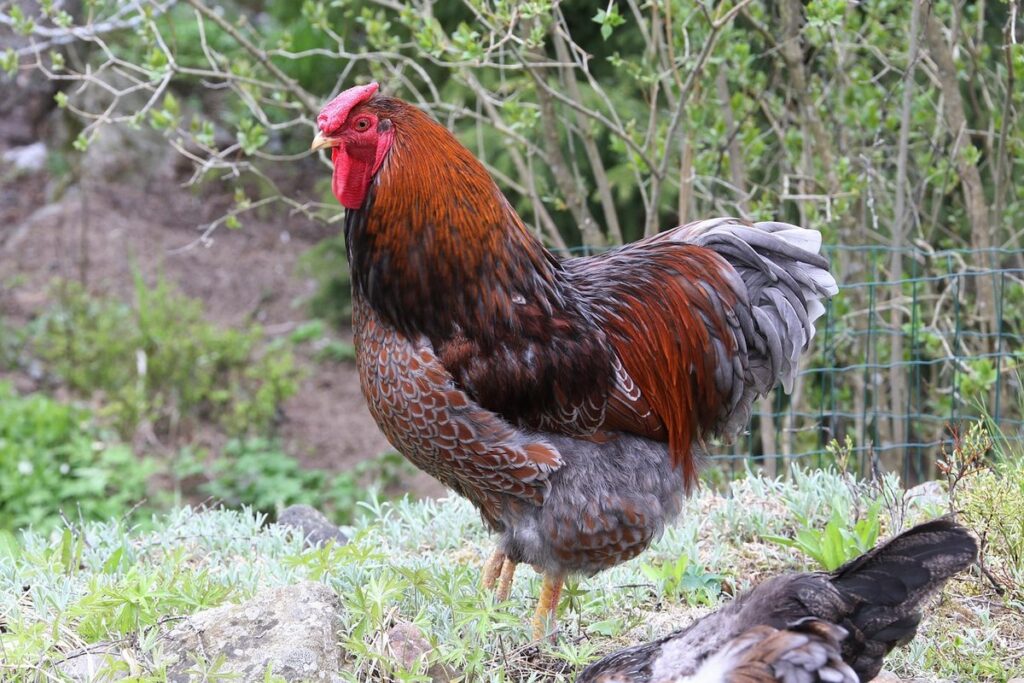
One of the most striking aspects of the Silver Penciled Wyandotte is its unique plumage. The breed’s name “Silver Penciled” refers to the distinctive silver-gray markings on its feathers, which give it a beautiful, intricate appearance. These markings are typically found on the neck, breast, and wings, and create a stunning contrast with the bird’s white or light-gray base color.
In terms of size, Silver Penciled Wyandottes are considered a medium to large breed, with roosters weighing between 7-8 pounds (3.2-3.6 kg) and hens weighing around 6-7 pounds (2.7-3.2 kg). Their size is just one aspect of their impressive appearance – they also have a broad, rounded body shape and a long, flowing tail.
As for temperament, Silver Penciled Wyandottes are known for being friendly, outgoing birds that make great additions to many backyard flocks. They’re social animals that thrive on interaction with humans and other chickens, making them a great choice for families or those who enjoy spending time with their poultry.
Physical Characteristics of the Silver Penciled Wyandotte
The silver penciled wyandotte’s striking appearance is characterized by its iridescent feathers and unique coloration, which we’ll dive into in more detail below. Let’s explore what makes this breed so visually stunning.
Coat Patterns and Colors
One of the most striking features of the Silver Penciled Wyandotte is their coat pattern and coloration. This beautiful breed’s unique appearance is a result of specific genetic traits that determine the way their feathers are arranged and colored.
The Silver Penciled Wyandotte has a distinctive penciling on their neck, breast, and belly, which gives them a crisp, defined look. The white base color provides a clean canvas for the darker markings, creating an attractive contrast between light and dark. The breed’s silver-gray plumage is flecked with black feathers, giving it a subtle, nuanced appearance.
To understand the intricacies of their feathering, consider the role of genetics in determining coat pattern. The Silver Penciled Wyandotte’s unique coloration is influenced by multiple genes working together to create their distinctive look. For example, the gene that controls the production of eumelanin (the pigment responsible for black and dark brown colors) interacts with other genes to produce the breed’s characteristic penciling.
When it comes to breeding Silver Penciled Wyandottes, understanding these genetic traits is crucial. Breeders should aim to select birds with a consistent coat pattern and coloration to ensure that they are breeding true to type. By selecting for specific traits, you can help preserve the breed’s unique appearance for generations to come.
A well-balanced diet, regular grooming, and proper health care will also contribute to maintaining your Silver Penciled Wyandotte’s stunning plumage.
Size and Build
When it comes to the physical characteristics of the Silver Penciled Wyandotte, one of the most noticeable features is its size and build. On average, this breed weighs between 5-7 pounds (2.3-3.2 kg) with roosters typically being larger than hens. As for body type, the Silver Penciled Wyandotte has a sturdy yet compact frame, making it an ideal choice for backyard flocks where space is limited.
In terms of height, these birds typically range from 16 to 20 inches (40-50 cm) in length, with some roosters reaching up to 22 inches (56 cm). Their body structure is characterized by a broad chest and strong legs, which enable them to move effortlessly around the yard. When it comes to feathering, the Silver Penciled Wyandotte boasts striking penciling on its wings, tail, and breast feathers, giving it a sleek and refined appearance.
Overall, the breed’s size and build make it an excellent choice for small-scale farmers or hobbyists looking to raise a manageable yet productive flock. If you’re considering bringing home a Silver Penciled Wyandotte, be sure to provide them with ample space to roam and exercise – this will help maintain their overall health and well-being.
Temperament and Personality
The Silver Penciled Wyandotte is known for its distinctive temperament, which makes it a great fit for families and experienced chicken keepers alike. In this next part of our guide, we’ll explore its personality traits in more detail.
Wyandotte Temperament Overview
When it comes to understanding the temperament of a silver penciled Wyandotte, prospective owners need to know what to expect. These birds are known for their friendly and docile nature, making them an excellent choice for families or those with prior chicken-keeping experience.
One key aspect of a silver penciled Wyandotte’s temperament is their social interaction style. They thrive on human interaction and can become quite attached to their owners. In fact, they’ve been known to follow people around the farm or yard, seeking attention and affection. However, this doesn’t mean they’re demanding or high-maintenance birds; rather, they simply enjoy being around people.
When integrating a silver penciled Wyandotte into your flock, it’s essential to introduce them slowly and under close supervision. This will allow them to establish a pecking order and get accustomed to their new surroundings. With proper care and attention, these birds can become loving and loyal companions, providing hours of entertainment and enjoyment for their owners.
In terms of potential behavior issues, silver penciled Wyandottes are generally low-maintenance in this regard. They’re not prone to excessive noise or feather pecking, which makes them a great choice for those who live in close proximity to neighbors. However, as with any bird, it’s essential to provide adequate space and stimulation to prevent boredom and stress.
Training and Socialization
Training and socializing a young Silver Penciled Wyandotte requires patience, consistency, and positive reinforcement. These birds are known for their intelligence and affectionate nature, but they can also be strong-willed and independent. To establish trust with your bird, start by using gentle handling techniques from an early age. Support its body and lift it securely, avoiding sudden movements that might frighten or injure your bird.
When socializing your Silver Penciled Wyandotte, introduce new people, environments, and objects gradually. Begin in a quiet room where your bird feels safe, then gradually increase exposure to noise, crowds, and other stimuli. Reward calm behavior with treats and praise, while avoiding punishment for misbehavior. Establish clear boundaries and routines to help your bird understand what is expected of it.
Remember that every bird is unique, so be prepared to adapt your approach as needed. With time, patience, and positive reinforcement, you can develop a strong bond with your Silver Penciled Wyandotte and enjoy years of companionship and affection from this beautiful breed.
Care and Management of the Silver Penciled Wyandotte
To keep your silver penciled wyandottes happy and healthy, you’ll need to master their specific care and management needs, including diet and exercise. Let’s dive into these essential details together.
Diet and Nutrition
When it comes to providing for your Silver Penciled Wyandotte’s nutritional needs, there are several key factors to consider. First and foremost, these birds require a high-quality layer feed as their main staple. Look for a feed that is specifically formulated for chickens and contains essential vitamins and minerals such as calcium, phosphorus, and vitamin D3.
In addition to layer feed, it’s also important to provide your Silver Penciled Wyandotte with a balanced diet of fruits and vegetables. Leafy greens like kale and spinach are excellent choices, as well as fresh vegetables like carrots and sweet potatoes. Fresh fruits such as berries and apples can also be given in moderation.
It’s worth noting that treats should not make up more than 10% of your bird’s daily calorie intake. Some healthy treat options include mealworms, sunflower seeds, and oats. Avoid giving your Silver Penciled Wyandotte avocado, onions, or chocolate, as these can be toxic to birds. By providing a balanced diet that includes high-quality feed, fruits, vegetables, and the occasional treat, you’ll be well on your way to keeping your Silver Penciled Wyandotte happy and healthy.
Health Considerations
As you welcome a Silver Penciled Wyandotte into your family, it’s essential to be aware of the breed’s potential health concerns. Research has identified several genetic predispositions that may affect your feathered friend.
One critical issue is the risk of blindness due to eye problems such as Progressive Retinal Atrophy (PRA). This degenerative condition can lead to complete vision loss if left untreated. Regular eye exams with a qualified avian veterinarian are crucial to detect any issues early on.
Another concern is the breed’s susceptibility to respiratory infections, which can be caused by bacterial or viral pathogens. Keeping your Silver Penciled Wyandotte in a clean, well-ventilated environment and ensuring proper nutrition will help boost their immune system.
To manage these health concerns, it’s vital to work closely with an experienced avian veterinarian who has knowledge of the breed. Regular check-ups, a balanced diet, and a safe living space can all contribute to your Silver Penciled Wyandotte leading a long and healthy life. With proper care and attention, you can help minimize the risk of these genetic predispositions and ensure your feathered companion remains happy and thriving.
Breeding and Raising Silver Penciled Wyandottes
When it comes to raising healthy, happy Silver Penciled Wyandottes, understanding their breeding needs is crucial. Here’s a closer look at what you need to know about breeding and raising these beautiful birds.
Choosing the Right Parent Stock
When it comes to breeding the Silver Penciled Wyandotte, choosing the right parent stock is crucial. You’ll want to select birds with excellent lineage and a proven track record of producing healthy, high-quality offspring.
Start by researching the bloodlines of the parents you’re considering. Look for birds that are descended from top-tier breeders or have won awards in shows. This will help ensure that your Silver Penciled Wyandottes inherit desirable traits such as their distinctive penciling pattern and robust build.
Health is also a critical factor when selecting parent stock. Make sure to check the parents’ medical history, including any vaccinations or treatments they’ve received. You can also ask breeders about the health of their birds and if there have been any issues with parasites or diseases in the flock.
When evaluating potential parent stock, consider the following traits:
• Correct penciling pattern
• Robust build and strong feathering
• Good temperament
• Healthy appearance and behavior
By selecting parents that exhibit these characteristics, you’ll be well on your way to producing a high-quality batch of Silver Penciled Wyandottes.
Raising Chicks and Young Birds
Raising healthy chicks and young birds is an essential part of breeding Silver Penciled Wyandottes. As a breeder, it’s crucial to get the basics right from day one to ensure your flock thrives.
When feeding your chicks, make sure they have access to high-quality starter feed formulated specifically for young poultry. A good rule of thumb is to provide them with 18-20% protein until they reach 6 weeks old. You can also supplement their diet with calcium and grit to support strong bone growth. As they grow into young birds, gradually transition them to a grower feed containing around 16-18% protein.
Vaccinations are another critical aspect of raising healthy chicks. Consult with a veterinarian or poultry expert to determine the best vaccination schedule for your flock. Typically, vaccinations against diseases like Marek’s and Newcastle are recommended at 6-8 weeks old.
Early socialization is also vital in shaping confident and friendly birds. Handle your chicks regularly from an early age, making sure to support their wings and legs. Introduce them to new environments and people gradually, and ensure they have plenty of space to exercise and play.
Show Preparation and Showing Your Silver Penciled Wyandotte
Now that you’ve got your bird looking its best, let’s talk about show preparation: what to expect and how to make a great impression at the competition.
Preparing for the Show Ring
Before entering the show ring with your Silver Penciled Wyandotte, it’s essential to focus on grooming and developing a confident ring presence. Start by familiarizing yourself with the breed standard, which outlines the ideal characteristics of a Silver Penciled Wyandotte. This includes a symmetrical build, a sleek silver coat with black penciling on the wings, tail, and face.
When it comes to grooming, pay close attention to your bird’s plumage, ensuring it is clean, smooth, and free of any tangles or mats. A well-groomed Silver Penciled Wyandotte exudes health and vitality, making a great impression on judges. To keep your bird looking its best, brush its feathers daily, paying special attention to the wings and tail.
In addition to grooming, practice ring presence by exposing your bird to various environments and situations. This can include visiting local shows or poultry exhibitions to get accustomed to the sights and sounds of the show ring. By doing so, you’ll help your Silver Penciled Wyandotte become more confident and composed in the face of new experiences, ultimately making it a stronger contender in the show ring.
Tips for Beginners in the Show Ring
As you prepare to show off your prized Silver Penciled Wyandotte, it’s essential to understand the ins and outs of poultry shows. For beginners, navigating the world of judging criteria and interacting with other breeders can be daunting. However, with some guidance and practice, you’ll become confident in no time.
When entering a show, familiarize yourself with the judging criteria by reviewing the American Poultry Association (APA) standards for your breed. This will help you identify areas where your Silver Penciled Wyandotte excels and areas that require improvement. Remember to focus on quality over quantity – it’s better to have fewer birds in top condition than a large number of birds that don’t meet standard.
When interacting with other breeders, be respectful and professional. Ask questions about their birds, but also share your own experiences and knowledge. Networking is key in the poultry world – you never know who might become a valuable mentor or collaborator in the future.
Frequently Asked Questions
What are the essential items I need to get started with raising Silver Penciled Wyandottes?
You’ll want to invest in a sturdy coop, nesting boxes, and adequate fencing for your backyard flock. Don’t forget about food and water containers, as well as a reliable feeder and watering system. Research local regulations regarding chicken ownership and ensure you have the necessary permits.
Can I keep Silver Penciled Wyandottes with other breeds?
While Silver Penciled Wyandottes are friendly birds, introducing them to an existing flock requires careful consideration. Start by keeping them separate for a few days before introducing them under close supervision. Monitor their behavior and adjust as needed.
How do I know if my Silver Penciled Wyandotte is laying eggs regularly?
Check the nesting boxes daily for fresh eggs. You can also monitor your bird’s overall health, ensuring they have access to a balanced diet and clean living conditions. Consult with an expert or veterinarian if you suspect any issues.
What are some common health issues I should be aware of in Silver Penciled Wyandottes?
Fowl pox, Marek’s disease, and respiratory infections are potential concerns for this breed. Regular vaccinations, proper ventilation, and maintaining a clean environment can help prevent these issues.
Can I show my Silver Penciled Wyandotte even if it’s not purebred?
While breed standards emphasize purebreds, showing is still possible with non-purebred birds. Familiarize yourself with local breed club rules and regulations regarding exhibitions. Focus on your bird’s overall health, temperament, and conformation to excel in the show ring.