
The majestic Blue Laced Red Wyandotte rooster is a sight to behold, with its vibrant plumage and striking blue lacing on its hackles. But this breed offers more than just its stunning looks; it’s also known for its friendly and docile nature, making it an excellent choice for backyard flocks. If you’re considering adding one of these magnificent birds to your family, it’s essential to understand their unique characteristics, care requirements, and breeding tips. This article will delve into the origins of this breed, discuss health considerations, and provide expert advice on how to thrive with Blue Laced Red Wyandottes. Whether you’re a seasoned chicken keeper or just starting out, you’ll find valuable insights here to help you raise these magnificent birds successfully.
Introduction to the Breed
Welcome to our comprehensive guide, where we’ll start by introducing you to the majestic Blue Laced Red Wyandotte rooster and its origins. Let’s dive into the fascinating history of this beloved breed.
Origins and History of the Blue Laced Red Wyandotte
The Blue Laced Red Wyandotte rooster has a rich history that dates back to the 19th century. Developed from the American Game Fowl and the Java chicken, this breed was first introduced to the world of poultry in 1875 by Dr. Job Houghton of Illinois. The original idea behind creating this breed was to produce a chicken with excellent meat production capabilities, as well as impressive plumage.
The Blue Laced Red Wyandotte quickly gained popularity among poultry enthusiasts and breeders due to its striking appearance and unique characteristics. One of the key features that set it apart from other breeds is its distinctive blue-laced red feathers. This coloration pattern is a result of the genetic combination of the American Game Fowl’s blue gene and the Java chicken’s red gene.
By the late 1800s, the Blue Laced Red Wyandotte had become a staple in poultry shows across the United States and Europe. Its introduction to these events marked a significant milestone in its development as a distinct breed. Today, the Blue Laced Red Wyandotte remains a sought-after breed among chicken enthusiasts and farmers alike due to its impressive size, strong egg-laying capabilities, and of course, its stunning appearance.
Characteristics That Define the Breed
The Blue Laced Red Wyandotte rooster is known for its exceptional characteristics that make it stand out among other breeds. One of the most notable features is its stunning plumage. The breed boasts a striking combination of blue and red feathers, with intricate lace patterns on its hackle, saddle, and wings. This unique coloration not only adds to its visual appeal but also serves as a distinguishing factor between males and females.
In terms of size, Blue Laced Red Wyandotte roosters are generally medium-sized birds, weighing around 7-8 pounds (3-4 kg) and measuring approximately 28 inches (71 cm) in length. While their size is impressive, it’s essential to remember that they require adequate space to move around and exercise, which is why many breeders recommend keeping them in larger coops or enclosures.
As for temperament, Blue Laced Red Wyandottes are known for being friendly and docile, making them an excellent choice for backyard chicken enthusiasts. They are social birds that thrive on interaction and attention from their owners, so it’s essential to spend quality time with your rooster to ensure he stays happy and healthy.
Physical Characteristics of the Blue Laced Red Wyandotte Rooster
When it comes to identifying a true Blue Laced Red Wyandotte rooster, understanding its physical characteristics is crucial. This section will break down what to look for in terms of size, plumage, and overall appearance.
Plumage and Coloration
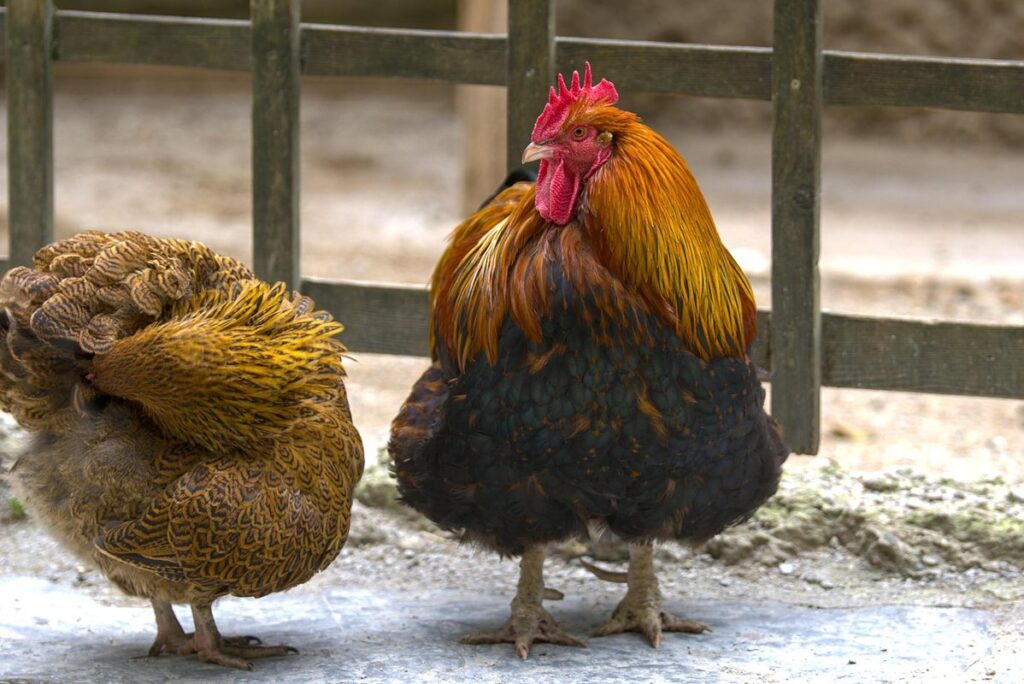
The plumage of the Blue Laced Red Wyandotte rooster is one of its most striking features. The rooster’s feathers are a vibrant blend of blue and red, with intricate lacing patterns that add depth and visual interest to its overall appearance.
In terms of texture, the Blue Laced Red Wyandotte rooster’s feathers are soft and silky to the touch, making them a joy to handle. The individual feathers also have a slight curve to them, giving the rooster a majestic, sweeping appearance when it struts around the farm or backyard.
The color pattern on the Blue Laced Red Wyandotte rooster is truly unique, with vibrant red and blue lacing that gives way to a rich, velvety red on the breast and belly. The hackle feathers – those long, pointed feathers around the neck – are particularly striking, featuring intricate patterns of blue and red that seem to shimmer in the light.
When it comes to caring for your Blue Laced Red Wyandotte rooster’s plumage, there are a few key things to keep in mind. First, make sure you’re providing plenty of space for your rooster to move around and exercise – this will help keep its feathers healthy and strong. Second, consider using a high-quality layer feed that includes essential vitamins and minerals to promote healthy feather growth. Finally, be gentle when handling your rooster’s feathers, as rough handling can cause damage and lead to matting or tangling.
Size and Build
When it comes to physical characteristics, one of the most noticeable aspects of the Blue Laced Red Wyandotte rooster is its size and build. On average, this breed weighs between 8-10 pounds (3.6-4.5 kg), with some individuals reaching up to 12 pounds (5.4 kg) or more.
In terms of height, the Blue Laced Red Wyandotte rooster stands at around 28-30 inches (71-76 cm) tall, making them a sturdy and impressive sight in any backyard flock. Their body shape is robust, with a deep chest and well-sprung ribs that provide ample space for their internal organs.
The breed’s build is also notable, with strong legs and sharp spurs that indicate their energetic and active nature. When considering adding a Blue Laced Red Wyandotte rooster to your flock, keep in mind that they require plenty of space to move around and exercise, ideally at least 4-6 square feet (0.37-0.56 sqm) per bird.
As with any large breed, it’s essential to provide adequate housing and resources to ensure their health and well-being. With proper care and attention, the Blue Laced Red Wyandotte rooster can thrive in a variety of environments and become a beloved member of your flock.
Comb and Wattles
The comb and wattles of the Blue Laced Red Wyandotte rooster are notable for their striking appearance. The comb, which is a fleshy projection on top of the head, is medium-sized, making it neither too large nor too small compared to other breeds. Its shape is rounded at the edges and slightly curved, giving it a gentle slope towards the back.
When it comes to carriage, you’ll notice that the comb doesn’t lie flat against the rooster’s crown; instead, it’s held at a slight angle, which adds to its overall charm. The wattles, located on either side of the neck, are also medium-sized and hang down symmetrically from the chin. They’re long enough to be noticeable but not so long that they become impractical.
In terms of functionality, the comb and wattles serve as indicators of the rooster’s health and overall well-being. A healthy Blue Laced Red Wyandotte rooster will have vibrant red comb and wattles, whereas poor nutrition or illness can cause them to fade or become discolored.
Temperament and Personality Traits
When it comes to owning a blue laced red Wyandotte rooster, understanding its temperament and personality traits is essential for harmonious coexistence. Let’s explore what you can expect from this charming bird.
Socialization and Interaction with Humans
Socialization is a crucial aspect of raising a well-adjusted and confident blue laced red wyandotte rooster. As young roosters are naturally curious and energetic, it’s essential to provide them with plenty of opportunities for socialization from an early age.
Handling and interacting with adults can be intimidating for a young rooster, but consistency and gentle handling can help build trust. Start by letting him get used to your presence, voice, and movements. Begin with short sessions, gradually increasing the duration as he becomes more comfortable.
When it comes to children, blue laced red wyandotte roosters are generally friendly and docile. However, it’s still crucial to teach children how to handle them gently and respectfully. Supervise interactions between children and your young rooster, ensuring that the kids understand not to pull his feathers or tail, which can cause distress.
As you interact with your blue laced red wyandotte rooster, pay attention to body language. If he tenses up, flattens his ears, or tries to escape, it’s a sign that he needs space or gentle re-handling. By socializing your young rooster properly, you’ll raise a confident and friendly companion that thrives in the presence of both adults and children.
Aggression Levels and Warning Signs
As you work with your Blue Laced Red Wyandotte rooster, it’s essential to understand that aggression can be a potential issue. This breed is known for its bold and confident nature, which can sometimes manifest as aggression towards people or other animals. Recognizing the warning signs of aggressive behavior is crucial in managing this trait.
Some common warning signs to look out for include sudden changes in body language, such as raised hackles or puffed-out chests, as well as increased vocalization like crowing or hissing. You may also notice your rooster becoming more territorial, defending its space from perceived threats. If you notice any of these behaviors escalating, it’s vital to address the issue promptly.
To manage aggressive behavior in your Blue Laced Red Wyandotte rooster, start by establishing clear boundaries and a consistent training routine. Use positive reinforcement techniques like treats and praise to encourage desired behavior. Additionally, ensure your rooster has sufficient space to roam and exercise, as stress caused by confinement can exacerbate aggression.
Compatibility with Other Poultry
When introducing a Blue Laced Red Wyandotte rooster to an existing flock, it’s essential to consider compatibility with other poultry. These birds are known for their gentle nature and can get along well with hens from various breeds. However, as with any rooster introduction, it’s crucial to take some precautions.
Begin by housing the new arrival in a separate enclosure or aviary, allowing him to become familiar with his surroundings before being introduced to the rest of the flock. This also gives you an opportunity to monitor his behavior and ensure he doesn’t display aggressive tendencies.
When introducing the rooster to other birds, do so gradually, starting with visual introductions through a fence or mesh screen. Once you’ve observed positive interactions, it’s time for supervised meetings in the same enclosure. Keep a close eye on body language – if you notice any signs of stress or aggression, separate them immediately.
In terms of housing arrangements, Blue Laced Red Wyandottes can thrive in a mixed-breed flock when provided with enough space and resources. Aim for at least 2-3 square feet per bird to prevent overcrowding and promote a peaceful coexistence.
Breeding and Hatching Programs
Breeding a Blue Laced Red Wyandotte rooster requires careful planning and selection, from sire choice to incubation techniques. Let’s dive into the specifics of breeding programs that bring these stunning birds to life.
Choosing a Responsible Breeder
When searching for a responsible breeder of Blue Laced Red Wyandottes, it’s essential to consider their experience and breeding goals. A reputable breeder will be transparent about their methods and selection process. Look for breeders who have been involved with the breed for several years and can provide references from satisfied customers.
Check if the breeder is registered with a national poultry association, such as the American Bantam Association (ABA) or the American Poultry Association (APA). This ensures they adhere to specific standards and guidelines. Review their website, social media, or ask about their breeding program to understand their goals.
A responsible breeder will also prioritize health and temperament in their birds. Ask questions like “How do you select your breeding stock?” or “What measures do you take to ensure the health of your flock?” Be wary if a breeder seems evasive or secretive about their methods.
Ultimately, choosing a reputable breeder takes time and research. Don’t rush into purchasing from just any breeder. A responsible breeder will be invested in the well-being of their birds and committed to producing high-quality stock.
Considering Factors Affecting Hatch Rates
When it comes to breeding Blue Laced Red Wyandotte roosters, one of the most critical factors that impact hatch rates is nutrition. A balanced diet rich in essential nutrients, vitamins, and minerals is crucial for maintaining optimal health and fertility in these birds. Ensure they have access to high-quality feed specifically formulated for poultry, supplemented with fresh fruits and vegetables to provide a diverse range of nutrients.
Living conditions also play a significant role in determining hatch rates. Roosters need adequate space to roam freely, exercise, and engage in natural behaviors. A well-ventilated coop or enclosure is essential, as overheating can significantly reduce fertility. Ensure the roosting bar is at an optimal height for comfortable perching, and provide scratching posts and other enrichment activities to keep them stimulated.
Regular health checks are also vital to identify any potential issues that may affect hatch rates. Consult with a veterinarian experienced in poultry care to ensure your birds receive regular vaccinations and parasite control measures. By addressing these environmental factors, you can significantly improve the fertility of your Blue Laced Red Wyandotte roosters and increase the chances of successful breeding.
Health Considerations for the Breed
When it comes to breeding Blue Laced Red Wyandotte roosters and hens, understanding their potential health issues is crucial for responsible breeders. Unfortunately, this breed can be prone to certain genetic disorders and infectious diseases that can affect both males and females.
One of the most significant concerns is Marek’s disease, a viral condition that affects the nervous system and can lead to paralysis, blindness, and even death. Responsible breeding practices should include regular testing for this disease in parent stock. Another issue affecting Blue Laced Reds is fibromyalgia, a genetic disorder causing muscle pain and wasting.
Infectious diseases such as coccidiosis and avian influenza also pose risks to your flock. To minimize these risks, maintain proper sanitation, provide access to clean water and food, and ensure good ventilation in coops. Regular health checks by a veterinarian can help identify issues early on. Consider incorporating genetic testing into your breeding program to reduce the likelihood of passing on inherited conditions.
By prioritizing health and taking proactive measures, you can build a healthy flock while preserving the breed’s unique characteristics.
Care and Management of the Blue Laced Red Wyandotte Rooster
To keep your Blue Laced Red Wyandotte rooster healthy and thriving, it’s essential to understand his unique needs for care and management. This section will guide you through those specific requirements.
Nutrition and Feeding
When it comes to feeding your Blue Laced Red Wyandotte rooster, you’ll want to provide a balanced and nutritious diet that meets his unique needs. As a young chick, he’ll require starter feed that’s high in protein (around 20%) to support rapid growth and development.
For the first 6-8 weeks, stick to a starter feed specifically formulated for young chickens. Look for a feed that contains around 1-2% calcium to support strong bone growth. Once your rooster reaches about 16 weeks of age, you can transition him to layer feed (around 18-20% protein). Layer feed is designed to provide the necessary nutrients for egg production and overall health.
In addition to these feeds, be sure to offer fresh fruits and vegetables as treats. Leafy greens like kale and spinach are rich in vitamins A and E, while carrots and sweet potatoes provide essential minerals. Limit table scraps and processed foods, which can lead to obesity and other health issues.
Housing and Environmental Needs
When it comes to providing for your Blue Laced Red Wyandotte rooster’s housing needs, there are several key factors to consider. Firstly, ensure that your coop offers ample space for your bird to move around comfortably. A general rule of thumb is to provide at least 4-5 square feet of floor space per bird, although more space is always better.
Good ventilation is also crucial in maintaining a healthy environment for your rooster. Ensure that your coop has adequate windows and airflow to prevent the buildup of ammonia from droppings. Consider installing a whole-house fan or using a dehumidifier to regulate humidity levels.
Sunlight is essential for your rooster’s overall well-being, so ensure that his coop receives direct sunlight for at least part of the day. A south-facing window or skylight can provide this, although you may need to install shades or blinds to prevent overheating during extreme temperatures.
Remember that your rooster will require more space as he matures, so plan accordingly when designing or renovating his living quarters. By providing a spacious, well-ventilated coop with access to sunlight, you’ll be giving your Blue Laced Red Wyandotte rooster the best possible start in life.
Health Checks and Preventative Care
Regular health checks are crucial to maintaining optimal health for your Blue Laced Red Wyandotte rooster. These birds can be prone to certain health issues, such as reproductive problems and feather pecking disorders, so it’s essential to stay on top of their health needs.
Schedule annual check-ups with a qualified poultry veterinarian to ensure your rooster is receiving the best possible care. During these visits, have your rooster weighed and monitored for signs of illness or disease. A healthy weight range for a mature Blue Laced Red Wyandotte rooster is between 8-10 pounds, so keep an eye on this number.
In addition to regular check-ups, make sure your rooster receives necessary vaccinations to protect against diseases such as Marek’s and Newcastle. Also, maintain strict parasite control measures by regularly cleaning the coop and runs, monitoring for signs of internal parasites, and providing a balanced diet that includes plenty of fresh water. This will help keep your rooster healthy and thriving throughout its life.
Conclusion: Embracing the Unique Qualities of the Blue Laced Red Wyandotte Rooster
In conclusion, the Blue Laced Red Wyandotte rooster is truly a unique and special breed. As you’ve learned throughout this guide, their striking appearance and impressive plumage make them a standout in any backyard flock. But beyond their physical characteristics, these birds possess a distinct personality that’s sure to captivate and delight. Embracing the quirks and individuality of your Blue Laced Red Wyandotte rooster is key to building a strong bond with them. By accepting and even celebrating their unique qualities, you’ll find yourself growing more attached and appreciative of their company.
Take it from experienced breeders who’ve developed a deep affection for these birds – the Blue Laced Red Wyandotte’s charm lies in its very unpredictability. So don’t be surprised if your rooster surprises you with an unexpected display of courage or a quirky habit. Instead, learn to appreciate and even encourage these endearing traits.
Frequently Asked Questions
What’s the best way to introduce a Blue Laced Red Wyandotte rooster to my existing flock, especially if they’re not familiar with its unique characteristics?
Introducing a new rooster can be challenging, but it’s essential for establishing dominance and reducing stress. Start by keeping the new rooster in a separate enclosure and allowing them to become familiar with each other’s scents and sounds through feeding or exercise sessions. Once comfortable, introduce them under close supervision, ensuring no aggression is displayed.
Can I breed Blue Laced Red Wyandottes if I have limited space for a large flock, and are there specific considerations I should be aware of?
While breeding requirements can be demanding, it’s not impossible with careful planning. For small-scale breeding, focus on selecting high-quality roosters and hens to increase fertility rates. Ensure your birds receive optimal nutrition, adequate housing, and regular health checks. Consider investing in a breed-specific incubator for efficient hatch rates.
How do I recognize potential aggression signs in my Blue Laced Red Wyandotte rooster, especially if it’s becoming more dominant?
Early detection of aggression is crucial to prevent harm to yourself or other birds. Watch for warning signs like raised hackles, aggressive posturing (puffing out chest and spreading wings), or sudden attacks on flock members. Be cautious of dominance displays during mating season or when introducing new birds.
What kind of specialized care do I need to provide for the Blue Laced Red Wyandotte rooster, particularly regarding plumage maintenance?
To keep your rooster’s stunning plumage in top condition, ensure regular dust baths and provide a balanced diet rich in protein. Regularly brush feathers to prevent matting and uneven growth. Consider applying a mild conditioner or olive oil-based treatment for added shine.
Can I raise Blue Laced Red Wyandottes successfully without extensive experience with poultry breeding or management?
While experience helps, it’s not essential. Focus on providing a suitable environment (adequate housing, nutritious feed, regular health checks), learning breed-specific needs, and gradually gaining hands-on experience. Consider consulting local experts or online forums for guidance and support to help overcome initial challenges.