
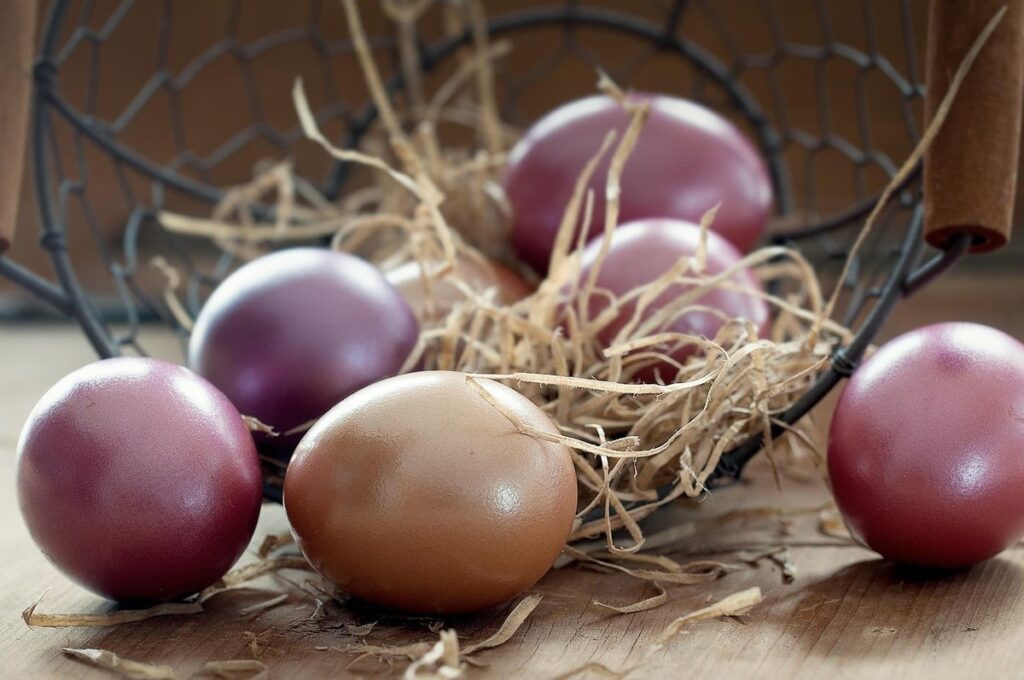
If you’re an Ameraucana breeder or simply a curious chicken enthusiast, you’ve likely wondered about the unique characteristics of these charming birds’ eggs. Specifically, the color of Ameraucana Egger eggs is a topic of interest for many, and rightly so! The genetics behind these beautiful eggs are fascinating, with blue, green, and pink hues that make them stand out in the world of poultry. But what affects their eggshell color? How does nutrition, age, and health influence this trait? In this article, we’ll delve into the world of Ameraucana Egger eggs, exploring their genetic makeup, egg-laying abilities, and how preserving diversity is crucial for the breed’s future. We’ll also discuss the importance of understanding these characteristics to create healthier, more resilient flocks.
Introduction to Ameraucana Eggers
Let’s dive into what makes Ameraucana Egger eggs so unique, starting with their fascinating color palette and other distinctive characteristics. You’ll soon discover why these eggs are a favorite among backyard chicken keepers.
History of the Breed
The origins of the Ameraucana breed date back to the 1970s when they were developed in the United States from Chilean birds. The goal was to create a chicken that combined the hardiness and gentle nature of its ancestors with desirable egg-laying traits. This unique blend of characteristics led to the emergence of Egger lines, specifically bred for their ability to lay eggs in multiple colors.
As a result of their diverse genetic makeup, Ameraucana Eggers are known for producing an array of eggshell hues, including blue, green, purple, and even pink. This incredible color range is one of the breed’s most distinctive features and what sets them apart from other chicken breeds. If you’re looking to add some excitement to your backyard flock or start an egg-laying business, understanding the history behind Ameraucana Eggers can help you appreciate their unique characteristics and how they’ve become such prized layers.
Brief Overview of Egg-Laying Abilities
When it comes to egg-laying abilities, Ameraucana Eggers are known for their remarkable production and diversity of colors. This breed is a result of crossing an Ameraucana rooster with an Easter Egger hen, which makes them exceptional layers. On average, an Ameraucana Egger will lay around 280-300 large eggs per year, making them a popular choice among backyard chicken keepers.
One of the most notable aspects of an Ameraucana Egger’s egg-laying abilities is their tendency to produce a wide range of colors and patterns. You can expect to see shades of blue, green, pink, yellow, white, and brown eggs, often with unique markings or striations. This color variation is due in part to the breed’s genetic makeup, which influences the production of pigments in the eggshell.
It’s worth noting that an Ameraucana Egger’s egg-laying abilities can be influenced by factors such as nutrition, health, and living conditions. Providing a balanced diet rich in calcium and maintaining a clean and safe coop will help support your hen’s ability to produce eggs regularly.
Understanding the Color Genetics of Ameraucana Eggs
Let’s dive into the fascinating world of color genetics and explore how it influences the beautiful shades of your Ameraucana eggs. You’ll learn what makes these egg colors possible!
The Role of Blue Gene in White and Colored Shells
The Blue Gene’s Impact on Eggshell Coloration
When it comes to Ameraucana egg color genetics, one of the most fascinating aspects is the blue gene. This single gene has the power to produce a wide range of colors and patterns on eggshells. The blue gene works by diluting the pigmentation in the shell, resulting in white or pastel-colored eggs. But what’s truly remarkable about this gene is its ability to create both solid white and colored shells.
With the blue gene, you can expect to see a variety of white and colored shell variations. These include but are not limited to: slate-blue, lavender, olive-green, brown, and buff-colored eggs. The intensity and shade of these colors will depend on the interactions between the blue gene and other genes present in the hen’s genome.
In practical terms, if you’re looking to breed Ameraucanas for their eggshell color, it’s essential to understand how the blue gene affects shell coloration. By selecting hens with the desired combination of genes, you can increase the likelihood of producing eggs with unique colors and patterns. This requires a deep understanding of genetics and careful selection breeding practices, but the rewards are well worth the effort.
Influence of the Black Gene on Eggshell Pigmentation
When you introduce a black gene into an Ameraucana’s genetic makeup, it can have a significant impact on eggshell pigmentation. This is because the black gene has a unique effect on the color spectrum, causing colors to darken or lighten depending on their original intensity.
In general, the black gene will cause blue or green eggs to become darker and more saturated, while light-colored eggs may lose some of their brightness. For example, a light-blue egg might turn a deep slate grey when influenced by the black gene. However, this effect is not consistent across all colors – certain shades may remain relatively unchanged.
To give you a better idea, consider this: if an Ameraucana has a blue eggshell gene, introducing a small amount of black genetics will cause the eggs to darken gradually over several generations. This means that breeders can use selective breeding to produce deeper, richer colors in their birds’ eggs by incorporating the right genetic combinations.
This subtle influence can be both intriguing and challenging for breeders looking to create specific color patterns or intensities in their Ameraucana flock’s eggs.
Factors That Affect Eggshell Color in Ameraucana Eggers
The color of your Ameraucana Egger’s eggs can be influenced by several key factors, including their breed, diet, and living conditions. Let’s take a closer look at these variables to see how they impact eggshell color.
Nutrition, Age, and Health Impact on Shell Color
When it comes to breeding Ameraucana Eggers for their distinctive eggs, understanding the impact of nutrition, age, and health on shell color is crucial. A well-balanced diet rich in calcium, phosphorus, and other essential minerals plays a significant role in determining the intensity and variation of eggshell colors.
As your hens mature, you may notice changes in eggshell color due to age. For example, younger hens tend to produce eggs with more vibrant blue or green hues, while older hens’ eggs may appear lighter or more muted. This is because the older hens’ bodies are less efficient at absorbing and utilizing nutrients.
Maintaining your flock’s overall health is also vital in achieving consistent eggshell colors. Stress, disease, and poor nutrition can all impact the color intensity of your Ameraucana Eggers’ eggs. Ensure your girls have access to clean water, a balanced diet, and regular veterinary check-ups to keep them healthy and happy.
By paying attention to these factors, you can increase the chances of achieving that perfect blue or green eggshell color in your Ameraucana Eggers’ eggs.
Influence of Breeding Practices on Eggshell Color Diversity
Intentional breeding has played a significant role in shaping the unique characteristics of Ameraucana Eggers’ eggs, particularly when it comes to eggshell color diversity. Breeders have selectively bred birds to emphasize specific traits, such as blue or green eggshells, resulting in an incredible range of colors. This targeted approach has not only increased the availability of rare eggshell colors but also allowed for the creation of new and exciting varieties.
For instance, breeding programs aimed at producing pure blue eggs have led to the development of birds that consistently lay these prized eggs. Similarly, selective breeding for green eggs has resulted in birds that produce a vibrant, lime-green shell. These intentional breeding efforts demonstrate the power of careful selection and management to shape the characteristics of a breed.
As an Ameraucana Egger breeder or enthusiast, you can apply this knowledge by considering your own breeding goals and selecting birds that align with those objectives. By understanding the impact of selective breeding on eggshell color diversity, you’ll be better equipped to create and maintain a flock that meets your specific needs and preferences.
Comparing Ameraucana Egger Eggs with Other Chicken Breeds
When comparing egg colors, it’s natural to wonder how Ameraucana Eggers’ unique hues stack up against other popular chicken breeds. Let’s explore some notable differences in this section!
Comparison of Color Ranges and Intensity Across Breeds
When it comes to egg color, Ameraucana Eggers stand out from other breeds with their unique range of blues and greens. However, they’re not the only breed to exhibit a wide variety of colors. A comparison of different breeds’ color ranges can provide context for the distinct qualities of Ameraucana eggs.
For instance, Marans eggs are known for their dark, chocolate-brown hue, while Araucanas produce bright blue or green eggs with varying intensities of pigment. Easter Eggers, as a mix of breeds, often lay eggs in shades of brown, tan, and even pale blue. In contrast, Ameraucana eggs showcase a broader spectrum of blues, from light sky blue to deep navy.
This diversity in egg color is largely due to the genetic influence of different breed characteristics. For example, the production of oocyanin pigment, responsible for blue egg color, is more prevalent in Ameraucanas than in other breeds. By understanding the unique genetic makeup of various breeds, we can appreciate the distinct qualities that set Ameraucana Eggers apart from others in terms of egg color and intensity.
Health Considerations for Different Eggshell Colors in Chickens
When it comes to eggshell colors, some breeds are naturally more prone to certain health issues due to their genetics. For instance, Leghorn hens that lay white eggs have a higher risk of developing calcium deficiencies because they don’t absorb enough calcium from their feed to produce strong shells.
In contrast, Ameraucana Egger’s ability to produce blue-green eggs may provide some benefits in terms of eggshell quality and chicken health. The pigment responsible for the blue color, porphyrin, is a byproduct of heme iron metabolism. Research suggests that this pigment may have antioxidant properties, which can help protect against oxidative stress and inflammation in chickens.
It’s essential to note that while there may be some benefits associated with specific eggshell colors, they are generally not a guarantee of optimal health. Regular veterinary care, proper nutrition, and maintaining clean living conditions remain crucial for the overall well-being of your flock. If you’re considering adding an Ameraucana Egger to your backyard chicken coop, ensure that their nutritional needs are met to support their unique characteristics.
Maintaining the Genetics Behind Colorful Eggs
To keep those stunning egg colors coming, it’s essential to understand how genetics play a role in maintaining them, and we’re diving into the specifics of that process next.
The Importance of Linebreeding and Selective Breeding
Linebreeding and selective breeding are essential practices for maintaining the unique characteristics of Ameraucana Egger’s eggs, particularly their distinctive color patterns. By concentrating on specific traits through strategic breeding, you can ensure that your flock produces eggs with consistent and desired colors.
When it comes to the blue or green egg-laying trait, ameraucanas owe it to their genetic makeup from the Araucana breed. To preserve this characteristic, it’s vital to incorporate linebreeding into your breeding program. This means selecting birds with desirable traits and mating them to their relatives to amplify those qualities.
This process might seem complex, but the payoff is well worth the effort. Linebreeding helps maintain genetic diversity while reducing inbreeding depression – a common issue when breeding small populations. By choosing birds that exhibit exceptional egg coloration or other desired traits, you can gradually build upon these characteristics and strengthen your flock’s overall health.
When selecting for specific traits, keep an eye out for individuals with consistently blue or green eggs, as well as those displaying the characteristic turquoise tint on their earlobes – a hallmark of ameraucanas.
Challenges in Preserving Diversity Through Selective Breeding
Preserving genetic diversity is crucial when selective breeding for specific traits like eggshell color. The goal of maintaining this diversity is to ensure that the breed remains robust and adaptable to changing environments. However, focusing on a particular trait can lead to a loss of genetic variation.
For instance, intense selection for blue eggs in Ameraucanas has reduced their overall genetic diversity. This reduction increases the breed’s susceptibility to diseases and makes it more challenging to maintain its original characteristics. To mitigate this issue, breeders must strike a balance between selecting for desirable traits and preserving genetic diversity.
Breeders can achieve this by implementing strategies such as:
• Rotating selection criteria to avoid overemphasizing a single trait
• Incorporating unrelated individuals into the breeding program to introduce new genes
• Maintaining detailed records of lineage and trait inheritance to guide selection decisions
By adopting these approaches, breeders can preserve the genetic diversity of their flock while still showcasing the unique characteristics that make Ameraucana Egger eggs so desirable.
Frequently Asked Questions
Can I raise Ameraucana Eggers for egg-laying without a breeding program in place?
No, it’s crucial to maintain a breeding program if you want to ensure the continuation of the breed’s unique characteristics, including their colorful eggs. A well-structured breeding program helps preserve diversity and maintains the genetics behind these traits.
How do I encourage multiple color production in my Ameraucana Egger flock without affecting their overall health?
To promote healthy eggshell color variation, focus on providing a balanced diet rich in calcium, vitamin D3, and other essential nutrients. Ensure your birds have access to adequate space, fresh air, and proper lighting to support their overall well-being.
Are there any specific tests or tools I can use to determine the genetic makeup of my Ameraucana Egger flock?
While you may not need specialized testing for every bird, DNA profiling can help identify carriers of desirable genes. Consult with a poultry expert or reputable breeding organization to learn more about available testing methods and how they can benefit your program.
Can I crossbreed my Ameraucana Eggers with other breeds to create chickens that lay eggs in new colors?
Yes, but be aware that this may compromise the breed’s genetic integrity and potentially lead to a loss of diversity. Crossbreeding should only be done under controlled circumstances, with careful consideration given to the impact on both parent breeds.
How can I preserve the unique color genetics of my Ameraucana Egger flock for future generations?
To maintain diversity and ensure the continuation of these traits, practice selective breeding that emphasizes the desired characteristics. Consider incorporating linebreeding strategies and working closely with other breeders to share knowledge and resources.