
Americana eggs have become increasingly popular in recent years due to their unique characteristics, distinct color patterns, and promise of sustainability. But where do these colorful eggs come from? If you’re considering incorporating Americana eggs into your diet or looking for a more eco-friendly option, you’ll want to know the story behind them. In this article, we’ll delve into the history of Americana eggs, explore their nutritional benefits, and discuss how they can be a sustainable choice for consumers. From their rich colors to their environmental impact, we’ll cover everything you need to know about these distinctive eggs. Whether you’re an avid chef or simply a curious consumer, this guide will help you make informed choices when it comes to your egg selection.
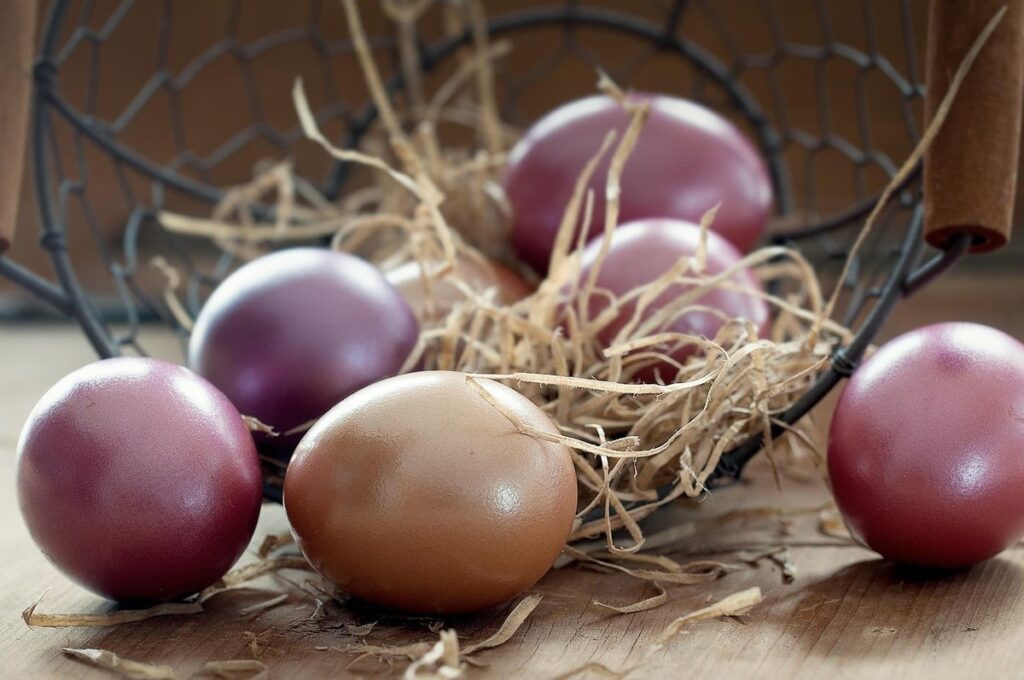
What Are Americana Eggs?
So, you’re curious about what makes a bird’s egg an Americana Egg? Let’s dive into the world of genetics and characteristics that define these unique eggs.
Definition and Origins
Americana eggs are a distinctive type of chicken egg that owe their unique characteristics to heritage breeds. These breeds have been around for centuries and were often used by farmers and backyard enthusiasts to produce eggs with distinct colors and patterns.
To understand the origins of Americana eggs, let’s take a step back in time. Heritage breeds like the Marans, Barnevelder, and Australorp have been prized for their ability to produce dark, richly colored eggs. These breeds were brought over by early European settlers, who valued them for their hardiness and egg-laying abilities.
As farming practices evolved, so did the demand for these unique eggs. Farmers began to selectively breed these heritage breeds to emphasize their distinctive shell colors. The result was the Americana egg, with its characteristic dark brown or chocolate-colored shells. Today, many backyard chicken keepers and farmers continue this tradition, breeding and raising heritage breeds to produce these beautiful eggs.
The rich history behind Americana eggs is a testament to the importance of preserving traditional farming practices and promoting biodiversity in poultry.
Characteristics and Traits
Americana eggs are known for their unique characteristics that make them stand out from other types of eggs. One of the most distinctive features is their shell texture, which is often described as being more porous and less dense than other eggshells. This can be attributed to the breed’s ancestry and genetic makeup.
When it comes to size, Americana eggs are generally smaller than those laid by other breeds, such as Leghorns or Rhode Island Reds. However, their compact size belies a rich, full interior that is packed with nutrients and flavor. On average, an Ameraucana egg weighs around 2-3 ounces (50-75 grams), making them the perfect choice for those looking to incorporate more eggs into their diet.
In terms of egg production rate, Americana hens are known for being prolific layers, producing around 200-300 eggs per year. This is comparable to other popular breeds like Leghorns and Rhode Island Reds.
Benefits of Eating Americana Eggs
Americana eggs are not just a treat for the eyes, they also bring a world of benefits to your plate. From rich nutrients to improved health, let’s dive into what makes them so special!
Nutritional Value
When it comes to the nutritional value of Americana eggs, you’ll find that they’re an excellent addition to a healthy diet. One of the standout benefits is their high protein content, making them an ideal choice for fitness enthusiasts and athletes. In fact, a large Americana egg contains about 6-7 grams of protein, which can help support muscle growth and repair.
But the nutritional value of Americana eggs doesn’t stop there. They’re also rich in vitamins and minerals like vitamin D, B12, and iron, which are essential for maintaining healthy red blood cells and a strong immune system. Additionally, Americana eggs contain omega-3 fatty acids, which have been shown to reduce inflammation and improve heart health.
Incorporating Americana eggs into your diet can also provide potential health benefits. For example, the antioxidants found in these eggs may help protect against cell damage and oxidative stress, reducing the risk of chronic diseases like cancer and heart disease. With their impressive nutritional profile, it’s no wonder why Americana eggs have become a popular choice among health-conscious consumers.
To maximize the nutritional value of your Americana eggs, consider cooking them using gentle methods like poaching or boiling to preserve their delicate nutrients.
Allergy-Friendly Options
For individuals with egg allergies or intolerances, finding suitable alternatives can be a challenge. However, Americana eggs may offer a solution. These eggs are produced by Ameraucana chickens, which lay blue-shelled eggs due to their unique genetic makeup.
Ameraucana eggs are a good option for those with allergies because they contain the same protein structure as chicken eggs, making them less likely to cause an allergic reaction. In fact, studies have shown that individuals with egg allergies can tolerate Americana eggs without issue. However, it’s essential to note that everyone’s sensitivity is different.
If you’re considering trying Americana eggs, start by introducing them in small amounts and monitor your body’s response. Some people may find they can consume Americana eggs without any issues, while others may still experience an allergic reaction. Consult with a healthcare professional or registered dietitian for personalized guidance. By incorporating these colorful eggs into your diet, you can enjoy their nutritional benefits while minimizing the risk of an adverse reaction.
The Science Behind the Colors
When it comes to the vibrant hues of Americana eggs, there’s more going on than just color – let’s dive into the fascinating science behind these bright shades.
Pigmentation Process
When it comes to the vibrant colors of Americana eggs, the science behind pigmentation is truly fascinating. Genetics play a significant role in determining the shell color, as it’s influenced by the hen’s breed and genetic makeup. However, environmental factors such as diet, nutrition, and exposure to sunlight also have an impact on the final color.
Here’s how it works: the production of melanin, a pigment responsible for eggshell coloration, is triggered by the interaction between genetics and environmental stimuli. For example, hens fed with high levels of lutein, a yellow-orange pigment, will produce eggs with more intense orange or yellow hues. Similarly, exposure to sunlight can stimulate the production of vitamin D3, which in turn affects melanin synthesis.
In practical terms, this means that egg farmers and hobbyists can manipulate the environment to influence shell color. By adjusting diet and nutrition, as well as providing optimal living conditions, breeders can achieve desired color outcomes. For instance, adding natural pigments like turmeric or paprika to a hen’s feed can result in eggs with unique, earthy tones.
The interplay between genetics and environmental factors is what makes the colors of Americana eggs so diverse and captivating. By understanding this complex process, we can better appreciate the intricate dance of nature that results in these stunning hues.
How Color Affects Taste Perception
When it comes to selecting eggs from a carton, color can play a significant role in our decision-making process. Research suggests that consumers often perceive eggs based on their color, which can influence taste perception and consumer preferences.
Studies have shown that people associate darker eggshells with better quality, freshness, and nutritional content. This is because dark-colored eggs are often linked to heritage breeds or farms that emphasize animal welfare and sustainable practices. On the other hand, lighter-colored eggs may be perceived as less nutritious or lower in quality.
For Americana eggs specifically, their rich brown color can evoke a sense of nostalgia and tradition. Consumers who prefer darker eggshells might associate them with more robust flavors and richer textures. However, it’s essential to note that egg color is not directly correlated with taste. The actual flavor and nutritional content of the egg are determined by factors like feed quality, breed, and production methods.
As an egg buyer, you can take this into consideration when selecting eggs from a carton. If you’re looking for darker-colored eggs, consider shopping at local farmers’ markets or from farms that prioritize heritage breeds. While color alone is not a definitive indicator of taste, it can be an interesting factor to keep in mind when making your choice.
Raising Heritage Breeds for Americana Eggs
If you’re interested in collecting eggs from heritage breeds, you’ll want to know how to raise these unique birds successfully. This is where understanding their specific needs comes in.
Breed Characteristics
When it comes to raising heritage breeds for the prized Americana eggs, you’ll want to focus on three primary breeds: the Easter Egger, the Araucana, and the Ameraucana. These birds have a rich history, with origins dating back to South America where they were bred by the Incas.
The Easter Egger is a cross between an American Bantam and an Araucana or Ameraucana, resulting in a bird that lays blue eggs but doesn’t necessarily exhibit any of the genetic traits of its parent breeds. This makes them a great option for those new to heritage breeding, as they’re relatively low maintenance.
In contrast, the Araucana is a breed that originated in Chile and is known for laying blue eggs due to a genetic trait called ovotransferrin. They require regular exercise and stimulation to prevent boredom and stress, which can impact egg production.
The Ameraucana, also originating from South America, is another bird bred specifically for its blue eggs. They have a more laid-back temperament than the Araucana but still need plenty of space to roam and engage in natural behaviors.
When managing these breeds, it’s essential to provide them with a balanced diet that includes plenty of fresh fruits and vegetables to support their health and egg production. You’ll also want to ensure they have access to adequate shelter from extreme weather conditions and predators.
Sustainable Farming Practices
When raising heritage breeds for Americana egg production, it’s essential to prioritize sustainable farming practices. This not only helps maintain healthy flocks but also minimizes the environmental impact of our operations.
To start, focus on providing a diverse and balanced diet for your birds. This can include locally sourced grains, fruits, and vegetables, as well as access to fresh water and outdoor foraging areas. A 2019 study found that heritage breed chickens raised on pasture produce eggs with higher levels of omega-3 fatty acids and vitamins compared to those raised in confinement.
Another crucial aspect is creating a suitable habitat for your birds. This includes providing adequate shelter, nesting boxes, and perches. Consider using natural materials like wood and straw instead of synthetic alternatives to reduce waste and support local ecosystems.
By implementing these sustainable practices, you’ll not only be producing high-quality Americana eggs but also contributing to the well-being of both your flock and the environment.
The Impact of Americana Eggs on Local Economies
As you continue to learn about the vibrant world of Americana eggs, let’s take a closer look at how these colorful birds impact local economies in a meaningful way.
Supporting Small-Scale Farmers
When you choose Americana eggs for your breakfast table, you’re not just selecting a product – you’re supporting small-scale farmers who are dedicated to preserving the art of sustainable egg production. These farmers prioritize heritage breeds and eco-friendly practices that benefit both their land and local communities.
The economic impact of buying locally produced Americana eggs is substantial. By cutting out the middlemen, these farmers can retain up to 70% of the revenue, compared to large-scale industrial farms where profits are often siphoned off by distributors and retailers. This translates to more resources for farmers to invest in their land, improve their operations, and pay fair wages to their workers.
Moreover, small-scale farming stimulates local economies through multiplier effects. Every dollar spent on Americana eggs generates an estimated $1.25 in economic activity within the community. This includes jobs created in related industries like feed production, farm equipment supply, and agritourism. By choosing locally sourced Americana eggs, consumers can enjoy the taste of heritage breeds while contributing to a thriving local economy.
Community Engagement and Education
As local egg farms become an integral part of their communities, it’s essential to foster strong relationships with the people who support them. One way to do this is through community engagement and education initiatives that promote heritage breed awareness. By sharing knowledge about Americana eggs and their unique characteristics, farmers can create a loyal following and build a sustainable business model.
Farm tours are an excellent way to educate visitors about the inner workings of an egg farm. Many farms offer behind-the-scenes tours where guests can learn about the different breeds, feeding practices, and production methods used. For example, Americana eggs are known for their rich, brown color, which is a result of their hybrid ancestry. By highlighting these unique features, farmers can create an immersive experience that leaves visitors with a deeper appreciation for the breed.
Workshops and educational programs are another effective way to engage with the community. These can range from simple egg decorating classes to more in-depth lectures on sustainable agriculture practices. By partnering with local schools or community centers, farms can reach a wider audience and establish themselves as trusted experts in their field.
Recipes and Cooking Ideas for Americana Eggs
Get creative in the kitchen with our favorite recipes and cooking ideas that showcase the vibrant colors of americana eggs. From omelets to frittatas, we’ve got inspiration for every meal!
Classic Dishes and Twists
Americana eggs are a versatile ingredient that can be used to create a wide range of delicious dishes. When it comes to traditional breakfast recipes, Americana eggs are a staple. Try making a classic American-style omelette with diced ham and cheddar cheese for a filling morning meal.
But why stick to the classics? The unique flavor profile of Americana eggs lends itself perfectly to innovative fusion recipes. For example, pair Americana eggs with spicy Korean chili flakes (gochugaru) and crispy kimchi for a breakfast twist like no other. Alternatively, top toasted sourdough bread with poached Americana eggs, smoked salmon, and crème fraîche for a decadent brunch option.
To make the most of your Americana eggs, don’t be afraid to experiment with different flavors and ingredients. Try adding a sprinkle of paprika or chopped fresh herbs like parsley or chives to give your dishes an extra boost of flavor. You can also use Americana eggs as a topping for salads or as a filling for breakfast burritos – the possibilities are endless!
Tips for Pairing with Other Ingredients
When it comes to cooking with Americana eggs, one of the most exciting aspects is experimenting with new combinations of flavors and ingredients. To get you started, let’s explore some pairing ideas that will take your dishes to the next level.
Herbs are a natural match for Americana eggs – try adding fresh parsley or chives to scrambled eggs for a bright and refreshing breakfast. Basil and thyme also pair beautifully with the rich flavor of these eggs. For a more subtle hint of herbal flavor, use dried herbs like oregano or dill weed.
Spices add depth and warmth to any dish, and Americana eggs are no exception. Cumin and smoked paprika complement the earthy tones of these eggs, while cayenne pepper adds a spicy kick. Experiment with different spice blends, like chili powder or curry powder, for a unique flavor profile.
Cheese is another excellent partner for Americana eggs – creamy feta, tangy goat cheese, or even melted cheddar all make great additions to omelets and scrambled egg dishes. Don’t be afraid to get creative and combine multiple cheeses for an extra-rich taste experience.
Conclusion: Celebrating the Diversity of Americana Eggs
In conclusion, the world of Americana eggs is truly a colorful and diverse one. As we’ve explored the various shades and patterns that make up this beloved category of eggs, it’s clear that there’s no one “right” way to collect or display them. Rather, each egg’s unique characteristics are what make it special – whether it’s the vibrant turquoise hue of an Arizona Turquoise egg or the soft pastel tones of a Maine Blue egg.
As you continue to build your Americana egg collection, remember that every egg tells a story and adds its own personality to the mix. Don’t be afraid to experiment with different combinations of eggs and display them in creative ways – after all, that’s what makes collecting Americana eggs so much fun!
Frequently Asked Questions
Are Americana eggs suitable for people with allergies?
Yes, Americana eggs are often considered a good option for those with allergies due to their lower risk of containing allergens like soy or peanuts compared to some commercial egg products. However, it’s essential to research the specific breed and farming practices involved to ensure they align with your dietary needs.
Can I raise my own heritage breed chickens for Americana eggs?
Yes, raising heritage breeds can be a rewarding experience, but it requires careful planning, knowledge of breeding and genetics, and attention to local regulations. Start by researching the specific breed you’re interested in and seeking guidance from experienced breeders or poultry experts.
How do I store and handle Americana eggs for optimal freshness?
To maintain the quality and freshness of Americana eggs, store them pointy-end down in a cool, dry place. Keep them refrigerated if not consuming within a few days, but avoid washing them before storing to prevent moisture from entering through the pores.
Are Americana eggs more expensive than regular eggs, and are they worth it?
Prices for Americana eggs can vary depending on factors like breed, location, and farming practices. While they may be pricier than regular eggs, many consumers find their unique characteristics and sustainable benefits justify the cost. Consider your personal preferences and values when deciding whether to incorporate Americana eggs into your diet.
Can I use Americana eggs in baking and cooking without affecting their color?
While the distinctive colors of Americana eggs can add visual appeal, they may not always retain their vibrant hues during cooking or baking. To minimize color loss, use gentle heat, minimal liquid, and avoid overmixing when working with Americana egg-based dishes. This will help preserve their natural pigments and maintain their unique appearance.