
Are you thinking of adding a Brown Leghorn rooster to your flock, but not sure where to start? Or perhaps you already have one and want to ensure you’re providing the best possible care. Either way, it’s essential to understand the unique needs and characteristics of this popular breed. Brown Leghorns are known for their exceptional egg-laying abilities and striking appearance, making them a favorite among backyard chicken keepers. However, they can also be quite energetic and demanding, requiring regular exercise and social interaction. In this comprehensive guide, we’ll delve into the world of Brown Leghorn roosters, covering temperament, health, breeding, and more. From managing their energetic nature to ensuring their optimal health, we’ll give you everything you need to know to raise a happy and thriving rooster.
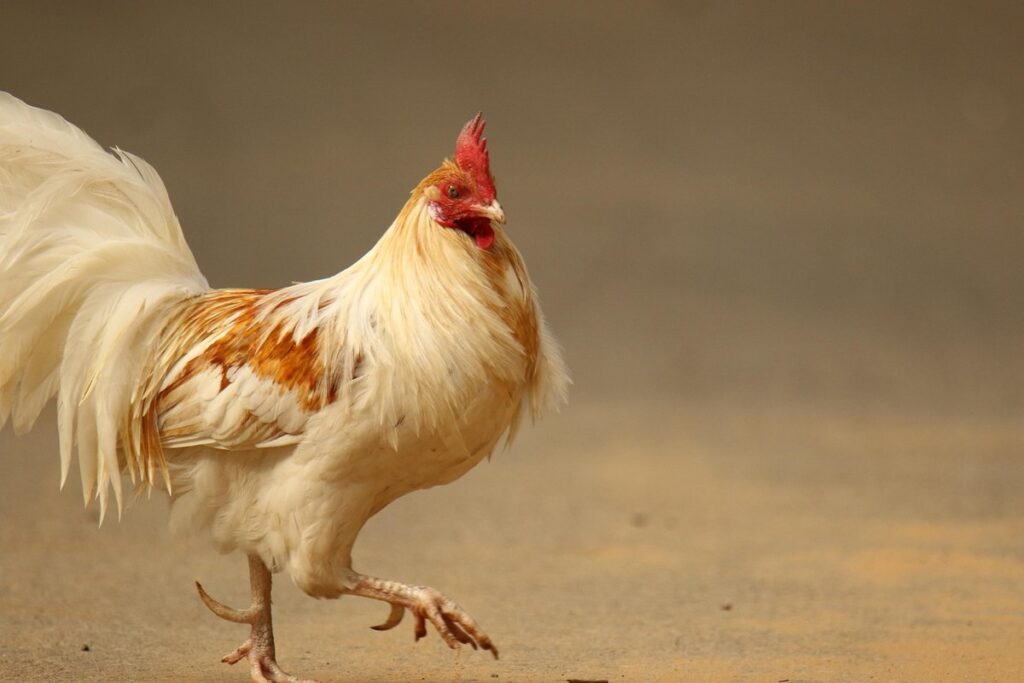
Introduction to the Brown Leghorn Rooster
Let’s start by getting to know one of the most iconic rooster breeds: the Brown Leghorn. This section will cover its origins, temperament, and characteristics that make it a popular choice among chicken enthusiasts.
Origin and History of the Breed
The Brown Leghorn rooster has its roots in Italy, where it was developed in the late 19th century as a distinct breed. Its origins are closely tied to the Leghorn breed, which was first introduced from the island of Dalmatia (now part of Croatia) in the 1830s. The Brown Leghorn was bred specifically for its unique characteristics, including its rich brown plumage and exceptional egg-laying abilities.
One of the key factors that set the Brown Leghorn rooster apart from other breeds is its hardiness. Developed to thrive in Mediterranean climates with high temperatures and low humidity, this breed has proven itself to be highly resilient in a range of environments. In fact, it’s not uncommon for backyard flocks to keep Brown Leghorns as their primary breed due to their impressive ability to adapt.
In terms of size, the Brown Leghorn rooster typically weighs between 5-7 pounds and stands around 20 inches tall at the shoulder. Its rich brown plumage is striking, with a subtle sheen that catches the light in just the right way.
Benefits of Keeping a Brown Leghorn Rooster
Owning a Brown Leghorn rooster can be incredibly rewarding for backyard chicken keepers. One of the most significant benefits is their egg-laying prowess. While they are predominantly known as a meat bird, many Brown Leghorns will surprise you with their egg production. In fact, some hens have been known to lay up to 300 eggs per year, making them an excellent choice for those looking to supplement their household’s egg supply.
Another benefit of raising Brown Leghorns is the quality of their meat. The breed excels in growth rate and feed efficiency, producing high-quality meat that’s perfect for the table. With proper care and management, a single rooster can provide a steady supply of delicious and nutritious chicken meat throughout the year.
But it’s not just about production – Brown Leghorns are also renowned for their friendly and docile temperament. This makes them an excellent choice for families with children or those who want to integrate their chickens into their daily lives. They’re social birds that thrive on interaction, so be prepared to spend quality time with your feathered friends!
Physical Characteristics of the Brown Leghorn Rooster
When it comes to identifying a Brown Leghorn rooster, understanding its physical characteristics is essential. Let’s take a closer look at what sets this bird apart from other breeds.
Size and Weight
Mature Brown Leghorn roosters typically reach an average weight of 4-5 pounds (1.8-2.3 kg), with some individuals reaching up to 6 pounds (2.7 kg) or more. In terms of size, they can grow to around 24-26 inches (61-66 cm) in height, including their comb and wattle.
However, it’s essential to note that growth rates can be influenced by factors such as nutrition, genetics, and overall health. A well-balanced diet rich in protein and calcium will help support optimal growth and development. Ensuring access to clean water and a stress-free environment is also crucial for healthy growth.
Keep in mind that individual birds may vary significantly depending on their ancestry and living conditions. Some Brown Leghorns may grow faster or slower than others, so it’s essential to monitor your rooster’s progress and adjust his care accordingly. Regular health checks and proper nutrition will help ensure your rooster reaches its full potential size and weight.
Plumage and Feathers
The Brown Leghorn rooster’s plumage is one of its most striking features, setting it apart from other breeds. The characteristic brown coloration can range from a deep chestnut to a light golden hue, often with subtle shading on the neck and tail feathers. The texture of their feathers is another distinguishing aspect, being smooth and glossy, which helps to repel water and maintain plumage integrity.
To keep your Brown Leghorn rooster’s plumage in top condition, ensure it has access to clean water at all times for bathing. Regular dust baths can also help remove dirt and oils from the feathers. During molting seasons, provide a balanced diet rich in protein to support feather growth. Be gentle when handling their feathers, as excessive pecking or pulling can lead to damage.
In addition to maintenance, understand that Brown Leghorns are prolific layers of downy soft material during breeding season. This process is crucial for egg production and overall health.
Temperament and Behavior
When it comes to living with a brown Leghorn rooster, understanding its temperament and behavior is crucial for creating a harmonious household. This section will explore their typical traits and what you can expect from your feathered friend.
Aggression and Fighting Instincts
Brown Leghorns are known for their robust build and assertive personalities. While many roosters thrive on attention and interaction, some Brown Leghorns can become overly aggressive due to factors like over-handling, lack of proper socialization, or genetic predisposition.
One crucial factor that can trigger aggressive behavior in Brown Leghorn roosters is inadequate space and stimulation. Roosters need room to exercise and engage in natural behaviors like foraging, perching, and dust bathing. Without sufficient space and enrichment, they may become frustrated and lash out at their owners or other birds.
Signs of aggression in Brown Leghorns include raised hackles, aggressive posturing, and loud crowing. If left unchecked, this behavior can escalate to pecking and attacking other birds, even pets in the household. To mitigate aggression, provide a spacious enclosure with plenty of perches, toys, and scratching posts.
It’s also essential to socialize your Brown Leghorn rooster well, introducing him to various environments, people, and animals from an early age. Avoid separating him from his flock or restricting his movement, as this can lead to stress and increased aggression. By recognizing the warning signs of aggression and implementing preventative measures, you can help your Brown Leghorn rooster thrive in a calm and harmonious environment.
Socialization and Training
Socialization is crucial for young Brown Leghorn roosters, as it lays the foundation for their behavior and temperament. Start by introducing them to various people, environments, and experiences from an early age. Handle them gently but firmly, ensuring they become comfortable with human interaction.
For successful training, establish a routine that includes regular feeding times, exercise sessions, and playtime. Positive reinforcement techniques, such as treats and praise, are effective in shaping desired behaviors. Avoid punishment or harsh handling, as this can lead to aggression and fear-based behavior.
To minimize aggression in Brown Leghorn roosters, it’s essential to understand their natural instincts. Roosters are naturally protective of their flock and territory. By providing a suitable environment and enough space for exercise, you can reduce the likelihood of aggression.
Incorporate activities that challenge their minds and bodies, such as puzzle feeders or obstacle courses. This will help redirect excess energy into constructive outlets and improve overall behavior. With patience, consistency, and positive reinforcement, you can develop a well-socialized and well-behaved Brown Leghorn rooster.
Health Considerations
When it comes to owning a brown leghorn rooster, it’s essential to consider its health needs and potential risks, such as noise levels and aggression. This section will explore these critical factors in more detail.
Common Health Issues in Brown Leghorns
Brown Leghorns are generally hardy birds, but like all breeds, they can be prone to certain health issues. One of the most common problems is Marek’s disease, a viral infection that affects the nervous system and can lead to paralysis or even death. Vaccination is essential to prevent this disease.
Another issue is respiratory infections, which can be caused by bacteria such as Mycoplasma gallisepticum. These infections can be triggered by stress, poor ventilation, or inadequate nutrition. To reduce the risk of respiratory problems, make sure your birds have access to clean air and water, and provide a balanced diet that includes a high-quality layer feed.
Internal parasites such as mites and lice can also affect Brown Leghorns. Regular cleaning of the coop and run is crucial in preventing infestations, along with daily inspections for signs of parasite activity. Additionally, providing probiotics or digestive enzymes can help maintain a healthy gut and prevent nutritional deficiencies.
Nutritional issues can be caused by inadequate calcium intake, leading to soft eggshell production or poor bone development. Ensure your birds have access to oyster shells or cuttlebone as a source of calcium, and supplement their diet with a calcium-rich feed if necessary.
Nutrition and Diet Requirements
Providing the right nutrition is essential for maintaining the health and well-being of your Brown Leghorn rooster. A balanced diet that meets their specific needs will help prevent nutritional deficiencies and related health issues.
As a general rule, Brown Leghorns are prolific egg-layers and require more protein in their diet compared to other breeds. To meet this demand, you should provide a high-quality layer feed as the main staple of their diet. This type of feed is formulated to contain 16-18% protein, which is essential for maintaining strong muscles and supporting egg production.
In addition to a good quality layer feed, it’s also important to ensure your rooster has access to fresh water at all times. A general rule of thumb is to provide at least one gallon of water per bird per day. You can also supplement their diet with fruits and vegetables, such as leafy greens or berries, which are rich in vitamins and minerals.
It’s worth noting that a sudden change in diet can lead to digestive issues, so it’s best to introduce new foods gradually to prevent this. By providing a well-balanced diet and access to fresh water, you’ll be able to maintain your Brown Leghorn rooster’s health and support their overall well-being.
Breeding and Management
When it comes to raising healthy, productive Brown Leghorn roosters, understanding their breeding habits is crucial. Let’s dive into the essential strategies for managing your flock’s reproductive cycle.
Breeding Program Guidelines
When establishing a breeding program for your Brown Leghorn roosters, it’s essential to follow best practices that ensure the health and genetic integrity of your flock. The first step is selecting suitable breeding stock. Look for birds with excellent conformation, feather quality, and egg-laying abilities (for females). For males, focus on robustness, vigor, and impressive plumage.
It’s also crucial to manage genetic diversity within your flock. This can be achieved by introducing new bloodlines every 5-7 years or incorporating unrelated roosters into the breeding program. Avoid inbreeding, as it can lead to health issues and decreased fertility. Consider maintaining a detailed record of your birds’ lineage and health history to make informed decisions about future breedings.
To maintain genetic diversity, you may also consider rotating breeds every 10-15 years or adopting birds from reputable breeders who prioritize genetic integrity. This proactive approach will not only preserve the Brown Leghorn’s unique characteristics but also ensure a healthy and thriving flock for generations to come.
Flock Size and Space Requirements
When it comes to managing Brown Leghorn roosters, determining the optimal flock size and providing adequate space per bird is crucial for their health and well-being. A good rule of thumb is to provide at least 3-4 square feet of space per bird inside the coop, and an additional 5-10 square feet in the run.
However, this can vary depending on several factors such as climate, breed, and management style. For example, if you live in a hot and humid climate, you may need to provide more ventilation and cooling systems, which will require additional space.
To calculate your flock’s optimal size, consider the following: start with 2-3 roosters per hen, but keep in mind that excess roosters can lead to fighting and stress. A general guideline is to have a ratio of 1 rooster for every 10 hens. This will not only ensure their safety but also promote better egg production.
Remember, overcrowding can lead to health issues such as respiratory problems, skin infections, and parasites. Monitor your flock’s behavior, cleanliness, and overall condition to adjust the size accordingly.
Frequently Asked Questions
Can I start with a single Brown Leghorn rooster, or do I need to get a few hens as well?
Yes, you can start with a single Brown Leghorn rooster, but it’s essential to provide him with companionship and social interaction. Adding a few hens to the flock will help satisfy his social needs and reduce aggression. However, introducing multiple roosters together is not recommended, as this can lead to fighting.
How often should I provide exercise for my Brown Leghorn rooster?
Brown Leghorns are high-energy birds that require regular exercise to stay healthy and happy. Aim to provide at least 2-3 hours of supervised outdoor time daily, including access to a fenced area or enclosed run where they can roam freely. Additionally, consider engaging them in activities like foraging, flying, or simply roaming around the yard.
What are some common health issues I should be aware of in Brown Leghorn roosters?
Common health issues affecting Brown Leghorns include Marek’s disease, infectious bronchitis, and frostbite. Regular vaccinations, proper nutrition, and maintaining a clean living environment can help prevent these conditions. Monitor your flock regularly for signs of illness or stress and consult with a veterinarian if you have concerns.
Can I keep my Brown Leghorn rooster indoors during harsh weather conditions?
While it’s tempting to keep your rooster indoors during extreme weather, this can lead to boredom, stress, and behavioral issues. If possible, provide a protected outdoor area where they can escape from wind, rain, or intense sunlight. Alternatively, consider using tarps or covers to create a dry and sheltered space for them to enjoy.
How do I manage my Brown Leghorn rooster’s aggression towards other animals?
Manage your rooster’s aggression by introducing him to new animals gradually, under close supervision. Provide plenty of space and resources, such as food, water, and perches, to reduce competition among birds. Additionally, consider using a behavior modification plan to address specific aggressive behaviors, such as feather pecking or territorial displays.