
Bielefelder eggs are a popular choice among backyard chicken enthusiasts, not only for their rich nutritional profile but also for their stunning appearance. If you’re new to raising these dual-purpose chickens or looking to optimize your flock’s egg production, one of the first things you’ll notice is their distinctive color. From the deep olive-green undertones to the subtle sheen on the shell, Bielefelder eggs are a treat to behold. But what makes them so unique? And how can you breed and manage your flocks for maximum egg production? In this article, we’ll dive into the world of Bielefelder eggs, exploring their color, nutritional benefits, and expert advice on raising these amazing chickens. Whether you’re a seasoned farmer or just starting out, get ready to learn how to bring home some of the most beautiful eggs you’ve ever laid eyes on.
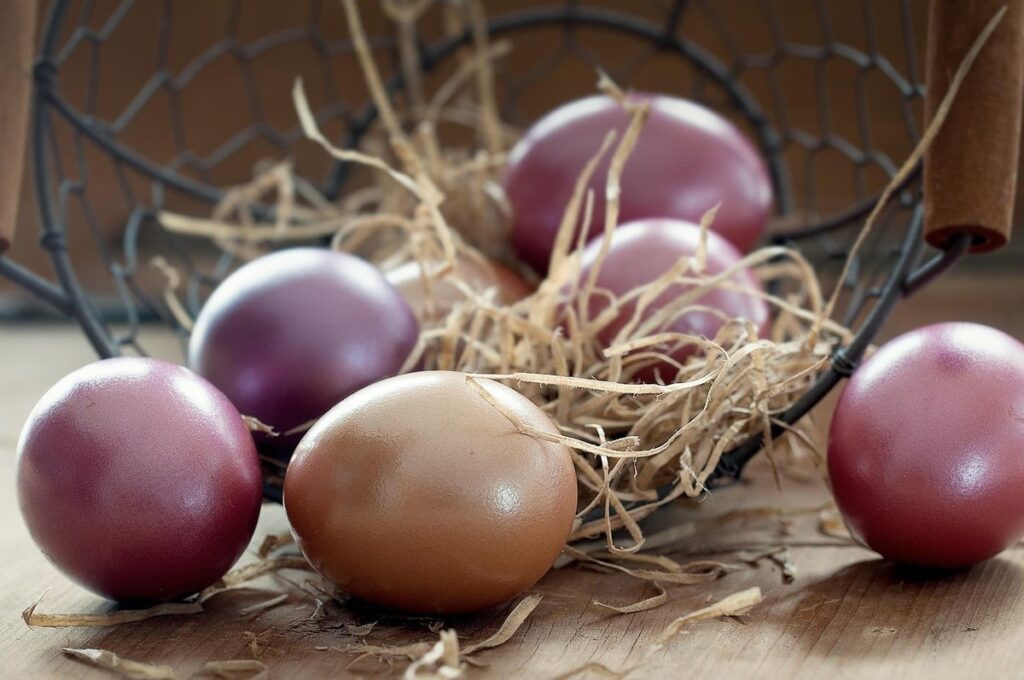
What are Bielefelder Eggs?
Let’s dive into what makes these eggs so special, starting with their unique color profile and the fascinating process of how they get their distinctive hue.
Origin and History of Bielefelder Chickens
Bielefelder chickens have a rich history that dates back to 1970s Germany. The breed was developed by crossing Brown Leghorns with other local breeds to create a chicken that would thrive in the country’s temperate climate. This strategic breeding program aimed to produce birds that were not only hardy but also prolific egg layers.
The Bielefelder’s unique egg-laying abilities can be attributed, in part, to its German origins. German farmers prized chickens that could lay eggs consistently throughout the year, regardless of the changing seasons. As a result, breeders focused on selecting individuals with robust constitutions and excellent foraging skills. This careful selection has enabled Bielefelder hens to become renowned for their ability to produce an average of 300 large, brown eggs per year.
Interestingly, the Bielefelder’s egg-laying abilities have also been influenced by its genetic makeup. The breed has a unique combination of genes from its Brown Leghorn and local German ancestors, which allows it to maintain a high reproductive rate while still producing quality eggs. This distinctive blend of characteristics makes the Bielefelder an attractive choice for backyard chicken keepers seeking large quantities of fresh, homegrown eggs.
Characteristics of Bielefelder Chickens
Bielefelder chickens are a distinctive breed known for their unique characteristics that set them apart from other egg-laying birds. One of the most notable traits is their size – Bielefelders are a medium-sized chicken, with roosters weighing around 5-6 pounds and hens tipping the scales at approximately 4-5 pounds. Their plumage is another defining feature: they boast beautiful, richly colored feathers in shades of gold, bronze, and copper.
In terms of temperament, Bielefelder chickens are known to be friendly, docile, and relatively quiet – making them an excellent choice for backyard flocks or small farms. They’re also highly social birds that thrive on interaction with their human caregivers, often forming close bonds with their owners. If you’re considering adding a few Bielefelders to your flock, be prepared for their affectionate nature and willingness to engage in play.
As a bonus, Bielefelder chickens are also known for their excellent foraging skills, making them a great choice for small-scale egg producers who want to raise birds that can handle free-ranging with ease. With proper care and attention, these wonderful birds will reward you with a steady supply of delicious eggs, along with plenty of entertainment and joy.
Understanding Egg Color: What Makes Bielefelders Special?
When it comes to egg color, Bielefelder eggs stand out for their striking beauty. In this next part of our guide, we’ll explore what makes their unique hue truly special.
Genetics Behind Eggshell Color
When it comes to the genetics behind eggshell color, Bielefelder eggs stand out due to their striking blue-green hue. To understand why these eggs are so uniquely colored, let’s dive into the genetics that contribute to this distinctive characteristic.
The genetic makeup of a chicken’s eggshell is influenced by two main factors: the OCA2 gene and the TYRP1 gene. The OCA2 gene codes for a protein responsible for melanin production in the cells of the oviduct, which produces the pigment responsible for the brown and black colors found in most eggs. In contrast, Bielefelder hens lack this gene, meaning they produce very little melanin, resulting in their pale blue-green eggshell.
The TYRP1 gene plays a crucial role in controlling the amount of eumelanin production in the oviduct cells. While it doesn’t directly influence eggshell color, its presence or absence can affect how much pigment is produced, ultimately contributing to the overall shade and intensity of the color. In Bielefelders, this combination of genetic factors leads to their signature blue-green eggs. Understanding these underlying genetic mechanisms highlights why Bielefelder eggs are truly one-of-a-kind.
Factors Influencing Egg Color
When it comes to understanding the unique color of Bielefelder eggs, several factors come into play. One significant influence is diet. What your Bielefredler chickens eat can impact the color and richness of their eggshells. For instance, a diet high in calcium can result in more intense, darker colors, while a diet lacking in calcium may produce lighter hues.
Environmental conditions also play a crucial role in determining eggshell color. Temperature fluctuations, humidity levels, and exposure to sunlight or artificial lighting all contribute to the final color of the eggs. Some Bielefelder chicken owners have reported changes in egg color due to changes in their flock’s living environment.
A chicken’s overall health is another critical factor influencing eggshell color. Stress, illness, or parasites can cause eggs to turn pale or develop unusual colors. By maintaining a healthy and balanced diet for your Bielefelders, providing suitable environmental conditions, and monitoring their health closely, you can expect consistent and vibrant eggshell colors. Regular check-ins with a veterinarian will also help identify any potential issues early on.
The Benefits of Bielefelder Eggs: Nutritional Content and More
Bielefelder eggs are not just a unique sight to behold, but they also pack a nutritional punch that’s worth exploring. Let’s dive into what makes these eggs stand out in terms of their health benefits.
Unique Nutrient Profile
Bielefelder eggs are not only prized for their unique color, but also for their exceptional nutritional profile. When it comes to protein content, Bielefelder eggs stand out from the crowd. With an impressive 9-10 grams of protein per large egg, they make a great option for health-conscious consumers. This is particularly beneficial for those following a high-protein diet or looking to boost their protein intake.
In comparison to other breeds, Bielefelder eggs have been shown to contain significantly higher levels of omega-3 fatty acids and vitamins A and E. These nutrients are essential for maintaining healthy skin, hair, and vision, as well as supporting immune function. When consumed regularly, the high nutrient content in Bielefelder eggs can have a positive impact on overall health.
To maximize the nutritional benefits of Bielefelder eggs, consider incorporating them into your diet by making simple swaps such as using them in place of regular eggs for breakfast or adding them to omelets and frittatas.
Health Benefits and Allergy Considerations
Bielefelder eggs have been prized for their exceptional nutritional profile and unique characteristics. When it comes to human health, their benefits are multifaceted. One key advantage is the high concentration of omega-3 fatty acids present in these eggs. These essential nutrients play a crucial role in brain function and heart health.
Research has shown that incorporating omega-3 rich foods like Bielefelder eggs into one’s diet can lead to improved cognitive performance and reduced inflammation levels. Furthermore, their higher yolk-to-white ratio contributes to an even more robust nutritional profile.
In terms of allergy considerations, it is essential for individuals with allergies or sensitivities to consult with a healthcare professional before introducing Bielefelder eggs to their diet. These individuals may need to pay particular attention to the egg’s potential impact on their condition.
It is worth noting that some people report experiencing less severe allergic reactions when consuming pasture-raised or omega-3 enriched eggs, such as Bielefelder eggs, compared to conventional eggs. However, this can vary from person to person and should be carefully monitored.
Breeding and Raising Bielefelders for Their Eggs
If you’re interested in collecting eggs from your own Bielefelder chickens, learn how to breed and raise them for their unique colors and characteristics. This process involves careful planning and execution.
Tips for Successful Breeding and Rearing
If you’re looking to breed and raise Bielefelder chickens for their eggs, there are several key considerations to keep in mind. First and foremost, it’s essential to understand that Bielefelders are a rare breed, and as such, they may be more challenging to find or acquire than other breeds.
When selecting breeding stock, look for birds with desirable egg-laying traits, such as a high egg production rate, consistent egg coloration, and robust health. You’ll also want to ensure that your roosters are fertile and capable of siring healthy chicks.
In terms of rearing the pullets, it’s crucial to provide them with a nutritious diet rich in calcium and protein to support strong bone growth and optimal egg production. A balanced feed supplemented with oyster shells or crushed eggshells can help maintain their egg-laying capacity.
Additionally, ensure that your Bielefelder flock has access to plenty of fresh water, adequate space to roam, and protection from predators. By providing the right conditions and care, you’ll be well on your way to raising a thriving and productive flock of Bielefelders.
Managing Flocks for Optimal Egg Production
When it comes to managing your Bielefelder flock for optimal egg production, creating an ideal environment is crucial. First and foremost, ensure that your hens have access to a balanced diet rich in nutrients, particularly calcium and protein. A high-quality layer feed specifically formulated for Bielefelders will help support their energy needs and promote healthy egg production.
Provide a safe and comfortable living space with adequate ventilation, nesting boxes, and perches for each hen. Aim for around 5-6 square feet of space per bird inside the coop to allow them to move freely without stress. Outdoors, ensure a secure fenced area with shade, water, and a dust bath for relaxation.
Implement a rotation system for fresh bedding in the nesting boxes and coop floor to prevent ammonia buildup and maintain cleanliness. Regular health checks and vaccinations will also help minimize losses due to disease or pests. By paying attention to these factors, you’ll be well on your way to creating an environment that encourages your Bielefelder hens to thrive and produce those beautiful, unique-colored eggs you love so much.
Comparison with Other Dual-Purpose Chicken Breeds
If you’re considering adding Bielefelders to your flock, it’s natural to wonder how they compare to other dual-purpose breeds. Let’s take a closer look at some of their notable similarities and differences.
Overview of Similar Breeds
Bielefelders share similarities with other dual-purpose chicken breeds, such as Orpingtons and Australorps. These breeds are known for their high egg production and meat quality. However, Bielefelders stand out due to their distinctive eggshell color.
One of the most notable similarities between Bielefelders and other dual-purpose breeds is their robust build and friendly nature. Like Orpingtons, Bielefelders have a sturdy frame that allows them to thrive in various climates and living conditions. However, their high egg production makes them slightly more demanding than Australorps.
Australorps are often cited as one of the closest rivals to Bielefelders in terms of egg-laying capacity. Both breeds produce an impressive 200-220 eggs per year, making them ideal choices for backyard farmers and small-scale producers. However, while Australorps tend to lay more consistently over time, Bielefelders have a slight edge when it comes to egg size.
In contrast, Orpingtons are often praised for their exceptional meat quality, but their egg production is generally lower than that of Bielefelders. If you’re looking for a breed that excels in both areas, the Bielefelder might be your best bet.
Choosing the Right Breed for Your Needs
When choosing a breed for your backyard flock, it’s essential to consider your individual needs and circumstances. The Bielefelder is an excellent choice for many chicken enthusiasts due to its impressive egg-laying capabilities and unique color. However, not everyone has the same space constraints or desired egg production levels.
If you’re short on space, consider breeds that are smaller in stature, such as the Easter Egger or the Leghorn. These birds will still provide a decent number of eggs but won’t require as much room to roam. On the other hand, if you have ample space and want a higher egg yield, breeds like the Orpington or the Plymouth Rock might be a better fit.
Consider your climate and region as well – some breeds are more tolerant of extreme temperatures or humidity than others. For example, the Bielefelder is known for its hardiness in cold climates, making it an excellent choice for those living in areas with harsh winters.
Ultimately, research different breeds to find one that aligns with your needs, lifestyle, and preferences.
The Future of Bielefelder Eggs: Trends and Prospects
As we explore the unique characteristics of Bielefelder eggs, let’s dive into the future of these eggs, where trends are shaping their production and availability. What does this mean for egg enthusiasts like you?
Market Demand and Industry Trends
As we dive deeper into the world of Bielefelder eggs, it’s essential to understand the current market demand and industry trends surrounding specialty eggs like these. The trend towards sustainability and healthier living has led to a surge in consumer interest for high-quality, unique eggs that stand out from the ordinary.
The demand for specialty eggs is on the rise, with many consumers seeking out artisanal and heritage breeds. Bielefelder chickens, with their striking blue-green eggs, are no exception. Consumers are willing to pay a premium for these distinctive eggs, not just because of their aesthetics but also due to their exceptional nutritional value.
In recent years, there has been a 20% increase in sales of specialty eggs, according to market research. This growth is largely driven by consumers looking for eggs that reflect the quality and character of small-scale, local farming practices. By understanding this trend, farmers can capitalize on the growing demand and differentiate their products in a crowded market.
For those interested in raising Bielefelder chickens or selling these unique eggs, it’s crucial to stay informed about industry trends and adapt to changing consumer preferences. This includes incorporating regenerative agriculture practices, promoting the welfare of your flock, and emphasizing the story behind each egg through transparent labeling and marketing.
Potential Challenges and Opportunities
As we look ahead to the future of Bielefelder eggs, it’s essential to acknowledge both the challenges and opportunities that lie ahead. One potential challenge facing the industry is maintaining consistency in egg color. Due to various factors such as diet, age, and breed, individual hens may produce eggs with slightly different shades or undertones. To address this issue, farmers can consider implementing strict quality control measures, using high-tech monitoring systems to track egg production, and developing more robust breeding programs.
Despite these challenges, there are also numerous opportunities for innovation and growth within the Bielefelder egg industry. For instance, consumers’ increasing interest in sustainable and eco-friendly products has led to a surge in demand for eggs produced through regenerative farming practices. As such, farmers can explore ways to incorporate more environmentally friendly methods into their production processes. This could include using locally sourced feed, implementing integrated pest management techniques, or adopting agroforestry practices that promote biodiversity. By doing so, not only will they contribute to a healthier planet but also tap into this growing market trend.
Frequently Asked Questions
How can I identify a healthy Bielefelder chicken flock for optimal egg production?
To ensure your Bielefelder chickens are producing at their best, look for signs of good health such as shiny feathers, active behavior, and a balanced diet. Regularly check for any signs of disease or stress, and maintain clean living conditions to prevent the spread of illness.
Can I crossbreed my existing flock with Bielefelder chickens to improve egg production?
While it’s possible to crossbreed, introducing new breeds can be challenging, especially if you’re not familiar with genetics. Research the specific characteristics you want to inherit and carefully plan your breeding program to avoid unintended consequences on eggshell color or nutritional profile.
How do I ensure my Bielefelder eggs have consistent color and quality?
Consistency in egg production relies on maintaining a healthy flock and providing optimal living conditions. Ensure access to fresh water, nutritious feed, and adequate space for exercise. Regularly collect eggs from the nesting boxes to maintain cleanliness and prevent breakage.
Are there any health concerns associated with raising Bielefelder chickens?
Like all chicken breeds, Bielefelders can be susceptible to certain health issues, such as respiratory problems or parasites. Be aware of these potential risks and take preventative measures like maintaining a clean coop, providing adequate ventilation, and monitoring your flock’s behavior.
Can I raise Bielefelder chickens in small backyard spaces?
While Bielefelders are dual-purpose birds, they do require sufficient space to roam and exercise. Ensure you have enough room for them to move around comfortably, with access to outdoor areas for foraging and sunlight exposure to promote egg production.