
Are you ready to crack open the world of Jersey Giant chicken eggs? As a backyard farmer or experienced breeder, you’re likely no stranger to the joys of collecting fresh eggs from your own flock. But did you know that Jersey Giants are one of the top breeds for egg production? These gentle giants can lay up to 200 large brown eggs per year, making them a dream come true for anyone looking to supplement their family’s diet with healthy, farm-fresh eggs.
In this article, we’ll delve into the world of Jersey Giant chicken eggs, covering everything from their origin and care requirements to breeding tips and health advice. Whether you’re just starting out or are an seasoned expert, we’ll provide you with the ultimate guide to maximizing egg production and keeping your flock happy and healthy.
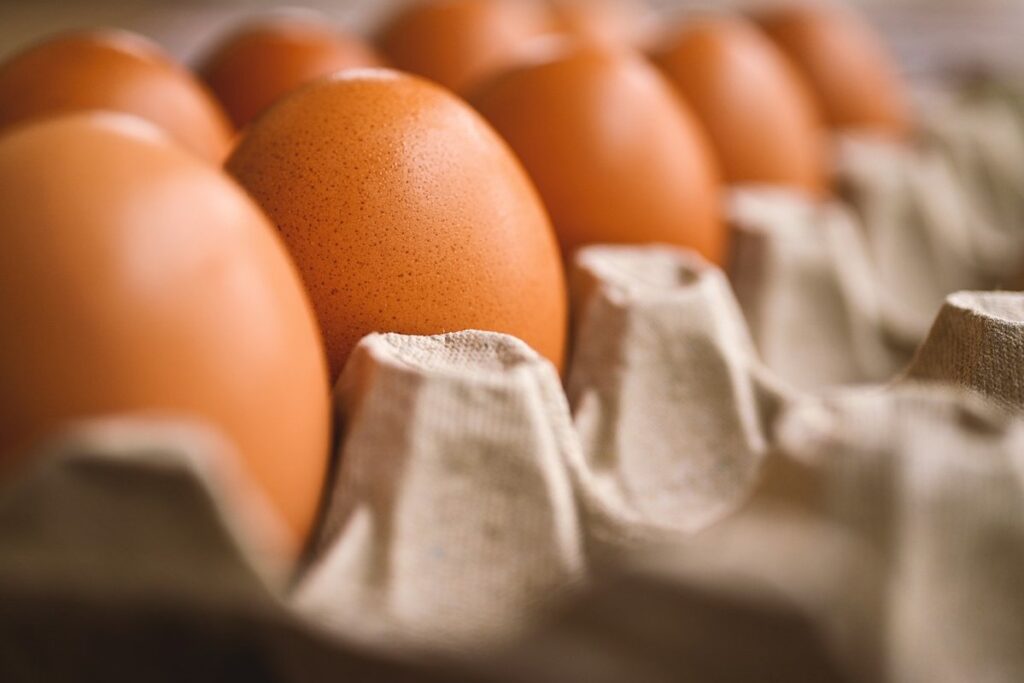
What are Jersey Giant Chicken Eggs?
You’re probably curious about what makes these eggs so special – let’s start by understanding their unique characteristics and what sets them apart from others.
Origin and History of the Breed
The origins of the Jersey Giant chicken breed date back to the late 19th century when a rooster named “Goliath” was discovered on a farm in New Jersey. This massive bird stood over two feet tall and weighed around 13 pounds, making it an instant sensation among poultry enthusiasts. Breeders were fascinated by its size and temperament, and they began working to develop a breed that would produce similar characteristics.
Through selective breeding, the Jersey Giant chicken became known for its impressive egg-laying capabilities. Hens can lay up to 200 large brown eggs per year, making them a popular choice among backyard farmers and commercial producers alike. Their large size also allows them to thrive in a variety of environments, from small backyards to industrial-scale farms.
The breed’s popularity grew rapidly, and by the early 20th century, Jersey Giants were being exhibited at poultry shows across the country. Today, they remain one of the most beloved breeds among chicken enthusiasts, prized for their unique combination of size, temperament, and egg-laying ability.
Characteristics of the Jersey Giant Rooster
A mature Jersey Giant rooster is an awe-inspiring sight to behold. These birds are known for their impressive size, weighing up to 13 pounds and standing over two feet tall. But it’s not just their physical presence that sets them apart – their temperament and behavior are equally remarkable.
In terms of temperament, Jersey Giants are often described as docile and friendly. They tend to get along well with other birds, especially if socialized from a young age. However, they can be fiercely protective of their flock and territory, making them excellent watchdogs. With proper training and handling, these gentle giants can make wonderful pets.
When it comes to behavior, Jersey Giants are known for their intelligence and curiosity. They love to explore and play, often engaging in complex games of chase or hide-and-seek. As a result, they require plenty of space to roam and exercise, as well as regular mental stimulation to prevent boredom and stress.
Raising Jersey Giants for Egg Production
When it comes to raising Jersey Giants for egg production, understanding their unique needs and characteristics is essential. Let’s dive into how to optimize your flock’s egg-laying potential.
Pros and Cons of Keeping Jersey Giants as Pet Chickens
When considering keeping Jersey Giants as pet chickens, it’s essential to weigh their benefits and drawbacks. One significant advantage is their impressive egg-laying potential, with some hens producing up to 300 large brown eggs per year. This can be a major draw for backyard chicken keepers who want a reliable source of fresh eggs.
However, it’s crucial to consider the noise level generated by Jersey Giants. They are known to be vocal birds and may not be suitable for those living in close proximity to neighbors or in areas with noise restrictions. Additionally, these large birds require ample space to move around, so you’ll need to ensure your backyard can accommodate their needs.
In terms of space requirements, a minimum of 2-3 square feet per bird is recommended, and a fenced area of at least 10×10 feet will provide the necessary room for exercise. If you’re still interested in keeping Jersey Giants as pets, it’s essential to research local regulations regarding backyard chickens and take steps to minimize noise and ensure adequate space.
Some owners have successfully integrated their Jersey Giants into small spaces by implementing creative coop designs and noise-reducing features. With proper planning and care, these birds can thrive in a variety of settings.
Providing Adequate Nutrition and Care
When it comes to raising Jersey Giants for egg production, providing adequate nutrition and care is crucial for their health and well-being. A balanced diet is essential, and Jersey Giants require a high-quality layer feed that’s rich in protein, calcium, and phosphorus. You should also supplement with fresh fruits and vegetables daily, but avoid giving them avocados or onions as they can be toxic to chickens.
Their habitat also plays a significant role in their overall health. Ensure their coop is spacious, well-ventilated, and protected from predators. Jersey Giants are prone to obesity, so make sure they have enough room to move around and exercise. A minimum of 2-3 square feet per bird inside the coop and at least 8-10 square feet per bird in the run is recommended.
Regular health checks are vital for identifying potential issues early on. Monitor your flock regularly for signs of respiratory problems, such as coughing or sneezing, which can be common among Jersey Giants. Keep an eye out for mites, lice, and fleas, and treat promptly if you notice any infestations.
Egg Laying Habits and Expectations
As you’ve probably wondered, how often will your Jersey Giant chicken lay eggs and what can you expect from their egg-laying habits overall.
Average Daily Egg Production
When it comes to Jersey Giant chicken eggs, one of the most common questions from backyard farmers and breeders is: “How many eggs can I expect my girls to lay per day?” While individual production levels can vary depending on factors such as nutrition, health, and breeding quality, research and breeder experiences suggest that a healthy adult Jersey Giant hen will produce an average of 200-220 large brown eggs per year. Broken down into daily averages, this translates to around 5-6 eggs per week or roughly 1 egg per day.
However, it’s essential to note that these numbers can fluctuate significantly depending on various factors, such as the quality of feed, access to fresh water and sunlight, and overall health. For example, a Jersey Giant hen in its prime laying years (around 2-4 years old) will typically produce more eggs than an older bird. Additionally, factors like molting, which can last from a few weeks to several months, may significantly reduce egg production during that period.
To give you a better idea of what to expect, here are some general guidelines:
* Younger birds (1-2 years old): 3-4 eggs per week
* Prime laying hens (2-4 years old): 5-6 eggs per week
* Older hens (4+ years old): 2-3 eggs per week
Keep in mind that these are general estimates and can vary depending on individual circumstances.
Factors Affecting Egg Size and Quality
When it comes to Jersey Giant chicken eggs, several factors can influence their size, shape, color, and overall quality. Environmental conditions play a significant role in determining egg size, with temperature fluctuations affecting the reproductive cycle of hens. For instance, extreme heat can reduce egg production and size.
Genetics also have a profound impact on egg quality and size. Jersey Giants are known for their large eggs due to their genetic predisposition. However, individual birds within this breed may vary in terms of egg size. Nutrition is another crucial factor that affects egg quality. A balanced diet rich in essential nutrients is vital for producing high-quality eggs.
Management practices also contribute significantly to egg size and quality. Proper lighting, adequate space, and regular health checks can all impact egg production. For example, ensuring hens have access to fresh water and a well-balanced feed can improve egg quality and increase production. By paying attention to these factors, you can optimize your Jersey Giant chicken’s egg-laying abilities.
Inadequate management practices, such as poor ventilation or insufficient space, can lead to decreased egg size and reduced overall health of the hens. As a responsible chicken keeper, it is essential to monitor your birds’ environment and adjust their care accordingly. This may involve adjusting feed types, increasing light exposure, or providing additional space for exercise.
Some breeders recommend adding supplements such as oyster shells or crushed eggshells to enhance calcium intake and promote stronger eggshell production. However, it’s crucial to consult with a veterinarian before introducing any new feeds or supplements to ensure they meet the specific nutritional needs of your flock.
Breeding and Raising Chicks
If you’re planning on raising Jersey Giant chickens, learning how to breed and raise healthy chicks is a crucial step towards enjoying a bountiful harvest of these large eggs. In this section, we’ll walk you through the process.
Choosing the Right Parents for Egg Production
When selecting breeding stock for egg production, it’s crucial to choose parents with desirable traits that will translate to their offspring. Jersey Giants are known for their large eggs and friendly demeanor, but not all birds are created equal. To ensure your flock thrives and produces high-quality eggs, focus on the following characteristics:
* Egg size: Look for hens that consistently lay larger eggs (around 250-280 grams). This is a result of the bird’s muscle mass, which translates to larger egg whites.
* Egg production rate: Choose parents with high egg-laying potential. Aim for birds that can produce at least 200 large eggs per year.
* Health: Select hens with robust immune systems and minimal health issues. Research your breeder’s vaccination and disease control practices to ensure the birds are healthy from an early age.
* Temperament: Jersey Giants are known for their gentle nature, but individual personalities vary. Assess each bird’s temperament to determine which ones would make suitable parents.
When selecting breeding stock, prioritize these characteristics and observe how they perform in different environments. This will give you a better understanding of what traits to look for when choosing the right parents for your egg production flock.
Caring for Baby Chicks to Promote Healthy Growth
When it comes to raising healthy Jersey Giant chicks, proper care and nutrition are crucial during the first few weeks of their lives. This is known as brooding, a critical period where baby chicks develop immunity and get accustomed to their surroundings.
For optimal growth, keep the brooder at a comfortable temperature between 90-100°F (32-38°C) for the first week, gradually decreasing it by 5°F (3°C) each week until it reaches ambient temperature. Make sure the brooder is draft-free, secure, and well-lit, with adequate ventilation to prevent ammonia buildup.
Vaccination schedules are also essential; consult a veterinarian or poultry expert to determine the best vaccination plan for your flock. Typically, Jersey Giant chicks receive vaccinations against diseases such as Marek’s disease, infectious bronchitis, and Newcastle disease at 1-2 weeks of age, followed by booster shots later on.
Parasite control is another vital aspect of chick care; monitor your flock regularly for signs of mites, lice, or other external parasites. Use a dust bath or spray-on treatments as needed to prevent infestations and maintain a healthy environment for your growing chicks.
Common Health Issues in Jersey Giants
As you work with your Jersey Giant flock, it’s essential to be aware of common health issues that can affect these gentle giants, affecting egg production and overall well-being. Some conditions are more prevalent in this breed than others.
Genetic Predispositions
As you’ve fallen in love with Jersey Giants for their incredible eggs, it’s essential to be aware of the breed’s genetic predispositions. Unfortunately, Jersey Giants are prone to several health issues that can impact their egg-laying abilities and overall well-being.
Obesity is a significant concern for this breed, as they tend to overeat due to their friendly nature and high feed conversion rates. Heart problems are also common, particularly cardiomyopathy, which affects the heart muscle’s ability to pump blood efficiently. Reproductive challenges, such as egg binding and reproductive tract issues, can also occur.
To mitigate these risks, it’s crucial to monitor your Jersey Giant’s weight closely and provide regular exercise opportunities. Feed them a balanced diet that meets their nutritional needs but avoids overfeeding. Regular health checks with a veterinarian will help identify potential heart problems early on. By being proactive about your Jersey Giant’s health, you can minimize the risk of these genetic predispositions affecting their egg-laying abilities.
Keep in mind that responsible breeding practices have improved the breed’s overall health in recent years. However, it’s still essential to be aware of these potential issues and take steps to prevent or manage them.
Managing Stress-Related Problems in Your Flock
Stress-related problems can be a significant concern for jersey giant chicken owners. These gentle giants are social creatures that thrive on interaction and stimulation, but their large size and temperament can sometimes lead to stress if not managed properly. Environmental enrichment is key to reducing stress in your flock. Providing a varied and interesting environment, such as adding new perches or toys, can keep them engaged and active.
Socialization is also crucial for jersey giants. They require regular interaction with humans and other birds to prevent boredom and stress-related behaviors like feather pecking or cannibalism. A simple way to achieve this is by allocating dedicated time each day for socializing, such as allowing them to free-range during specific hours.
Behavioral interventions are necessary when stress-related problems arise. Identifying the underlying causes of stress, whether it’s due to overcrowding, lack of stimulation, or inadequate nesting areas, can help you implement targeted solutions. By addressing these issues and implementing effective stress management strategies, you can maintain a healthy and happy flock that will reward you with an abundance of eggs for years to come.
Some practical tips include rotating toys every few weeks to keep things interesting, ensuring adequate space per bird, and providing plenty of nesting boxes.
Tips for Keeping Jersey Giants Happy and Healthy
To ensure your Jersey Giant hens thrive, it’s essential to provide them with optimal living conditions, nutrition, and care that meets their unique needs. Here are some practical tips to keep them happy and healthy.
Creating an Optimal Living Environment
When it comes to creating an optimal living environment for your Jersey Giants, you’ll want to prioritize their massive size and boundless energy. These birds are designed for free-range environments, so a spacious coop with adequate ventilation is essential.
Consider the minimum recommended size of 3-4 square feet per bird inside the coop and at least 8-10 square feet per bird in the run or outdoor area. This allows them to move around comfortably and engage in natural behaviors like foraging and scratching. Remember, Jersey Giants are active birds that require regular exercise to stay healthy.
To keep your girls happy and prevent health issues, ensure the enclosure is well-maintained with:
* Regular cleaning of the coop to remove droppings and debris
* Fresh bedding material (like straw or pine shavings) to provide a dry and comfortable surface for roosting
* Adequate shelter from wind, rain, and sun exposure
By providing an optimal living environment, you’ll set your Jersey Giants up for success in terms of egg production, overall health, and quality of life.
Regular Health Checks and Veterinary Care
When it comes to keeping your Jersey Giants happy and healthy, regular health checks are crucial. These gentle giants can be prone to certain health issues, making preventative care essential. Schedule annual check-ups with a veterinarian who specializes in poultry care to ensure your birds receive the best possible attention.
During these visits, your vet will likely recommend vaccinations to protect against diseases such as Marek’s disease and Newcastle disease. It’s also vital to keep an eye out for parasites like mites, lice, and internal worms, which can cause discomfort and even harm your flock if left unchecked. Regular deworming treatments and mite-killing powders will help prevent infestations.
To further prevent common health issues, make sure your Jersey Giants have access to clean water, a balanced diet, and plenty of space to roam. Keep an eye out for signs of illness, such as lethargy, labored breathing, or changes in appetite, and seek veterinary care immediately if you notice anything unusual. By prioritizing regular health checks and taking proactive measures against disease, you can help keep your Jersey Giants thriving and laying those precious eggs.
Frequently Asked Questions
How often should I collect eggs from my Jersey Giant flock to ensure quality and prevent breakage?
Collecting eggs daily is recommended, especially during peak laying seasons (around 18-20 weeks). This helps maintain egg cleanliness, prevents breakage, and makes it easier to monitor for any potential issues.
Can I breed Jersey Giants with other chicken breeds to create a hybrid for increased egg production?
While it’s technically possible, breeding Jersey Giants with other breeds can be challenging due to their unique genetic makeup. Focus on selecting the right parents from within your existing flock or seek guidance from experienced breeders before attempting cross-breeding.
How do I prevent stress-related problems in my flock, especially during hot summer months?
Provide adequate shade, ventilation, and cooling measures (e.g., misting systems) to keep your birds comfortable. Also, consider implementing a regular feeding schedule, providing fresh water at all times, and maintaining a clean coop to reduce stress.
Can I raise Jersey Giants as pets if I don’t plan on using them for egg production?
Yes, Jersey Giants can make wonderful pets due to their gentle nature. However, keep in mind that they still require adequate space (at least 2-3 square feet per bird) and proper care, including regular exercise and social interaction.
How do I know if my Jersey Giant is laying eggs with a normal or abnormal yolk size?
Inspect the eggs carefully for any visible cracks, unusual shapes, or discoloration. If you’re unsure, consult with a veterinarian or experienced breeder to determine the cause of any irregularities.