
If you’re a poultry enthusiast or a backyard chicken keeper, you might be wondering about the best ways to keep your flock healthy and thriving. One crucial aspect of their well-being is ensuring they get enough calcium in their diet. This is where oyster shells come in – a popular supplement that not only boosts calcium intake but also promotes strong eggshells and bones. But did you know there are different types of oyster shells available, each with its own unique benefits? In this article, we’ll delve into the world of chicken oyster shells, exploring their benefits, the various types to choose from, and how to use them optimally in your flock’s diet.
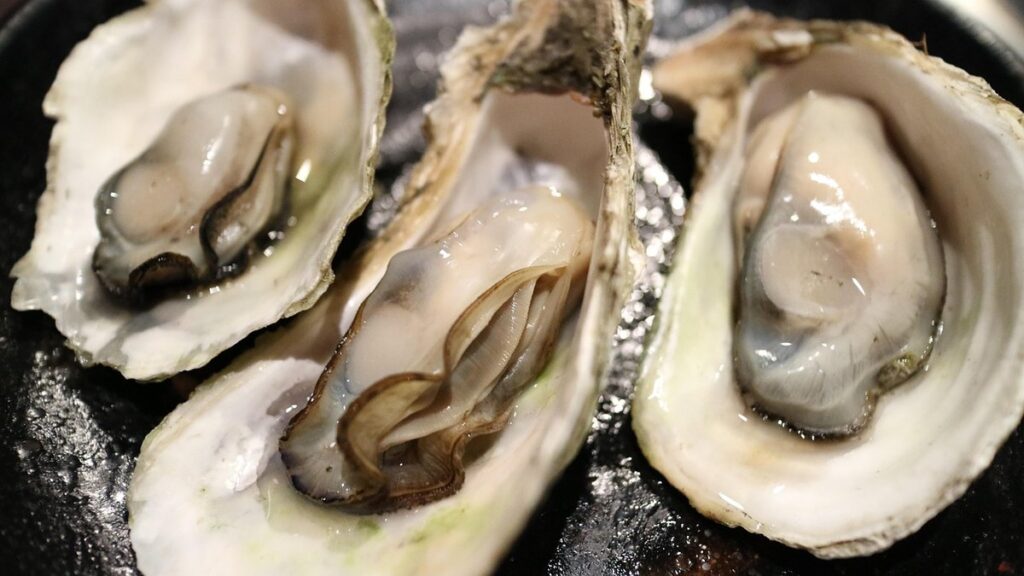
What Are Chicken Oyster Shells?
Let’s dive into what chicken oyster shells actually are, and how they’re related to your feathered friends’ overall health. We’ll explore their purpose in detail.
Definition and Purpose
Chicken oyster shells are often misunderstood by poultry keepers and backyard chicken enthusiasts. To put it simply, they’re a type of calcium supplement specifically designed for chickens to support strong eggshell production. These supplements usually come in the form of small pellets or granules that can be added to your flock’s diet.
The purpose of chicken oyster shells is multifaceted. Firstly, they provide a concentrated source of calcium, an essential mineral for hens to build and maintain healthy bones and eggshells. A lack of sufficient calcium can lead to weak or brittle eggs, which are prone to breaking during handling. Secondly, oyster shells help to regulate pH levels in the digestive system, preventing issues such as gout and kidney stones.
When choosing a chicken oyster shell supplement, consider the specific needs of your flock. For example, hens that are laying large numbers of eggs may require more calcium-rich supplements than those producing fewer eggs. It’s also essential to follow the manufacturer’s guidelines for dosing, as over-supplementation can lead to an imbalance in nutrient levels within the feed. By incorporating chicken oyster shells into your flock’s diet, you’ll be taking a proactive step towards maintaining their overall health and well-being.
Benefits for Chickens
Feeding chickens oyster shells can have a significant impact on their overall health and well-being. One of the most notable benefits is improved calcium intake. Chickens need calcium to build strong bones and eggshells, and oyster shells are an excellent source of this essential mineral.
When your hens have adequate calcium levels, they’re able to lay stronger, more durable eggs with thinner shells. This can help reduce the risk of cracking or breaking during handling. Furthermore, a diet rich in calcium also reduces the likelihood of osteoporosis in chickens, a condition characterized by brittle and porous bones.
To get the most out of oyster shells, make sure to provide them as a supplement, not a replacement for their regular feed. Aim to offer about 1-2% of your hens’ daily diet in crushed or ground oyster shell form. Monitor their eggshell quality and adjust the amount accordingly. With consistent feeding, you can expect to see noticeable improvements in your flock’s overall health and egg-laying capabilities.
Choosing the Right Chicken Oyster Shells
When it comes to giving your girls a nutritious diet, selecting the right chicken oyster shells is crucial – let’s explore what factors to consider. We’ll break down the key features to look for in a top-notch supplement.
Types of Oyster Shells
When it comes to choosing the right oyster shells for your chickens, one of the most important decisions is selecting the type that best suits their needs. Fortunately, there are several options available on the market, each with its own unique characteristics and benefits.
Crushed oyster shells are a popular choice among chicken keepers, as they provide a convenient and easy-to-spread option for supplementing your birds’ diets. They’re also a cost-effective alternative to whole oyster shells, making them an excellent value for money. When choosing crushed oyster shells, be sure to select a product that’s specifically labeled as “ground” or “crushed,” as these are the safest options for your chickens.
Whole oyster shells, on the other hand, offer a more natural approach to providing calcium supplements. These larger shells can help promote healthy digestion and egg-laying in your birds, but they do require a bit more effort to spread evenly around the coop or run. Oyster shell grit is another option that’s worth considering, particularly for young chickens or those with digestive issues.
When selecting oyster shells, be sure to read the labels carefully to ensure you’re getting a product that’s free from contaminants and additives. A general rule of thumb is to provide 1-2% of your birds’ body weight in oyster shells daily, so be sure to calculate this amount based on the size and breed of your flock.
Factors to Consider When Selecting an Oyster Shell Supplement
When it comes to selecting an oyster shell supplement for your flock, there are several key factors to consider. The quality of ingredients is paramount, as low-quality supplements can do more harm than good. Look for products that use natural and non-GMO ingredients, free from additives and artificial preservatives.
It’s also essential to scrutinize the nutritional content of the oyster shell supplement. Ensure it contains a balanced mix of calcium, phosphorus, and other essential minerals to promote strong eggshell production and overall health. Some supplements may claim to have “super-strength” or “turbo-charged” formulas, but be wary of exaggerated claims – instead, focus on products with transparent labeling that clearly lists the ingredients and their proportions.
Lastly, consider your budget when selecting an oyster shell supplement. While it’s tempting to opt for the cheapest option, remember that low prices often reflect lower quality ingredients or fillers. Instead, look for products that strike a balance between price and quality – after all, investing in a good oyster shell supplement can save you money and stress in the long run by reducing eggshell breakage and promoting healthier hens.
Nutrition and Composition of Chicken Oyster Shells
When it comes to chicken oyster shells, understanding their nutritional value and composition is crucial for making informed decisions about your flock’s health. Let’s take a closer look at what these essential components are.
Calcium Content and Availability
When it comes to poultry nutrition, calcium is one of the most essential nutrients for healthy bone growth and development. Chickens require adequate calcium intake to build strong bones, particularly during the reproductive phase. A calcium deficiency can lead to weakened eggshells, reduced fertility, and even affect the overall health of your flock.
So, how does calcium get absorbed by chickens? Calcium is best absorbed through their diet when it’s available in the form of calcium carbonate or calcium gluconate. These forms are easily digestible and help promote calcium uptake into the bloodstream. When choosing a supplement, look for products that contain these bioavailable forms of calcium.
Oyster shells are an excellent source of calcium due to their rich content of calcium carbonate. In fact, they can provide up to 30% more calcium than other supplements on the market! By incorporating oyster shell meal into your flock’s diet, you’ll be ensuring a steady supply of this essential nutrient.
Other Nutrients Found in Oyster Shells
In addition to calcium, oyster shells are also rich in other essential nutrients that support overall health and well-being of chickens. One of the key benefits is the high protein content found in oyster shells, which helps build strong bones and muscles in your flock.
Phosphorus is another vital nutrient present in oyster shells, playing a crucial role in various bodily functions such as bone growth and development, as well as overall metabolism. A typical serving of oyster shell supplement contains around 10-15% phosphorus content, making it an excellent source for meeting your chickens’ dietary needs.
Magnesium is another essential mineral found in oyster shells, important for maintaining strong bones and teeth, while also facilitating energy production within the body. Potassium, on the other hand, helps regulate fluid balance and supports overall cardiovascular health.
When selecting an oyster shell supplement, ensure it contains these additional nutrients to provide a well-rounded diet for your flock.
How to Feed Chicken Oyster Shells
When it comes to feeding your chickens oyster shells, there are a few things to keep in mind to ensure they’re getting the nutrients they need. Providing oyster shells at the right time is crucial for healthy egg-laying.
Introducing Oyster Shells into Your Flock’s Diet
Introducing oyster shells into your flock’s diet can be a straightforward process if done correctly. However, it’s essential to do this gradually to prevent digestive issues and ensure they accept the new food source.
Start by placing a small number of oyster shells near their feeding area or water source for about 24-48 hours before incorporating them into their regular diet. This allows your chickens to become familiar with the appearance and texture of the shells, which can help reduce stress and competition for food.
Once they seem comfortable with the presence of the oyster shells, you can start mixing them with their existing feed. Begin by adding a small percentage (about 10-20%) of oyster shells to their diet and gradually increase this proportion over time. Monitor your flock’s behavior, egg production, and overall health during this transition period.
Keep in mind that every flock is unique, so it’s crucial to observe your birds’ responses to the introduction of oyster shells. If you notice any signs of illness or stress, reduce the amount of oyster shells or slow down the introduction process.
Tips for Maximizing the Benefits of Oyster Shells
When feeding chickens oyster shells, it’s essential to maximize their benefits for optimal health. One crucial aspect is providing adequate water at all times. Ensure that your chicken’s waterer is easily accessible and clean, as this will encourage them to drink regularly and maintain proper hydration.
Maintaining good ventilation in the coop is also vital. Proper airflow helps prevent respiratory issues caused by dust and ammonia buildup from droppings. To achieve this, install windows or a vented roof that allows fresh air to circulate freely. Regularly clean out the coop and remove any debris or wet bedding to reduce odors and moisture.
To further enhance the benefits of oyster shells, consider adding supplements rich in calcium and phosphorus to your chickens’ diet. These essential minerals will support strong eggshell production and overall bone health. Additionally, provide a varied diet that includes fruits, vegetables, and grains to ensure your flock gets all the necessary nutrients.
By implementing these tips, you’ll be able to reap the full benefits of feeding oyster shells to your chickens, promoting optimal health and well-being.
Common Misconceptions About Chicken Oyster Shells
One common misconception about chicken oyster shells is that they’re only for young birds, but the truth is more nuanced than that. Let’s debunk some of these myths and separate fact from fiction.
Debunking Myths about Oyster Shell Supplements
When it comes to chicken oyster shell supplements, there are several myths that circulate about their effectiveness and value. One common misconception is that they are a costly addition to a chicken’s diet. However, the truth is that oyster shell supplements can be just as cost-effective as providing your flock with a calcium-rich diet through other means.
Let’s examine some numbers. A 50-pound bag of oyster shells typically costs between $10 and $20, depending on the quality and source of the product. This works out to approximately $0.20 per pound of shell, which is roughly equivalent to the cost of providing a calcium-rich diet through other means.
Another myth surrounding chicken oyster shell supplements is that they are unnecessary for healthy chickens. However, hens require around 3-4% calcium in their diet to maintain strong eggshell production and overall health. While a balanced layer feed will provide some calcium, it’s often not enough to meet the needs of laying hens.
To give you an idea, here are some examples of how much calcium is present in different types of feeds:
* Layer feed: 1-2% calcium
* Pellet or crumble feed: 0.5-1.5% calcium
* Oyster shells: 40-50% calcium
As you can see, oyster shell supplements provide a concentrated source of calcium that can be easily incorporated into your flock’s diet.
When choosing an oyster shell supplement for your flock, look for products that are free from additives and fillers. These types of products will provide the purest form of calcium possible.
Conclusion
Now that you’ve learned about the importance of providing your chicken with oyster shells, it’s time to take action. Remember, every egg-laying hen needs access to these essential supplements to maintain strong beaks and support her overall health. Make sure to incorporate oyster shells into your flock’s daily diet, either by adding them directly to their feed or by mixing crushed shells into their water.
In conclusion, investing in high-quality chicken oyster shells is a simple yet effective way to promote long-term health and happiness for your feathered friends. By following the tips outlined in this guide, you’ll be well on your way to raising happy, healthy hens that will reward you with an abundance of delicious eggs for years to come.
Frequently Asked Questions
Can I use crushed eggshells instead of oyster shells for calcium supplementation?
No, while eggshells do contain some calcium, they may not provide the same benefits as oyster shells due to their variable composition and potential contaminants like bacteria or pesticides. Oyster shells are a more reliable and controlled source of calcium.
How much calcium should I aim to provide per head per day using chicken oyster shells?
A general rule of thumb is to offer 1-2% of the hen’s body weight in oyster shells daily, which translates to about 5-10 grams of oyster shells for a 5-pound hen. Adjust according to individual bird needs and dietary composition.
What happens if I give my chickens too much calcium through oyster shells?
Excessive calcium can lead to kidney damage or other health issues in birds. To avoid this, monitor your flock’s intake carefully, ensure proper balance with other nutrients, and consult a veterinarian if you have concerns about over-supplementation.
How often should I replenish the oyster shell supply for my flock?
Oyster shells can become stale or contaminated if not replaced regularly. Change out the supply every 2-4 weeks to maintain freshness and potency. Also, clean any feeders or containers daily to prevent spoilage.
Are there specific health conditions where chicken oyster shells are particularly beneficial?
Yes, supplementing with oyster shells is especially helpful for birds experiencing egg-laying difficulties, those showing signs of poor bone density (e.g., soft eggs, thinning feathers), and in environments with high parasite loads or mineral deficiencies.