
Are you looking to add some high-producing and friendly hens to your backyard flock or commercial operation? Look no further than the Black Australorp! This popular breed has been a staple in many poultry farms for decades, and for good reason. With their rich history dating back to Australia in the early 20th century, Black Australorps have proven themselves to be a reliable choice for egg producers.
In this article, we’ll delve into the physical characteristics, temperament, and egg-laying abilities of the Black Australorp chicken breed. You’ll learn about their gentle nature, making them an excellent choice for families with children or commercial operations where stress is minimized. By the end of this article, you’ll understand why Black Australorps are a top pick among backyard farmers and large-scale producers alike, and how they can bring value to your flock.
Introduction to Black Australorp Chickens
Let’s start by getting familiar with one of the most popular and beloved breeds, known for their friendly nature and impressive egg-laying abilities. In this section, we’ll explore what makes Black Australorp hens so special.
Brief History of the Breed
The Black Australorp chicken breed has a rich and fascinating history that spans over a century. Originating in Australia in the early 1900s, this breed was developed from the cross between an English Orpington and a Minorca chicken. The goal was to create a bird that was well-suited to the Australian climate and would excel in egg production.
The Australorp quickly gained popularity due to its impressive laying abilities, with some hens producing up to 320 eggs per year. In fact, during World War I, Australorps were shipped to England to help meet the country’s egg demands. Their adaptability, hardiness, and high egg-laying capacity made them an ideal choice for farmers worldwide.
Today, the Black Australorp is one of the most popular breeds globally, with its dark plumage and friendly temperament making it a favorite among backyard chicken keepers. Despite their widespread popularity, this breed remains relatively low-maintenance, requiring less feed and care compared to some other high-producing breeds.
Key Characteristics of the Breed
Black Australorps are easily recognizable by their distinctive physical appearance. They have a sturdy build, with males weighing between 9-12 pounds and females weighing around 8-10 pounds. Their plumage is glossy and sleek, with a soft sheen that comes in various shades of black. One of the most notable features of this breed is its ability to thrive in a variety of climates and living conditions.
In terms of temperament, Black Australorps are known for being friendly, docile, and easy-going. They are an excellent choice for backyard flocks due to their calm nature, making them a great fit for families with children or for those new to chicken-keeping. However, it’s worth noting that they can be prone to broodiness, so they may become obsessed with sitting on eggs if given the opportunity.
As prolific egg-layers, Black Australorps are renowned for their high production levels. Hens typically lay around 200 large brown eggs per year, making them a popular choice for backyard chicken enthusiasts who rely on fresh eggs from their own flock.
Physical Characteristics of Black Australorp Hens
When it comes to identifying a Black Australorp hen, there are several key physical characteristics that you’ll want to look out for. Let’s take a closer look at what sets these girls apart.
Size and Build
Black Australorp hens are known for their robust build and impressive size. On average, they weigh between 4-5 pounds (1.8-2.3 kg) with some individuals reaching up to 6 pounds (2.7 kg). This makes them one of the larger chicken breeds available.
To put this into perspective, Black Australorps are significantly larger than other popular breeds like the Leghorn or the Cornish Cross. They’re also notably bigger than their counterparts, the Barred Plymouth Rock and the Wyandotte. When it comes to height, they typically stand at around 25-28 inches (63-71 cm) tall.
One of the benefits of their large size is that they provide plenty of meat for the table. However, this also means they require more space to move around comfortably. If you’re planning on keeping Black Australorps as pets or for egg production, make sure you have a spacious coop and run to accommodate them. It’s essential to ensure your flock has enough room to stretch their wings and exercise regularly.
When choosing a breed, it’s crucial to consider the size and build of the hens. If you have limited space, a smaller breed might be more suitable for you. But if you’re looking for a hearty, meaty bird that can provide plenty of eggs, the Black Australorp is an excellent choice.
Plumage and Coloration
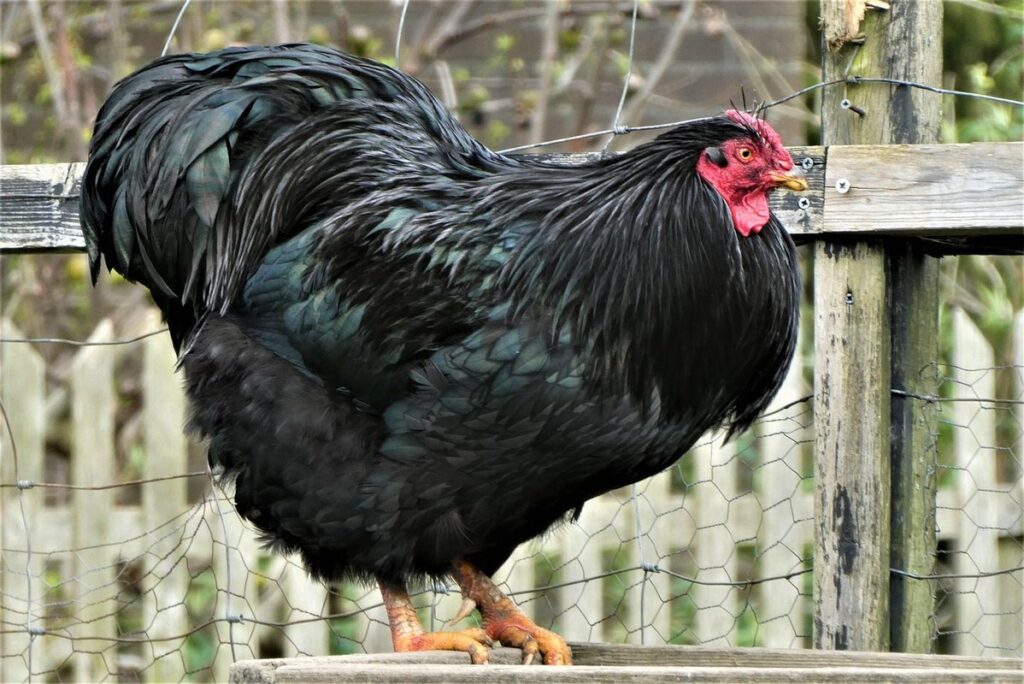
One of the most striking features of the Black Australorp hen is its sleek and shiny black plumage. The breed’s distinctive coloration is a result of its genetic makeup, which codes for the production of melanin, the pigment responsible for skin and feather color. As you gaze at your Black Australorp hen, you’ll likely notice that her feathers appear deep, rich black with a subtle sheen to them.
While the breed’s standard plumage is solid black, some individuals may exhibit slight variations in their coloring. These can include:
• Small white or cream-colored flecks on the wings or tail
• A hint of blue or purple undertone to the black feathers
• Slight differences in feather texture or pattern
These minor variations do not affect the breed’s overall appearance or quality, and they only add to the unique charm of each individual hen. If you’re concerned about your Black Australorp hen’s plumage, consult with a veterinarian or poultry expert for guidance on maintaining her health and well-being.
In general, the key to keeping your Black Australorp hen looking its best is regular grooming and proper nutrition. Make sure to provide her with a balanced diet that includes essential vitamins and minerals, and give her plenty of space to roam and exercise. By doing so, you’ll be rewarded with a stunningly beautiful bird that’s as lovely to look at as she is productive in the egg-laying department.
Comb and Wattles
One of the most distinctive physical characteristics of Black Australorp hens is their comb and wattles. A well-developed comb and wattle are essential for identifying purebred Black Australorps, as they play a crucial role in temperature regulation and overall health.
The comb, located on top of the head, is typically medium-sized to large, with a deep red color that becomes more vibrant during molting season. The shape is usually quite symmetrical, with an even number of points or ‘teeth’ along the edges. On the other hand, the wattle, found underneath the beak, is relatively short and compact compared to some other breeds.
When examining the comb and wattles, it’s essential to note that a purebred Black Australorp should have a well-proportioned and evenly colored comb and wattle. Any deviation from this can indicate cross-breeding or hybridization. As you’re selecting breeding stock or adding new birds to your flock, paying attention to these distinctive features will help ensure the integrity of your Black Australorp bloodline.
Temperament and Personality Traits
Black Australorp hens are known for their calm and gentle nature, making them an excellent choice for families and backyard flocks. Let’s dive into what makes these birds so lovable and endearing to many chicken enthusiasts!
Friendly and Affectionate Nature
Black Australorps are renowned for their exceptionally friendly and affectionate nature, making them an ideal choice for backyard flocks. These hens have a reputation for being gentle giants, with a calm demeanor that’s perfect for families or individuals who want to interact with their chickens.
One of the most notable aspects of Black Australorp temperament is their willingness to be handled. They’re often described as “lap chickens” due to their fondness for snuggling and being petted. In fact, many owners report that their Black Australorps will follow them around the yard, eager for attention and affection.
If you’re considering bringing a Black Australorp into your flock, here are a few tips to help you foster a strong bond with these loving birds:
• Spend quality time with your hen each day, such as giving her treats or simply sitting with her in the coop.
• Be patient and gentle when handling your chicken, as they can be sensitive to noise and rough handling.
• Provide plenty of enrichment activities, such as scratching posts and foraging toys, to keep your Black Australorp stimulated and engaged.
By following these tips and showing your Black Australorp love and care, you’ll likely find that she becomes a trusted companion in no time.
Docile and Gentle
One of the most endearing qualities of Black Australorp hens is their docile and gentle nature. This temperament makes them an excellent choice for families with children who are eager to interact with their flock. Their calm demeanor also means they’re relatively low-maintenance, as you won’t need to worry about aggressive behavior or stress caused by overly feisty birds.
This gentle disposition also translates into a peaceful environment in your backyard. You can confidently let the kids play near the coop without fear of being chased by an anxious hen. In fact, many Black Australorp owners have reported that their hens are known to follow them around the yard, happy to be near their humans. This trait makes them ideal for those who want a flock that’s as much pet as it is egg-layer.
Black Australorps also tend to get along well with other birds and animals in the household, making them an excellent addition to multi-pet households. Their gentle nature also means they’re less likely to engage in destructive behavior like pecking or feather plucking, which can be a common issue with more high-strung breeds.
Egg-Laying Abilities of Black Australorp Hens
Let’s take a closer look at one of the most impressive features of Black Australorp hens: their exceptional egg-laying abilities, which set them apart from other breeds. They’re capable of producing an astonishing number of eggs per year.
High Egg Production
Black Australorp hens are renowned for their exceptional egg-laying abilities. On average, they produce around 200-220 brown eggs per year, with some individuals reaching up to 250 eggs annually. This impressive output is attributed to the breed’s genetic predisposition towards high fertility and efficient reproductive systems.
In terms of daily production, Black Australorp hens typically lay between 5-6 eggs per week, with a peak production period usually occurring within the first two years of their laying life. It’s essential for breeders to manage expectations and recognize that individual performance may vary, influenced by factors such as diet, nutrition, and environmental conditions.
To optimize egg-laying in Black Australorps, ensure a nutrient-rich feed is provided, supplemented with calcium and other essential minerals. Regular health checks are also crucial in maintaining peak production levels. By following these guidelines, you can expect to harvest an impressive yield from your flock, making them an ideal choice for small-scale commercial operations or backyard chicken keepers seeking high returns on their investment.
Egg Size and Shape
When it comes to egg size and shape, Black Australorp hens are known for laying large, brown eggs. On average, an individual Black Australorp hen will produce eggs that range from 6-8 ounces (170-225 grams) in weight, making them one of the larger breeds when it comes to egg size.
One of the unique characteristics of Black Australorp eggs is their shape. While some breeds may lay more oval or pointed eggs, Black Australorps tend to lay eggs with a slightly longer and wider shape, often described as teardrop-shaped. This unique shape can make them stand out in the fridge or on the kitchen counter.
In terms of egg size consistency, Black Australorp hens are generally reliable layers, producing large eggs consistently throughout their laying cycle. If you’re considering raising Black Australorps for their eggs, keep in mind that they may take a few months to mature and reach their full egg-laying potential.
Health Considerations for Black Australorp Chickens
When raising Black Australorp chickens, it’s essential to consider their specific health needs, which may vary from other breeds due to their size and temperament. This section will explore common health concerns in this breed.
Common Health Issues
Black Australorp chickens are generally considered a hardy breed, but like all poultry, they can be prone to certain health issues. One of the most common problems you’ll encounter is external parasites such as mites and lice. These pesky critters feed on the chicken’s blood and can cause significant discomfort and even anemia if left untreated.
Respiratory problems are another common issue in Black Australorp chickens, particularly during hot weather or when exposed to dust and allergens. Symptoms include labored breathing, wheezing, and coughing. To prevent respiratory issues, make sure your flock has access to plenty of fresh air and clean living conditions. Keep their coop well-ventilated, and consider using a humidifier to keep the environment comfortable.
Regular check-ups are essential in detecting health problems early on. Monitor your flock daily for signs of illness or stress, and ensure they have access to clean water and nutritious food at all times. By staying vigilant and providing optimal care, you can minimize the risk of common health issues affecting your Black Australorp chickens.
Tips for Maintaining Optimal Health
Maintaining optimal health is crucial for your Black Australorps to live their best lives. As a responsible chicken keeper, you want to ensure they stay healthy and thriving throughout the year. Start by providing them with a balanced diet that includes high-quality layer feed, supplemented with fruits and vegetables as treats.
Ensure access to fresh water at all times, and provide a clean and dry living space. Keep their coop well-ventilated and maintain a comfortable temperature range between 40°F and 80°F (4°C and 27°C). Regular cleaning of the coop will help prevent diseases from spreading.
Monitor your flock’s health closely, looking out for signs of illness or stress such as changes in appetite, droppings, or behavior. Consult with a veterinarian if you notice any unusual symptoms. Schedule regular check-ups to stay on top of their health and catch any potential issues early on.
By following these simple tips, you can help keep your Black Australorps healthy and happy, producing the best eggs possible for years to come.
Care and Management of Black Australorp Hens
To keep your Black Australorp hens happy and healthy, you’ll want to focus on providing them with a suitable living space, diet, and regular care. This section covers essential tips for their management.
Housing and Enrichment
Providing adequate housing and enrichment for your Black Australorp hens is crucial to their overall health and well-being. These birds are intelligent and active, requiring a stimulating environment that meets their physical and mental needs.
A good starting point is to ensure that each hen has at least 2-3 square feet of space inside the coop, with adequate ventilation and protection from the elements. The coop should also be equipped with perches, nesting boxes, and easy access to food and water. However, it’s not just about providing a clean and dry environment; Black Australorp hens also need enrichment activities to keep them engaged.
Consider adding toys or puzzle feeders to challenge their problem-solving skills, or even incorporating a dust bath area for them to dig and relax in. Rotate the environment regularly by rearranging furniture or introducing new objects to prevent boredom and stress. With proper housing and enrichment, your Black Australorp hens will lead happy, healthy lives.
Incorporating natural light, fresh air, and exercise into their daily routine is also essential. Consider letting them free-range under close supervision or providing a secure enclosed run where they can roam freely. This not only maintains physical health but also helps prevent behavioral problems that may arise from confinement.
Nutrition and Feeding Guidelines
When it comes to feeding and caring for your Black Australorp hens, nutrition plays a crucial role in maintaining their overall health. A balanced diet is essential to ensure that they produce high-quality eggs, maintain their plumage, and stay energized throughout the day.
For laying hens like Black Australorps, you’ll want to focus on providing a mix of protein-rich foods, calcium supplements, and whole grains. Consider feeding them a starter layer feed from 18-20 weeks old until they’re about 30 weeks old. This will provide them with the necessary nutrients for optimal growth.
Once your hens are mature (around 30 weeks), you can transition to a regular layer feed that contains around 16-17% protein. Make sure to choose a high-quality feed that’s formulated specifically for laying hens, and avoid using human food as a supplement unless absolutely necessary. A good rule of thumb is to provide about 1/4 pound of feed per hen per day.
It’s also essential to ensure access to fresh water at all times, especially during hot summer months when they may need more hydration. Consider adding a few inches of grit or crushed oyster shells to their feeding area to help with digestion and eggshell production.
Conclusion: Why You Should Consider Raising Black Australorps
Now that you’ve learned about their temperament, egg-laying abilities, and other unique qualities, it’s time to consider bringing these amazing birds home. Let’s weigh the benefits of raising Black Australorps as backyard chickens.
Recap of Key Benefits
Raising Black Australorps has proven to be a rewarding experience for many backyard chicken keepers. These gentle giants have captured the hearts of chicken enthusiasts with their friendly nature and exceptional egg-laying abilities. If you’re considering adding some Australorp charm to your flock, let’s recap the key benefits that make them an excellent choice.
One of the standout advantages of Black Australorps is their impressive egg production. On average, a healthy Australorp hen will lay around 200-220 large brown eggs per year, making them an ideal breed for households seeking a reliable source of fresh eggs. Their hardiness also means they’re adaptable to various climates and living conditions, requiring minimal upkeep.
Their friendly demeanor makes socializing with your flock a breeze. Black Australorps are known to be docile and easy-going, making them perfect for families with children or for those who enjoy interacting with their pets. By incorporating these charming birds into your backyard, you’ll not only get an abundance of fresh eggs but also experience the joy of watching them roam freely in their new environment.
By choosing Black Australorps as part of your flock, you’re investing in a low-maintenance yet high-rewarding experience that will bring a smile to your face. Whether you’re a seasoned chicken keeper or just starting out, these magnificent birds are sure to delight and impress.
Final Thoughts and Recommendations
If you’re still reading and considering bringing some of these amazing birds into your backyard flock or commercial operation, we say go for it! Black Australorp chickens have proven themselves to be reliable, hardy, and incredibly productive layers. Not only will they reward you with a steady supply of large, brown eggs, but their friendly disposition makes them an absolute joy to care for.
We’ve seen firsthand the success that many farmers and backyard flock owners have achieved with these birds, and we’re confident you’ll be no exception. Whether you’re looking to supplement your family’s egg needs or start a small-scale commercial operation, Black Australorps are an excellent choice.
So what makes them so special? For starters, their high egg production – up to 300 brown eggs per year is not uncommon! Combine that with their calm and docile nature, and you have a winning combination for any chicken-keeping endeavor.
Frequently Asked Questions
How do I determine the best age to start introducing Black Australorp hens to my flock?
Introducing new birds can be stressful for existing flock members, so it’s essential to plan carefully. Typically, it’s recommended to introduce adult birds (around 16-20 weeks old) to an existing flock when they are most relaxed and less territorial. Monitor your current flock’s behavior and body language before introducing the new birds to ensure a smooth transition.
Can Black Australorps tolerate warmer or colder climates?
While Black Australorps originated in Australia, their adaptability to various climates depends on proper care and management. They can thrive in both warm and cold temperatures but may require additional care during extreme weather conditions. Ensure they have access to shade, adequate ventilation, and a balanced diet to keep them comfortable in any climate.
How do I manage Black Australorp hens’ high egg-laying capacity without over-stressing their bodies?
To maintain optimal health and production, it’s crucial to monitor your flock’s egg-laying frequency. Aim for 280-300 eggs per year, as excessive laying can lead to health issues. Provide a balanced diet, adequate calcium, and ensure proper litter management to keep them healthy and productive.
Can I breed Black Australorps without prior experience in chicken breeding?
Breeding chickens requires specialized knowledge and equipment. If you’re new to breeding, it’s recommended to start with a more straightforward breed or seek guidance from experienced breeders. Ensure you understand the genetic characteristics of your flock, and take necessary steps to maintain purity and quality.
How often should I collect eggs from my Black Australorp hens?
Collecting eggs regularly is crucial to maintaining a healthy flock. Aim to collect eggs at least twice a day, ideally in the morning and late afternoon. This will help prevent over-egg-laying, reduce stress on your birds, and ensure you don’t miss any potential health issues.