
If you’re thinking of adding some feathered friends to your backyard flock, chances are you’ve heard of Rhode Island Red chickens. These lovable birds have been a favorite among chicken enthusiasts for their friendly, docile nature and impressive egg-laying abilities. As one of the most popular breeds in the US, it’s no wonder why many people want to learn more about these charming hens and roosters.
But what makes Rhode Island Red chickens so special? In this article, we’ll delve into the origins of this beloved breed, exploring their history, characteristics, and unique traits. We’ll also cover the essential care and management tips you need to know to keep your Rhode Island Reds happy and healthy, including diet, housing, and health considerations. Whether you’re a seasoned chicken owner or just starting out, our guide will provide you with everything you need to know about these incredible birds.
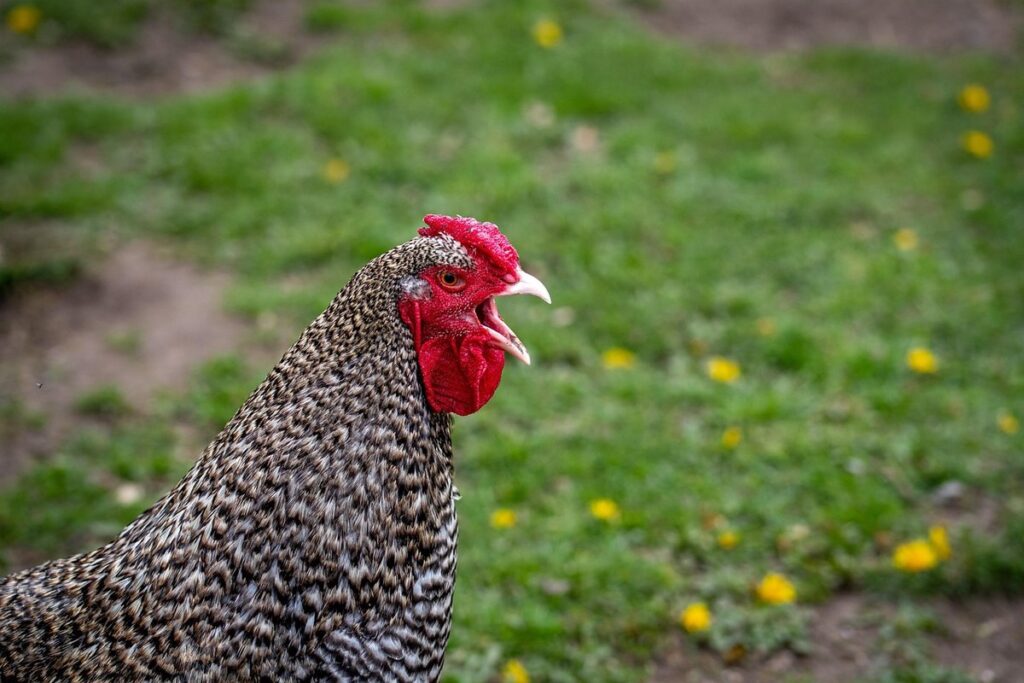
History and Origin of Rhode Island Reds
The Rhode Island Red has a rich history that dates back to the 1840s, when they were first bred in Little Compton, Rhode Island. This section delves into their origins and evolution over time.
The Birthplace of a Legendary Breed
The Rhode Island Red breed has its humble beginnings in Little Compton, Rhode Island, where it was first developed in the 1840s. The story goes that a group of farmers, led by William Tripp and Charles H. Locke, experimented with various breeds to create a hardy, egg-laying hen that could thrive in New England’s challenging climate.
Their efforts paid off, and the Rhode Island Red soon gained popularity among local farmers for its exceptional laying abilities. The breed’s rich, reddish-brown plumage and friendly demeanor made it an instant hit with poultry enthusiasts. As word of its prowess spread, the Rhode Island Red began to gain recognition beyond New England’s borders.
By the 1870s, the breed had gained international acclaim, winning awards at prestigious exhibitions in Europe and beyond. Its popularity soared, and today, the Rhode Island Red is one of the world’s most beloved breeds. Whether you’re a seasoned chicken keeper or just starting out, there’s no denying the allure of this legendary bird.
From Poultry Shows to Farm Favorites
The Rhode Island Red breed made its debut in the late 19th century at poultry shows, where it quickly gained recognition for its striking appearance and impressive egg-laying abilities. Breeders were drawn to the bird’s rich, reddish-brown plumage, which was a departure from the more subdued tones of other breeds on display.
But it wasn’t just aesthetics that set Rhode Island Reds apart – their robust health, friendly disposition, and remarkable productivity made them an attractive choice for farmers looking to boost egg production. At poultry shows, breeders would often parade their best specimens, showcasing the bird’s impressive size, muscular build, and striking feather patterns.
As farmers began to take notice of these desirable traits, they started incorporating Rhode Island Reds into their flocks, eager to tap into the breed’s potential for high-yielding egg production. With an average annual lay of 200-300 eggs, Rhode Island Reds quickly became a staple on many farms, prized for their reliability and consistent output.
Physical Characteristics of Rhode Island Reds
One of the most distinctive features of Rhode Island Red chickens is their physical appearance, which sets them apart from other breeds. Let’s take a closer look at their striking characteristics.
Adult Size and Weight
When it comes to physical characteristics, Rhode Island Reds are known for their impressive size and weight. As a mature bird, you can expect both roosters and hens to reach significant dimensions.
Mature Rhode Island Red roosters typically weigh between 8-10 pounds (3.6-4.5 kg) and stand about 24-26 inches (61-66 cm) tall. Their impressive size is due in part to their broad, muscular chests and strong legs. Roosters also tend to have a more pronounced comb and wattle, which can add an extra inch or two to their overall height.
On the other hand, mature Rhode Island Red hens usually weigh between 6-8 pounds (2.7-3.6 kg) and stand about 22-24 inches (56-61 cm) tall. While they may not reach the same level of grandeur as the roosters, hens are still sturdy birds with broad chests and strong legs.
It’s worth noting that while there can be some variation in size and weight within a flock, these general guidelines provide a good benchmark for what to expect from mature Rhode Island Reds.
Plumage and Feathers
The Rhode Island Red’s plumage is one of its most distinctive and recognizable features. Characterized by a rich, deep red color with undertones of golden brown, the breed’s feathers are not only aesthetically pleasing but also serve as a natural indicator of their overall health and well-being.
In terms of texture, Rhode Island Red feathers tend to be thick, soft, and have a subtle sheen to them. This unique texture helps to repel water, keeping the bird dry and comfortable in rainy or humid conditions. The breed’s plumage is also incredibly durable, withstanding harsh weather conditions and resisting wear and tear from daily activities.
It’s worth noting that some Rhode Island Reds may exhibit variations in their plumage, such as a slightly lighter or darker red tone. However, these variations are typically subtle and do not affect the bird’s overall appearance or quality. As an owner, being aware of your Rhode Island Red’s unique plumage characteristics can help you identify potential health issues early on and ensure that your bird stays in top condition throughout its life.
Temperament and Personality
When it comes to temperament and personality, Rhode Island Reds are known for their friendly, outgoing nature and can make great pets or companions for families. They’re also relatively easy-going around other animals.
Friendly and Docile Nature
One of the standout characteristics of Rhode Island Reds is their exceptionally friendly and docile nature. This makes them an excellent choice for backyard flocks, as they get along seamlessly with other birds, children, and even pets. Their easy-going temperament allows them to adapt quickly to new environments and situations.
What’s more, Rhode Island Red hens are known to be particularly gentle, even when it comes to their own chicks. They’re natural mothers who will go to great lengths to protect and care for their young, making them an ideal choice for families with children or those just starting out in backyard chicken keeping.
In contrast, while roosters can sometimes be a bit more assertive than hens, even they tend to be relatively calm and laid-back. This makes them less likely to cause trouble or become aggressive towards humans. By choosing Rhode Island Reds, you’re investing in birds that are not only beautiful but also kind and gentle companions for your family.
Intelligence and Trainability
The Rhode Island Red’s intelligence and trainability are among their most impressive characteristics. These birds are known to be one of the most intelligent breeds, ranking high on problem-solving skills and quick thinking. They thrive on mental stimulation and can learn complex tasks with ease. However, their intelligence also makes them prone to boredom if not provided with enough activities.
Socialization is key when it comes to developing a well-adjusted Rhode Island Red rooster or hen. Early exposure to humans, other animals, and new environments helps them build confidence and reduces aggression. They respond well to positive reinforcement training methods, such as clicker training, which encourages desired behaviors while discouraging undesired ones.
To develop your Rhode Island Red’s trainability:
* Start socialization early, ideally from a young age
* Use positive reinforcement techniques for effective training
* Provide mental stimulation through puzzle toys and complex feeding systems
* Engage in regular interaction and playtime to build trust and rapport
By investing time and effort into their development, you can unlock the full potential of your Rhode Island Red’s intelligence and trainability.
Egg Production and Fertility
When it comes to owning Rhode Island Red chickens, understanding their egg-laying abilities and fertility is crucial for any backyard farmer. This section will delve into the details of their reproductive cycle.
Average Annual Egg Yield
When it comes to egg production, Rhode Island Red hens are renowned for their impressive annual yield. On average, a healthy Rhode Island Red hen will lay around 200-220 eggs per year, making them one of the top breeds for backyard chicken keepers and small-scale farmers.
However, several factors can affect fertility rates and overall egg production. For instance, nutrition plays a crucial role in maintaining optimal reproductive health. A diet rich in calcium, protein, and other essential vitamins and minerals is vital to ensure that hens produce high-quality eggs.
Environmental conditions also impact egg laying. Exposure to light, stress, and extreme temperatures can all decrease fertility rates. Providing a safe and comfortable coop with adequate ventilation, proper lighting, and protection from predators is key to maintaining optimal health.
Additionally, factors such as age, breed quality, and overall health can influence individual hens’ reproductive capabilities. It’s essential for chicken keepers to monitor their flock regularly and take necessary steps to maintain healthy habits, including regular egg collection, coop cleaning, and parasite control.
Broodiness and Motherly Instincts
When it comes to their broodiness and motherly instincts, Rhode Island Red hens are renowned for their remarkable abilities as mothers. These birds have an innate desire to incubate eggs and raise their chicks, making them excellent candidates for backyard chicken keepers who want to hatch their own eggs.
A key characteristic of the Rhode Island Red hen is her broodiness, which typically starts around 18-24 months of age. During this time, she will stop laying eggs and focus on sitting on a clutch of eggs, gently keeping them warm and safe until they hatch. If you want to encourage your hen’s natural broodiness, provide her with a secure and comfortable nesting box, complete with soft bedding like straw or wood shavings.
One notable behavior exhibited by Rhode Island Red hens is their intense devotion to their chicks. They are extremely protective of their young and will go to great lengths to keep them safe from potential threats. If you plan on breeding your Rhode Island Reds, be prepared for the mother hen to be fiercely defensive of her chicks, especially during the first few weeks after hatching.
To tap into your Rhode Island Red hen’s maternal instincts, try providing a small flock or introducing a rooster to stimulate natural breeding behavior. With proper care and attention, your hen will take pride in her role as a mother and lay the groundwork for a thriving backyard chicken flock.
Health Considerations and Grooming
When it comes to caring for your Rhode Island Red, understanding their health needs and grooming requirements is crucial to ensuring a happy and healthy flock. Regular check-ups and proper care can help prevent common issues like feather pecking.
Common Health Issues
As you care for your Rhode Island Red chickens, it’s essential to be aware of some common health issues that can affect this breed. One potential concern is feather pecking, a behavior where chickens pick at and damage their own or other birds’ feathers. This can lead to stress, injury, and even death if left unchecked.
Frostbite is another issue to consider, particularly in colder climates. Rhode Island Reds have a moderate level of tolerance for cold temperatures, but prolonged exposure can still cause discomfort and damage. To prevent frostbite, make sure your flock has access to sheltered areas with adequate ventilation and provide supplemental lighting during the winter months.
Eye problems are also common in this breed, including conditions like conjunctivitis, uveitis, and cataracts. Regular eye checks and a clean, dry environment can help reduce the risk of these issues. It’s also crucial to monitor your birds’ behavior for any signs of discomfort or pain.
Grooming Needs and Tips
As a responsible owner of Rhode Island Red chickens, you’ll want to make sure their grooming needs are met. This includes regular nail trimming, beak maintenance, and feather cleaning. Neglecting these tasks can lead to health issues and discomfort for your birds.
For nail trimming, use a nail clipper specifically designed for poultry. Hold the chicken firmly but gently, and carefully trim just the tip of each toenail. Be cautious not to cut too short, as this can cause pain and bleeding. Trim every 4-6 weeks or as needed.
Beak maintenance is equally important. Overgrown beaks can lead to discomfort while eating and even impair vision. Use a beak trimmer to carefully shorten the beak. Start with small increments and check your bird’s comfort level after each trimming session.
When it comes to feather cleaning, gently remove dirt and debris from your Rhode Island Red’s feathers using a soft-bristled brush or a damp cloth. This will help prevent matting and keep their plumage looking its best. Regular grooming sessions will also help you bond with your birds and detect any potential health issues early on.
Breeding and Raising Rhode Island Reds
Breeding and raising Rhode Island Reds is a rewarding experience, but it requires knowledge of their temperaments, egg-laying abilities, and growth rates to ensure success. Understanding these factors will help you raise healthy chickens.
Selecting a Rooster or Hen
When selecting a quality rooster or hen for breeding purposes, there are several key factors to consider. Lineage is an essential aspect to examine, as it directly impacts the overall quality and characteristics of the offspring. Research the breeder’s reputation and ask about the parent stock’s pedigree, as well as any notable achievements or awards they have received.
In addition to lineage, health is also a crucial consideration. Look for birds with bright eyes, clean nostrils, and a robust build. Check for any visible signs of disease or parasites, such as mites or lice. A healthy bird will exhibit energetic behavior, but also show no signs of lethargy or stress.
Temperament is another vital aspect to evaluate, especially if you plan to keep the birds in close proximity to your home. Select a rooster that is calm and gentle, with minimal aggression towards humans or other animals. For hens, look for those that are friendly, docile, and easy-going. A well-balanced temperament will not only make handling easier but also contribute to a more enjoyable backyard experience.
Starting with Chicks and Growing Your Flock
Starting with Chicks and Growing Your Flock
When you bring home newly hatched Rhode Island Red chicks, it’s essential to provide them with a nurturing environment that sets the stage for a healthy and thriving flock. Nutrition plays a critical role in their early development. Feed them a starter feed specifically formulated for young chickens, and make sure they have access to fresh water at all times.
In terms of housing, ensure their brooder is draft-free and kept at a comfortable temperature between 90-100°F (32-38°C) for the first week. Add some bedding material like straw or pine shavings to absorb waste and keep the area clean. As they grow, you’ll need to transition them to a larger enclosure with adequate ventilation.
Socialization is also vital during this period. Introduce your chicks to each other gradually, allowing them to get accustomed to their new surroundings and develop social bonds. This will help reduce stress and aggression later on when they’re part of a flock. By providing the right care and attention in these early stages, you’ll be well on your way to growing a strong and healthy flock of Rhode Island Reds.
Conclusion: Bringing Home a Rhode Island Red
Now that you’ve learned everything there is to know about Rhode Island Reds, it’s time to think about bringing one home and integrating them into your flock. This final section will walk you through the process.
Final Thoughts and Recommendations
As we conclude our comprehensive guide to the Rhode Island Red breed, it’s time to summarize the key takeaways and encourage you to consider bringing home one of these magnificent birds. Whether you’re an experienced chicken keeper or a beginner, the Rhode Island Red is an excellent choice for its friendly temperament, hardiness, and rich egg-laying capabilities.
We’ve discussed in detail the history of this breed, which dates back to the early 20th century. Its origins as a workhorse on farms have given way to a new generation of backyard chicken keepers who appreciate their charm and versatility. From their striking appearance, with deep reddish-brown feathers and golden hackle feathers, to their friendly demeanor and love of human interaction, Rhode Island Reds are a joy to own.
In terms of egg production, Rhode Island Reds are prolific layers, producing an average of 200-220 brown eggs per year. Their size is another attractive feature, with roosters weighing around 8-12 pounds and hens reaching 6-9 pounds at maturity. Whether you’re looking for a breed to provide a steady supply of fresh eggs or simply want a lovable companion for your backyard, the Rhode Island Red is an excellent choice.
If you’re considering bringing home a Rhode Island Red, make sure to provide them with plenty of space to roam and exercise. A minimum of 2-3 square feet per bird in the coop and at least 8 hours of sunlight per day will keep them happy and healthy. With proper care and attention, your new Rhode Island Red companion will reward you with years of loyal service and affection.
Frequently Asked Questions
Can I keep Rhode Island Reds as pets if I live in a small apartment?
Yes, with proper care and management, Rhode Island Red chickens can thrive in small spaces like apartments or backyards with limited room. However, it’s essential to ensure they have adequate exercise, fresh air, and space to move around. Consider setting up a chicken coop or run that provides enough ventilation and protection from predators.
How long do Rhode Island Reds take to mature?
Rhode Island Red chickens typically take about 18-20 weeks to reach maturity. During this time, they’ll require regular care and attention, including proper nutrition, vaccinations, and health checks. It’s crucial to start with chicks or pullets (young hens) from a reputable breeder or supplier.
Can I breed Rhode Island Reds myself, or is it best to buy from a reputable breeder?
While it’s possible to breed your own Rhode Island Red chickens, it’s often recommended to purchase from a reputable breeder. This ensures you get healthy, well-bred birds with desirable traits and minimizes the risk of genetic disorders.
How do I manage broodiness in my Rhode Island Red hen?
Broodiness is a natural instinct in many chicken breeds, including Rhode Island Reds. To manage it, provide your hen with adequate space to nest and lay eggs without becoming too obsessive. You can also try moving her to a separate coop or providing distractions like toys or treats.
Are Rhode Island Reds suitable for cold climates?
Yes, Rhode Island Red chickens are known for their hardiness and adaptability to various environments, including cold climates. However, it’s essential to provide them with proper shelter, insulation, and ventilation to protect them from extreme temperatures and wind chill.