
Are you ready to learn about one of the most unique and fascinating breeds of chickens out there? Look no further than the Welsummer hen! These stunning birds are known for their distinctive copper-red eggs, rich brown plumage, and charming personalities. But what makes them truly special is their ability to thrive in a variety of environments, making them an excellent choice for backyard chicken keepers of all levels.
If you’re considering adding a new flock member or two to your family, or simply want to learn more about these amazing birds, then this ultimate guide is for you. In the following article, we’ll delve into the world of Welsummer hens, covering everything from breeding and care requirements to egg production and temperament. From expert advice on how to keep them happy and healthy to tips on what to expect when raising your own Welsummers, we’ve got you covered.
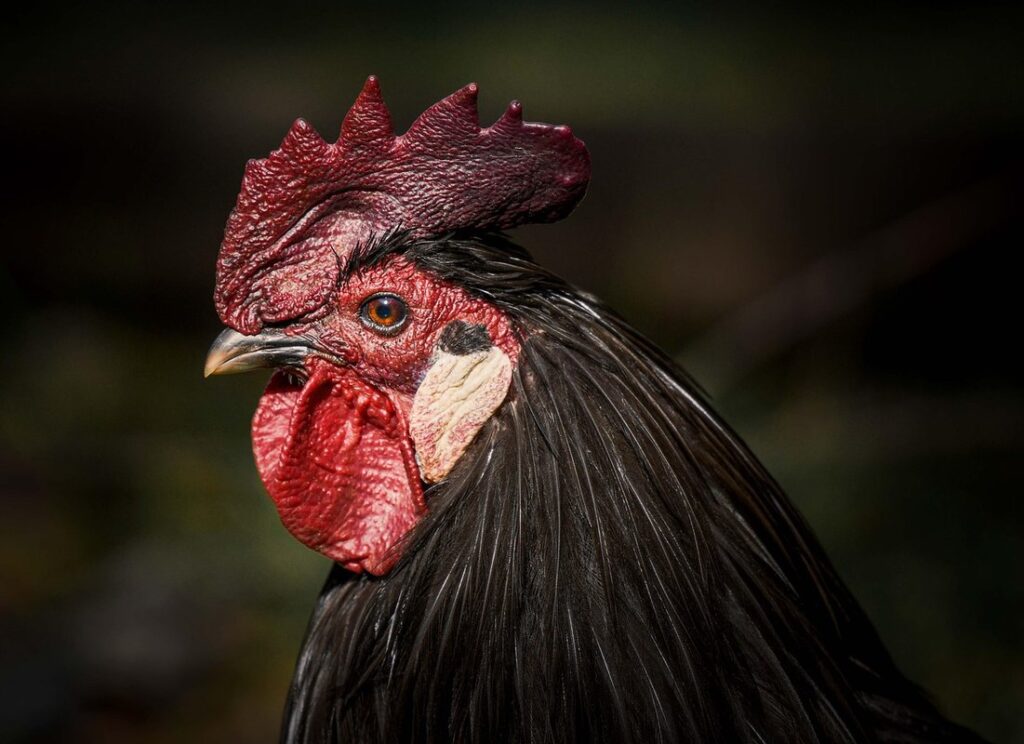
What Are Welsummer Hens?
Let’s dive into what makes these gorgeous birds so unique, starting with their history and origins as a Dutch breed. You’ll learn why Welsummers are a favorite among backyard chicken keepers worldwide.
Origins of the Breed
Welsummer hens have their roots in the Netherlands, where they were first bred in the early 20th century. The breed was developed by crossing various local chickens with the Laufey and Campine breeds to create a hardy, egg-laying bird that could thrive on rough land.
The name “Welsummer” is thought to be derived from the Dutch town of Welsum, where the breed originated. Initially, the birds were known for their striking copper-colored eggs, which quickly gained popularity among local farmers and backyard keepers.
One of the defining characteristics of the Welsummer breed is its ability to adapt to poor soil conditions and rough weather. This makes them an excellent choice for small-scale farmers or homesteaders who need a reliable egg layer that can handle challenging environmental conditions. With proper care, Welsummers are known to be prolific layers, producing around 200 large brown eggs per year.
Physical Characteristics
Welsummers are known for their striking appearance, making them a standout breed among chicken enthusiasts. Their plumage is a beautiful mix of warm, earthy tones, featuring a rich brown base color with intricate red and gold undertones. The feathers themselves are long and flowing, giving the bird a majestic appearance.
One of the most distinctive features of the Welsummer’s physical characteristics is its beak shape and size. Welsummers have a slightly curved beak that is proportionate to their size, which is around 5-6 pounds for hens. The beak is also relatively small compared to other breeds, but it’s perfectly suited for pecking at the ground in search of food.
In terms of overall size, Welsummers are considered a medium-sized breed, making them an excellent choice for backyard flocks where space may be limited. Their compact frame and gentle demeanor make them an ideal addition to many homesteads.
Temperament and Personality
When it comes to temperament, Welsummer hens are known for being friendly and outgoing, but also have a strong-willed streak that requires careful management. They’re perfect for owners who want a chatty companion in the backyard.
Friendly and Docile Nature
Welsummer hens are renowned for their exceptionally friendly and docile nature, making them an ideal choice for backyard chicken keepers. These gentle ladies are quick to form close bonds with their owners and can often be found following you around the yard or perching on your lap. This affectionate temperament is a result of their breed history, which originated in the Netherlands as dual-purpose hens, valued not only for their eggs but also for their friendly disposition.
If you’re new to chicken keeping, Welsummer hens are an excellent choice for learning the ropes. They are patient with children and other pets, making them perfect for families or households with multiple animals. In fact, many Welsummer owners have reported that these hens will even tolerate being picked up and cuddled by kids, which can be a lifesaver on busy mornings.
One tip to encourage your Welsummer hen’s friendly nature is to interact with her regularly. Spend time with her in the yard, talk to her, and offer treats. With consistent handling and positive reinforcement, you’ll soon have a devoted companion that will follow you everywhere.
Interaction with Humans and Other Chickens
Welsummers are known for their friendly and outgoing personalities, making them an excellent choice for backyard flocks. When interacting with humans, these hens are highly social and love attention from their owners. They will often follow you around the yard or come running to greet you at feeding time. However, it’s essential to establish boundaries early on to avoid over-indulging them.
In a flock setting, Welsummers tend to get along well with other chickens, especially if introduced properly. They are not typically aggressive towards their flockmates and can even become quite protective of them. To encourage harmony among your hens, make sure to introduce new birds slowly and under close supervision. Provide plenty of space and resources for each bird, including food, water, and perches.
A few things to keep in mind when housing multiple Welsummers together: they do enjoy having a “pecking order,” so some hierarchy may form naturally. However, this doesn’t mean you should let it get out of hand – monitor your flock’s dynamics regularly and intervene if necessary to prevent bullying or stress. By doing so, you’ll create a happy and healthy environment for all your girls to thrive in.
Health Considerations
When caring for Welsummer hens, it’s essential to consider their specific health needs, including common issues and how to prevent them. This will help you keep your flock happy and healthy.
Common Health Issues Affecting the Breed
Welsummers are generally a hardy breed, but like all chickens, they can be prone to certain health issues. One of the most common problems affecting Welsummer hens is reproductive issues. Some Welsummer hens may experience difficulties laying eggs or may have irregular egg-laying cycles. This can be due to various factors such as genetics, age, nutrition, or environmental stressors.
Obesity is another significant concern for many chicken breeds, including Welsummers. A diet high in calories and low in exercise can lead to weight gain, which increases the risk of health problems like heart disease, diabetes, and joint issues. To prevent obesity, it’s essential to provide your Welsummer hens with a balanced diet and regular access to outdoor areas for exercise.
Regular veterinary check-ups are also crucial in identifying potential health issues early on. A healthy and happy welsummer hen should have clean feet, bright eyes, and a shiny plumage. If you notice any deviations from these characteristics, it’s vital to consult with a veterinarian to rule out any underlying health concerns.
Nutrition and Diet Requirements
When it comes to providing optimal care for your Welsummer hens, nutrition and diet requirements are crucial. A balanced diet is essential to maintain their overall health and well-being. As a general rule of thumb, layer feed should make up the bulk of your hen’s diet. However, it’s also important to supplement with fresh fruits and vegetables daily.
In particular, Welsummer hens require a diet rich in calcium to support strong eggshell production. A ratio of 16-18% protein is ideal for layers. Aim to provide around 1/4 cup of layer feed per pound of body weight per day. For example, if you have a Welsummer hen weighing about 5 pounds, offer approximately 1 cup of layer feed daily.
It’s also vital to ensure access to clean, fresh water at all times. Change the water frequently to prevent bacterial growth and contamination. A good rule of thumb is to provide one gallon of water per three hens. Don’t forget to place the feeder and waterer in a convenient location, making it easy for your Welsummer hens to reach them without straining or overreaching.
Breeding and Raising Welsummer Chicks
When it comes to bringing new life into your flock, understanding how to breed and raise healthy Welsummer chicks is crucial for their growth and development in their early stages. This section will guide you through the process step by step.
Tips for Raising Healthy Chicks
Raising healthy welsummer chicks requires attention to detail from day one. When you bring home new chicks, it’s essential to set up a brooder that provides a safe and comfortable environment for them to grow.
A good brooder should be well-ventilated, draft-free, and protected from predators. You’ll need a heat source, such as a heat lamp or ceramic heat emitters, to maintain a temperature of around 90-100°F (32-38°C) for the first week or two. After that, you can gradually decrease the temperature by 5-10°F (3-6°C) each week until it reaches about 70°F (21°C).
In terms of feeding, provide starter feed specifically formulated for young chicks. This will ensure they get the necessary nutrients for growth and development. A good rule of thumb is to provide one pound of feed per chick per week. You’ll also need a clean water source that’s easily accessible.
Keep in mind that welsummer chicks are prone to Marek’s disease, so make sure to vaccinate them according to your local health regulations. Regularly checking on the chicks and maintaining a clean environment will help prevent any health issues. With proper care, your welsummer chicks should thrive and grow into healthy, happy hens.
Importance of Proper Handling
When it comes to breeding and raising Welsummer chicks, one of the most crucial aspects is proper handling. Young chickens need to be handled gently and regularly from an early age to promote confidence and help them become friendly, calm adults.
You see, if you handle your chicks roughly or infrequently, they may grow up to be flighty or fearful. This can lead to problems when it’s time for them to be handled by children or even vaccinated at a vet. Instead, start by gently picking up each chick, supporting their body and keeping them secure against your chest.
By doing this daily, you’ll help your chicks become accustomed to being held and will make the process much easier in the long run. In fact, many breeders recommend handling chicks for short periods (around 10-15 minutes) several times a day from as early as one week old. This not only helps them get used to being handled but also promotes socialization – essential for happy, healthy hens.
Regular gentle handling will pay off in the long run, resulting in more manageable and less stressed birds overall.
Egg-Laying and Production
Welsummer hens are prolific layers, producing rich brown eggs that are highly prized by backyard chicken keepers and chefs alike. Let’s take a closer look at their egg-laying habits.
Average Daily Egg Production
Welsummers are renowned for their impressive egg-laying abilities. On average, a healthy Welsummer hen will produce around 180-200 eggs per year, which translates to approximately 5 eggs per week. This is significantly higher than some other popular breeds like Leghorns or Rhode Island Reds.
When it comes to the laying cycle, Welsummers are prolific layers but tend to follow a more irregular pattern compared to other breeds. Expect your Welsummer hen to start producing eggs at around 18-20 weeks of age and continue with a steady flow throughout their life. However, as they mature, you may notice a slight decrease in egg production towards the end of each year.
A key factor influencing an individual Welsummer’s egg-laying capacity is its diet and overall health. Providing a balanced, nutrient-rich feed along with plenty of fresh water will go a long way in maintaining optimal productivity. Additionally, be sure to give your girls adequate space to roam, engage in foraging activities, and exercise to promote a stress-free environment that encourages consistent laying.
Maintaining proper management practices is crucial to ensuring your Welsummer hens reach their full egg-laying potential. By paying close attention to their dietary needs, providing adequate living conditions, and giving them plenty of opportunities to engage in natural behaviors, you can expect your flock to thrive and produce an impressive number of eggs throughout the year.
Egg Quality and Characteristics
Welsummer hens are renowned for laying some of the most distinctive eggs in the world. When it comes to egg quality and characteristics, Welsummers excel in several areas. The first notable aspect is the size of their eggs, which tends to be on the smaller side compared to other breeds. On average, a Welsummer egg weighs about 55-60 grams, making them perfect for households with limited space or those who prefer smaller eggs.
In terms of shape and color, Welsummer eggs are unmistakable. They have a brown or terracotta-colored shell, often with a subtle sheen to it. The brown pigment can range from light golden hues to darker maroon tones. One notable feature is the distinctive ‘ speckling’ or ‘pitting’ that some Welsummer eggs exhibit on their surface. This texture is caused by small depressions in the eggshell, which are usually more pronounced at the larger end of the egg.
If you’re planning to breed or raise Welsummers for their eggs, it’s essential to note that they tend to be more prolific layers during spring and summer months when daylight hours are longer.
Integrating Welsummer Hens into Your Flock
When bringing new birds into your flock, integrating Welsummer hens can be a delightful experience for both you and your existing chickens. This is what to expect when introducing them to their new home.
Introduction to New Birds
When introducing new chickens to your flock, especially Welsummer hens, it’s crucial to do it safely and successfully. A sudden introduction can lead to stress and even aggression among the birds. To avoid this, follow a gradual integration process.
Start by keeping the new birds isolated in a separate enclosure or coop for about a week before introducing them to the main flock. This allows you to monitor their behavior and health separately. Feed them in the same area as the existing flock, but keep them separated until they become familiar with each other’s presence.
Once they seem comfortable, it’s time for visual introductions through wire mesh or netting between their enclosures. Observe their behavior and body language; if you notice any signs of aggression or fear, slow down the introduction process.
Remember that even Welsummer hens can take time to adjust to new flock members, so be patient and monitor them closely during this period. With a gradual introduction, you’ll minimize stress and ensure a harmonious coexistence among your birds.
Potential Conflicts with Other Breeds
When integrating Welsummer hens with other breeds, it’s essential to consider their strong personalities and potential conflicts that may arise. Welsummers are known for their assertive nature, which can sometimes lead to clashes with more docile or dominant breeds.
For instance, if you’re introducing a group of gentle Leghorns to your flock, the Welsummer hens might initially dominate them, establishing themselves as alpha birds. To minimize conflicts, it’s crucial to introduce the breeds gradually and under close supervision. Start by separating the birds in different enclosures, allowing them to get accustomed to each other’s presence before mixing them together.
Another potential issue is compatibility with smaller or more timid breeds, such as Silkies or Polish hens. Welsummer hens may unintentionally intimidate these birds or even bully them, especially if they’re competing for food or resources. To address this, ensure that the flock dynamic is balanced and consider separating the smaller breeds from the main group to prevent any harm.
In most cases, however, Welsummers get along well with other breeds, including larger game birds like Orpingtons or Plymouth Rock hens. With careful planning and introduction, you can create a harmonious and thriving flock that benefits from the unique characteristics of each breed.
Frequently Asked Questions
Can I keep Welsummer hens as pets, even if they don’t produce many eggs?
Yes! While Welsummers are primarily bred for their egg-laying abilities, they can make wonderful pets due to their friendly and docile nature. If you’re looking for a low-maintenance pet that’s easy to handle, Welsummers are an excellent choice. With proper care and attention, they’ll thrive in your backyard flock.
How do I introduce new Welsummer hens to my existing flock?
When introducing new birds to your flock, it’s essential to do so gradually to prevent stress and potential conflicts. Start by keeping the new Welsummers separate for a few days before integrating them into your main coop. You can also try “flock switching” where you swap some of the birds between coops to help them get used to each other’s scent.
Are Welsummer hens prone to any specific health issues?
While generally hardy, Welsummers can be susceptible to certain health problems, such as Megaloblastic Anemia and Fatty Liver Hemorrhagic Syndrome. Regular check-ups with a veterinarian and maintaining proper nutrition are crucial to preventing these conditions. Additionally, keep an eye out for signs of illness, such as changes in egg-laying or appetite.
Can I raise Welsummer chicks on my own without prior experience?
Raising healthy chicks requires attention to detail and proper knowledge. If you’re new to chicken keeping, it’s essential to research and understand the needs of young chicks before bringing them home. Make sure you have a suitable brooder set up, follow a nutritious diet plan, and provide adequate care and handling.
How long do Welsummer hens take to mature, and when can I expect them to start laying eggs?
Welsummers typically reach maturity at around 20-24 weeks of age, but their egg-laying abilities may not peak until they’re about 30-40 weeks old. Factors such as nutrition, environment, and genetics play a significant role in determining individual bird performance.