
When it comes to raising backyard chickens or sourcing high-quality eggs, one breed stands out from the rest: the White Leghorn. These prolific layers are prized by farmers and home cooks alike for their exceptional egg-laying abilities, with an average of 280-300 large white eggs per year – that’s a lot of breakfast possibilities! But there’s more to these iconic hens than just their impressive production levels. In this comprehensive guide, we’ll delve into the benefits and uses of White Leghorn chicken hen eggs, exploring their nutritional value and versatility in cooking. We’ll also provide tips on how to raise these hardy birds and compare their performance to other breeds. Whether you’re a seasoned farmer or just starting out with backyard chickens, this article is your go-to resource for unlocking the full potential of White Leghorns.
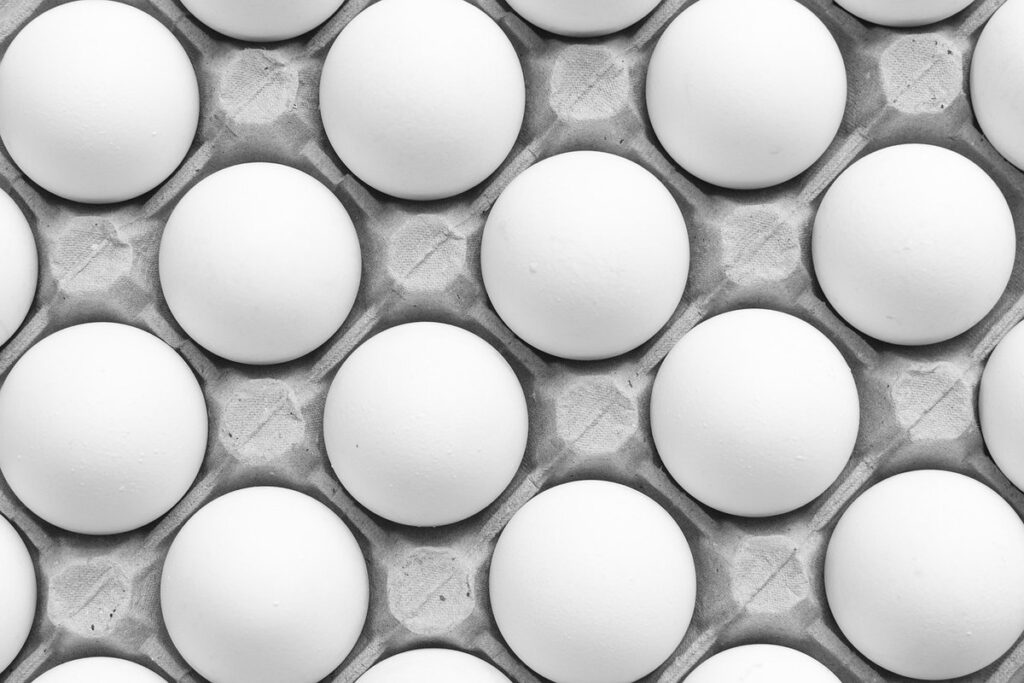
Introduction to White Leghorns
Let’s dive into one of the most popular breeds used for egg production: the majestic White Leghorn. These stunning hens are known for their exceptional laying abilities and gentle nature.
History and Origin of White Leghorn Chickens
The White Leghorn breed has a rich history that dates back to the 19th century in Italy. The breed was developed from the Mediterranean fowl by Italian poultry farmers, who selectively bred them for their high egg production and hardiness. The name “Leghorn” is derived from the port city of Livorno (Leghorn) on the coast of Italy.
Initially, the White Leghorns were used as a dual-purpose breed, providing both meat and eggs. However, with advancements in agriculture and the discovery of new breeding techniques, they became increasingly popular for commercial egg production. Their high egg-laying capacity, combined with their docile nature and adaptability to different environments, made them an ideal choice for large-scale farming.
Today, White Leghorns remain one of the most widely kept chicken breeds globally, accounting for a significant portion of commercial egg production.
Characteristics of White Leghorn Hens
White Leghorns are one of the most popular chicken breeds worldwide, and for good reason. When it comes to egg-laying, they stand out from the crowd due to their exceptional characteristics. These hens possess a slender build, with a medium-length neck and small comb on top of their head. They typically weigh between 4-6 pounds, making them an ideal choice for backyard chicken keepers.
One of the most notable traits of White Leghorns is their temperament. They are known to be friendly, docile, and relatively easy-going, which makes them a great fit for families with children or for beginners in the world of chicken keeping. Their calm nature also translates into reduced stress levels, resulting in healthier hens that lay more eggs.
Another unique feature of White Leghorns is their high egg-laying capacity. On average, these hens can produce around 280-300 large white eggs per year, making them an excellent choice for those looking to collect a steady supply of fresh eggs. Their consistent laying pattern also ensures that you can plan your meals and recipes with confidence.
Their adaptability to various climates and living conditions is yet another advantage of keeping White Leghorns. Whether you live in a small urban backyard or a spacious rural area, these hens will thrive and continue to provide you with an abundance of fresh eggs throughout the year.
Nutritional Value of White Leghorn Hen Eggs
When it comes to the nutritional value of white leghorn hen eggs, let’s dive into the rich benefits they offer your body. They’re a powerhouse of protein and essential vitamins.
Macronutrient Breakdown of White Leghorn Eggs
A single white leghorn hen egg is an excellent source of essential nutrients for human consumption. Let’s dive into the macronutrient breakdown of a typical white leghorn egg to understand its nutritional value.
One large white leghorn egg contains approximately 6-7 grams of protein, making it an ideal food choice for those seeking high-quality protein. For comparison, a similar-sized egg from a Rhode Island Red breed contains about 5-6 grams of protein, while a Legbar egg contains slightly more at around 7-8 grams.
In terms of fat content, a white leghorn egg typically has around 4-5 grams, which is relatively low compared to other breeds. For instance, a Barred Plymouth Rock egg may have up to 6 grams of fat. The egg yolk is where most of the fat is found, so if you’re watching your dietary intake, be mindful of how much yolk you consume.
In addition to protein and fat, a white leghorn egg contains approximately 1-2 grams of carbohydrates. This negligible amount makes eggs an excellent choice for those following low-carb diets or managing blood sugar levels.
When it comes to calorie content, a single large white leghorn egg has around 70 calories, with the majority coming from the protein and fat found in the egg yolk. To put this into perspective, you’d need to eat at least two eggs to reach 140 calories – still a relatively low amount considering the nutritional value they provide.
Micronutrients and Vitamins Found in White Leghorn Eggs
White Leghorn eggs are not only a delicious addition to our plates but also a rich source of essential micronutrients and vitamins. When it comes to the nutritional value of these eggs, several key players come into focus: vitamins A, D, E, and K, as well as vital minerals like calcium, iron, and zinc.
Vitamin A is crucial for healthy vision, immune function, and skin health. One large egg yolk provides approximately 250 IU of vitamin A – a significant contribution to the daily recommended intake. Vitamin D is equally important, supporting bone health and immune system regulation. White Leghorn eggs are an excellent source of this essential nutrient, with each serving providing around 40 IU.
The antioxidant properties of vitamin E help protect cells from damage, promoting overall well-being. Vitamin K plays a vital role in blood clotting and bone metabolism. Mineral-wise, calcium is fundamental for building strong bones and teeth, while iron helps maintain healthy red blood cells. Zinc, too, supports immune function and wound healing. To maximize the benefits of these micronutrients, consume your eggs as part of a balanced diet that includes a variety of whole foods.
Culinary Uses and Recipes for White Leghorn Hen Eggs
These versatile eggs can be used in a variety of sweet and savory dishes, from baked goods to omelets. Get creative with our favorite recipes using fresh White Leghorn hen eggs!
Breakfast Dishes Featuring White Leghorn Eggs
White Leghorn eggs are an excellent addition to breakfast dishes, offering a delicious and versatile way to start your day. When it comes to omelets, White Leghorns excel with their rich, creamy texture and delicate flavor. For a classic French-inspired omelet, beat 2-3 eggs with salt and pepper, then add diced ham or mushrooms for added flavor.
Scrambled eggs are another breakfast staple that benefits from White Leghorn eggs. Their firm whites and smooth yolks hold together perfectly when cooked to a fluffy texture. Try adding chopped herbs like parsley or chives for an extra burst of flavor. To make the fluffiest scrambled eggs ever, beat 4-6 eggs with a fork until just combined, then cook over low heat, stirring constantly.
Frittatas are also a great way to showcase White Leghorn eggs in breakfast dishes. Simply beat 6-8 eggs with salt and pepper, add diced vegetables like bell peppers or onions, and pour into a greased skillet. Cook until the edges start to set, then transfer to the oven for a golden-brown finish. The result is a satisfying, filling breakfast that’s perfect for busy mornings.
Baked Goods and Pastries Using White Leghorn Egg Whites or Yolks
When it comes to baking, using fresh, high-quality egg whites and yolks from White Leghorn hens can elevate your pastries and baked goods to the next level. One of the benefits of using egg whites is that they provide structure and stability to meringues and angel food cakes, making them light and airy.
To incorporate egg whites into your baked goods, try making a classic French meringue by whipping 3 large egg whites with granulated sugar until stiff peaks form. You can also use egg whites in combination with cream cheese or butter for a tangy lemon tart crust.
When using egg yolks, they add richness and moisture to cakes, cookies, and custards. For example, you can make a decadent chocolate cake by beating 4 large egg yolks with sugar and melted chocolate until smooth, then folding in flour and other dry ingredients.
Incorporating both egg whites and yolks into your recipes allows for maximum flavor and texture, resulting in baked goods that are not only delicious but also visually stunning. By using fresh White Leghorn eggs, you can achieve the perfect balance of structure and moisture in your baked goods.
Practical Tips for Raising White Leghorns for Egg Production
To successfully raise high-producing White Leghorns, you’ll want to focus on providing a balanced diet and plenty of space for your girls to roam. A well-managed flock is key to maximizing egg output.
Health Considerations for White Leghorn Hens
Maintaining optimal health is crucial for maximizing egg production and ensuring the well-being of your White Leghorn hens. A solid vaccination schedule is essential to protect against common diseases such as Newcastle disease, Infectious Bronchitis, and Avian Influenza.
Start by consulting with a veterinarian to determine the best vaccination protocol for your flock, taking into account factors like age, climate, and geographical location. Typically, a first round of vaccinations will be administered at 1-2 weeks old, followed by booster shots every 4-6 weeks until they reach maturity.
Biosecurity measures are also vital in preventing disease outbreaks. This includes keeping your coop clean, disinfected, and rodent-free, as well as isolating new birds for a period of time before introducing them to the main flock.
Some essential biosecurity practices include disinfecting shoes and equipment before entering the coop, washing hands thoroughly after handling birds or equipment, and preventing cross-contamination by separating different flocks. By implementing these measures and staying up-to-date on vaccinations, you can help ensure a healthy and thriving flock.
Egg Collection and Storage Best Practices
Efficiently collecting eggs from your white leghorn flock requires attention to detail and regular maintenance. Start by checking for eggs twice a day, once in the morning and again in the afternoon. This will help you catch any eggs that may have been laid overnight or during the day.
When collecting eggs, be gentle to avoid cracking them. Use a clean, dry container with ventilation to prevent moisture buildup and bacterial growth. Consider using egg cartons or trays with individual compartments to keep each egg separate and prevent breakage.
Store collected eggs in a cool, well-ventilated area away from direct sunlight and heat sources. Aim for a temperature range of 35°F to 40°F (2°C to 4°C) to slow down bacterial growth. Keep the storage container clean and dry by wiping it down with a sanitizing solution every week or two.
Consider labeling each batch of eggs with the date they were collected, so you can easily track their age and use the oldest ones first.
Comparison with Other Breeds: White Leghorn vs. [Other Breed]
When it comes to egg production, many backyard chicken enthusiasts wonder how the humble White Leghorn compares to other popular breeds like the Rhode Island Red and the Barred Plymouth Rock.
A Look at Production Levels and Efficiency
When it comes to egg-laying performance, one of the key areas where White Leghorns excel is in their production levels. On average, a healthy White Leghorn hen will lay around 280-300 eggs per year, making them one of the most prolific breeds when it comes to egg production.
In comparison, other popular breeds like Rhode Island Reds and Barred Rocks typically produce between 200-220 eggs per year. This is significant, especially for backyard farmers or small-scale commercial operations looking to maximize their egg yield.
So what sets White Leghorns apart? One major factor is their intense selection for high egg production over the years. This selective breeding has resulted in a breed that can lay an astonishing 1-2 eggs per week. Additionally, White Leghorns are known for their hardiness and ability to adapt to various environments, which means they’re less likely to fall ill or experience productivity dips.
If you’re considering adding White Leghorns to your flock, it’s essential to provide them with a balanced diet and adequate living space. This will ensure they reach their full egg-laying potential and stay healthy throughout the year.
Feeding and Management Considerations for Different Breeds
When choosing between White Leghorns and other breeds for your farm, it’s essential to consider their distinct feeding strategies and housing requirements. For instance, Plymouth Rock chickens require about 16% more protein in their diet than White Leghorns, making them a better fit for farms with access to high-protein feed.
In contrast, Orpingtons need less space per bird due to their smaller size, but they also have specific temperature and humidity requirements. These breeds are often suitable for small-scale operations or those with limited resources.
Rhode Island Reds, on the other hand, are highly productive layers that require about 1-2% more feed than White Leghorns. However, their increased egg production comes at a higher cost in terms of feed and management. When selecting a breed, it’s crucial to factor in these additional expenses.
When choosing between breeds, consider factors such as your farm’s resources, space, and budget. By understanding the unique needs of each breed, you can select the best fit for your operation and optimize egg production, reducing waste and increasing profits.
Conclusion: The Importance of White Leghorn Hen Eggs in Modern Egg Production
As we wrap up our exploration of the benefits and uses of White Leghorn chicken hen eggs, it’s clear that these versatile eggs are an essential component of modern egg production. Their exceptional quality, rich nutritional profile, and high-yielding characteristics make them a popular choice among farmers and consumers alike. From bakeries to restaurants, chefs rely on White Leghorn eggs for their consistency and taste, making them an integral part of the food industry’s supply chain. To incorporate White Leghorn eggs into your cooking or baking routine, start by experimenting with recipes that showcase their unique flavor profile. Consider substituting large eggs in your favorite dishes with a single White Leghorn egg to experience the difference firsthand.
Frequently Asked Questions
Can I raise White Leghorn chickens in a small backyard or urban area?
Yes, White Leghorns are considered a great choice for small-scale egg production due to their hardiness and adaptability. They require about 2-4 square feet of space per bird, making them suitable for even the smallest backyards. However, it’s essential to ensure that your local regulations allow backyard chickens.
How do I store White Leghorn eggs properly to maintain their nutritional value?
To keep your White Leghorn eggs fresh and nutritious, store them in a cool, dry place away from direct sunlight. The ideal storage temperature is between 40°F to 45°F (4°C to 7°C). You can also refrigerate or freeze the eggs for longer-term storage.
Can I use White Leghorn eggs as a substitute for other types of eggs in recipes?
Yes, you can substitute White Leghorn eggs with other egg types in most recipes. However, keep in mind that their larger size and richer flavor might affect the final product’s texture and taste. It’s always best to start with a small batch or adjust seasoning accordingly.
How often should I collect eggs from my White Leghorn hens?
Collect eggs daily to ensure freshness and prevent breakage. If you’re away for an extended period, consider asking a neighbor or friend to check on the birds and gather the eggs.
Can I breed White Leghorns with other chicken breeds to improve egg production?
While it’s technically possible to crossbreed White Leghorns with other breeds, this can lead to unpredictable results in terms of egg quality and quantity. It’s recommended to stick with purebred White Leghorns for consistent performance and optimal egg-laying abilities.
Do I need to provide extra protein or supplements for my White Leghorn hens?
A balanced layer feed should provide all the necessary nutrients for your White Leghorn hens. However, consider adding fruits and vegetables as treats to enhance their diet’s nutritional value and encourage foraging behavior.