
Are you thinking of adding some charm to your backyard flock or farm? Look no further than the lovely Speckled Sussex hen! This heritage breed has captured the hearts of many chicken enthusiasts with its distinctive appearance and friendly nature. Originating from England, Speckled Sussex hens have a rich history that dates back to the late 19th century. As you consider bringing these beautiful birds into your flock, it’s essential to know their temperament, health considerations, and breeding needs. In this article, we’ll delve into the world of Speckled Sussex hens, covering their care requirements, benefits, and unique characteristics that make them a popular choice among chicken keepers. Whether you’re a seasoned farmer or a beginner in backyard chicken keeping, this guide will help you decide if Speckled Sussex hens are right for you.
History and Origins of the Speckled Sussex Hen
The Speckled Sussex hen has its roots in England, where it was first bred in the 19th century as a dual-purpose bird. Its unique characteristics were developed over time through careful selection and breeding.
Early Beginnings and Development
The Speckled Sussex breed has its roots in England, where it was first developed by local farmers. The exact date of its origin is unclear, but it’s believed to have emerged in the 19th century as a dual-purpose bird, bred for both egg-laying and meat production.
Originally, the Speckled Sussex was crossed with other breeds such as the Old English Game Fowl and the Sussex Chicken, which contributed to its unique characteristics. The breed gained popularity among local farmers due to its hardiness, friendly nature, and high fertility rate. In fact, the Speckled Sussex is known for its ability to thrive in small backyard flocks, making it an ideal choice for hobby farmers.
As the breed’s reputation grew, so did its popularity among poultry enthusiasts. By the early 20th century, the Speckled Sussex was recognized as a distinct breed by the Poultry Club of Great Britain, and has since been developed further to meet the needs of modern backyard chicken keepers.
Key Characteristics Influencing Its Creation
When it comes to creating a breed as unique and desirable as the Speckled Sussex Hen, several key characteristics played a significant role. One of the primary factors was their exceptional egg-laying ability. Hens from this breed are known for producing an impressive number of eggs per year, with some individuals laying up to 200 brown eggs annually. This trait was selectively bred and refined over time, making them an attractive choice for backyard farmers and small-scale poultry enthusiasts.
Another crucial characteristic that influenced the development of the Speckled Sussex Hen is their robust foraging instincts. Originating from a landrace breed, these hens were naturally inclined to roam and search for food on their own. This trait proved invaluable in developing a hardy and resourceful bird that could thrive in various environments. To this day, Speckled Sussex Hens remain an excellent choice for those who want a low-maintenance but high-rewarding breed.
These desirable traits not only contributed to the breed’s popularity but also allowed breeders to refine their characteristics over time.
Physical Characteristics of the Speckled Sussex Hen
One of the most distinctive features of the Speckled Sussex hen is its unique physical appearance, which sets it apart from other breeds. Let’s take a closer look at their striking markings and size.
Appearance: Plumage and Coloration
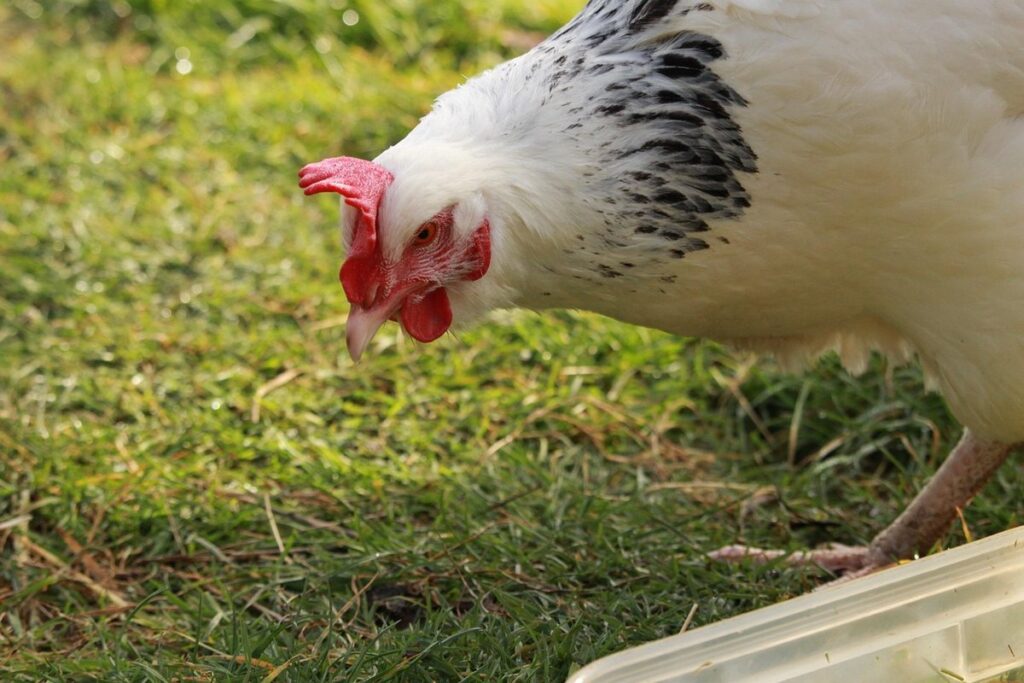
One of the most striking features of the Speckled Sussex Hen is its distinctive plumage. The hen’s feathers are speckled with a mix of black and white dots, giving it a unique and endearing appearance. This coloration pattern is not only visually appealing but also helps to camouflage the bird in its surroundings, making it an ideal choice for free-range farming.
The Speckled Sussex Hen’s plumage is unlike many other chicken breeds, which tend to have solid or predominantly single-colored feathers. For example, the Golden Comet and the Rhode Island Red have a more uniform golden-brown coloration, while the Leghorn is known for its sleek white feathers with occasional black highlights. In contrast, the Speckled Sussex Hen’s speckled pattern gives it a more dynamic and unpredictable appearance.
To appreciate the beauty of the Speckled Sussex Hen’s plumage, look closely at its feather patterns – you’ll notice that each bird is unique, with different arrangements of black and white dots on its breast, back, and wings. This variability in coloration makes every individual hen stand out, making it a joy to keep and admire these birds in your backyard flock.
Body Type and Size
The Speckled Sussex hen is a compact and sturdy breed, known for its gentle nature and impressive egg-laying abilities. In terms of body type, they are characterized by their broad chests, deep breasts, and well-sprung ribs. The overall impression is one of robustness and strength, making them well-suited to foraging and free-ranging.
When it comes to size, Speckled Sussex hens typically weigh between 5-6 pounds (2.3-2.7 kg), with some individuals reaching up to 7 pounds (3.2 kg). Roosters are slightly larger, weighing in at around 8-9 pounds (3.6-4 kg). While they may not be the largest breed on the market, their compact size makes them an excellent choice for backyard flocks and small-scale farmers.
Their moderate size also means they require less space to roam and exercise, making them a great option for those with limited land or resources. However, it’s essential to provide them with adequate shelter, nutrition, and care to ensure optimal health and productivity. By understanding their unique physical characteristics, you can better meet the needs of your Speckled Sussex hens and enjoy a thriving flock.
Temperament and Personality of the Speckled Sussex Hen
Speckled Sussex hens are known for their friendly, docile nature and adaptability to living situations, making them a great choice for many backyard chicken keepers. They’re also relatively low-maintenance pets.
Docile Nature and Social Behavior
One of the most endearing qualities of Speckled Sussex hens is their exceptionally docile nature. These gentle girls are renowned for their friendly and social personalities, making them an absolute delight to keep as pets or even integrate into backyard flocks. Their calm demeanor allows them to thrive in a variety of living situations, from small backyards to larger farms.
When it comes to interacting with humans, Speckled Sussex hens are known to be incredibly affectionate and loving. They adore attention and will often follow you around the yard or even nudge their way onto your lap for pets and treats. In fact, many owners swear that their hens are more like loyal companions than mere animals.
In terms of interactions with other animals, Speckled Sussex hens tend to get along swimmingly with most breeds. However, as with any new introduction, it’s essential to socialize them properly from an early age to ensure a harmonious coexistence. With proper care and attention, these lovely ladies can become the heart and soul of your backyard flock, providing endless joy and entertainment for you and your family.
Foraging Instincts and Energetic Levels
The Speckled Sussex hen is known for its strong foraging instincts, which are deeply ingrained due to their origins as a dual-purpose breed developed for egg and meat production. This natural instinct drives them to seek out food on the ground, making them an excellent addition to any backyard flock or farm setting with adequate space to roam.
To accommodate this trait, it’s essential to provide your Speckled Sussex hens with access to plenty of space and a diverse range of foraging opportunities. Consider incorporating cover crops, grasses, or other edible plants into their enclosure, as well as providing them with regular scratching posts and perches. This will help satisfy their instinctual need to forage while keeping them entertained and engaged.
In terms of energetic levels, Speckled Sussex hens are moderately active birds that require regular exercise to stay healthy and happy. Aim to provide at least two hours of free-range time daily, allowing them to explore and exercise as they see fit. This can be achieved by releasing them into a fenced area or letting them free-range in your backyard under close supervision. With proper care and management, the Speckled Sussex hen’s unique characteristics make it an excellent choice for those looking to establish a thriving and engaging backyard flock or farm operation.
Health Considerations for the Speckled Sussex Hen
When it comes to your speckled Sussex hens, understanding their potential health issues is crucial for providing top-notch care and ensuring they live long, happy lives. Let’s explore some common health considerations for this unique breed.
Common Health Issues and Genetic Concerns
Speckled Sussex hens are generally a hardy breed, but like all chickens, they can be prone to certain health issues. One common concern is the susceptibility to respiratory problems, such as bronchitis and pneumonia, particularly during times of stress or cold weather. This can often be mitigated by providing a warm and dry coop with adequate ventilation.
Another issue that may arise is obesity, which can lead to a range of other health problems. To prevent this, it’s essential to provide your Speckled Sussex hens with a balanced diet and plenty of opportunities for exercise. Aiming for around 18-20 hours of daylight in the summer months will also help regulate their appetite.
Genetic concerns include an increased risk of Marek’s disease and hypovitaminosis A, both of which can be prevented through vaccination and careful management of their diet. Regular health checks and monitoring can also help identify any potential issues early on.
Breed-Specific Health Considerations and Management Strategies
As a responsible and informed chicken keeper, it’s essential to be aware of potential health concerns specific to your Speckled Sussex hens. This breed is generally known for its hardiness, but like all chickens, they can be prone to certain issues if not properly cared for.
One common concern in the Speckled Sussex breed is their susceptibility to respiratory problems due to their compact body type and relatively short legs. To manage this risk, make sure your coop has adequate ventilation to prevent ammonia buildup from droppings. Regular cleaning of the coop and run will also help reduce moisture levels, creating a healthier environment for your hens.
Another consideration is their potential for obesity, which can lead to metabolic bone disease. Ensure that your Speckled Sussex hens have ample space to move around in the run, and consider reducing their feed intake if they start showing signs of weight gain. A balanced diet rich in calcium will also help support strong bones.
Regular health checks, including monitoring for signs of respiratory distress or obesity, can help catch any potential issues early on. By being proactive about your flock’s health, you can enjoy the many rewards of raising Speckled Sussex hens.
Care and Management of the Speckled Sussex Hen
To keep your speckled Sussex hens happy and healthy, it’s essential to understand their specific care and management needs in order to prevent common issues from arising. This section will guide you through those requirements.
Housing, Nutrition, and Fencing Requirements
When it comes to providing a happy and healthy environment for your Speckled Sussex hens, housing, nutrition, and fencing are crucial aspects of their care. Adequate housing should provide enough space for the birds to move around comfortably, with a minimum of 2-3 square feet per bird inside the coop and 8-10 square feet in the run.
A suitable coop design for Speckled Sussex hens would be a simple, predator-proof enclosure with adequate ventilation to prevent ammonia buildup. You can consider building a rectangular or hexagonal coop to maximize space efficiency. Make sure it’s elevated off the ground to keep predators at bay and make cleaning easier.
Nutritionally speaking, Speckled Sussex hens are a hardy breed that does well on a balanced diet of commercial layer feed supplemented with fresh fruits and vegetables. Provide access to clean water at all times and consider adding oyster shells or crushed eggshells for calcium supplements.
When it comes to fencing, you’ll want to ensure the enclosure is secure enough to prevent escape artists from getting out. A minimum height of 3 feet is recommended, but ideally, you should aim for a fence that’s at least 4-5 feet high. Use durable materials like chicken wire or hardware cloth with openings of 1 inch or smaller to keep predators out and birds in.
Feeding Strategies to Support Their Specific Needs
When it comes to feeding your Speckled Sussex hen, it’s essential to provide them with nutrient-rich feed options that cater to their specific needs. As a prolific egg-layer, they require a diet rich in calcium and protein to support their reproductive health and overall well-being.
Start by offering a high-quality layer pellet as the main staple of their diet. Look for pellets that contain around 16-18% protein and are fortified with calcium and other essential minerals. You can also supplement their diet with fresh vegetables, fruits, and grains like oats and barley. Some examples of nutrient-rich foods you can offer include dark leafy greens like kale and spinach, as well as berries and sweet potatoes.
To boost their egg-laying ability, consider offering a layer feed that’s specifically designed to support reproductive health. These feeds often contain additional nutrients like vitamin D3 and omega-3 fatty acids that promote strong bone growth and overall fertility. Be sure to follow the manufacturer’s guidelines for feeding amounts and gradually introduce new foods to prevent digestive upset.
Breeding and Raising Speckled Sussex Hens
When it comes to raising your very own Speckled Sussex hens, understanding their breeding needs is crucial for success. Let’s dive into the specifics of how to breed and raise healthy Speckled Sussex chicks.
Choosing Healthy Stock for Breeding Purposes
When choosing healthy stock for breeding purposes, it’s essential to consider several factors that ensure you’re selecting individuals with desirable traits and a strong foundation for future generations. Start by examining the lineage of each bird, looking for a minimum of three generations of purebred Speckled Sussex ancestry. This helps maintain breed integrity and prevents cross-breeding with other varieties.
Genetic diversity is also crucial in maintaining a healthy breeding program. Select birds that exhibit unique characteristics, such as varying eggshell patterns or feather texture, to introduce new traits into your flock. Aim for a diverse genetic pool by incorporating multiple individuals from different bloodlines into your breeding program.
Age considerations are equally important when selecting breeding stock. Typically, birds should be at least 18-24 months old before being used for breeding. This allows them to mature physically and reach optimal fertility levels. Look for individuals with robust health, vigor, and a strong constitution – these traits will be passed down to their offspring. Regularly inspect your breeding flock for any signs of illness or injury, and cull birds that don’t meet your standards to maintain the overall quality of your stock.
Tips for Successfully Raising Chicks to Mature Hens
Raising chicks from hatch to maturity requires careful attention and planning. For Speckled Sussex hens, it’s essential to provide a nurturing environment that meets their specific needs. Start by ensuring a warm and draft-free brooder with adequate ventilation, as these chicks are sensitive to temperature fluctuations.
As they grow, allocate enough space for the chicks to move around comfortably. A good rule of thumb is to provide at least 1-2 square feet per chick until they reach eight weeks old. You can start introducing them to outdoor enclosures or coops once they’re about six weeks old.
Socialization plays a critical role in developing well-adjusted hens. To socialize your Speckled Sussex chicks, begin by allowing them to interact with each other in a safe and controlled environment. Gradually introduce them to adults, making sure to supervise interactions closely.
Also consider separating the pullets from the cockerels at around 12 weeks old to prevent bullying and stress. With patience and attention to detail, you can raise healthy, well-adjusted Speckled Sussex hens that will thrive in your flock.
Frequently Asked Questions
Can I mix Speckled Sussex hens with other breeds in my flock?
Yes, Speckled Sussex hens are generally friendly and social birds that can be mixed with other breeds. However, it’s essential to introduce them slowly and under close supervision to ensure a harmonious flock dynamic.
How do I know if a Speckled Sussex hen is healthy enough for breeding purposes?
When selecting stock for breeding, look for birds with good egg-laying records, robust physical condition, and a strong temperament. Consult a veterinarian or experienced breeder for guidance on evaluating the health of your birds and making informed decisions.
What are some common health issues to watch out for in Speckled Sussex hens?
Speckled Sussex hens can be prone to certain health issues such as bumblefoot, mites, and respiratory problems. Regular health checks, proper sanitation, and a balanced diet can help prevent these issues and promote overall well-being.
Can I raise Speckled Sussex chicks without any prior experience with chickens?
While it’s possible to raise Speckled Sussex chicks without experience, it’s highly recommended that you research their specific needs and consult with experienced breeders or veterinarians. Providing proper care and nutrition from an early age is crucial for the development of healthy and thriving birds.
How long does it take for a Speckled Sussex hen to mature and start laying eggs?
Speckled Sussex hens typically reach maturity between 20-24 weeks, at which point they can begin laying eggs. However, egg production will continue to improve over the next year as they reach their full productive potential.