
As a backyard farmer or commercial poultry producer, you’re likely eager to maximize egg production from your White Leghorns. These popular birds are renowned for their high-quality eggs and impressive laying capacity. However, achieving optimal performance requires more than just providing food and water. Nutrition plays a crucial role in egg production, and understanding the specific needs of your flock is essential.
In this article, we’ll delve into the secrets to maximizing egg production from White Leghorns. We’ll cover nutrition strategies that support healthy laying hens, including dietary requirements for optimal performance. Additionally, we’ll discuss health considerations and management techniques to help you identify potential issues before they affect production. By implementing these expert tips, you can optimize your flock’s performance and enjoy a bountiful harvest of fresh eggs from your prized White Leghorns.
Characteristics and Benefits of White Leghorns
When it comes to choosing a breed for high egg production, understanding the characteristics and benefits of White Leghorns is essential. Here’s what you need to know about this popular breed.
Origin and History of White Leghorns
The White Leghorn breed has its roots in Italy, specifically in the region of Tuscany. The breed’s origins date back to the 19th century when Italian farmers selectively bred for hens that excelled at producing large quantities of white eggs. These early birds were known as “Leghorni” and were highly valued for their exceptional egg-laying abilities.
As demand for high-quality eggs grew, White Leghorns spread throughout Europe and eventually made their way to the United States in the late 1800s. Their popularity soared due to their impressive egg production capabilities – some hens can lay up to 300 large white eggs per year! Today, White Leghorns are one of the most widely kept breeds worldwide for commercial egg production.
Their adaptability and robust nature made them an ideal choice for farmers looking to increase egg output. With proper care and nutrition, a flock of White Leghorns can thrive in various climates and conditions. This remarkable breed has become synonymous with efficient egg production, making them a staple in the poultry industry.
Physical Characteristics of White Leghorns
The White Leghorn breed is one of the most widely recognized and sought-after egg-laying chickens due to its exceptional production capabilities. When it comes to physical characteristics, this breed boasts a number of distinctive traits that make them well-suited for commercial egg production.
In terms of size, White Leghorns are relatively small, with roosters weighing around 5-6 pounds (2.3-2.7 kg) and hens reaching about 4-5 pounds (1.8-2.3 kg). Their compact frame makes them an ideal choice for backyard flocks or small-scale commercial operations.
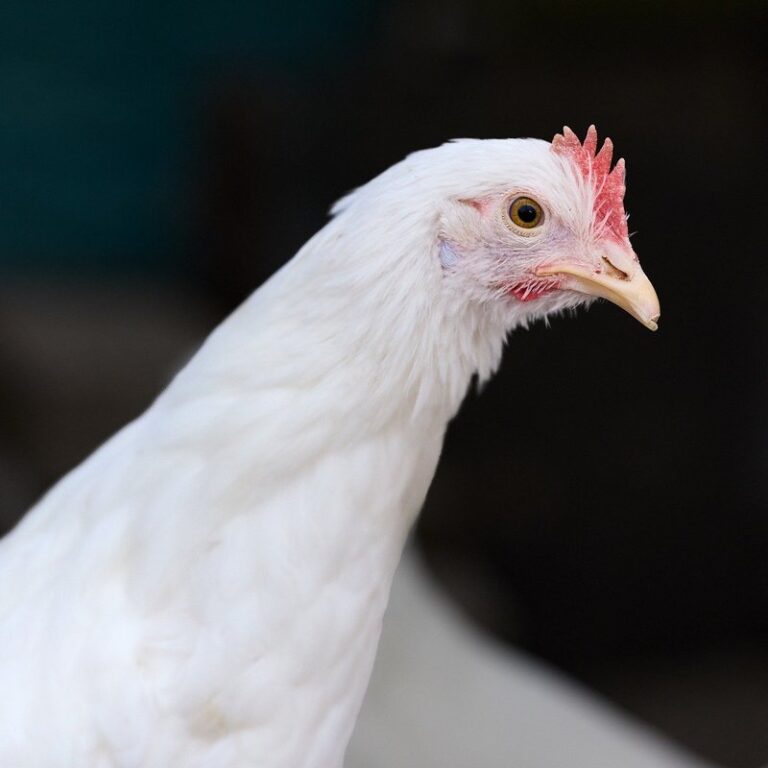
One of the most notable features of White Leghorns is their stunning plumage, which is pure white with no feathers on their legs or feet. This clean and streamlined appearance not only adds to their visual appeal but also helps reduce the risk of disease transmission.
On average, a mature White Leghorn hen will weigh around 3-4 pounds (1.4-1.8 kg), making them an efficient choice for commercial egg production. Their lightweight build allows them to be easily managed and maintained in large-scale operations.
Their compact size also enables them to thrive in smaller spaces, making them a popular choice among urban and backyard farmers.
Egg-Laying Capacity and Performance
White Leghorns are renowned for their exceptional egg-laying capacity and performance. This is due to their unique combination of genetic traits and breed characteristics. One key factor contributing to their high productivity is their rapid growth rate, which enables them to reach maturity quickly. As a result, they can start laying eggs at around 18-20 weeks of age.
Another crucial aspect of White Leghorns’ egg production is their ability to produce large numbers of eggs throughout their lifespan. On average, a healthy White Leghorn will lay over 300 eggs per year, with some individuals producing up to 320 eggs annually. This high volume of egg production makes them an attractive choice for commercial poultry farmers and backyard chicken keepers alike.
To maximize your White Leghorns’ egg-laying capacity, ensure they receive adequate nutrition, proper lighting, and a clean, safe living environment. It’s also essential to provide regular health checks and maintain good flock management practices. By doing so, you can expect your White Leghorns to thrive and deliver consistent egg production for years to come.
Nutrition and Diet Requirements
To ensure your flock produces high-quality eggs, it’s essential to understand their specific nutrition and diet requirements, which vary from other breeds. We’ll cover these critical needs in detail below.
Nutrient-Rich Feed Options for White Leghorns
When it comes to white leghorn chicken egg production, providing a nutrient-rich diet is essential for optimal performance. A balanced feed will ensure that your birds are getting all the necessary nutrients to produce high-quality eggs and maintain overall health.
A well-formulated feed should contain the right mix of protein, energy, vitamins, and minerals to support egg production and overall health. For white leghorns, a layer feed with 16-18% crude protein is recommended for optimal performance. This level of protein will help promote healthy growth, egg production, and maintain plumage condition.
In addition to the standard nutrients, consider adding supplements like calcium and phosphorus to support strong eggshell production. A lack of these essential minerals can lead to weakened eggshells and reduced fertility. Regularly monitoring your birds’ feed consumption and adjusting as needed will help ensure they’re getting everything they need for optimal performance.
Calcium and Phosphorus Requirements
Calcium and phosphorus are two essential nutrients that play a crucial role in eggshell quality and bird health. Calcium, in particular, is responsible for building the structure of the eggshell, while phosphorus helps regulate calcium metabolism.
For every kilogram of feed, hens require about 3-4 grams of calcium to produce an egg with a strong shell. However, this requirement can vary depending on factors such as breed, age, and production level. For example, laying hens require more calcium than pullets or cockerels due to their high reproductive demands.
It’s essential to maintain a balanced ratio of calcium to phosphorus (Ca:P) in the feed. A general rule of thumb is to aim for a Ca:P ratio of 1:1 to 2:1. Feeding hens with an excess of phosphorus can lead to calcium deficiencies, which may result in soft-shelled or misshapen eggs.
To ensure optimal eggshell quality and bird health, it’s crucial to provide hens with a well-formulated diet that meets their calcium and phosphorus requirements.
Water Quality and Accessibility
Providing clean water at all times is crucial for maintaining optimal egg production in White Leghorn chickens. In fact, research shows that a deficiency in clean drinking water can lead to reduced egg production by as much as 50%. This highlights the importance of ensuring that water is always accessible and free from contaminants.
To achieve this, it’s essential to install multiple waterers throughout the coop to prevent overcrowding around a single source. Automatic waterers with float valves are ideal, as they minimize the risk of bacterial growth and contamination. Regular cleaning and disinfection of waterers should also be carried out at least once a week to maintain cleanliness.
In addition, providing a shallow dish or plate for water allows birds to easily access it, reducing stress and promoting hydration. The recommended water-to-feed ratio is around 1:10, meaning one gallon of water per 10 pounds of feed consumed daily. By adhering to these guidelines, you can ensure your White Leghorn chickens have access to clean drinking water at all times, supporting their overall health and optimal egg production.
Health Considerations
When it comes to raising White Leghorns for egg production, understanding their specific health needs is crucial to ensuring their well-being and your own safety. Let’s explore some key considerations to keep in mind.
Common Health Issues Affecting White Leghorns
As you embark on raising White Leghorns for egg production, it’s essential to be aware of common health issues that can impact their well-being and productivity. Respiratory problems are a prevalent issue among these birds, particularly during times of stress or sudden changes in temperature or humidity. Prolonged exposure to ammonia fumes from bedding materials or high levels of carbon monoxide from heating systems can exacerbate respiratory conditions.
Internal parasites such as mites, lice, and worms also pose significant health risks to White Leghorns. These pests not only cause discomfort but also weaken the birds’ immune system, making them more susceptible to disease. Regular cleaning and disinfection of coops, combined with a strict parasite control program, can help mitigate these issues.
To address respiratory problems, it’s crucial to maintain optimal ventilation within the coop, coupled with monitoring temperature and humidity levels closely. For parasite control, integrating natural methods like diatomaceous earth or herbal supplements into your flock’s health routine can be an effective strategy. Always consult a veterinarian for advice on creating a comprehensive health plan tailored to your White Leghorn flock.
Vaccination Programs and Biosecurity Measures
In any white leghorn chicken egg production operation, disease outbreaks can have a devastating impact on flock health and productivity. Vaccination programs and biosecurity measures are crucial to prevent the spread of diseases such as Newcastle Disease (ND), Infectious Bronchitis (IB), and Avian Influenza (AI). These measures not only protect your flock but also ensure compliance with regulatory requirements.
Implementing a robust vaccination program involves regular booster shots, especially for new additions to the flock. For instance, chicks should receive ND and IB vaccinations within the first few weeks of life. It’s also essential to maintain accurate records of vaccination schedules and monitor flocks regularly for signs of disease.
Biosecurity measures are equally important in preventing disease outbreaks. This includes limiting human access to the farm, disinfecting equipment and vehicles, and enforcing personal hygiene practices among staff. Regular cleaning and disinfection of coops and runs can also help reduce the risk of disease transmission.
Parasite Control Methods and Practices
Controlling internal and external parasites is crucial to maintaining the health and productivity of White Leghorn flocks. These pests can cause significant economic losses through decreased egg production, reduced fertility, and increased mortality rates. Effective parasite control methods should be integrated into a flock’s management plan from day one.
Some common internal parasites in chickens include mites, ticks, lice, and fleas, while external parasites include external parasites such as mosquitoes, flies, and rodents. To manage these pests, it’s essential to use a combination of preventative measures and treatment methods. This includes maintaining clean and dry living conditions, ensuring adequate ventilation, and implementing regular health checks.
One effective method for controlling internal parasites is through the use of feed supplements containing ingredients like diatomaceous earth or probiotics. These help maintain a healthy gut microbiome and support the bird’s natural defenses against parasite infestations. Regular cleaning and disinfection of the coop and surrounding areas can also help eliminate external parasites.
Housing and Environment
When it comes to raising White Leghorns for egg production, a well-planned housing and environment setup is crucial for their health and productivity. Proper ventilation, lighting, and climate control are key considerations in this area.
Ideal Housing Conditions for White Leghorns
When it comes to housing White Leghorns for optimal egg production, getting their living conditions right is crucial. Aim for a minimum of 5 square feet per bird in the coop and at least 10 square feet per bird in the outdoor run. This will give them ample space to move around, stretch their wings, and engage in natural behaviors.
Proper ventilation is also essential. Ensure that there are adequate windows and vents to provide airflow, removing ammonia and moisture from the air. A well-designed coop with a slight slope or incline will help prevent water from accumulating and reduce the risk of mold growth.
Temperature control is another vital aspect of White Leghorn housing. Keep the temperature between 60°F and 70°F (15°C and 21°C) during the first few weeks after hatching, gradually increasing it to around 75°F (24°C) for laying birds. Avoid overheating or overcooling, as this can significantly impact egg production.
Maintain a consistent temperature range by using insulation, fans, and ventilation systems strategically. A happy and healthy White Leghorn flock will reward you with an abundance of fresh eggs!
Egg Collection Systems and Equipment
When it comes to egg collection systems and equipment for White Leghorns, there are several options available to farmers. Manual egg collection is a traditional method where eggs are gathered by hand, but this can be time-consuming and labor-intensive. Automated egg collection systems, on the other hand, use conveyor belts or rollers to transport eggs from nesting boxes to a central collection point.
Some popular automated egg collection systems include egg collectors with sensors that detect when an egg is present in the nesting box, robotic egg pickers, and belt-driven collection systems. The choice of system depends on factors such as farm size, number of birds, and desired level of automation.
When selecting equipment, consider factors like durability, ease of cleaning, and maintenance requirements. For example, a stainless steel egg conveyor is easy to clean and resistant to corrosion, making it a good option for farms with high hygiene standards.
Predator Control Methods and Practices
Controlling predators is crucial to maintaining a healthy and productive White Leghorn flock. These birds are attractive prey for many predators, including foxes, coyotes, hawks, owls, and weasels. To minimize the risk of predation, it’s essential to implement effective control methods.
One of the most common predator control methods is using protective fencing around the poultry house or enclosure. This should be at least 6 feet tall and extend at least 12 inches below ground level to prevent predators from burrowing underneath. Consider adding electrified netting or wire mesh for added security.
Another important aspect is to remove potential attractants, such as food and water sources, that may draw predators to the area. Regularly inspect your flock’s surroundings and ensure all doors and windows are secure. It’s also a good idea to create a safe roosting area by installing roost bars or perches at least 6 feet off the ground.
Keep in mind that it’s not always possible to prevent predation entirely, but implementing these measures can significantly reduce the risk of losses. Remember to monitor your flock regularly and adjust your control methods as needed to ensure their safety and well-being.
Management and Production Strategies
To successfully manage and produce high-quality eggs from your White Leghorns, it’s essential to implement efficient production strategies that balance profitability with animal welfare. This section outlines key management techniques to achieve egg-cellent results.
Flock Size and Dynamics
When it comes to managing flock size and dynamics, optimizing production while reducing stress is crucial for the well-being of your White Leghorn chickens. A general rule of thumb is to maintain a ratio of 0.2-0.3 square feet per bird, with adequate space for nesting boxes and feeding areas. Overcrowding can lead to increased competition for resources, resulting in stress and decreased egg production.
To achieve an optimal flock size, consider the following: a starting point of around 10 birds is recommended, allowing you to monitor their health and adjust management practices accordingly. As your flock grows, ensure there’s enough space by dividing larger flocks into smaller groups. This will also help prevent territorial behavior and aggression among hens.
Additionally, consider implementing a “hierarchy” system within the flock by separating younger and older birds. This can reduce stress and conflicts, promoting overall health and well-being. By balancing flock size and dynamics, you’ll set your White Leghorn chickens up for success in producing high-quality eggs while minimizing stress-related issues.
Breeding Programs and Selection Criteria
Breeding programs play a crucial role in selecting high-performing White Leghorn birds for egg production. The right breeding program can significantly impact egg yield, quality, and overall farm productivity. When selecting a breeding program, consider factors such as genetic diversity, disease resistance, and adaptability to local climate conditions.
Look for breeding programs that prioritize traits like fertility, hatchability, and chick growth rates. These characteristics are essential for maintaining high-quality flocks and ensuring optimal egg production. For instance, some popular White Leghorn breeds, such as the “Lohmann Brown” or “Hy-Line Brown,” have been developed to excel in these areas.
When evaluating a breeding program, examine data on parent stock performance, including average egg weight, egg numbers laid per bird, and feed conversion ratios. Consider partnering with reputable breeders who can provide access to superior genetics and expert guidance on flock management. By carefully selecting the right birds through a well-designed breeding program, you’ll be well on your way to optimizing White Leghorn chicken egg production on your farm.
Record-Keeping and Monitoring Systems
Effective record-keeping and monitoring systems are crucial for White Leghorn chicken egg production. These systems enable you to track key metrics such as production levels, health issues, feed consumption, and egg quality. By doing so, you can identify areas that require improvement, make informed decisions, and optimize your operations.
For instance, a well-designed record-keeping system allows you to monitor the average daily egg production per hen, which helps in identifying factors affecting production levels. This could be due to various reasons such as age of the flock, feed quality, or health issues. By tracking these metrics, you can adjust your management strategies accordingly.
In addition to production metrics, a monitoring system also keeps track of health-related issues, disease outbreaks, and any veterinary interventions. This information is invaluable for making informed decisions about vaccination programs, parasite control measures, and other health-related interventions.
To implement an effective record-keeping and monitoring system, start by identifying the key performance indicators (KPIs) specific to your farm. Set up a digital or manual system to track these KPIs regularly, and ensure that data is collected consistently.
Conclusion
As you’ve now learned everything there is to know about White Leghorn chicken egg production, it’s time to summarize the key takeaways and reflect on what matters most. Let’s review the main points together!
Summary of Key Takeaways
In conclusion, raising White Leghorns for egg production can be a profitable and rewarding venture. To ensure success, it’s essential to understand their unique characteristics, nutritional needs, and environmental requirements.
Key takeaways from this guide include the importance of providing adequate space per bird (around 3-4 square feet), maintaining optimal temperatures between 40°F and 80°F, and offering a balanced diet that includes 16% protein and calcium supplements. Regular health checks, vaccinations, and monitoring for signs of stress or disease are also crucial to maintaining a healthy flock.
Furthermore, White Leghorns require around 14-18 hours of light per day to produce eggs consistently. Implementing an egg collection system and monitoring daily egg production can help identify potential issues early on. By following the recommendations outlined in this guide, you’ll be well on your way to establishing a thriving White Leghorn chicken operation that produces high-quality eggs while ensuring the health and well-being of your birds.
Future Outlook and Recommendations
As we conclude our comprehensive guide to White Leghorn chicken egg production, it’s essential to consider future developments and recommendations for optimizing this process. One area of significant potential growth is the increasing adoption of technology-driven solutions. From automated feeding systems to data analytics platforms, integrating these tools can significantly boost productivity and efficiency.
Another crucial aspect to focus on is sustainability. As consumers become more environmentally conscious, producers must adapt to meet these demands. Implementing sustainable practices such as free-range systems, reducing water waste, or using renewable energy sources will not only benefit the environment but also enhance egg quality and customer loyalty.
In terms of specific recommendations, consider implementing a phased approach to adopting new technologies and strategies. This may involve starting with smaller-scale trials before scaling up to larger operations. Additionally, prioritize staff training and education on best practices for maintaining healthy flocks and optimizing production processes.
By embracing these future-focused approaches, you’ll be well-positioned to stay competitive in the market while also contributing to a more sustainable and environmentally conscious egg industry.
Frequently Asked Questions
How often should I provide fresh water to my White Leghorns?
Fresh water should be available at all times, but it’s essential to change the water source regularly (at least once a day) to prevent bacterial growth and contamination. Ensure your flock always has access to clean, cool water to maintain optimal health and egg production.
Can I provide free-choice supplements to my White Leghorns?
Yes, you can offer free-choice supplements like oyster shells or grit to support calcium intake and overall nutrition. However, ensure the supplement is fresh and not contaminated with mold or bacteria. Monitor your flock’s consumption and adjust as needed to avoid over-supplementation.
What are some common health issues affecting White Leghorns in hot climates?
In hot climates, White Leghorns may be prone to heat stress, respiratory issues, and coccidiosis. Implement strategies like providing shade, using evaporative cooling systems, and maintaining a clean and well-ventilated coop can help mitigate these risks.
How do I handle broody behavior in my White Leghorns?
Broodiness is a natural behavior in hens, but it can impact egg production. If you notice a hen becoming broody, separate her from the rest of the flock to prevent stressing other birds. You can also try providing additional light or using techniques like “broody breaker” systems.
Can I raise White Leghorns without calcium supplementation?
While White Leghorns require adequate calcium for optimal egg production, they can derive some of their needs from a balanced commercial feed. However, supplementing with oyster shells or other sources of calcium can help ensure your flock meets its nutritional requirements and reduces the risk of health issues related to calcium deficiency.