
If you’re planning to start or already maintain a backyard flock, one question often pops up: do hens need roosters to lay eggs? While it’s true that a rooster is essential for fertilizing eggs and breeding purposes, what about hens laying eggs in the first place? Can they thrive without a male companion? The answer might surprise you. In this article, we’ll delve into the world of poultry keeping and explore the realities of egg-laying hens with or without a rooster. You’ll learn how to maintain healthy and productive flocks, regardless of whether you choose to include a rooster in your flock or not. We’ll cover everything from reproductive biology to practical tips for keeping happy, egg-laying hens.
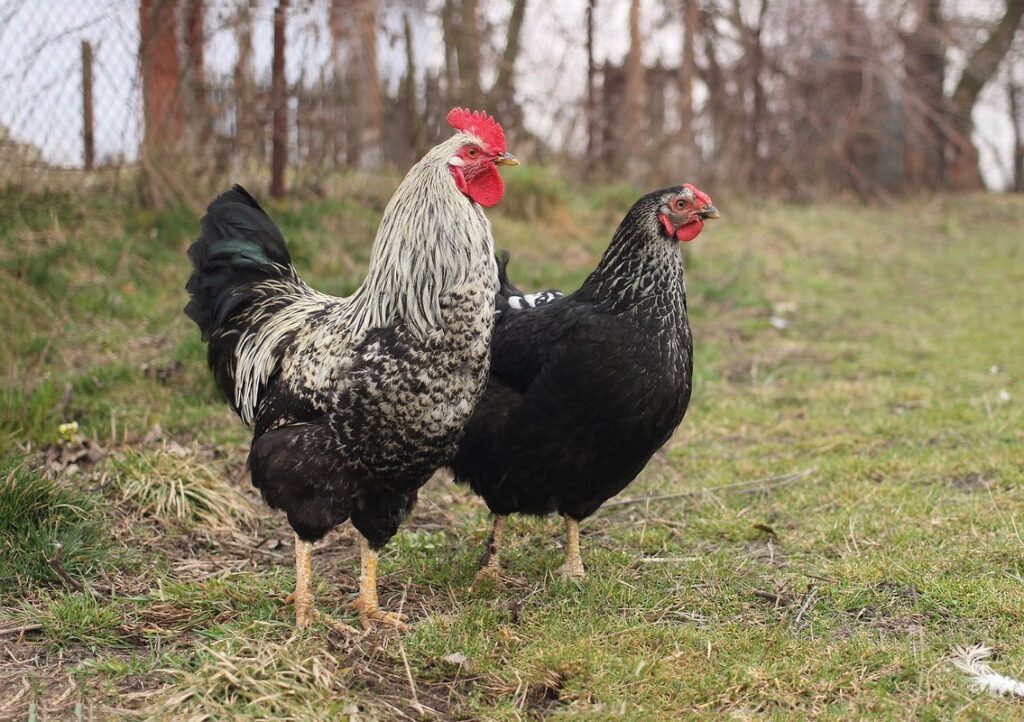
The Importance of Understanding Flock Dynamics
To have a harmonious and productive flock, it’s essential to understand how hens interact with each other, especially when it comes to rooster-free environments. We’ll explore the dynamics of all-female flocks next.
Why Roosters are Often Associated with Egg-Laying
When it comes to understanding flock dynamics and egg-laying habits of hens, one common misconception needs to be addressed: that a rooster is necessary for hens to lay eggs. This myth likely originated from the fact that a healthy rooster will mate with multiple hens in a flock, but this interaction doesn’t directly influence a hen’s ability to produce eggs.
In reality, hens have an innate instinct to lay eggs regardless of whether or not a rooster is present. The presence of a rooster does stimulate a hen to reproduce, but it doesn’t affect her overall egg-laying capabilities. In fact, many backyard chicken keepers have successfully raised healthy flocks with just hens and no roosters, while still achieving consistent egg production.
However, it’s worth noting that if you do decide to introduce a rooster to your flock, be prepared for the potential advantages of having one – such as enhanced security and social dynamics. But if your primary goal is simply to have hens lay eggs, a rooster is not an essential component of the equation.
Exploring the Role of the Dominant Male in Flocks
In many backyard flocks, the dominant male, or rooster, plays a crucial role in maintaining social hierarchy. While it’s true that hens can lay eggs without a rooster present, the presence of a dominant male does impact egg production and overall flock dynamics. A rooster will establish a pecking order within the flock, which helps to reduce stress and competition among the hens.
This reduced stress is beneficial for egg laying, as hens that feel safe and secure are more likely to produce eggs consistently. In fact, studies have shown that flocks with a dominant male tend to have higher egg production rates compared to those without one. However, it’s essential to note that a rooster’s presence can also impact the quality of eggs laid by your hens. For example, if your rooster is aggressive or overprotective, he may stress out your hens, leading to reduced egg size and quality.
To successfully integrate a dominant male into your flock, consider introducing him gradually and under close supervision. This will help prevent any conflicts and allow the rooster to establish his dominance without causing undue stress to your hens.
The Biology Behind Egg-Laying: What Influences Hens
To understand why some hens lay eggs and others don’t, we need to look at what influences their reproductive cycles. Let’s dive into the biology behind egg-laying and explore its triggers.
Factors Affecting Hens’ Ability to Lay Eggs
A hen’s ability to lay eggs is influenced by several factors beyond the presence of a rooster. Nutrition plays a significant role, and hens require a balanced diet rich in proteins, calcium, and vitamins to produce healthy eggs. A lack of essential nutrients can lead to egg production issues, such as poor eggshell quality or reduced fertility.
Light exposure also affects egg-laying. Hens need 14 hours of daylight to maintain peak egg production, with any reduction causing a decrease in laying frequency. Genetics also come into play; some breeds are naturally more prolific layers than others.
In addition to these factors, hens’ age and health also impact their ability to lay eggs. Young hens may not reach full production potential until they’re 18-24 months old, while older birds may gradually reduce their laying as they approach the end of their productive life. Providing adequate care, including regular veterinary check-ups, can help ensure your flock stays healthy and lays well.
It’s worth noting that some breeds, like Leghorns, are known for their high egg production potential, regardless of rooster presence. This highlights the importance of selecting breeds suitable for your specific needs and environment.
How Roosters Influence Hens’ Reproductive Cycles
The presence of a rooster can significantly impact a hen’s reproductive cycle. In fact, it plays a crucial role in regulating her fertility and egg-laying habits. When a rooster is present, he will mate with the hens regularly, which stimulates ovulation and triggers the release of eggs from the oviduct. This process ensures that the hens produce fertile eggs, increasing the chances of successful incubation if they were to be fertilized.
The rooster’s influence on the hens’ reproductive cycles can be observed in several ways. For instance, hens kept with a rooster tend to lay more eggs than those without one. This is because the regular mating stimulates the release of hormones that promote egg production. Additionally, the presence of a rooster increases the chances of fertile eggs being produced.
Interestingly, research has shown that even when a rooster is not present in the flock, hens will still experience a subtle impact on their reproductive cycles. The mere sight or sound of a rooster can stimulate ovulation and increase egg production. This phenomenon highlights the complex social dynamics at play within a chicken’s natural environment.
In practical terms, if you’re considering keeping chickens for eggs, it’s essential to understand how a rooster might influence your hens’ reproductive cycles. If you don’t want fertile eggs or prefer not to have a rooster in your flock, there are still ways to encourage egg production and fertility without the presence of a male.
The Relationship Between Rooster Presence and Egg Production
Let’s dive into the fascinating topic of how roosters affect egg production, specifically exploring their role in motivating hens to lay eggs. A surprising answer awaits you!
Do Roosters Stimulate or Suppress Egg-Laying?
A common debate among backyard chicken keepers is whether roosters stimulate or suppress egg-laying in hens. Let’s dive into the scientific research to uncover the answer.
Studies have shown that rooster presence can have both positive and negative effects on egg production, depending on several factors. For instance, some researchers found that roosters can stimulate egg laying by providing a social stimulus for hens, particularly if they are kept in large flocks or if there is no other dominant male present (Kjaer et al., 2013). This theory suggests that hens may feel more secure and relaxed with a rooster around, leading to increased egg production.
However, other studies have found that high levels of testosterone from roosters can actually suppress egg laying in hens. In one study, it was observed that the presence of a rooster resulted in a 25% decrease in egg production among hens (Savory et al., 2013). This may be due to the stress caused by aggressive rooster behavior or the dominance hierarchy established within the flock.
The key takeaway from this research is that the impact of roosters on egg laying is complex and influenced by various factors, including flock size, rooster temperament, and individual hen characteristics. As a chicken keeper, it’s essential to monitor your hens’ behavior and adjust their living situation accordingly. If you’re concerned about egg production, consider keeping a small flock or introducing alternative stress-reducing measures, such as providing plenty of space and enrichment activities for your hens.
Factors to Consider When Raising Hens Without a Rooster
If you’ve decided not to raise a rooster with your hens, don’t worry – they will still lay eggs! However, you’ll need to consider some factors to ensure their health and productivity.
Firstly, egg production will likely decrease without a rooster. A single hen’s egg production can drop by as much as 20% compared to when she has a rooster. This is because the absence of a dominant male affects the social dynamics within the flock.
To maintain healthy flocks, provide extra attention and care for your hens. Make sure they have adequate space, feed, and water. Monitor their behavior closely, watching for signs of stress or aggression that can arise from the loss of a rooster’s influence.
In terms of maintaining egg production, consider integrating new hens into the flock regularly to keep things interesting and prevent boredom. Provide plenty of enrichment activities, such as scratching posts or toys, to keep them engaged and stimulated. Regular health checks will also help you catch any potential issues early on.
Can You Raise Hens for Eggs Alone? Yes!
You can indeed raise hens solely for eggs, and it’s not necessary to have a rooster in your flock to get those eggs rolling in. Let’s dive into some great reasons why.
Benefits of Raising Hens Without a Rooster
Raising hens without a rooster can have several benefits that make it an attractive option for backyard chicken keepers. For one, the lack of a rooster means less noise pollution. Roosters are known to crow loudly at dawn and dusk, which can be a disturbance to neighbors or those living in urban areas. By not having a rooster, you can avoid this issue altogether.
Another benefit is that hens require less space when raised without a rooster. In fact, studies have shown that hens can thrive in smaller spaces as long as they’re provided with adequate ventilation and perches. This makes it possible to keep a small flock of hens on a tiny urban lot or even on a balcony.
Raising hens without a rooster also reduces stress levels within the flock. Roosters can be quite dominant, and their presence can cause tension among the females. By removing the rooster from the mix, you’re creating a more harmonious environment for your hens to live in.
It’s worth noting that some breeds of chickens are naturally quieter than others, such as Silkies or Polish chickens. However, this doesn’t mean they’ll be silent entirely – just less vocal.
How to Ensure Healthy Egg Production in Flock-Free Environments
Maintaining healthy egg production is crucial for hens living without roosters. In flocks without males, it’s essential to ensure a balanced diet that meets the nutritional needs of laying hens. Provide a high-quality layer feed that contains the necessary vitamins and minerals, such as calcium, phosphorus, and vitamin D3. Consider supplementing with oyster shells or crushed eggshells to support strong bone health.
Proper management is also vital in maintaining healthy flocks. Ensure adequate space (around 4-5 square feet per hen) and provide access to fresh water at all times. Clean the coop regularly to prevent disease outbreaks and maintain a safe environment for your hens.
Adequate lighting is another crucial aspect, as most laying breeds need around 14 hours of light per day. Consider using supplemental lighting during winter months or darker periods to simulate natural daylight. Monitor your flock’s health closely and implement preventative measures such as vaccinations and parasite control to avoid any potential issues.
Health Considerations When Raising Hens Without a Rooster
When raising hens without a rooster, it’s essential to consider how you’ll address certain health issues that can arise in an all-female flock. Let’s take a closer look at these potential challenges.
Potential Risks of All-Female Flocks
While all-female flocks can be beneficial for backyard chicken keepers who live in noise-restricted areas or have concerns about crowing roosters, there are potential risks to consider. One of the primary concerns is reproductive issues within the flock. Without a male present to regulate their cycles, hens may experience irregular ovulation and egg laying patterns, leading to reduced fertility and potentially affecting their overall health.
Additionally, all-female flocks can be prone to increased aggression among the hens themselves. In the absence of a dominant rooster, hens may establish a pecking order through aggressive behavior, which can lead to stress, injury, or even death for some birds. This is especially true in smaller backyard flocks where there is limited space and resources.
It’s essential to monitor your flock closely and take steps to mitigate these risks by introducing enrichment activities, providing adequate space, and ensuring proper nutrition and care. If you’re considering raising an all-female flock, make sure to research specific breeds known for their calm temperaments and reproductive health, such as Leghorns or Orpingtons.
Strategies for Managing All-Female Flocks to Prevent Issues
When raising an all-female flock, it’s essential to be aware of the potential health risks and take proactive steps to prevent issues. Since hens without a rooster are more prone to stress and aggression, they can be more susceptible to health problems.
Monitoring health is crucial in these flocks. Keep an eye out for signs of stress, such as feather pecking, overeating, or lethargy. Regularly check the birds’ droppings for signs of health issues, like changes in color or consistency. You should also observe your flock’s behavior and be aware of any changes that might indicate a problem.
To prevent issues from arising, implement strategies such as providing enough space for each bird to move around comfortably. Ensure adequate nesting boxes, perches, and feeding areas are available to reduce competition and stress. Consider implementing enrichment activities, like puzzle feeders or scratching posts, to keep your hens engaged and stimulated. Addressing health issues promptly is vital; consult with a veterinarian if you notice any unusual behavior or signs of illness. By being proactive and attentive to the needs of your all-female flock, you can minimize the risk of health problems and maintain a healthy, thriving environment for your birds.
Setting Up a Balanced Flock: When to Introduce Roosters
When it comes to setting up your backyard flock, introducing roosters can be a delicate matter. Learn when and how to bring in a rooster for optimal egg-laying success.
Signs That Your Hens May Need a Rooster’s Influence
If you’ve noticed that your hens are not laying eggs as frequently as they used to, it may be a sign that they need a rooster’s influence. While some breeds can thrive without a rooster, many flocks benefit from his presence. Decreased egg production can be caused by various factors, but if you suspect that a lack of roostering is the issue, consider introducing one to your flock.
Another indicator that your hens may need a rooster’s influence is increased stress levels within the flock. Without a dominant male figure, some hens may become aggressive or territorial, leading to tension among the birds. This can be particularly problematic if you’re raising a mixed-breed flock, as different species may have varying personalities and social dynamics.
If you observe any of these signs in your flock, it’s worth considering introducing a rooster. Start by choosing a healthy, well-socialized bird that is compatible with your existing hens. With proper introduction and integration, a rooster can help regulate egg production, reduce stress levels, and maintain balance within the flock.
Integrating a Rooster into an Existing All-Female Flock
When introducing a rooster to an existing all-female flock, it’s essential to do so gradually and with careful planning to minimize stress and promote harmony. Start by keeping the rooster isolated from the hens for a few days to allow them to get used to his presence without any direct interaction.
Begin the introduction process by allowing the rooster to join the hens in a separate area, such as a run or enclosed space, where they can become familiar with each other’s sounds and scents. Once they seem comfortable together, it’s time to integrate them into their shared living space.
To reduce stress during this transition, make sure to provide multiple perches and nesting boxes to give hens a sense of security and control. Supervise the rooster’s behavior closely, intervening if you notice any aggression or bullying towards the hens.
For example, some breeders recommend introducing a young rooster (around 6-8 months old) to an established flock, as they tend to be more docile and easier to integrate than older birds. By taking these steps, you can create a peaceful coexistence between your rooster and hens, setting the stage for a harmonious and productive flock.
Frequently Asked Questions
How Do I Introduce a New Rooster to an Existing All-Female Flock?
When introducing a rooster to your flock, it’s essential to do so gradually to prevent stress on the birds. Start by keeping the rooster isolated from the hens for a few days to allow him to adjust to his new environment. Then, release them together in a controlled area under close supervision. Monitor their behavior and separate them if you notice any aggression.
Can Hens With Medical Issues Still Lay Eggs?
Hens with medical issues can still lay eggs, but it’s crucial to address the underlying health problems to ensure the hens’ overall well-being. Consult with a veterinarian to determine the best course of action for your flock. In some cases, medication or dietary changes may be necessary to support egg production.
How Do I Know if My Hens Are Laying Eggs Due to Fertilization or Not?
To determine whether your hens are laying fertile eggs, you can perform a simple test. Collect an egg and gently crush it on a white surface. If there’s a visible yolk present, the egg was likely fertilized.
What Should I Do if My Rooster Is Aggressive Towards My Hens?
If your rooster is displaying aggressive behavior towards your hens, take immediate action to prevent injury or stress. Separate the birds and consider rehoming the aggressive rooster. Consult with a poultry expert for guidance on managing your flock’s dynamics.
Can I Raise Hens for Eggs Without a Coop or Enclosed Area?
While it’s possible to raise hens without a coop or enclosed area, it’s not recommended as they can be vulnerable to predators and harsh weather conditions. Invest in a sturdy coop or enclosure to provide your hens with a safe and secure environment.