
Dealing with a lice infestation in your backyard flock can be stressful and overwhelming. Poultry lice, also known as chicken mites or fowl itch, are parasites that feed on the blood of chickens, causing discomfort, stress, and even health issues. As a responsible chicken keeper, it’s essential to identify signs of lice infestations early and take effective action to treat and prevent future occurrences. In this article, we’ll guide you through how to detect, treat, and control poultry lice in your chickens using both chemical and natural methods, along with practical biosecurity tips to keep your flock safe and healthy. Whether you’re a seasoned chicken enthusiast or just starting out, our expert advice will help you tackle the problem of poultry lice once and for all.
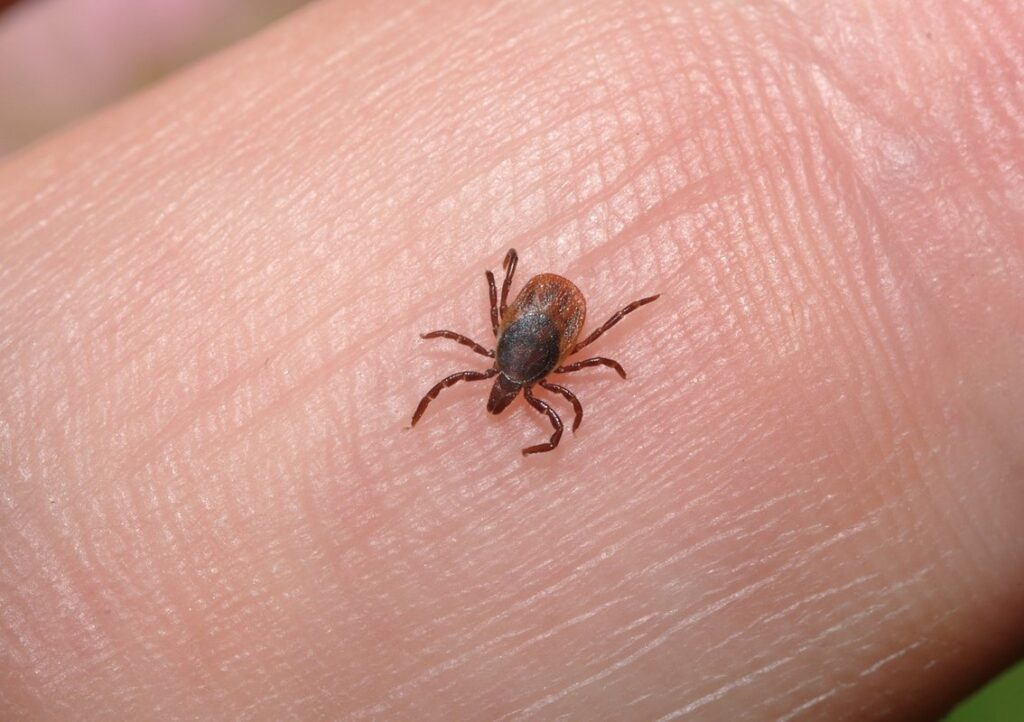
Understanding Poultry Lice Infestations
If you suspect a poultry lice infestation, it’s essential to understand the common signs and symptoms that indicate your flock is infected. This includes changes in behavior and appetite, as well as visible parasites on their feathers.
Causes and Transmission of Poultry Lice
Poultry lice infestations occur when chickens are exposed to these external parasites through various means. One of the primary causes is poor hygiene and sanitation within the coop. If chicken litter is not regularly cleaned, it can harbor lice eggs (nits) that hatch into live lice. Moreover, if chickens come into close contact with other birds infested with poultry lice, they can easily pick up the parasites.
Another contributing factor to the spread of poultry lice is the lack of proper ventilation in coops. When air quality is poor, it creates an ideal environment for lice to thrive. Similarly, stress caused by changes in weather, diet, or management practices can weaken a chicken’s immune system, making them more susceptible to lice infestations.
Factors like overcrowding and inadequate feeding habits also play a significant role in the spread of poultry lice. To prevent lice infestations, it’s essential to maintain a clean and well-ventilated coop, implement regular sanitation practices, and ensure chickens have access to a balanced diet and adequate space to roam.
Signs and Symptoms of Poultry Lice Infestation
A poultry lice infestation can be distressing for both you and your chickens. One of the most noticeable signs is excessive pecking behavior. Chickens with lice may become obsessed with removing the parasites from their feathers, leading to feather pecking and even cannibalism in severe cases.
As the infestation worsens, affected birds may display restlessness, pacing back and forth, or exhibiting abnormal behaviors such as feather plucking or excessive scratching. Weight loss can also occur due to the stress caused by the lice, which can lead to a weakened immune system making your chickens more susceptible to other diseases.
Keep an eye out for small, moving dots or a fine dusting on the chicken’s feathers and around their living area. If you notice any of these signs, it’s essential to take action promptly. Regularly inspecting your flock and providing clean and well-ventilated living conditions can help prevent infestations in the first place.
Types of Poultry Lice
There are several types of poultry lice that can infest your chickens, each with their own unique characteristics and challenges to treat. Let’s take a closer look at these common lice.
Description of Common Chicken Lice Species
There are several species of poultry lice that can infect chickens, each with unique physical characteristics and behaviors. The most common species is the chicken body louse (Menacanthus stramineus), which has a flat, elongated body and is usually found on the feathers and skin of infected birds. These lice are highly contagious and can be spread through direct contact between birds or by sharing equipment.
The chicken head louse (Pseudomenopon mixtum) is another common species that infests chickens. It has a more rounded body than the body louse and is typically found on the feathers and skin of the bird’s head, neck, and face. This species is known to be highly aggressive and can cause significant discomfort for infected birds.
It’s essential to recognize these characteristics when identifying an infestation, as prompt treatment is crucial in preventing further complications and ensuring the health and well-being of your flock. By understanding the physical differences between these species, you’ll be better equipped to identify the source of the problem and take effective action.
Differences Between Different Lice Species
There are several species of lice that can infest chickens, each with distinct features and habits. The most common types are the body louse (Menopon gallinae), the head louse (Colpocephalum turbinatum), and the chicken mite (Dermanyssus gallinae). Identifying the type of lice is crucial in developing an effective treatment plan.
The body louse is the most common species, typically found on the legs, wings, and belly of chickens. They are reddish-brown in color and about 2-3 mm long. Head lice, on the other hand, are usually found around the head and neck area, and are smaller than body lice (about 1-2 mm long). Chicken mites, also known as red mites, are much smaller (about 0.5 mm long) and have a distinctive reddish color.
To identify the type of lice, look for their preferred feeding areas: body lice tend to cluster around feathered areas, while head lice prefer clean skin. Chicken mites are often found in dark, humid places such as nesting boxes or under roosts. Understanding these differences will help you target specific treatment strategies for each species.
Treatment Options for Poultry Lice
When it comes to getting rid of poultry lice, there are several effective treatment options you can try at home to get your flock feeling comfortable again. These methods include medicated powders and sprays.
Chemical Treatments for Poultry Lice
When it comes to chemical treatments for poultry lice, there are several options available. One of the most common is permethrin, a synthetic pyrethroid that has been widely used to control external parasites in chickens. Permethrin works by disrupting the nervous system of the lice, ultimately leading to their death.
However, permethrin can be toxic if not used carefully, and repeated exposure can lead to the development of resistance in the lice population. Another chemical treatment option is deltamethrin, a similar synthetic pyrethroid that has been shown to be effective against poultry lice. However, its use requires caution due to potential risks to humans and the environment.
It’s also worth noting that some countries have restrictions on the use of certain chemical treatments for poultry lice. For example, in the European Union, only a few products are approved for this purpose. Always consult with a veterinarian or local authorities before using any chemical treatment to ensure you’re using a product that is safe and effective in your area.
If you do choose to use chemical treatments, always follow the instructions carefully and take necessary precautions to minimize exposure. It’s also essential to monitor the situation closely and adjust your treatment plan as needed.
Natural and Organic Treatment Methods
If you’re looking for non-chemical treatment methods to control poultry lice populations without harming the environment, there are several natural and organic options worth exploring. Diatomaceous earth is a popular choice among backyard chicken keepers. This powder is made from fossilized algae and works by dehydrating the lice, causing them to die off naturally. Sprinkle it on your chickens’ coops or dust it onto their feathers for effective results.
Herbal remedies are another natural way to control poultry lice. Certain plants like pennyroyal, lemongrass, and tea tree oil have been shown to repel or kill lice. Mix a few drops of these essential oils with water and spray them on your chickens’ coats or use them in a diffuser to create a lice-repelling environment.
When using natural remedies, it’s essential to be consistent and patient. Regularly treating your chickens with diatomaceous earth, herbal sprays, or essential oils can help maintain a healthy balance of the lice population. Be sure to choose high-quality products that are safe for use on poultry, and always follow the manufacturer’s instructions for application and dosage.
Prevention Strategies for Poultry Lice Infestation
To effectively manage poultry lice infestations, understanding prevention strategies is key. Here we’ll explore essential methods to safeguard your flock against these unwanted parasites.
Keeping Chickens Clean and Well-Maintained
Regular cleaning and disinfecting of chicken coops is essential to prevent re-infestation by poultry lice. These parasites can lay eggs on the coop’s surfaces, which hatch into nymphs that infest the chickens. To break this cycle, it’s crucial to maintain a clean environment.
Start by removing all bedding material, such as straw or pine shavings, and dispose of it properly. This will help eliminate any lice eggs or mites that may be present. Next, thoroughly scrub all surfaces with a disinfectant solution specifically designed for use in animal enclosures. Pay particular attention to areas around nesting boxes, roosts, and feeding troughs.
It’s also vital to clean your chickens regularly. Wash their feathers gently with a mild soap, focusing on areas where lice are most likely to congregate. A daily routine of monitoring for signs of lice infestation, such as excessive scratching or preening, can help catch issues early on. By following these simple steps, you can significantly reduce the risk of re-infestation and keep your flock healthy and thriving.
Biosecurity Measures Against Poultry Lice Spread
To prevent the spread of poultry lice between flocks, it’s crucial to implement effective biosecurity measures. Proper handling and storage of contaminated materials play a significant role in this process.
When dealing with infected birds or materials, make sure to wear protective clothing, including gloves and a face mask, to avoid direct contact with the parasites. Ensure that all equipment and tools are thoroughly cleaned and disinfected after use. This includes brooders, feeders, and waterers, as these can harbor lice eggs and adult lice.
Dispose of contaminated materials, such as bedding or manure, in sealed bags or containers to prevent lice from escaping. Regularly clean and disinfect the coop, removing any debris or fecal matter that may be hiding lice. Consider designating a “quarantine area” for new birds or equipment to isolate them before introducing them to the main flock.
Additionally, maintain a strict cleaning schedule for your coop, focusing on high-touch areas like feeders and waterers. This will help reduce the likelihood of lice transmission between birds and prevent the spread of infestation. By following these biosecurity measures, you can significantly minimize the risk of poultry lice spreading to other flocks.
Best Practices for Monitoring and Controlling Poultry Lice
Effective monitoring and control of poultry lice require regular checks, noting signs of infestation, and knowing when to take action against these pesky external parasites in your flock. Let’s dive into some essential best practices.
Regular Inspections and Record Keeping
Regular inspections are crucial to monitor the effectiveness of treatment methods and detect any signs of re-infestation early on. You should set aside time each week to check for lice on your chickens, paying close attention to areas where they tend to congregate, such as around the vent, wings, and neck.
When inspecting your birds, use a good light source and a magnifying glass or lice comb to get a thorough look. Remove any dead lice you find with the comb, taking note of the location and number of lice present. Keep accurate records of these findings, including dates, times, and notes on any treatments administered.
This record-keeping is vital in tracking progress and identifying areas for improvement. You can use a spreadsheet or dedicated app to log your inspections and treatment efforts, making it easier to analyze trends and make informed decisions about future control strategies.
Collaboration with Veterinarians or Poultry Experts
When dealing with a poultry lice infestation, it’s essential to seek professional guidance from veterinarians or experienced poultry experts. These individuals have the knowledge and expertise to provide you with tailored advice on managing and treating the infestation.
They can help you identify the type of lice you’re dealing with, as there are several species that affect chickens. A veterinarian or expert will also assess your flock’s overall health, including any underlying conditions that may be contributing to the infestation.
Additionally, a professional can provide you with recommendations on the most effective treatment options for your specific situation. This may include medications, changes to your coop environment, or parasite control measures. By working together, you’ll be able to develop a comprehensive plan to eradicate the lice and prevent future infestations.
Don’t hesitate to reach out to local poultry associations, extension offices, or online forums for recommendations on veterinarians or experts in your area who specialize in poultry health. With their guidance, you’ll be well-equipped to tackle the problem and get your flock back to optimal health.
Frequently Asked Questions
What are the best natural ingredients to use as a substitute for chemical treatments in poultry lice control?
When it comes to using natural ingredients, diatomaceous earth, neem oil, and tea tree oil are popular choices due to their efficacy against poultry lice. However, always ensure you follow proper application guidelines and safety precautions when using these alternatives.
Can I use the same treatment for both chickens and ducks if they share a coop?
While some treatments may be compatible with multiple bird species, it’s crucial to check the specific product label or consult a veterinarian to confirm. Some products designed for poultry lice control in chickens might not be suitable for ducks, so always err on the side of caution.
How often should I perform regular inspections and record-keeping for monitoring poultry lice infestations?
Regular inspections should ideally occur weekly during peak season (spring-fall), with daily checks during outbreaks or suspected infestations. Record-keeping is equally important to track treatment effectiveness, note changes in your flock’s behavior, and identify potential areas of improvement.
Can I treat individual chickens instead of the entire flock if some birds are more severely affected?
Yes. Isolating and treating individual birds can be an effective strategy for controlling poultry lice infestations. However, it’s essential to also address the underlying causes of the infestation, such as poor hygiene or inadequate coop ventilation.
How long does it typically take to see noticeable improvements in my flock’s health after starting treatment?
The timeframe for observing improvements varies depending on several factors, including the severity of the infestation and the chosen treatment method. Generally, you can expect to notice improvements within 7-14 days with effective treatment.