
If you’re considering adding a unique and versatile bird to your backyard flock, or if you’re an experienced poultry enthusiast looking to expand your knowledge, then learning about the Embden goose breed is definitely worth your time. This majestic breed has been a staple in Europe for centuries, prized for its distinctive appearance, impressive size, and exceptional egg-laying abilities.
In this comprehensive guide, we’ll delve into the fascinating history of the Embden goose, exploring its origins and how it earned its reputation as one of the world’s most beloved breeds. We’ll also discuss its temperament, providing insights on whether it makes a great addition to your family or not. Additionally, you’ll learn about the breed’s health, egg production, and what to expect when showing an Embden goose in competition. Whether you’re a seasoned breeder or just starting out, this article will provide you with all the essential information you need to get started with the Embden goose breed.
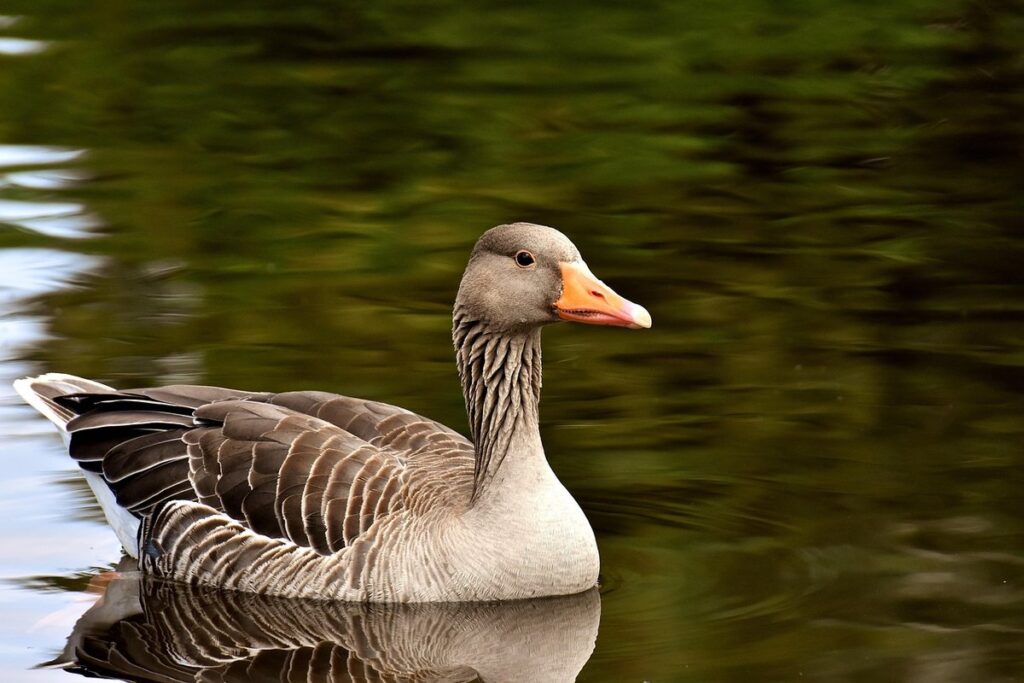
History and Origin of the Embden Goose
Let’s delve into the fascinating history of the Embden goose, a breed with roots dating back to medieval Europe where they were highly prized for their meat and eggs.
Early Beginnings
The Embden goose breed has its roots in Europe, specifically in Germany and surrounding regions. Its history dates back to the 19th century when it was developed as a hybrid of various local geese breeds. The primary purpose of creating this breed was for egg production, but over time, it also gained recognition for its meat quality.
Initially, Embden geese were primarily kept on farms in Germany and other European countries. However, due to their adaptability and hardiness, they soon spread to other parts of the world, including North America. In the United States, they became a popular choice among farmers and backyard enthusiasts alike.
One notable factor that contributed to the Embden goose’s widespread adoption was its impressive egg-laying capacity. On average, an Embden goose can produce around 200-250 eggs per year, making it one of the most prolific layers in the world. This trait alone made it a sought-after breed among poultry enthusiasts and farmers looking for a reliable source of income from egg sales.
In addition to its impressive egg-laying abilities, the Embden goose is also known for its robust constitution and ability to withstand harsh weather conditions. These traits have allowed it to thrive in various environments around the globe, solidifying its position as one of the most popular and enduring goose breeds worldwide.
Breed Development
The Embden goose breed as we know it today is a result of a selective breeding process that spans centuries. In the early 17th century, German farmers sought to create a goose breed that excelled in both meat production and egg-laying capabilities. To achieve this, they crossed local breeds with other European geese, such as the Toulouse and the Ancona.
This cross-breeding process led to the development of a robust and hardy bird with impressive growth rates and high fertility rates. The resulting Embden goose was larger than its predecessors, with males reaching up to 20 pounds in weight and females producing an average of 50 eggs per year.
The selective breeding continued over the centuries, with breeders focusing on improving the bird’s temperament, reducing aggression, and enhancing its overall appearance. By the mid-19th century, the Embden goose had become a popular choice among European farmers due to its exceptional meat quality, impressive size, and high fertility rates. Today, the breed remains a favorite among waterfowl enthusiasts worldwide for its gentle nature and outstanding productivity.
Physical Characteristics and Appearance
When it comes to identifying Embden geese, several physical characteristics and distinct appearances set them apart from other breeds. Let’s take a closer look at these key features.
Body Type and Size
The Embden goose breed is known for its distinctive physical characteristics, particularly when it comes to body type and size. On average, Embden geese are medium-sized birds that typically weigh between 8-12 pounds (3.6-5.4 kg). Males tend to be slightly larger than females, but the weight range remains relatively consistent across both sexes.
In terms of body length, Embden geese usually measure around 24-28 inches (61-71 cm) from head to tail. Their broad chests and well-developed legs make them appear sturdy and compact, which is a notable feature of this breed. When it comes to height, they typically stand between 18-22 inches (46-56 cm) tall.
One key aspect to consider when owning an Embden goose is their size in comparison to their living space. They require sufficient room to move around comfortably, so owners should ensure they have adequate yard space or enclosures to accommodate these birds. A general rule of thumb is to provide at least 2-4 square feet (0.2-0.4 sq meters) of floor space per bird.
Plumage and Feathers
The Embden goose is known for its stunning plumage, which sets it apart from other breeds. One of the distinctive features of the Embden’s feathers is their length. They have a medium to long feather length, which makes them look elegant and refined.
In terms of color patterns, Embdens come in several varieties, including white, grey, and buff. The most common colors are a combination of these three, often with a subtle sheen that catches the light. For example, a typical Embden will have a white body, dark grey or black wings and tail feathers, and a buff-colored head and neck.
When it comes to maintaining their beautiful plumage, owners should note that Embdens require regular cleaning and maintenance. Daily checks for loose feathers, dirt, and debris are essential to prevent any issues. Additionally, providing a balanced diet rich in omega-3 fatty acids will promote healthy feather growth and shine. Regular grooming sessions with your Embden will also help keep their plumage looking its best.
Overall, the Embden’s striking appearance is one of its most appealing characteristics, and with proper care, it can be enjoyed for years to come.
Temperament and Personality Traits
When it comes to understanding the unique qualities of the Embden goose, their temperament and personality traits are just as fascinating as their appearance. In this section, we’ll delve into what makes them tick.
Friendly Nature
The Embden goose is renowned for its exceptionally friendly and docile nature, making them an excellent choice for family farms or small acreages. They are social birds that thrive on interaction with their human caregivers and other geese, which is why they are often used as guard animals to watch over the property.
One of the most notable characteristics of Embden geese is their ability to form close bonds with people. With proper handling and care, they can become quite tame and even affectionate, enjoying attention from family members and children alike. This trait makes them an excellent addition to a farm or homestead where interaction and socialization are essential for animal well-being.
When introducing Embden geese to your property, it’s essential to establish a strong bond with them through regular handling and interaction. Spend time with the birds, feed them by hand, and engage in play to help build trust and create a sense of connection. With patience and consistency, you’ll find that these friendly geese become loyal companions and valuable assets to your farm or small acreage.
Social Requirements
When it comes to Embden geese, their social requirements are just as important as their physical needs. These birds thrive in flocks and require regular interaction with other geese to maintain their mental and emotional well-being.
In the wild, Embdens live in large groups, often numbering hundreds of individuals. They have a strong instinct to follow a dominant bird, known as the “alpha goose,” which helps them navigate their environment and protect themselves from predators. While it’s not possible to replicate this exact scenario in a backyard setting, you can still meet your Embden’s social needs by introducing them to other geese.
If you’re planning to keep multiple geese, make sure they are introduced gradually to prevent stress and fighting. Start with two birds and introduce new individuals one at a time, allowing the flock to adjust to the new addition. With proper introduction and supervision, your Embdens will form close bonds and become inseparable companions. In fact, many owners report that their geese become so attached to each other that they even exhibit behaviors like cuddling and grooming!
Health Considerations and Care
When caring for your Embden goose, it’s essential to consider their specific health needs to ensure a long and happy life. Regular veterinary check-ups and proper nutrition are crucial for maintaining optimal health.
Common Health Issues
The Embden goose breed is known for its robust health and impressive size. However, like all breeds, it’s not immune to certain health issues that can affect its overall well-being.
One of the most common health concerns affecting Embden geese is respiratory problems. This is often due to their large build-up of fat in the neck area, which can cause breathing difficulties. To mitigate this issue, owners should monitor their geese’s diet and ensure they get regular exercise to maintain a healthy weight.
Another significant concern for Embden geese is obesity. Feeding them too much food, especially grains and other high-calorie feeds, can lead to excessive weight gain. This can result in mobility issues and increase the risk of various health problems.
To avoid these issues, it’s essential to provide your Embden geese with a balanced diet and regular exercise. Limiting their intake of high-calorie foods and incorporating plenty of fruits, vegetables, and grasses into their meals will help maintain a healthy weight.
Nutrition and Diet
When it comes to feeding Embden geese, providing a balanced diet is crucial for their overall health and well-being. A mix of high-quality commercial goose feed, supplemented with fruits, vegetables, and grains, will help ensure they receive all the necessary nutrients.
A good starting point is to provide 1-2 cups of commercial goose feed per bird per day, which should be divided into two to three meals. Supplement this with fresh veggies like leafy greens, carrots, and sweet potatoes, as well as fruits like apples and berries. It’s also essential to provide access to clean water at all times.
In addition to these basics, you can consider adding supplements like calcium or oyster shell grit to support strong bone growth. However, be sure to consult with a veterinarian before making any changes to their diet. A balanced and varied diet will not only keep your Embden geese healthy but also help them thrive in their new home.
Egg Production and Reproduction
When it comes to raising Embden geese, understanding their egg production and reproduction habits is crucial for successful breeding. Let’s dive into how these factors impact your flock’s overall health and productivity.
Fertility Rates
Fertility rates in Embden geese are generally high, with an average clutch size of 8-12 eggs. However, several factors can influence their reproductive success. One key factor is nutrition, as Embden geese require a balanced diet rich in protein and energy to support egg production and fertility.
A lack of nutrients or inadequate access to food can lead to reduced fertility rates, so it’s essential to provide them with high-quality feed and ensure they have access to clean water at all times. Breeding season itself is another critical factor, as Embden geese typically breed in the spring when daylight hours are increasing.
Proper breeding management practices also play a significant role in maintaining fertility rates. For instance, introducing ganders (male geese) too early or late can disrupt the natural breeding cycle and lead to reduced fertility. It’s crucial to monitor breeding behavior and adjust breeding schedules accordingly to optimize reproductive success.
In addition, Embden geese are susceptible to certain health issues that can impact fertility, such as respiratory problems caused by harsh weather conditions. Regular health checks and vaccinations can help mitigate these risks.
Broodiness and Incubation
Embdens are known to be excellent mothers and have a strong instinct to incubate eggs. However, their broodiness can sometimes become a challenge for breeders who want to prioritize egg production over raising goslings. So, how do you encourage or discourage broodiness in Embden geese?
Firstly, it’s essential to understand that Embdens are naturally prone to broodiness due to their breeding history and genetic makeup. To discourage broodiness, you can try separating the female from the male after egg-laying is complete, or introduce a new gander (male) to distract her attention. Another approach is to provide plenty of mental stimulation through activities like foraging, exercise, and social interaction.
On the other hand, if you want to encourage broodiness in your Embden geese, you can try mimicking natural conditions by providing a safe, warm, and comfortable nesting area with adequate bedding material. You should also remove any stressors, such as loud noises or predators, from their surroundings to promote a calm environment conducive to broodiness. Some breeders even introduce dummy eggs or foster goslings to stimulate the mother’s nurturing instincts.
It’s worth noting that Embdens can go off-lay if not bred regularly, so if you don’t want them to become too broody, it’s essential to plan for regular breeding cycles.
Showing and Breeding Embden Geese
If you’re interested in raising Embdens for breeding purposes, this section will walk you through the process of showing and breeding these amazing birds. We’ll cover the essential steps to get started.
Breed Standards
When showing Embden geese, adherence to strict breed standards is crucial. These standards ensure that the birds displayed are true representatives of the breed and its characteristics. To begin with, size plays a significant role. Embden geese should ideally weigh between 2-4 kg (4.4-8.8 lbs) for males and 1.5-3 kg (3.3-6.6 lbs) for females.
In terms of plumage, the feathers should be a solid white with no other colors present. The sheen on the feathers must be glossy and even. A straight or slightly concave beak is also essential, as it contributes to the bird’s overall appearance. Temperament-wise, Embden geese are known for their calm nature but can be wary of strangers.
At shows, judges will scrutinize every aspect of the birds’ physical characteristics, so careful attention must be paid to these standards. To prepare your Embden goslings for showing, start by monitoring their growth and development closely. Provide regular veterinary check-ups and ensure they receive a balanced diet that supports healthy growth.
Judges also look for specific conformational features such as the tail feathers being carried upright or slightly drooped at an angle of about 45 degrees.
Breeding Programs
Breeding programs play a crucial role in preserving and improving the Embden goose breed. These programs focus on maintaining the breed’s unique characteristics while addressing potential health issues and genetic diversity.
Many breeders participate in national and international breeding programs, such as those sponsored by the American Bantam Beekeeper Association (ABBA) or the Waterfowl Breeder’s Network (WBN). These organizations provide a framework for breeders to work together, share knowledge, and promote best practices.
When participating in a breeding program, it’s essential to prioritize genetic diversity. This can be achieved by incorporating geese from other reputable breeders or through selective breeding within your own flock. For example, a breeder may aim to increase the proportion of homozygous (two copies) genes for desirable traits like feather quality or egg-laying ability.
By participating in breeding programs and prioritizing genetic diversity, Embden goose breeders can help ensure the long-term health and vitality of the breed. This not only benefits existing flocks but also contributes to the preservation of this beloved waterfowl species for future generations.
Frequently Asked Questions
Can I raise an Embden goose as a pet without prior experience with poultry?
Raising an Embden goose can be a rewarding experience, but it does require some knowledge of poultry care. If you’re new to raising birds, consider starting with a smaller flock and doing plenty of research on their specific needs before bringing home your first Embden goose.
How do I ensure the health of my Embden geese in harsh winter conditions?
Embdens are cold-hardy birds, but they still require proper care during extreme weather. Provide them with adequate shelter, insulation, and a reliable food source to keep them healthy throughout the winter months. You may also consider supplementing their diet with extra nutrients to help them cope with the cold.
Can I breed Embden geese with other breeds to create hybrids?
While it’s technically possible to crossbreed Embden geese with other breeds, doing so can have unpredictable results and may compromise the quality of your birds. If you’re interested in breeding or showing Embden geese, it’s recommended that you stick with purebred stock from reputable breeders.
How long does it take for an Embden goose to mature and start laying eggs?
Embdens typically reach full maturity at around 12-18 months of age, although their egg-laying abilities may not peak until they’re a bit older. Factors like nutrition, health, and genetics can influence individual birds’ development rates, so be sure to monitor your flock closely.
Can I keep Embden geese in small backyards or urban areas?
While Embdens are generally adaptable birds, they do require some space to roam and exercise. If you have a very small backyard or live in an urban area with limited space, consider keeping a smaller flock or selecting breeds that are more compact in size. However, keep in mind that Embden geese are social animals and need regular interaction and exercise to stay happy and healthy.