
Are you considering adding some feathered friends to your farm or backyard, but not sure where to start with African geese? Or perhaps you’re already an experienced goose owner looking for expert advice on breeding and caring for these magnificent birds. Either way, this article is here to guide you through the fascinating world of African goose breed information.
African geese are known for their striking appearance, friendly personalities, and impressive egg-laying capabilities, making them a popular choice among backyard farmers and pet owners alike. However, with so many breeds to choose from, it can be overwhelming to decide which one is right for you. In this article, we’ll delve into the essential requirements for raising happy and healthy African geese, including breed-specific characteristics, care tips, and more. Whether you’re looking to add some new feathered friends to your family or simply want to learn more about these amazing birds, keep reading to discover everything you need to know.
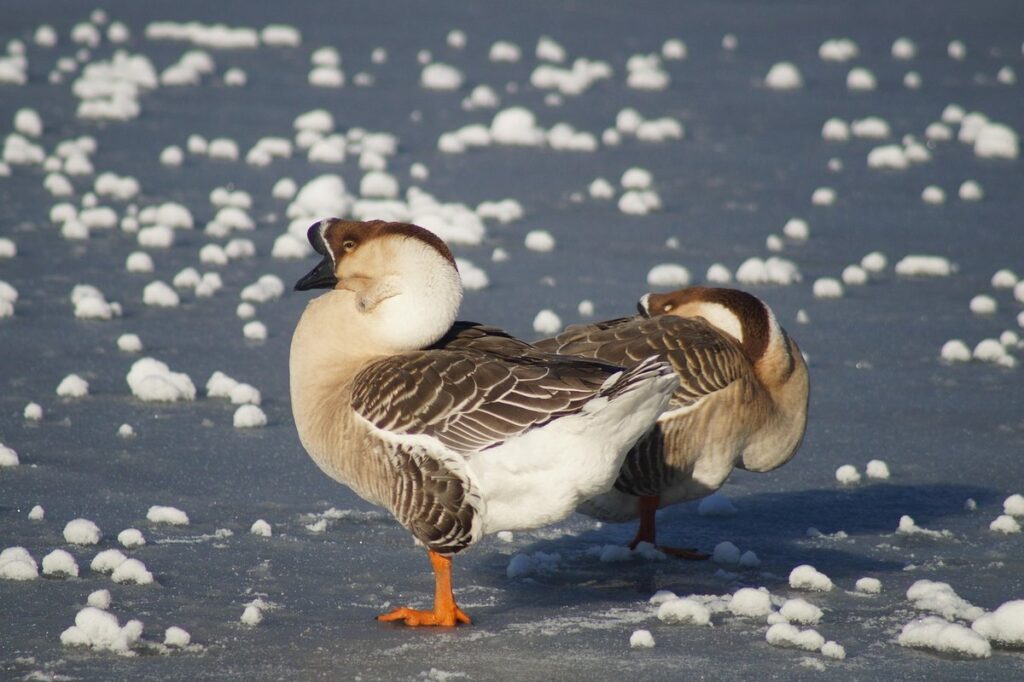
Introduction to African Geese
African geese are a beloved and iconic breed, known for their striking appearance and charming personalities. In this next section, we’ll dive deeper into what makes them so special.
Brief History of African Geese
African geese have a rich and fascinating history that dates back thousands of years. Originating from Africa, these birds were first domesticated by the ancient Egyptians around 1500 BCE. The Egyptians prized African geese for their unique characteristics, including their distinctive calls, striking appearance, and ability to protect their territory.
As Egyptian civilization flourished, African geese spread throughout the Mediterranean region through trade and cultural exchange. They were highly valued not only as a food source but also for their eggs, which were considered a delicacy. The Roman Empire later adopted African geese as a popular breed, selectively breeding them for desirable traits such as size, temperament, and feather quality.
Today, African geese remain a popular choice among poultry enthusiasts worldwide. Their robust build, impressive honking calls, and striking colors have made them a staple in many backyard flocks. Whether you’re an experienced breeder or just starting out with your first flock, understanding the history of African geese can help you appreciate their unique characteristics and make informed decisions about caring for these remarkable birds.
Origins and Adaptation
The origins of African geese can be traced back to the savannas and grasslands of sub-Saharan Africa. These birds were initially found in countries such as South Africa, Namibia, and Botswana. Over time, they adapted to various climates and environments, including deserts, wetlands, and even urban areas. This adaptability is a testament to their resilience and resourcefulness.
In the wild, African geese are able to thrive in diverse conditions due to their ability to adjust their behavior and physiology accordingly. For example, during periods of drought, they may migrate to areas with more abundant water sources or alter their foraging habits to conserve energy. In contrast, when faced with harsh weather conditions such as extreme heat or cold, they will often seek shelter in groups.
Domesticated African geese have also shown remarkable adaptability, adjusting well to various living situations and climates. However, this flexibility is not limited to geography alone; it’s also evident in their ability to form strong bonds with humans and other animals.
Physical Characteristics of African Geese
African geese are known for their striking physical characteristics, which can vary slightly depending on the specific breed you’re working with. Let’s take a closer look at what makes each one unique.
Size and Weight Variations
When it comes to African geese, you’ll find that there’s a considerable variation in size and weight among different breeds. This can be attributed to factors such as genetic diversity, diet, and purpose of breeding. Some popular African goose breeds like the African Asha have a more compact build and weigh around 2-3 pounds (0.9-1.4 kg), while others like the Egyptian Geese are larger in size and can tip the scales at up to 6-8 pounds (2.7-3.6 kg).
In general, you can expect African geese to range from small, about 16 inches tall, to medium-sized birds reaching heights of around 20-24 inches (51-61 cm). The weight variation is also quite substantial, with some breeds weighing as little as 1 pound (0.45 kg) and others topping the scales at over 10 pounds (4.5 kg).
Notable breed characteristics include the Toulouse Geese, known for their impressive size and weight of up to 12-14 pounds (5.4-6.3 kg), while the Embden Geese are smaller in stature but pack a punch with weights of around 8-10 pounds (3.6-4.5 kg).
Feather Color and Patterns
African geese are renowned for their stunning plumage, which comes in an incredible range of colors and patterns. While they may not be as flashy as some other waterfowl species, the subtle nuances of their feathers are truly unique. When it comes to feather color and patterns, African geese can display a remarkable diversity.
Some breeds, like the Egyptian Goose, showcase vibrant greens, blues, and yellows, while others, such as the Cape Goose, have more subdued tones of brown and gray. But what’s even more fascinating is the array of rare and unique combinations found in certain individuals. For instance, some African geese may exhibit striking white or cream-colored feathers on their faces, breasts, or bellies, which can add a touch of elegance to an otherwise muted plumage.
Interestingly, research has shown that feather coloration and patterning are influenced by both genetics and environmental factors, such as diet and climate. This means that even within the same breed, you may encounter geese with distinctively different feathers. So, whether you’re looking to bring home a majestic showstopper or a low-maintenance companion, understanding the intricacies of feather color and patterns can help you make an informed decision about which African goose is right for you.
Temperament and Behavior of African Geese
When it comes to bringing home an African goose, understanding their temperament and behavior is crucial for a harmonious household. Let’s dive into what makes these birds tick.
Social Structure and Flocking
African geese are highly social birds that thrive on interaction and companionship. They form close bonds with other geese, often developing a pecking order within their flock. This social structure is essential to understand if you’re considering adding African geese to your family or farm.
In the wild, African geese live in large flocks, usually led by an older, more experienced goose. Within these groups, they establish a hierarchy with dominant and subordinate birds. Dominant geese take on leadership roles, while subordinates follow their lead and learn from them. This social learning is crucial for young geese, as it helps them develop important survival skills.
When introducing African geese to your property, it’s essential to provide them with companionship to prevent boredom, stress, and other behavioral issues. You can do this by getting a pair or group of African geese, ensuring they have enough space to roam and exercise. By understanding their social structure and needs, you’ll create a happy and healthy environment for your feathered friends.
Noise Levels and Communication
African geese are renowned for their vocal nature, and as any owner will attest, they can be quite loud. Their ability to produce a wide range of sounds is a key aspect of their communication with each other. They use distinct calls to convey different messages, from warning others of potential predators to signaling the location of food.
In fact, research suggests that African geese are capable of producing over 20 different vocalizations, including honks, whistles, and grunts. These sounds can be loud enough to shatter glass and have even been known to disturb neighbors in residential areas. To mitigate this issue, it’s essential for owners to provide a suitable environment for their birds.
If you’re considering bringing an African goose into your family, make sure you’re prepared for the noise level. Here are some tips:
* Provide a spacious enclosure with adequate ventilation
* Install sound-dampening materials in nearby rooms or areas
* Consider earplugs or earmuffs if you live in close proximity to your neighbors
Breeding and Rearing African Geese
When it comes to raising African geese, understanding their breeding and rearing needs is crucial for success. In this next part of our guide, we’ll walk you through these essential steps.
Choosing the Right Breed for You
When it comes to choosing the right African goose breed for you, there are several factors to consider. First and foremost, think about your purpose for keeping geese. Are you looking for a pet that will provide companionship, or do you want birds that can help with pest control on your farm? Different breeds excel in different areas.
Some popular African goose breeds include the Embden, Toulouse, and Chinese breeds. Each has its own unique characteristics, such as feather color, size, and temperament. For example, the Embden is a large breed known for its white feathers and gentle nature, making it an excellent choice for families with children. On the other hand, the Chinese breed is smaller in size but highly energetic and alert, making them ideal for guarding properties.
Consider your living situation as well. If you have limited space, a smaller breed like the Chinese or Sebastopol may be more suitable. However, if you have ample land, a larger breed like the Embden can thrive in open spaces. Ultimately, research different breeds to find one that aligns with your lifestyle and needs. By choosing the right breed for you, you’ll set yourself up for success in raising happy and healthy African geese.
Housing and Environmental Requirements
When it comes to breeding and rearing African geese, providing them with suitable housing is crucial for their health, well-being, and productivity. A safe and comfortable enclosure will help ensure the birds’ safety from predators and allow for proper ventilation.
The minimum recommended space for an adult African goose is 2 square meters (22 square feet) per bird. However, a larger enclosure of at least 4-5 square meters (43-54 square feet) per bird is more ideal to accommodate their natural behavior and movement. The enclosure should also be well-ventilated to prevent ammonia buildup from their droppings.
Protection from predators is another vital consideration when housing African geese. A sturdy fence or netting around the perimeter of the enclosure will help keep birds of prey, such as hawks and owls, out. Consider adding a roof or overhead cover to shield the geese from extreme weather conditions like rain and direct sunlight.
Regularly inspecting the enclosure for any signs of damage or wear is essential to maintaining a safe environment for your African geese.
Health Considerations for African Geese
When it comes to owning an African goose, understanding their health needs is crucial. This section will delve into the unique medical considerations and requirements of these fascinating waterfowl.
Common Health Issues and Prevention
As responsible owners of African geese, it’s essential to be aware of common health issues that can affect these magnificent birds. Respiratory problems are one such issue, often caused by cold stress, drafts, or damp environments. This is particularly true for young goslings or older geese who may struggle to regulate their body temperature.
Another prevalent concern is the presence of internal and external parasites, such as worms, lice, and mites. These pesky critters can cause significant discomfort, weight loss, and even death if left untreated. Regular deworming and mite treatment, typically done every 2-3 months, can help keep these problems under control.
To prevent respiratory issues, ensure your geese have a draft-free coop with adequate ventilation and insulation. You should also provide a balanced diet rich in nutrients to support their immune system. Monitor your birds’ health closely, keeping an eye out for signs of illness or stress. Early detection is key to successful treatment.
Nutrition and Diet Requirements
When it comes to providing optimal care for African geese, their nutrition and diet requirements should not be taken lightly. These birds have specific dietary needs that must be met to ensure they remain healthy and thrive.
African geese are herbivores, which means they require a diet rich in fiber and low in protein. A good starting point is to provide them with high-quality grass hay as the main staple of their diet. This can include timothy hay or alfalfa hay, but avoid giving them too much alfalfa as it’s high in calcium.
In addition to hay, African geese also need access to fresh water at all times and a variety of fruits and vegetables daily. Leafy greens like kale and spinach are great options, as well as berries such as strawberries and blueberries. However, make sure to introduce new foods gradually to prevent digestive issues.
Consider adding supplements to their diet, especially during molting season or if they’re not getting enough nutrients from their regular food. You can add a small amount of commercial goose feed or pellets to their diet, but always follow the manufacturer’s instructions for the right amount to give them.
By following these dietary guidelines and making sure your African geese have access to fresh water and variety in their diet, you’ll be well on your way to keeping them healthy and happy.
Conclusion: Why Choose an African Goose?
So, you’ve learned all about the unique characteristics and needs of African geese breeds. Now, let’s discuss why choosing one might be the perfect fit for your family.
Benefits of Raising an African Goose
Raising an African goose can be a wonderfully rewarding experience for both experienced and novice poultry keepers. One of the primary benefits is their impressive egg-laying capacity. A mature African goose can produce around 100-120 large, white eggs per year, making them an excellent choice for small-scale commercial operations or backyard flocks.
Another advantage of keeping African geese is their high-quality feathers. Their soft, fluffy plumage can be harvested and sold as a valuable commodity. Many breeders also appreciate the geese’s gentle nature, which makes them suitable as pets for families with children or individuals living in urban areas.
In addition to these benefits, African geese are relatively low-maintenance birds that require less space than other large waterfowl species. They can thrive on pasture-based systems and are well-suited to small farms or homesteads. Overall, incorporating an African goose into your flock can provide a unique combination of eggs, feathers, and companionship.
Final Thoughts on Caring for Your New Feathered Friend
As you welcome your new African goose into your family, it’s essential to remember that proper care and attention are crucial for their well-being. With their unique personalities and high energy levels, these birds require a dedicated owner who can provide them with the necessary space, nutrition, and love.
To ensure your feathered friend stays happy and healthy, establish a routine that includes regular exercise, a balanced diet, and plenty of social interaction. Spend time with your goose daily, engaging in activities like walking, swimming, or simply playing in their enclosure. This will not only keep them physically active but also strengthen the bond between you and your bird.
Don’t underestimate the importance of providing mental stimulation for your African goose. Offer a variety of toys and puzzles to keep their minds engaged, and consider enrolling them in training classes to help with socialization and obedience. With patience, love, and proper care, your new feathered friend will thrive under your care, bringing joy and companionship to your life for years to come.
As you navigate the journey of caring for your African goose, remember that their needs may change over time. Stay informed, adapt to their requirements, and always prioritize their well-being.
Frequently Asked Questions
Can I raise African geese in a small backyard with limited space?
Yes, with proper planning and housing, it’s possible to raise African geese in a small backyard. Consider a secure enclosure that provides enough room for your geese to move around, exercise, and engage in natural behaviors. Ensure adequate shelter from extreme weather conditions, predators, and potential escape routes.
What are some common health issues to watch out for in African geese?
Common health issues in African geese include respiratory problems, parasites, and diseases like avian cholera and blackhead. Regular monitoring of your flock’s behavior, appetite, and droppings can help identify potential health issues early on. Consult with a veterinarian experienced in caring for waterfowl to develop a preventative care plan.
How often should I clean the living area of my African geese?
African geese produce a significant amount of manure, so it’s essential to maintain a clean living environment. Remove soiled bedding material and clean feeding and watering equipment daily. Disinfect surfaces with a 10% bleach solution or an eco-friendly alternative at least once a week.
Can I keep African geese in a community with noise restrictions?
Yes, but consider the specific breed’s noise level before choosing to raise them in a community with noise restrictions. Some African goose breeds are naturally quieter than others. Research and select a breed that fits your local regulations, or take steps to minimize noise through proper housing design, soundproofing, and training.
What is the ideal ratio of male-to-female African geese for breeding?
A balanced sex ratio can help maintain social harmony within your flock. For small-scale breeding operations, it’s recommended to have at least two females per one male to encourage natural behavior and prevent dominance issues. As your operation grows, adjust the ratio accordingly to meet the needs of your flock.