
Raising guinea fowl keets can be an incredibly rewarding experience, but it requires careful attention to their unique needs. These adorable birds are more than just a pretty face – they demand specialized care and housing to thrive. If you’re considering bringing home your very own guinea fowl keets, it’s essential to get started on the right foot. A well-planned approach to caring for these feathered friends will ensure they grow into happy, healthy adults. In this comprehensive guide, we’ll delve into the ins and outs of raising guinea fowl keets, covering everything from housing and nutrition to health checks and socialization. Whether you’re a seasoned bird enthusiast or just starting out, our expert tips will help you raise your new feathered friends with confidence and success.
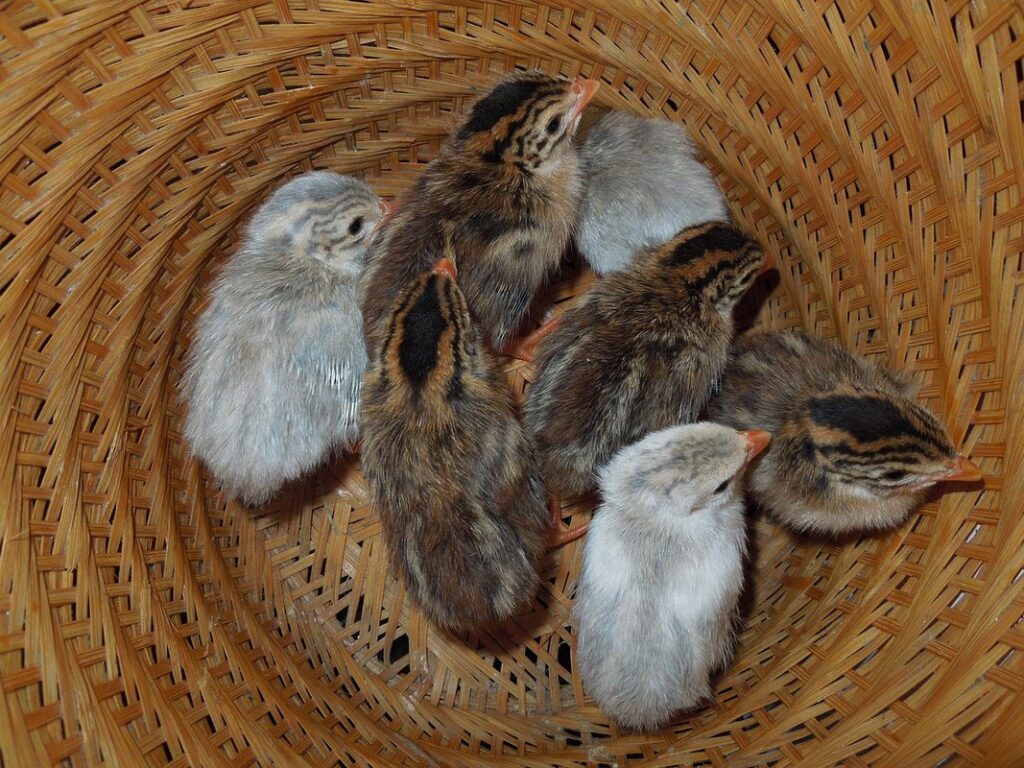
Understanding Guinea Fowl Keets
When it comes to raising guinea fowl keets, understanding their behavior and needs is crucial for a successful start. This section will cover the essential traits of keets, helping you prepare for their arrival on your farm.
Introduction to Guinea Fowl Keets
Guinea fowl keets are young guinea fowl that have recently hatched from eggs. They are typically 3-5 days old when they start to venture out of the nesting box and into the main coop or enclosure. At this stage, they are completely dependent on their mother for food, warmth, and protection.
One of the most appealing aspects of guinea fowl keets is their unique characteristics. They have a distinctive appearance, with fluffy feathers and comical antics that will capture your heart. Keets are also incredibly social creatures, forming close bonds with each other and their human caregivers. This social aspect makes them perfect for backyard flocks or families who want to raise these birds.
Raising guinea fowl keets offers numerous benefits. They provide a steady supply of fresh eggs, meat, and entertainment. Additionally, they are low-maintenance compared to other poultry options, requiring less space and care. With proper handling and socialization, guinea fowl keets can become friendly and approachable birds that will add to your farm’s ecosystem.
If you’re considering raising guinea fowl keets, it’s essential to choose a reputable breeder who has experience with these birds. Look for breeders who offer healthy, well-socialized keets that are adapted to your climate and living conditions. With the right guidance and care, your guinea fowl keets will grow into happy, thriving adults that bring joy and benefits to your family.
Types of Guinea Fowl
There are over 20 breeds of guinea fowl, each with its unique characteristics and traits. For beginners, it’s essential to understand the differences between these breeds to make informed decisions when raising guinea fowl keets.
One popular breed is the Pearl Guinea Fowl, known for its striking white plumage and friendly temperament. They are excellent foragers and can thrive in free-range settings with minimal supervision. The Royal Purple Guinea Fowl, on the other hand, boasts a stunning iridescent sheen to their feathers and are highly social birds.
The Chocolate and Lavender Guinea Fowls are also popular choices, offering unique coloration and energetic personalities. However, they do require more attention and can be prone to noise pollution if not properly managed. It’s crucial to research the specific needs of each breed before deciding which one suits your lifestyle and farm setup.
When selecting a guinea fowl breed, consider factors such as noise tolerance, foraging ability, and social requirements. By understanding these differences, you’ll be better equipped to provide the best possible care for your guinea fowl keets, setting them up for success in their new environment.
Choosing Healthy Keets
When selecting healthy keets, it’s essential to look for signs of good health and be aware of potential red flags. A healthy keet should have a shiny, smooth coat, bright eyes, and a alert demeanor. Check for any visible signs of injury or disease, such as missing feathers, wounds, or discharge from the nostrils.
Look for keets that are active and playful, with a strong pecking and scratching behavior. Avoid keets that appear lethargic, huddled together, or seem to be struggling to breathe. It’s also crucial to check the keet’s weight, as underweight or overweight keets can be a sign of underlying health issues.
Some other important factors to consider when choosing healthy keets include their overall movement and flexibility. A healthy keet should be able to walk, run, and fly (if applicable) with ease. Be wary of keets that appear stiff or have difficulty moving around.
When selecting a breeder or supplier, make sure they are reputable and provide a health guarantee for the keets. Ask about their vaccination protocols and disease testing procedures to ensure you’re getting healthy, robust keets.
Housing and Environment for Keets
When it comes to housing and environment for your keets, providing a safe and suitable space is crucial for their growth and development. This section will help you create the perfect conditions for raising healthy and happy guinea fowl keets.
Providing Suitable Enclosures
When it comes to raising guinea fowl keets, providing suitable enclosures is crucial for their growth and development. A minimum of 2 square feet of space per keet is recommended, but ideally, you should aim for around 4-5 square feet to give them room to roam and exercise.
To create a safe environment, ensure the enclosure has sturdy walls that can withstand flapping wings and scratching beaks. A solid bottom or wire mesh flooring at least 2 inches apart will prevent leg injuries and allow droppings to fall through. Consider adding a covering of wood shavings or straw to absorb moisture and provide insulation.
When choosing an enclosure, consider the climate and weather conditions in your area. For hot climates, a shaded area with adequate ventilation is essential. In colder regions, ensure the enclosure can withstand wind and rain. You can also add perches and nesting boxes to create a comfortable living space for your keets. By providing suitable enclosures, you’ll be giving your guinea fowl keets the best chance at a happy and healthy life.
Bedding and Nesting Materials
When it comes to providing a safe and healthy environment for your guinea fowl keets, choosing the right bedding and nesting materials is crucial. These young birds require a clean and dry place to rest, eat, and exercise, which can be achieved by selecting suitable bedding materials.
For bedding, you can opt for wood shavings or straw as they are inexpensive and absorbent. However, it’s essential to avoid using pine or cedar shavings, as their oils can be toxic to guinea fowl keets. Another option is using grass mats or rubber matting, which provide a comfortable surface for the keets to move around on.
Nesting materials should be provided in a quiet and secluded area of your coop or run. You can use a nesting box specifically designed for birds or create one using a wooden box with a sloping roof. Add some soft materials like dry grasses, hay, or even shredded newspaper to make it cozy. It’s also essential to ensure the nesting area is dry and well-ventilated to prevent ammonia buildup.
Remember, changing the bedding regularly will help maintain a clean environment and prevent health issues in your keets. A good rule of thumb is to change it every week or two, depending on the number of birds and their activity level.
Ventilation and Lighting Requirements
Proper ventilation and lighting are crucial aspects of creating a suitable environment for guinea fowl keets. These young birds need fresh air to breathe and adequate light to see, which is essential for their overall health and well-being.
Ventilation plays a vital role in preventing respiratory issues, ammonia buildup from waste, and maintaining a comfortable temperature within the enclosure. A good rule of thumb is to ensure that there is at least one square foot of ventilation space per keet. You can achieve this by installing windows, vents, or using mesh screens on walls and ceilings.
In terms of lighting, guinea fowl keets require 14-16 hours of light exposure daily. Natural sunlight is ideal, but if you’re raising your keets indoors, consider using LED grow lights. Place the lights at a height that prevents overheating and ensure they are positioned to minimize glare.
By prioritizing proper ventilation and lighting, you’ll create an environment that promotes healthy growth and development in your guinea fowl keets.
Nutrition and Feeding Guidelines
When it comes to raising healthy guinea fowl keets, proper nutrition is crucial for their growth and development. This section will cover essential feeding guidelines to ensure your keets thrive from hatch to maturity.
Keet Starter Diet
When it comes to feeding guinea fowl keets, providing a balanced and nutrient-rich diet is crucial for their growth and development. A starter diet specifically formulated for young poultry birds like guinea fowl keets is essential. These diets are designed to meet the unique nutritional needs of keets during this critical period.
Look for starter diets that contain around 18-20% protein, which will help support muscle growth and development. You can also supplement with fresh produce such as leafy greens (kale, spinach), fruits (berries, apples), and vegetables (sweet potatoes, carrots). Fresh water should always be available to the keets.
Some examples of starter diets for guinea fowl keets include commercial pellets or crumble mixes specifically designed for young game birds. Always follow the manufacturer’s feeding guidelines and consult with a veterinarian if you have any questions or concerns about your keets’ diet.
Water Quality and Hygiene
Providing clean water is crucial for guinea fowl keets’ overall health and well-being. Make sure to change their water frequently, at least twice a day, to prevent bacterial growth and contamination. A good rule of thumb is to replace half the water with fresh water daily, ensuring the keets always have access to fresh drinking water.
Maintaining hygiene in the living environment is equally important. Clean the enclosure regularly by removing soiled bedding, disinfecting food and water dishes, and scrubbing surfaces with a mild detergent. Disinfect all feeding equipment, including the automatic feeder, at least once a week to prevent disease transmission.
It’s also essential to keep the guinea fowl keets’ living area dry, as moisture can contribute to bacterial growth and ammonia buildup in the bedding. Monitor their water intake closely during hot weather, providing extra fresh water if necessary. Regular inspections will help you identify any potential hygiene issues early on, ensuring your keets stay healthy throughout their development stage.
Health Considerations and Care
When raising guinea fowl keets, it’s essential to provide them with proper care and attention to ensure they remain healthy throughout their growth. This includes monitoring for common health issues specific to this breed.
Common Keet Health Issues
Guinea fowl keets are prone to several health issues that can be detrimental to their growth and development if left unchecked. Respiratory problems are one of the most common concerns, often caused by wet conditions or poor ventilation. Symptoms may include labored breathing, coughing, and nasal discharge. To prevent respiratory issues, it’s essential to provide a well-ventilated coop with dry bedding material.
Parasites such as mites, lice, and worms can also affect guinea fowl keets, leading to weight loss, lethargy, and poor feather condition. Regular cleaning of the coop, monitoring for signs of infestation, and using preventative measures like diatomaceous earth or insecticidal powders can help keep parasites at bay.
Other common health issues include scaly leg mites, which cause painful lesions on the legs, and blackhead disease, a viral infection that affects young keets. Monitoring your birds’ overall health, providing a balanced diet, and keeping their environment clean are crucial in maintaining their well-being.
Vaccination and parasite Control
When it comes to raising healthy guinea fowl keets, vaccination and parasite control are crucial aspects of their care. Vaccinations protect your young birds against diseases such as Newcastle disease, Marek’s disease, and Gumboro disease, which can be devastating if left unchecked.
Typically, keets should receive their first vaccinations at around 6-8 weeks of age, with a second round given about 2-3 weeks later. However, it’s essential to check with your local veterinarian or poultry expert for specific vaccination recommendations and schedules in your area.
Parasite control measures are also vital, as guinea fowl keets can be susceptible to internal and external parasites such as mites, ticks, and worms. Regular cleaning of their enclosure, monitoring for signs of infestation, and using diatomaceous earth or other parasite-control methods can help keep these pests at bay.
It’s worth noting that some breeds are more resistant to certain diseases than others, so it’s crucial to research the specific needs of your keets’ breed. With proper vaccination and parasite control measures in place, you’ll be well on your way to raising happy and healthy guinea fowl keets.
First Aid and Emergency Procedures
When disaster strikes and your guinea fowl keet is injured or experiences an emergency, it’s essential to act swiftly and know what to do. Accidents can happen at any time, whether it’s a sudden fall from the roost, a predator attack, or an injury during handling.
In case of an injury, carefully assess the situation to determine the severity of the keet’s condition. If the wound is minor and bleeding is minimal, you may be able to treat it with basic first aid techniques such as cleaning and applying antibiotic ointment. However, if the injury appears severe or if there are signs of infection (swelling, redness, discharge), seek veterinary attention immediately.
Other emergencies that require prompt action include respiratory distress, difficulty walking or standing, or sudden loss of appetite. In these situations, it’s crucial to provide a safe and stress-free environment for your keet until you can receive professional help. Keep a close eye on your birds’ behavior and watch for any signs of illness or distress.
In the event of an emergency, prioritize your keet’s safety and well-being by providing a calm, quiet space away from potential threats. Use a carrier or a box to transport your injured keet to the vet if necessary, as this will minimize stress and prevent further injury during transit.
Raising Keets: Tips and Best Practices
When it comes to raising guinea fowl keets, a solid foundation is crucial for their health and development. This section shares expert advice on creating a nurturing environment for your young birds.
Socialization and Handling
Socialization and handling of guinea fowl keets is crucial for their development into confident and friendly adult birds. Introducing them to humans and other animals should start from an early age. Begin by letting the keets get used to your presence, voice, and touch. Start with short sessions, allowing them to become comfortable with you.
Gradually increase interaction time as they grow more confident. Handle the keets gently but firmly, supporting their bodies and keeping their wings tucked in. This helps prevent injury and encourages a positive association with being handled.
When introducing keets to other animals, do it gradually and under close supervision. Start with visual introductions, allowing them to become familiar with each other’s presence before a face-to-face meeting. For example, you can place a keet near a friendly duck or chicken, allowing them to get accustomed to each other’s sounds and movements.
Remember, patience is key when socializing guinea fowl keets. Avoid sudden movements or loud noises that might scare them, and always handle them with care. By following these steps, you’ll help your keets develop into well-adjusted and friendly adult birds.
Monitoring Progress and Growth
Monitoring progress and growth is crucial when raising guinea fowl keets. As they grow, you’ll want to keep an eye on their weight, feather development, and overall behavior. A healthy guinea fowl keet should gain around 1-2 ounces per day, with a noticeable increase in size every few days.
To track growth, weigh your keets weekly using a digital scale, making sure to account for any potential water intake. You can also measure their wing length by holding the keet firmly and measuring from the bend of the wing to the tip. A healthy guinea fowl keet should have a wing span of around 4-5 inches at six weeks.
Some signs that may indicate a problem include slow weight gain, lethargy, or uneven feather development. If you notice any of these symptoms, consult with a veterinarian who has experience with poultry to rule out underlying health issues. Regular monitoring will help ensure your keets are growing strong and healthy, setting them up for a happy, productive life as adult guinea fowl.
Integrating Keets with Mature Guinea Fowl
When it comes time to integrate guinea fowl keets with mature guinea fowl in your flock, patience and careful planning are key. Start by introducing the keets to the adult birds gradually, allowing them to become familiar with each other’s presence through a secure enclosure or gate separation.
Begin by placing the keets near the mature birds for several hours daily, monitoring their behavior closely. Watch for signs of stress or aggression in both groups, such as hissing, growling, or chasing. If you notice any adverse reactions, slow down the introduction process to avoid conflicts.
As a general rule, it’s best to integrate keets into a flock that already contains females with some maternal instincts intact. These birds will often take on a nurturing role and help calm the younger birds. Ensure the enclosure is large enough to accommodate all birds comfortably, providing ample space for food, water, shelter, and exercise.
By introducing your guinea fowl keets slowly and under close supervision, you’ll minimize stress and set them up for successful integration into their mature flock.
Frequently Asked Questions
What’s the ideal time to introduce keets to their adult guinea fowl flock?
When introducing keets to a mature guinea fowl flock, it’s essential to do so gradually to prevent stress and injury to both parties. Start by keeping the keets in a separate enclosure for 2-3 weeks before integrating them with the adults. Monitor their behavior closely during this transition period, and make adjustments as needed.
How often should I clean the keet enclosure to maintain optimal hygiene?
Regular cleaning of the keet enclosure is crucial to prevent disease outbreaks. Clean the enclosure at least twice a week, removing soiled bedding, disinfecting surfaces with a 1:10 bleach solution, and replacing bedding materials completely every 4-6 weeks.
Can I raise guinea fowl keets indoors without proper ventilation?
Ventilation is vital for guinea fowl keets, as they are susceptible to respiratory issues. If raising them indoors, ensure good airflow by installing windows or vents that provide at least 10 square feet of ventilation per keet. Avoid overcrowding and maintain a temperature range between 65-75°F (18-24°C).
How can I handle a keet’s stress during the initial weeks after hatching?
Stress can be common among newly hatched guinea fowl keets, especially when adjusting to their new surroundings. Provide a calm environment by maintaining a consistent routine, offering plenty of food and water, and minimizing disturbances.
What are some common health issues I should watch out for in my keets?
Guinea fowl keets are prone to certain health issues, including respiratory problems, coccidiosis, and mites. Regularly monitor their behavior, appetite, and droppings for signs of illness, and consult a veterinarian if you notice any unusual symptoms or concerns.
Can I use the same feeding system for both keets and adult guinea fowl?
Guinea fowl keets require specialized feed to support rapid growth and development. While it may be tempting to use the same feeding system for both keets and adults, this can lead to nutritional deficiencies in the younger birds. Use a keet starter diet specifically formulated for their needs until they reach 12-16 weeks of age.
How often should I provide fresh water for my guinea fowl keets?
Fresh water is essential for guinea fowl keets at all stages, especially during hot weather or periods of rapid growth. Change the water completely daily to ensure it remains clean and free from bacterial contamination.