
If you’re fascinated by exotic birds with stunning plumage, you’ve probably heard of the majestic white peafowl. But beyond their breathtaking appearance, these birds have a rich history and unique characteristics that set them apart from other breeds. Originating in the tropical regions of Southeast Asia, the white peafowl has been prized for centuries for its striking coloration and impressive courtship displays.
In this article, we’ll delve into the fascinating world of white peafowl breed info, covering their origins, history, and habitat requirements. We’ll also explore expert insights on breeding, behavior, and conservation efforts to ensure the long-term survival of these magnificent birds. Whether you’re a seasoned bird enthusiast or just starting your journey in aviculture, this comprehensive guide will provide valuable information to help you learn more about these incredible creatures.
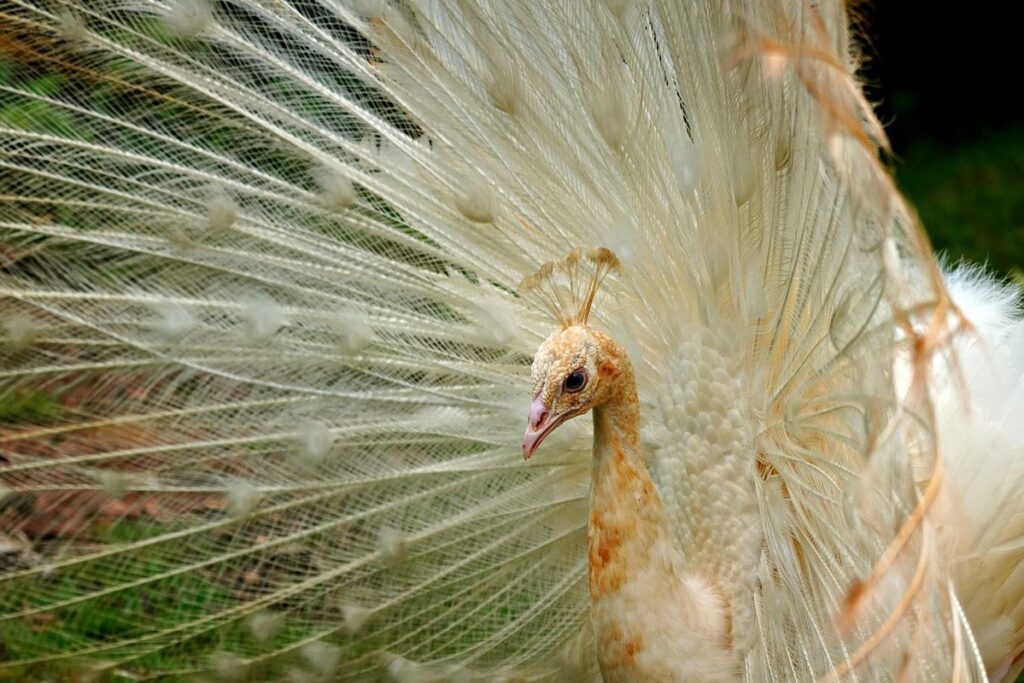
Origins and History of White Peacocks
The origins of white peafowl date back centuries, originating from specific regions in Asia where these majestic birds were prized for their stunning plumage. We’ll explore this fascinating history further below.
The Ancient Significance of White Peafowl
In ancient civilizations, white peafowl held immense cultural and historical significance. In many Asian cultures, including China and India, these birds were associated with royalty and nobility. They were often depicted in artwork, literature, and mythology as symbols of beauty, power, and good fortune. The Chinese, for example, prized white peacocks for their majestic plumage and elegant demeanor, while the Indian peacock was considered a sacred animal, closely linked to the god Krishna.
In Hindu mythology, the peacock is associated with Kali, the goddess of time and change, who is often depicted riding on a peacock. Similarly, in Buddhist art, the peacock represents spiritual growth and enlightenment. This rich cultural heritage reflects the importance placed on white peafowl as more than just beautiful birds – they represented the divine, the sacred, and the extraordinary.
In these ancient cultures, owning or encountering white peacocks was often a privilege reserved for royalty and high-ranking officials.
Evolutionary Development of the White Peafowl Breed
The white peacock breed has undergone significant changes over time, shaped by selective breeding and genetic adaptation. It’s believed to have originated from the Indian Peafowl (Pavo cristatus), which is a species of peafowl found in the wild. The Indian Peafowl’s ancestors were likely introduced to Europe through trade routes with Asia during ancient times.
Genetic studies suggest that modern white peacocks are the result of breeding programs aimed at eliminating their natural plumage colors, a process known as “leucism.” This condition affects melanin production, leading to an overall reduction in pigmentation. Through rigorous selection and careful breeding, breeders have been able to emphasize this trait, resulting in the striking white plumage we see today.
It’s worth noting that true albinism is extremely rare in birds, as it requires a specific combination of genetic mutations. Leucistic peafowl, on the other hand, can be more common due to its partial expression of colorlessness.
Physical Characteristics of White Peacocks
When it comes to identifying a white peacock, there are several physical characteristics you should look out for that set them apart from their brown and blue counterparts.
Plumage and Coloration Patterns
The stunning plumage of white peacocks is one of their most distinctive and awe-inspiring features. These birds boast a unique combination of coloration patterns that not only set them apart from other bird species but also make them a breathtaking sight to behold.
One of the most striking aspects of white peacock plumage is its iridescent sheen, which appears as a subtle shimmer or glow in certain lighting conditions. This effect is due to the structure and arrangement of microscopic crystals within their feathers, known as melanin and keratin. When light hits these crystals at specific angles, it refracts and scatters, creating the illusion of color.
In terms of actual coloration, white peacocks have a predominantly white coat with black or dark brown accents on their necks, shoulders, and tails. Their eyes are also adorned with a distinctive “eye-like” marking in shades of orange or red, adding to their majestic appearance. While some white peafowl may exhibit subtle variations in coloration, such as cream or pale gray undertones, these unique patterns remain one of the breed’s most prized characteristics.
Size and Weight
When it comes to the physical characteristics of white peafowl, size and weight are two important aspects that set males apart from females. On average, a mature male white peafowl can weigh anywhere between 15-20 pounds (6.8-9 kg), while females typically top out at around 10-12 pounds (4.5-5.4 kg). However, it’s essential to note that these numbers can vary depending on factors such as nutrition, living conditions, and genetics.
Males tend to grow larger than females due to the intense selection pressure in the wild for dominant males to establish their territory and attract mates. In captivity, this difference is even more pronounced, as male peafowl are often fed a diet specifically formulated to promote growth and size. Conversely, females prioritize maintaining a stable weight to ensure reproductive success.
If you’re considering raising white peacocks or peahens, keep in mind that their growth rates can be influenced by the quality of care they receive. Ensure your birds have access to nutritious food, clean water, and regular exercise to help them reach their full potential size and weight.
Behavior and Temperament of White Peacocks
When it comes to white peafowl, understanding their behavior and temperament is crucial for a harmonious coexistence. This section will delve into the unique personalities and quirks of these majestic birds.
Courtship Displays and Mating Habits
During mating season, male white peacocks showcase their impressive courtship displays to attract a mate. These elaborate displays serve several purposes: they help establish dominance, demonstrate health and vigor, and signal suitability as a partner for breeding. A complex sequence of sounds, movements, and visual displays unfolds as the male white peacock’s intent is clear.
The male begins by producing an ear-piercing call that echoes through the landscape, alerting potential mates to his presence. He then unfurls his resplendent train, shaking it out in a majestic display of iridescent blues and golds. As he dances, the train streams behind him like a gleaming banner, announcing his arrival.
During these courtship displays, the male white peacock’s movements are deliberate and calculated, intended to showcase his strength, agility, and vitality. Females, on the other hand, observe from a distance, carefully evaluating each suitor before making their selection. By witnessing this remarkable display of avian courtship, we gain insight into the intricate social dynamics at play within peafowl colonies.
By observing these mating rituals, breeders can better understand how to encourage healthy breeding habits among white peacocks.
Interaction with Humans and Other Animals
When it comes to interacting with humans and other animals, white peacocks are known for their unique personalities. In the wild, they’re often found in close proximity to domesticated livestock, which has helped them adapt to living alongside other species. This adaptability also translates well to captivity, making them a great choice for farms and zoos.
One of the most fascinating aspects of white peafowl behavior is their social hierarchy. These birds are highly territorial, with dominant males vying for dominance over females. However, when introduced to humans, they tend to form strong bonds with their caretakers. With patience and gentle handling, it’s not uncommon for white peacocks to become quite tame.
In fact, many breeders report that their white peafowl are more tolerant of human interaction than other breeds. This is likely due to their natural inclination towards socialization, which can be encouraged by providing a stimulating environment and plenty of attention from their owners.
To build trust with your white peacock, start by offering treats and allowing them to come to you on their own terms. With time and consistency, they’ll learn to associate humans with positive experiences, making them a joy to care for and interact with.
Breeding and Care of White Peacocks
To successfully breed and care for your white peafowl, it’s essential to understand their specific needs and habits, which can differ from those of other peafowl breeds. In this section, we’ll cover these crucial details.
Setting Up a Breeding Program
Setting up a breeding program for white peacocks requires careful consideration of several factors. First and foremost, you’ll need to provide suitable housing for the birds. This includes providing a large enclosure with adequate space for flying, as well as shelter from the elements. A minimum size of 10 feet by 20 feet is recommended, but larger enclosures are ideal.
In terms of nutrition, white peafowl have specific dietary needs that must be met to ensure healthy breeding and egg-laying. A diet rich in protein, calcium, and vitamins is essential. You can provide a mix of grains, fruits, and vegetables, as well as supplements specifically formulated for waterfowl. It’s also crucial to ensure access to clean, fresh water at all times.
When selecting birds for your breeding program, look for individuals with desirable traits such as vibrant white plumage, striking eye color, and robust build. A ratio of one male to three females is recommended to reduce stress on the birds and promote healthy mating habits. Be sure to monitor the health and well-being of your birds closely, and take steps to prevent disease and parasites from entering the flock.
Health Issues and Common Diseases
As you care for your majestic white peacocks, it’s essential to be aware of common health issues that may affect them. White peafowl are generally hardy birds, but they can be susceptible to certain diseases and conditions.
One common issue is respiratory problems caused by dust, cold temperatures, or damp environments. To prevent this, ensure your enclosure has good ventilation, a dry floor, and protection from harsh weather. Monitor your birds’ behavior for signs of distress, such as labored breathing, coughing, or lethargy.
Another concern is parasites like mites, lice, and fleas. Regular cleaning of the enclosure, dust baths for the peafowl, and using insecticidal powders can help prevent infestations. It’s also crucial to inspect your birds regularly for signs of these pests.
In terms of diseases, white peafowl are sometimes affected by Avian Pneumovirus (APV) and Infectious Bronchitis Virus (IBV). While vaccination is not always necessary, it may be recommended in areas with high disease prevalence. Consult a veterinarian to determine the best course of action for your flock.
To address health issues promptly, keep an eye out for signs of illness, such as changes in appetite or droppings, and consult a veterinarian at the first sign of trouble. By being proactive and aware of potential health concerns, you can help keep your white peafowl happy and healthy.
Habitat and Diet Requirements
To ensure you can provide a happy, healthy home for your white peafowl, let’s dive into their specific habitat and diet requirements.
Environmental Needs
When it comes to providing an optimal environment for white peafowl, understanding their specific needs is crucial. These birds thrive in warm and humid climates, making them well-suited for tropical or subtropical regions.
In terms of temperature, white peafowl prefer temperatures between 60°F to 80°F (15°C to 27°C), with a slight drop during the winter months. They are sensitive to extreme cold and can be vulnerable to frostbite if exposed to prolonged periods of freezing temperatures.
Lighting is another critical aspect to consider when housing white peafowl. These birds require direct sunlight, especially in areas where natural light is scarce. A minimum of 12 hours of daylight exposure per day is recommended. Consider installing UV-emitting lighting fixtures or increasing the size of the enclosure to accommodate more natural light.
Humidity levels also play a significant role in maintaining the health and well-being of white peafowl. They prefer a relatively high humidity level, ranging from 50% to 70%. Providing a humid environment can be achieved by incorporating misting systems or maintaining a consistent temperature above 60°F (15°C).
Dietary Considerations
When it comes to ensuring the optimal health of your white peafowl, providing them with a well-balanced diet is crucial. These birds are omnivores and require a mix of grains, fruits, vegetables, and proteins in their diet. A high-quality commercial game bird feed should form the foundation of their diet, supplemented with fresh fruits and vegetables daily.
Some essential nutrients that your white peafowl may need include calcium for strong bone development, vitamin D3 to maintain healthy feathers and skin, and omega-3 fatty acids for a shiny plumage. You can add these nutrients through supplements or by providing them with foods rich in these nutrients such as dark leafy greens, nuts, and seeds.
A feeding schedule of 2-3% of the bird’s body weight per day is recommended, divided into two meals. For example, if you have a white peafowl weighing 10 pounds, it would need about 6 ounces of food per meal. Make sure to provide fresh water at all times and clean their feeding area regularly to maintain good hygiene practices.
Unique Aspects and Uses of White Peafowl
One of the most interesting aspects of white peafowl is their adaptability to different environments, making them a great choice for unique settings. We’ll explore these special uses further in this section.
Conservation Status
The conservation status of white peafowl breeds is a pressing concern for wildlife enthusiasts and breeders alike. Unfortunately, these majestic birds are facing numerous threats to their populations, including habitat loss, poaching, and hybridization with other pheasant species.
According to the International Union for Conservation of Nature (IUCN), several subspecies of white peafowl are listed as Vulnerable or Endangered on the IUCN Red List. The main reasons for this decline include the destruction of their natural habitats, primarily due to agriculture and urbanization. As a result, white peafowl populations have been fragmented, making it challenging for them to find suitable breeding grounds.
To mitigate these threats, conservation efforts are underway to protect and restore white peafowl habitats. Organizations such as the Wildlife Conservation Society (WCS) and the World Wildlife Fund (WWF) are working together with local communities to establish protected areas and promote sustainable land-use practices. By supporting these initiatives, you can contribute to the preservation of this remarkable species for future generations.
Cultural Significance and Symbolism
In many cultures and traditions, white peacocks hold a special place of reverence and significance. In Hindu mythology, the white peacock is associated with the goddess Lakshmi, symbolizing good fortune, prosperity, and beauty. Similarly, in Chinese culture, the white peacock represents longevity and honor.
In some Western societies, white peacocks are seen as a harbinger of death or ill omen. However, this association is largely based on medieval European folklore, where the rare sight of a white peacock was believed to signal impending doom. In contrast, in many Asian cultures, white peacocks are considered auspicious and a sign of good luck.
If you’re considering keeping white peafowl as pets or for breeding purposes, understanding their cultural significance can be beneficial. By embracing these symbolic meanings, you can create a more enriching experience for both yourself and your animals. For example, you might choose to display the peacocks in a decorative setting that reflects their revered status in certain cultures.
Frequently Asked Questions
What are the ideal living conditions for a white peafowl, considering its tropical origins?
To replicate the natural habitat of white peacocks, ensure you provide a spacious enclosure with adequate ventilation, protection from extreme weather conditions, and a temperature range between 40°F to 90°F (4°C to 32°C). Incorporate native vegetation and trees to mimic their Southeast Asian environment. Regularly clean the enclosure to maintain a healthy living space.
How can I determine if my white peafowl is receiving an adequate diet?
Monitor your bird’s plumage, weight, and overall health. Ensure they have access to high-quality feed that includes grains, fruits, and vegetables. Provide calcium supplements specifically designed for birds to support strong bone growth and prevent metabolic disorders. Rotate food sources regularly to maintain a varied diet.
What are the primary signs of stress or health issues in white peacocks?
Look out for changes in behavior such as pacing, loss of appetite, or feather plucking. Monitor their plumage for mites, lice, or fungal infections. Check for signs of respiratory problems like labored breathing or wheezing. Regular veterinary check-ups will help detect potential health issues early on.
Can I keep multiple white peafowl together in the same enclosure, and how should they be separated?
Yes, but ensure a large enough space to accommodate each bird’s needs without competing for resources. Provide separate roosting areas and feeding stations to prevent stress and aggression. Maintain a ratio of one male per three females to avoid dominance issues.
How can I participate in conservation efforts or contribute to the preservation of white peafowl populations?
Support reputable organizations dedicated to avian conservation, such as the World Pheasant Association or local wildlife sanctuaries. Spread awareness about the unique characteristics and cultural significance of these birds through educational programs or advocacy initiatives. Consider participating in citizen science projects or volunteering at a nearby wildlife reserve to help conserve white peafowl populations.