
Are you thinking of adding some new feathered friends to your backyard flock, but can’t decide between Silkie and Polish chickens? Both breeds are popular for their unique appearances and charming personalities, but they have some key differences that might make one more suited to your lifestyle than the other. In this article, we’ll delve into the origins, temperaments, health considerations, egg-laying habits, and housing requirements of both breeds. You’ll learn about the special needs and characteristics of each, as well as which breed is right for you. Whether you’re a seasoned chicken keeper or just starting out, understanding the differences between Silkie and Polish chickens will help you make an informed decision about adding these lovable birds to your flock. Let’s take a closer look at what sets them apart!
Introduction to Silkie and Polish Chickens
Welcome to our breed guide, where we’ll introduce you to two of the most beloved backyard chicken breeds: the Silkie and the Polish. Get ready to meet their unique characteristics!
Origins of Silkie and Polish Chickens
The origins of Silkie and Polish chickens date back centuries, with each breed boasting its own unique history. The Silkie, also known as the “Silkies,” hails from China, where they were highly prized for their fluffy plumage and gentle nature. This breed has been mentioned in Chinese literature as far back as the Tang Dynasty (618-907 AD). As European traders traveled to Asia, they brought back Silkie chickens, introducing them to the Western world.
In contrast, the Polish chicken originated in Europe, specifically in Poland, from where it gets its name. They were first bred in the 16th century and quickly became popular among backyard farmers due to their striking appearance and friendly demeanor. The Polish breed was highly valued for its unique crested head feathers, which gave them a distinctive look.
Both breeds have gained immense popularity over time, with many chicken enthusiasts now raising Silkie and Polish chickens as pets or adding them to their backyard flocks. Their gentle nature, low maintenance requirements, and adaptability make them ideal choices for beginners and experienced farmers alike.
Physical Characteristics of Each Breed
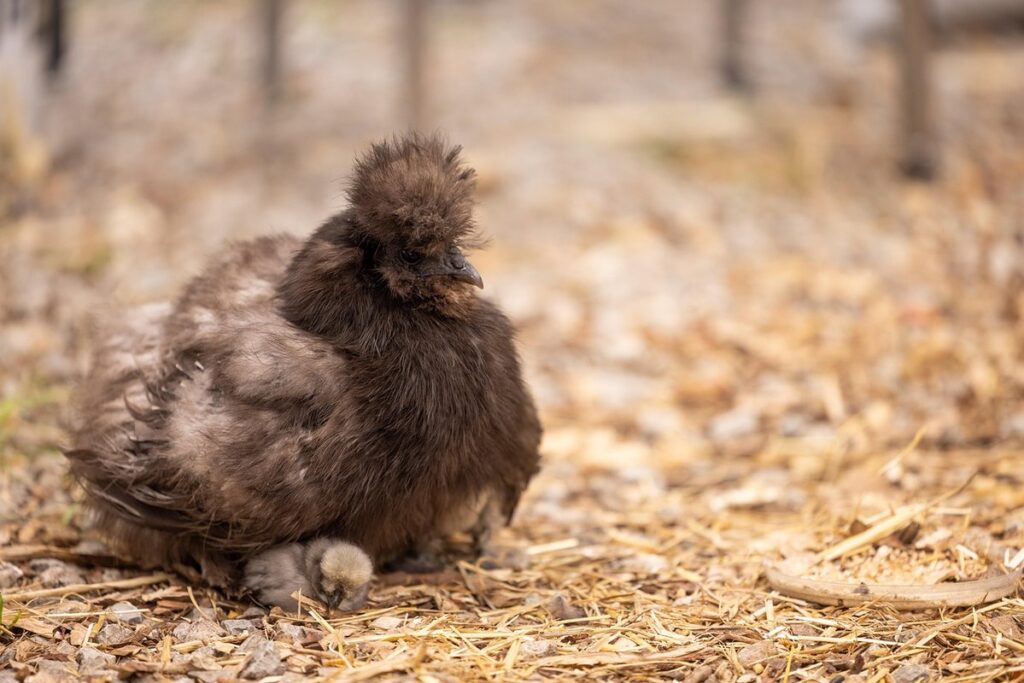
When it comes to physical characteristics, Silkie and Polish chickens have some distinct differences that set them apart from one another. One of the most notable features of Silkies is their fluffy plumage, which resembles fur rather than feathers. This unique coat type gives them a soft, velvety appearance that’s often compared to a rabbit or a teddy bear. On the other hand, Polish chickens have a crest on top of their heads and a pom-pom-like structure around their faces. Their ears are also relatively small and rounded at the tips.
In terms of size, Silkies tend to be on the smaller side, weighing between 2-3 pounds, while Polishes can weigh anywhere from 2.5-4 pounds. While neither breed is particularly large, Silkies do require more care due to their delicate appearance and potential for health issues related to their unique plumage.
If you’re looking to bring either of these breeds into your backyard flock, it’s essential to consider their specific needs. For instance, Silkies need regular grooming to prevent matting and tangling of their fur-like feathers, while Polishes require attention to their crests to ensure they don’t become too heavy or get in the way.
One key point to note is that both breeds have a relatively low egg-laying capacity compared to other chicken varieties. While this might not be a concern for everyone, it’s essential to understand their reproductive capabilities before making a decision. Overall, each breed has its unique charm and characteristics that make them appealing to different types of chicken enthusiasts.
Temperament and Personality
When it comes to choosing between Silkie and Polish chickens, their unique temperaments and personalities are a crucial aspect to consider. Let’s dive into what makes each breed tick.
Silkie Temperament: Friendly and Docile?
When it comes to temperament, Silkie chickens are known for their affectionate and docile nature. Many owners describe them as “lap chickens” because of their tendency to snuggle up close and be handled gently. This trait makes them an excellent choice for families with children or for those who want a low-maintenance pet that is easy to care for.
One of the most notable characteristics of Silkies is their ability to bond strongly with owners. They have been known to form long-lasting relationships with their human caregivers, often following them around the yard and seeking attention and interaction. This bond can lead to a high level of trust between owner and bird, making it easier to introduce new birds or handle health issues.
If you’re considering bringing a Silkie into your flock, be prepared for a lifetime commitment. With proper care and handling, Silkies can live up to 8-10 years in good health, providing years of companionship and entertainment for their owners.
Polish Temperament: Curious and Playful?
When it comes to temperament, Polish chickens are often described as curious and playful. They’re known for their active personalities, which make them a delight to watch. One of the most endearing characteristics of Polish birds is their love of human interaction. They’ll often follow you around the yard, curious about what you’re doing, and eager to join in on the fun.
If you have children or enjoy watching your chickens play, the Polish breed is an excellent choice. Their playful nature makes them entertaining companions, and they thrive on attention from humans. However, their curiosity can sometimes get the best of them, leading to mischief such as pecking at plants or exploring forbidden areas of the yard.
To encourage positive behavior in your Polish flock, provide plenty of toys and enrichment activities to keep them engaged and stimulated. Rotate their toys regularly to prevent boredom, and consider adding a sandbox or other interactive feature to their enclosure. With proper care and attention, Polish chickens will reward you with their playful, curious nature, making them a loyal and entertaining companion on your homestead.
Health Considerations
When choosing between Silkie and Polish chickens, it’s essential to consider their health needs and any potential breed-specific concerns that may impact your flock’s well-being. Let’s take a closer look at the key health considerations for each breed.
Common Health Issues in Silkies
As you consider bringing Silkies into your flock, it’s essential to be aware of some common health issues that can affect this breed. One of the most significant concerns is Marek’s disease, a viral condition that can cause tumors and paralysis. Unfortunately, Silkies are more susceptible to this disease due to their genetic makeup.
Another issue you may encounter with Silkies is angel wing, a condition where the bird’s wings grow at an abnormal angle, making it difficult for them to fly or even stand properly. This often occurs when the birds don’t have enough space to stretch their wings, so be sure to provide your Silkies with adequate room to roam.
Frostbite can also be a problem for Silkies, especially in colder climates. Their fluffy feathers may look adorable, but they can trap moisture and cause skin irritation, making them more prone to frostbite than other breeds. To mitigate this risk, make sure to keep their coop well-ventilated and provide extra care during extreme weather conditions. Regular grooming is also essential to prevent matting of the feathers, which can exacerbate frostbite issues.
In general, Silkies tend to be more delicate and require a bit more TLC than other breeds. However, with proper care and attention, they can thrive in your flock.
Common Health Issues in Polish Chickens
When it comes to health considerations, Polish chickens are prone to certain issues that can impact their quality of life and egg production. Respiratory problems, for example, are common due to the breed’s flat face and compact nostrils, which can lead to breathing difficulties and make them more susceptible to disease. Regular cleaning of coops and ensuring good airflow can help mitigate this issue.
Another concern is feather pecking, where hens may start pecking at their own feathers or those of their flock mates due to stress, boredom, or nutritional deficiencies. Providing a balanced diet, plenty of space to roam, and engaging activities like foraging or puzzle toys can help alleviate this behavior.
Egg-laying disorders are also prevalent in Polish chickens, particularly egg binding (where the hen has trouble laying eggs) and prolapse (when the oviduct protrudes from the vent). Proper nutrition, regular exercise, and monitoring egg production can help prevent these issues. Keep an eye out for any signs of distress or discomfort in your Polish hens, and consult a veterinarian if you notice anything unusual.
Egg-Laying and Production
When it comes to egg-laying, one of the most important considerations for any backyard chicken keeper is how prolific each breed will be. Let’s take a closer look at how Silkie and Polish chickens stack up in this area.
Silkie Egg-Laying Habits: What to Expect?
When it comes to egg-laying habits, Silkies are known for their moderate production. On average, a healthy Silkie hen will lay around 120-140 eggs per year, which translates to about 3-4 eggs per week. This is slightly lower than some other popular breeds, such as Leghorns, but still makes them a reliable choice for those looking for a steady supply of fresh eggs.
One thing to keep in mind when owning Silkies is that they can be prolific layers, especially if you provide them with optimal living conditions and nutrition. With proper care, some Silkie hens have been known to lay up to 180 eggs per year. However, this level of production requires consistent attention to their dietary needs and regular health checks.
If you’re considering keeping Silkies for egg production, it’s essential to ensure that your flock is healthy and well-cared for. Regular monitoring of their overall health, along with a balanced diet rich in protein and calcium, can help maximize their egg-laying potential. By following these simple steps, you’ll be able to get the most out of your Silkie hens and enjoy a steady supply of delicious eggs right from your own backyard.
Polish Egg-Laying Habits: How Many Eggs Can You Expect?
When it comes to egg-laying habits, Polish chickens are known for their moderate output. On average, a healthy Polish hen will lay around 200-220 eggs per year, with some individuals producing up to 300 eggs annually. However, this can vary depending on factors such as diet, living conditions, and age.
Proper nutrition is essential to support optimal egg production in Polish chickens. A balanced diet rich in protein, calcium, and vitamins will help promote healthy laying habits. Additionally, ensuring access to fresh water and a clean living environment will also contribute to a hen’s overall well-being.
It’s worth noting that Polish hens typically begin laying eggs at around 18-24 weeks of age. During the first year, they may produce fewer eggs than older hens, but their egg output will continue to increase as they mature. With proper care and attention, your Polish chicken can become a reliable and consistent layer, providing you with fresh eggs for months to come.
If you’re considering getting a Polish hen, be prepared to collect around 5-6 eggs per week during the peak laying season, which usually occurs in the spring and summer months. This is a great starting point for backyard chicken keepers who want a moderate egg supply without the need for excessive space or resources.
Housing and Care
When it comes to providing a happy and healthy home for your new Silkies or Polish chickens, their specific needs must be considered, from coop size to social interaction.
Housing Requirements for Silkies
When it comes to housing Silkie chickens, providing an optimal environment is crucial for their health and happiness. A good rule of thumb is to allocate about 3-4 square feet per bird inside the coop, taking into account their unique characteristics. Silkies are known for their fluffy coats, which can make them more prone to heat stress in hot weather.
To address this, it’s essential to ensure proper ventilation in the coop. This means installing windows, vents, or using a combination of both to provide adequate airflow. A minimum of 2-3 square feet of ventilation per bird is recommended. Additionally, consider using natural materials like wood or bamboo for the walls and floor, as they are breathable and can help regulate temperature.
In terms of perching needs, Silkies are known to be quite active and love to climb. Provide at least one sturdy roosting bar that’s about 3-4 inches in diameter and about 2-3 feet off the ground. This will allow them to exercise their natural instinct to perch and roost safely.
Housing Requirements for Polish Chickens
When it comes to creating a suitable living environment for Polish chickens, understanding their unique housing requirements is essential. Polish chickens are known for their compact size and gentle nature, but they still need adequate space to move around comfortably.
The recommended space requirement for Polish chickens is about 2-4 square feet per bird inside the coop, with additional space in an enclosed run or outdoor area. This allows them to stretch their wings and exercise freely without getting stressed or bored.
When setting up nesting boxes, consider providing one box per 3-4 hens. The box should be well-ventilated, dark, and dry, making it an ideal spot for your Polish chickens to lay eggs comfortably. Place the roosting bars about 2 feet off the ground, allowing them to roost safely without straining their necks or legs.
Remember, a well-designed coop with ample space, proper ventilation, and a clean environment will not only keep your Polish chickens happy but also promote healthy egg-laying and overall well-being.
Comparison and Conclusion
Now that we’ve compared Silkie and Polish chickens, let’s summarize our findings and make a decision on which breed is right for you. Which one will it be: the fluffy charm of Silkie or the striking looks of Polish?
Key Differences Between Silkies and Polish Chickens
When it comes down to choosing between Silkie and Polish chickens, understanding their unique characteristics is crucial. One of the most notable differences lies in their feathers. Silkies have a fluffy, soft plumage that’s unlike any other breed. Their feathers are extremely soft to touch and feel like silk, hence the name. On the other hand, Polish chickens boast vibrant crests on top of their heads and long, flowing tails.
In terms of temperament, Silkies are generally known for being gentle giants. They’re perfect for families with children due to their calm nature. In contrast, Polish chickens can be a bit more energetic and demanding when it comes to attention. They require regular social interaction and mental stimulation to prevent boredom and stress.
When it comes to needs, both breeds have similar requirements. However, Silkies are slightly more prone to health issues like respiratory problems due to their flat face and fluffy feathers. Polish chickens, on the other hand, can be prone to eye problems. Proper care and regular check-ups with a veterinarian can help mitigate these risks.
In conclusion, while both breeds share some similarities, their unique characteristics make them better suited for different types of owners. If you’re looking for a gentle giant that’s perfect for families, Silkies might be the way to go. If you want a more vibrant and energetic companion that requires regular attention, Polish chickens could be your best bet.
Choosing the Right Breed for Your Flock
When it comes down to selecting the perfect breed for your backyard flock, it’s essential to consider several factors beyond just their unique characteristics. Think about the space you have available – do you have a large yard or are you working with a smaller area? Silkie and Polish chickens require similar care, but they do vary in size.
Polish chickens are generally compact and don’t take up much space, making them an excellent choice for small backyards. On the other hand, Silkies can be on the larger side, so if you’re short on space, this may not be the best option. It’s also worth thinking about your lifestyle – how many eggs do you want from each bird? Both breeds are prolific layers, but Silkies tend to produce slightly more.
Consider what you value most in a breed: appearance, temperament, or egg-laying abilities. Silkie chickens are prized for their soft, fluffy feathers and gentle nature. Polish chickens, on the other hand, boast vibrant crests and can be quite friendly.
Frequently Asked Questions
How Do I Choose Between a Silkie and Polish Chicken if I Have Limited Space?
When deciding between a Silkie or Polish chicken, consider the space you have available for housing and exercise. Both breeds require regular grooming to prevent matting of their feathers, so factor in time for daily maintenance. If you have limited space, a Silkie might be a better fit due to its calm nature and lower energy level.
Can I Raise Silkies and Polish Chickens Together Without Any Issues?
While both breeds are friendly and social, introducing them to each other requires patience and careful observation. Start with a slow introduction process, allowing the chickens to become familiar with each other’s sights, sounds, and smells. Monitor their behavior closely, and separate them if you notice any signs of aggression or stress.
How Often Should I Collect Eggs from My Silkie or Polish Chicken?
Both breeds are prolific layers, producing an average of 100-120 eggs per year. However, egg production may vary depending on factors such as diet, nutrition, and individual bird characteristics. Collect eggs daily to encourage continuous laying and prevent breakage.
What Are Some Common Health Issues I Should Watch Out for in Silkies?
Silkies are prone to various health issues, including obesity, heatstroke, and respiratory problems due to their fluffy coat. Regularly monitor their weight, provide a balanced diet, and ensure proper ventilation in the coop to mitigate these risks.
Can Polish Chickens Be Kept in Small Backyards or Are They Best Suited for Larger Properties?
Polish chickens are relatively low-maintenance and adaptable to smaller spaces, making them an excellent choice for urban backyards. However, they still require regular exercise and social interaction to stay happy and healthy. Consider providing a spacious run or aviary to accommodate their needs.