
When it comes to choosing the perfect dual-purpose breed for your backyard flock, you’ve likely considered several factors. But have you given much thought to two breeds that stand out from the rest: Barred Rocks and Cuckoo Marans? Both of these unique birds boast impressive egg-laying abilities, making them ideal choices for homesteaders and small-scale farmers. However, they also possess distinct characteristics that set them apart – in terms of temperament, health, and appearance.
In this guide, we’ll delve into the differences between Barred Rocks and Cuckoo Marans, providing a comprehensive comparison of their egg-laying performance, health considerations, and unique traits. Whether you’re a seasoned chicken keeper or just starting out, understanding these key factors will help you make an informed decision when selecting the best breed for your needs.
Introduction to Dual Purpose Breeds
If you’re new to chicken keeping, it can be hard to decide which breeds are right for your backyard flock. Let’s start by exploring dual purpose breeds that excel in both egg laying and meat production.
Overview of Barred Rocks and Cuckoo Marans
Let’s start by taking a look at two of the most popular dual-purpose breeds: Barred Rocks and Cuckoo Marans. These birds are beloved among backyard chicken keepers for their unique characteristics, exceptional egg-laying abilities, and striking appearances.
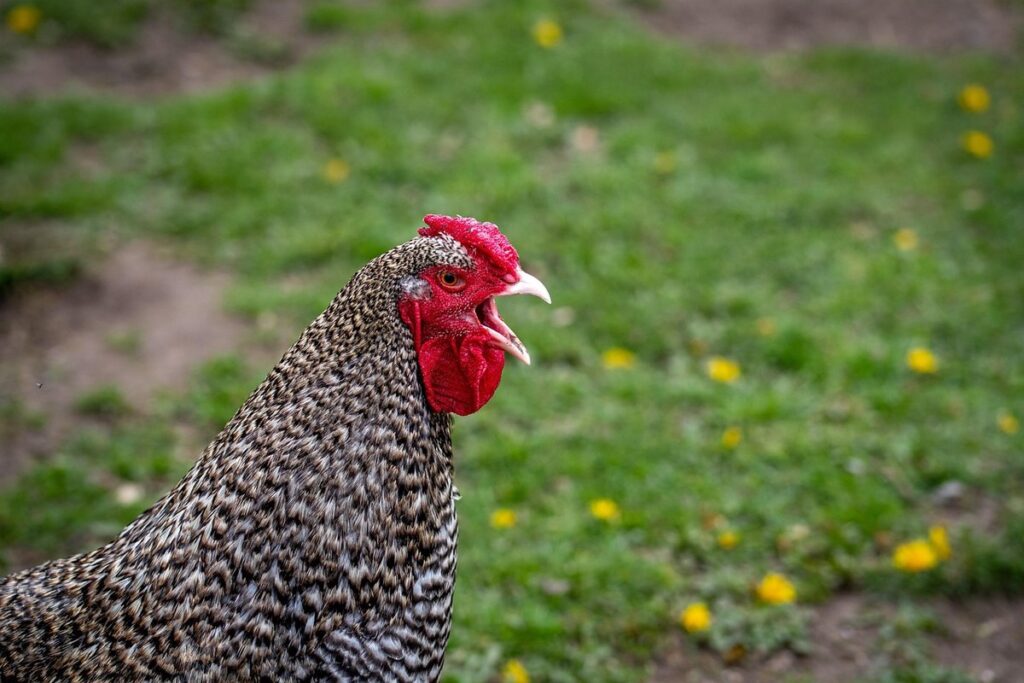
The Barred Rock is known for its distinctive black and white striped feathers, which give it a classic and iconic look. This breed is also renowned for its friendly, docile nature, making them an excellent choice for families with children or beginners who want to start their chicken-keeping journey. With a medium-sized build and sturdy legs, Barred Rocks are capable of producing around 200 large brown eggs per year.
In contrast, the Cuckoo Marans boasts a more subtle appearance with its mottled black and dark brown feathers. However, this breed makes up for its understated looks with its remarkable egg-laying abilities – often producing around 220 large, dark brown eggs per year. Cuckoo Marans are also known for their high energy levels and require regular exercise to stay happy and healthy.
When it comes to choosing between these two breeds, consider your personal preferences and needs as a backyard chicken keeper. Do you want a bird with a striking appearance or exceptional egg-laying abilities?
History and Origin of Both Breeds
The Barred Rock and Cuckoo Marans breeds have been around for centuries, with their origins dating back to Europe. The Barred Rock originated in the United States in the late 19th century as a cross between the Black Java and Dominique chicken breeds. Developed specifically for dual-purpose use, they were prized for both their egg-laying capabilities and meat production.
The Cuckoo Marans, on the other hand, hails from France, where it was initially bred to lay dark brown eggs. The breed’s unique appearance and laying characteristics made them a sought-after addition to many European farms. Over time, they spread throughout the world, with many backyard chicken keepers appreciating their docile nature and excellent egg production.
Both breeds were developed to thrive in various environments and produce high-quality eggs and meat. Their adaptability has made them popular among both commercial farmers and hobbyists alike.
Breed Characteristics
When choosing between a Barred Rock and Cuckoo Marans, understanding their unique breed characteristics is essential for making an informed decision that suits your needs. Let’s dive into what makes each of these breeds special.
Physical Characteristics: Size, Weight, and Plumage
When it comes to physical characteristics, both Barred Rocks and Cuckoo Marans are striking breeds. However, they exhibit distinct differences in terms of size and weight. On average, a mature Barred Rock hen weighs around 8-10 pounds (3.6-4.5 kg), with some individuals reaching up to 11 pounds (5 kg). In contrast, a Cuckoo Marans is generally lighter, weighing between 6-8 pounds (2.7-3.6 kg).
Plumage patterns are another notable distinction between these two breeds. Barred Rocks feature a striking black and white barred pattern on their feathers, which can vary in intensity depending on individual birds. The “bar” pattern covers the entire body, including wings, tail, and head.
On the other hand, Cuckoo Marans boast a mottled, dark-brown plumage with subtle hints of gold or reddish undertones. This distinctive appearance is due to the interplay of dark and light feathers on their bodies. While some birds may exhibit more pronounced coloration, others may appear more subdued.
When choosing between these breeds, consider your personal preference regarding size and appearance. If you’re after a larger bird with an eye-catching barred pattern, Barred Rocks might be the better fit. For those who prefer a lighter, darker-feathered bird with unique mottling, Cuckoo Marans could be more appealing.
It’s also worth noting that these differences can impact your experience as a breeder or owner. Smaller birds like Cuckoo Marans may be more suitable for backyard flocks or small-scale breeding programs due to their lighter weight and potentially easier handling.
Temperament and Personality
When it comes to temperament and personality, both Barred Rocks and Cuckoo Marans have unique characteristics that make them suitable for various homesteads. The Barred Rock is renowned for its gentle nature, often described as docile and laid-back. They are relatively easy-going and can adapt to a wide range of living situations, from small backyards to larger farms.
In contrast, Cuckoo Marans are known for their confident and outgoing personalities. While they can be friendly and affectionate, some owners have reported that they can also be more dominant than Barred Rocks. However, with proper socialization and training, a Cuckoo Maran’s bold nature can become an asset in egg production, as they tend to be highly motivated to lay eggs.
Both breeds are relatively intelligent, but the Cuckoo Marans seem to have a slightly edge when it comes to problem-solving and learning new tasks. This makes them more suitable for owners who want a breed that can thrive with minimal supervision. On the other hand, Barred Rocks require regular interaction and mental stimulation to prevent boredom and stress.
Ultimately, your choice between these two breeds will depend on your personal preferences and needs. If you’re looking for a low-maintenance companion that is easy-going and adaptable, a Barred Rock may be the perfect fit. However, if you’re willing to invest time in training and socialization, a Cuckoo Marans can reward you with exceptional intelligence and productivity.
Egg-Laying Performance
When it comes to egg-laying, one of the most important factors for any backyard chicken keeper is a reliable and consistent performance from their hens. Let’s compare how these two breeds stack up in this department.
Average Daily Egg Production for Each Breed
When it comes to egg-laying performance, both Barred Rocks and Cuckoo Marans are popular breeds among backyard chicken keepers. However, their average daily egg production can vary significantly.
According to the American Livestock Breeds Conservancy, a Barred Rock hen lays an average of 280-300 eggs per year, which translates to around 5-6 eggs per week or about 0.7-0.8 eggs per day. On the other hand, Cuckoo Marans hens produce slightly fewer eggs, averaging around 200-220 eggs per year, or approximately 3.85-4.2 eggs per week or 0.55-0.62 eggs per day.
While these differences may seem minor, they can add up over time and affect the overall productivity of your flock. It’s essential to consider these numbers when deciding which breed to raise for egg production. If you’re looking for a higher yield, Barred Rocks might be the better choice. However, if you prefer a more laid-back temperament and don’t mind slightly fewer eggs, Cuckoo Marans could be an excellent option.
In terms of individual performance, it’s not uncommon for some hens to produce significantly more or fewer eggs than their breed average. This is why monitoring your flock’s daily egg production and keeping track of individual hens’ performance can help you identify potential issues early on.
Egg Size and Quality
When it comes to egg-laying performance, one key aspect is the size and quality of eggs produced by each breed. Let’s take a closer look at the Barred Rock and Cuckoo Marans breeds.
Barred Rocks are known for producing large to extra-large eggs, often weighing around 200-220 grams. These eggs have a sturdy shell that can withstand shipping and handling without cracking easily. The yolk coloration is typically a deep yellow, which is a result of the breed’s diet rich in calcium and other nutrients.
Cuckoo Marans, on the other hand, produce smaller to medium-sized eggs, weighing around 180-200 grams. These eggs have a darker, chocolate-brown shell that adds to their charm. The yolk coloration is often paler than that of Barred Rocks, but still rich in flavor and nutrients.
If you’re planning to keep either breed for egg production, it’s essential to consider the space and equipment needed to accommodate them comfortably. Both breeds are relatively hardy and easy to manage, but providing enough room for exercise and activity will help ensure their overall health and well-being.
Feeding and Nutrition
When it comes to feeding your new flock, it’s essential to understand the dietary needs of both Barred Rocks and Cuckoo Marans, which can vary depending on their age and purpose. Let’s dive into what you need to know about feeding these breeds.
Dietary Needs for Optimal Health
When it comes to feeding your Barred Rock and Cuckoo Marans chickens, their dietary needs are crucial for optimal health. Both breeds require a balanced diet rich in essential nutrients, including protein, calcium, and vitamins.
A high-quality layer feed should form the basis of your flock’s diet, providing around 16-18% protein and adequate calcium levels to support strong eggshell production. However, you may need to supplement with additional ingredients if you’re raising chicks or keeping your hens for meat. For example, starter feed typically contains higher levels of protein (about 20%) to support growth and development.
Calcium is particularly important for laying hens, as it helps strengthen their bones and supports eggshell production. A dust bath or crushed oyster shells can provide a natural source of calcium. It’s also essential to ensure your flock has access to fresh water at all times.
When choosing between commercial feeds, look for those that are certified by organizations such as the National Organic Program (NOP) or the American Society for Testing and Materials (ASTM). These labels ensure that the feed meets certain standards for quality and nutritional content.
Foraging and Supplemental Feeding Strategies
When it comes to feeding your flock, incorporating foraging and supplemental feeding strategies can be a game-changer. Not only does it provide mental and physical stimulation for your birds, but it also promotes a balanced diet and reduces reliance on commercial feed.
By allowing your Barred Rocks or Cuckoo Marans to forage for wild plants, insects, and grains, you’re giving them the opportunity to exercise their natural instincts and take in essential nutrients. This can be done by releasing them into a secure, predator-proof area with plenty of food sources, such as leafy greens, fruits, and seeds.
Supplemental feeding is also an effective way to provide your birds with extra nutrition during times of stress or when they’re molting. Consider adding oyster shells, mealworms, or crushed eggshells to their feeders to give them a boost of calcium and protein. For example, Barred Rocks tend to enjoy sunflower seeds and cracked corn, while Cuckoo Marans have been known to go wild for mealworms.
By incorporating foraging and supplemental feeding into your flock’s diet, you can create a more diverse and resilient food system that benefits both your birds and the environment.
Health Considerations
When it comes to these two breeds, it’s essential to consider their specific health needs and potential vulnerabilities that may impact your flock. Let’s take a closer look at what you need to know.
Common Health Issues Affecting Both Breeds
Both Barred Rocks and Cuckoo Marans are prone to certain health issues that can affect their overall well-being. Respiratory problems, for instance, can be a concern for both breeds due to their tendency to over-breathe during hot weather or intense physical activity. This is often caused by an imbalance of calcium and phosphorus in the diet, leading to metabolic bone disease.
In addition to respiratory issues, parasite infestations are another common problem affecting these breeds. Regular health checks and maintenance can help prevent internal parasites like worms from taking hold. Mites and lice, on the other hand, are external parasites that can cause discomfort and irritation for both Barred Rocks and Cuckoo Marans.
To mitigate these risks, it’s essential to maintain a clean living environment, provide regular vaccinations and parasite control measures, and ensure your flock is eating a balanced diet rich in essential nutrients. By staying on top of your birds’ health, you can help prevent costly vet bills and keep your feathered friends happy and healthy for years to come.
Strategies for Maintaining Flock Health
Maintaining the overall health of your flock is crucial for their well-being and productivity. When it comes to breeds like Barred Rocks and Cuckoo Marans, a solid vaccination protocol can help prevent common diseases such as Marek’s disease and respiratory infections.
For a healthy flock, regular vaccinations should be administered at 1-2 weeks old and boostered annually. It’s essential to consult with a veterinarian to determine the best vaccination schedule for your specific region and flock dynamics. Additionally, maintaining excellent sanitation practices is vital in preventing the spread of diseases. Ensure that feeders, waterers, and nesting boxes are regularly cleaned and disinfected.
Implementing robust biosecurity measures can also significantly reduce the risk of disease outbreaks. This includes restricting human access to the coop, keeping predators away from the flock, and monitoring for signs of illness or stress in your birds. For example, setting up a separate quarantine area for new additions to the flock can help prevent the introduction of diseases. By prioritizing vaccination protocols, sanitation practices, and biosecurity measures, you can create a healthy environment for your flock to thrive.
Breeding and Raising Chicks
When it comes to raising healthy, thriving chicks, understanding the ins and outs of breeding is crucial. Let’s dive into the specifics of breeding and raising these adorable birds.
Sexing and Breeding Barred Rocks and Cuckoo Marans
Sexing and breeding Barred Rocks and Cuckoo Marans can be a delightful yet challenging experience for backyard chicken enthusiasts. When it comes to identifying the sex of these breeds, it’s essential to note that both males and females look similar at birth. However, as they grow, subtle differences become apparent. Barred Rock pullets typically develop a slightly smaller comb and wattle compared to their cockerel counterparts.
Breeding Barred Rocks involves selecting birds with excellent egg-laying capabilities. Aim for hens that produce large, brown eggs (average 280-300 grams) and are known for their friendly demeanor. Cuckoo Marans breeding requires consideration of the bird’s plumage pattern – the darker and more irregular the feathers, the better. Aiming for a ratio of about 60% dark females to 40% light males will ensure genetic diversity.
When breeding both breeds, it’s crucial to consider the specific traits you want to pass down to your chicks. Keep in mind that Barred Rocks are generally hardier and more resistant to disease compared to Cuckoo Marans. By understanding these breed-specific characteristics, you can create a well-rounded flock with diverse genetics, ensuring better health and egg production.
Raising Healthy Chicks from Hatch to Flock Status
Raising healthy chicks from hatch to flock status requires attention to their nutritional needs, vaccination schedule, and socialization. When it comes to Barred Rock and Cuckoo Marans, both breeds are relatively easy to raise. However, it’s essential to provide them with a balanced diet that includes a starter feed for the first 4-6 weeks.
A good rule of thumb is to offer 18-20% protein feeds during this period, gradually decreasing the protein content as they grow. Provide fresh water and a clean feeding area at all times. Vaccinations should be administered according to your region’s schedule and guidelines.
Socialization is also crucial for healthy chick development. Start handling them gently from day one to prevent stress and promote trust. Introduce new surroundings, noises, and other birds gradually to minimize shock. For example, you can place the brooder near a window with some bird activity outside, so your chicks become accustomed to different sounds.
As they grow, ensure adequate space for exercise and movement. A general rule of thumb is 2-3 square feet per bird inside the coop.
Conclusion: Choosing Between Barred Rock and Cuckoo Marans
Now that you’ve weighed the pros and cons of each breed, it’s time to make a decision on which one is right for your flock. Choosing between Barred Rock and Cuckoo Marans depends on your unique needs and preferences.
Weighing the Pros and Cons of Each Breed
Now that you’ve weighed the differences between Barred Rock and Cuckoo Marans, it’s time to make an informed decision about which breed is right for you. Both breeds have their strengths and weaknesses, so let’s summarize the key points we’ve discussed.
Barred Rocks are known for their friendly and docile nature, making them a great choice for families with children or beginners in backyard chicken-keeping. They’re also prolific egg layers, producing an average of 280 brown eggs per year. However, they can be prone to broodiness, which may not be ideal for some keepers.
On the other hand, Cuckoo Marans are a bit more temperamental and may require more attention and care. However, their unique appearance and rich, dark chocolate-brown eggs make them a standout choice for many enthusiasts. With proper management, they can thrive in small spaces and produce an average of 200-220 eggs per year.
Ultimately, the decision between Barred Rock and Cuckoo Marans comes down to your personal preferences and needs. Consider your experience level, space constraints, and egg-laying requirements before making a final decision.
Final Thoughts on Selecting the Right Dual-Purpose Breed
When it comes to selecting the right dual-purpose breed for your backyard flock, it’s easy to get caught up in the numbers – how many eggs will they lay? But there are so many other factors that should be considered beyond just egg-laying performance.
As we’ve discussed throughout this guide, both Barred Rocks and Cuckoo Marans have their own unique strengths and weaknesses. While egg production is certainly an important consideration, it’s not the only one. Think about your personal preferences and needs: do you want a breed that will bond with you and be friendly to handle? Or are you looking for something more low-maintenance?
Consider factors like temperament, hardiness, and ease of management. For example, if you live in an area prone to extreme weather conditions, a breed that can adapt to cold or hot temperatures may be a better choice. Or, if you’re short on space, look for breeds that are compact or have smaller roosters.
Ultimately, the right dual-purpose breed for your flock is one that meets your needs and fits your lifestyle. Take the time to research, observe, and interact with different breeds before making a decision. With the right breed by your side, you’ll be well on your way to building a happy and healthy backyard flock.
Frequently Asked Questions
Can I start raising Barred Rocks or Cuckoo Marans from chicks, or is it better to purchase started pullets?
Yes, you can raise both breeds from chicks, but make sure you’re prepared to provide adequate care and attention during their vulnerable early stages. Purchasing started pullets can be a good option if you’re new to chicken keeping or short on time. However, raising chicks yourself allows for greater control over their diet and environment, which is essential for optimal health.
What’s the best way to introduce Barred Rocks and Cuckoo Marans to my existing flock?
When introducing new birds to your flock, it’s essential to follow a gradual integration process to prevent stress and aggression. Start by keeping the new birds separated from the rest of the flock in a separate enclosure or coop for several days before gradually allowing them to interact under close supervision.
How can I maximize egg production in my backyard flock, particularly with Barred Rocks and Cuckoo Marans?
To optimize egg production, ensure your birds have access to high-quality feed, fresh water, and adequate light. A balanced diet, rich in protein and calcium, will support their reproductive health. Consider supplementing with oyster shells or crushed eggshells to help maintain strong eggshell quality.
Are there any specific health concerns I should be aware of when raising Barred Rocks and Cuckoo Marans?
Both breeds are generally healthy, but they can be prone to certain issues. Keep an eye out for respiratory problems in older birds and watch for signs of Marek’s disease or other viral infections. Regular vaccinations and parasite control measures will help maintain a healthy flock.
Can I crossbreed Barred Rocks with Cuckoo Marans to create hybrid offspring, or should I stick with purebred lines?
While it might be tempting to experiment with crossbreeding, it’s generally recommended to work with purebred lines when aiming for consistent egg-laying performance and breed characteristics. Hybrid offspring may exhibit unpredictable traits, making them less reliable for backyard chicken keeping purposes.