
When you’re shopping for chicken at your local grocery store or farmer’s market, have you ever wondered about the difference between “free range” and “pastured” labels? Many of us assume they mean the same thing, but that’s not entirely true. The terms are often used interchangeably, but there are key differences when it comes to welfare, nutrition, and environmental impact.
In this article, we’ll delve into the details of free range vs pastured chickens, exploring what these labels really mean and how they affect the chickens themselves. We’ll also discuss how choosing between them can make a big difference in your health, the animals’ well-being, and even the planet’s sustainability. By the end of this post, you’ll have a clear understanding of what to look for when making informed choices about your chicken purchases.
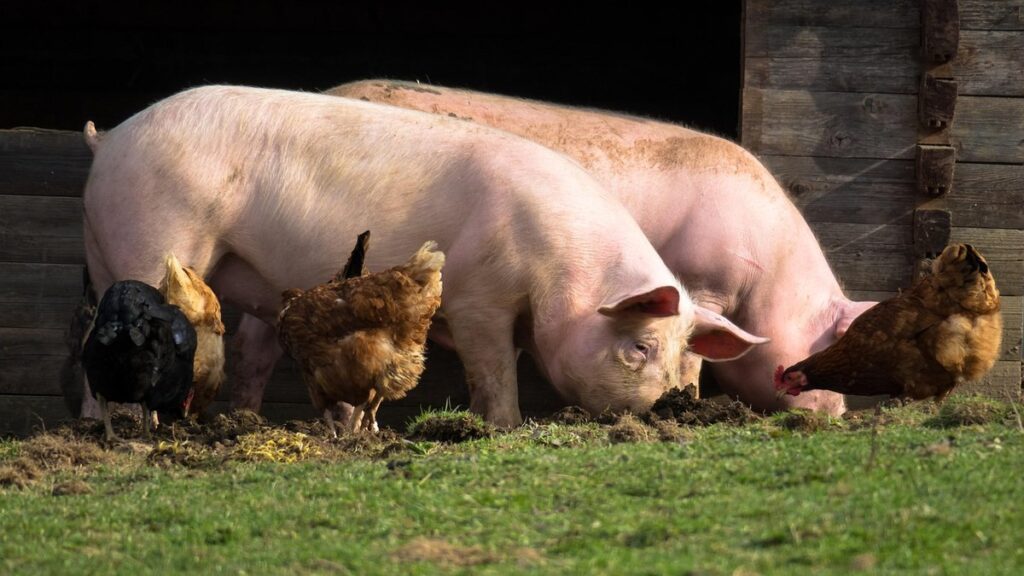
The Benefits of Pasture-Raised Poultry
When it comes to choosing between free range and pasture-raised poultry, one option stands out for its superior health benefits: pastured chicken. Let’s explore what makes this option so much healthier than its counterparts.
Improved Welfare and Health
When chickens are raised on pasture, their welfare and health significantly improve. One of the main benefits is reduced stress levels, which is achieved by giving them access to outdoor spaces where they can roam freely and engage in natural behaviors like foraging and scratching. This type of environment also stimulates their immune systems, making them less susceptible to diseases.
For instance, research has shown that pastured chickens have a 30% lower incidence of respiratory problems compared to those raised indoors. Additionally, these birds tend to grow at a slower rate, which reduces the risk of developmental disorders and improves overall health. When allowed to forage on pasture, chickens are also able to access a diverse range of nutrients, including insects, seeds, and leaves, that supplement their diet.
By choosing pastured chicken over free-range options, consumers can ensure they’re getting healthier birds with better welfare outcomes. This is because the term “free-range” often refers to chickens that have limited access to outdoors or are confined to small enclosures, which doesn’t necessarily guarantee improved living conditions. By opting for pasture-raised, you’re supporting more humane and sustainable farming practices.
Nutrient-Rich Eggs and Meat
When you opt for pasture-raised poultry, you’re not just getting a more humane and sustainable choice – you’re also getting a nutritionally superior product. This is particularly evident in the nutrient-rich eggs and meat from these birds.
Egg yolks from pasture-raised hens have higher levels of omega-3 fatty acids, vitamins A and E, as well as antioxidants like lutein and zeaxanthin. These essential nutrients contribute to better eye health, reduced inflammation, and improved heart function. In contrast, conventionally raised chicken eggs tend to be lower in these beneficial compounds.
The meat from pasture-raised birds is also more nutritious, boasting higher levels of conjugated linoleic acid (CLA), which can aid in weight management and improve immune function. Pasture-raised poultry has been shown to have a better fatty acid profile overall, with more favorable ratios of omega-6 to omega-3 fatty acids.
When selecting pasture-raised products, look for labels like “American Humane Certified” or “Animal Welfare Approved.” This ensures that the birds were raised on pasture and had access to fresh air, sunlight, and a diverse diet. By choosing pasture-raised poultry, you’re not only supporting sustainable agriculture – you’re also getting a more nutritious product for your family’s table.
Environmental Benefits
Pasturing chickens has a profound impact on the environment. One of the most significant benefits is reduced greenhouse gas emissions. Compared to traditional factory-farmed poultry, pastured chicken operations emit significantly fewer emissions per pound of meat produced. This is due in part to the natural foraging behavior of pasture-raised chickens, which allows them to burn energy from their food rather than relying on grain-based feed.
Pasturing also improves soil health by promoting biodiversity and reducing erosion. The diverse array of plants that grow in pastures helps to build rich topsoil and retain moisture, making it less necessary to till or irrigate the land. This approach also leads to increased carbon sequestration as organic matter is incorporated into the soil.
In addition to these benefits, pasturing can increase biodiversity on farms by providing habitat for beneficial insects, pollinators, and other wildlife.
What Does “Free Range” Really Mean?
When you see labels claiming “free range” on your eggs and meat, it’s natural to wonder what that really means for the chicken’s living conditions. Let’s break down this label and explore its implications.
Misconceptions About Free-Range Labels
When you see the term “free-range” on a chicken product label, it’s natural to assume that the birds have been roaming freely outside. However, this isn’t always the case. Unfortunately, free-range labels can be misleading, and their authenticity is often questionable.
In the United States, for instance, the USDA allows chicken producers to claim their products are “free range” if the birds have access to some outdoor space – as little as 2 square feet per bird for just 6 hours a day. This might not sound like much, but it’s better than nothing. Nevertheless, it’s essential to remember that having a free-range label does not guarantee that the birds are treated well or enjoy a decent quality of life.
To get a clearer picture of what “free range” really means in practice, look for third-party certifications such as Animal Welfare Approved (AWA) or Certified Humane. These organizations set stricter standards for animal welfare and outdoor access. Even with these labels, though, it’s crucial to do your research and check the specific conditions on the farm where your chickens were raised.
The Reality of Industrial-Scale Free-Range Farms
When it comes to industrial-scale free-range farms, the reality often falls far short of the ideal. These operations can house tens of thousands of birds under one roof, leading to overcrowding and a lack of access to natural light and fresh air.
For example, some large free-range farms have been found to have as few as 1-2 square feet per bird, a stark contrast to the spacious pastures that many consumers associate with “free range.” This results in birds being packed tightly together, with little opportunity for exercise or engagement with natural environments. As a result, these birds often suffer from stress-related health issues and reduced immune function.
Furthermore, substandard living conditions on these farms can lead to bird injuries and disease outbreaks. Many free-range flocks are also kept indoors during extreme weather events, further limiting their exposure to fresh air and sunlight. When shopping for “free-range” eggs or meat, it’s essential to look beyond the label and research the farm’s specific practices and conditions to ensure they align with your values and expectations.
Pastured vs. Free Range: How Do They Compare?
When it comes to choosing a more humane and sustainable chicken option, understanding the differences between pastured and free range is crucial for making an informed decision about your next meal. Let’s break down the key similarities and distinctions.
Factors to Consider When Comparing Labels
When comparing pastured and free-range labels, there are several key factors to consider. First and foremost, think about bird welfare. What does a typical day look like for the chickens? Are they roaming freely outdoors, or are they confined to a small area with some access to outdoor space?
You should also examine the nutrition aspect. Do the birds have access to a diverse range of insects, plants, and grasses that provide essential nutrients? Or are they primarily fed commercial feed? Research has shown that pastured chickens tend to have better overall health due to their diverse diet.
Another important consideration is environmental impact. Pasture-raised systems can be more land-intensive and require careful planning, but they also promote soil health and biodiversity. Free-range systems, on the other hand, may rely on monocultures and contribute to resource depletion.
Finally, consider labeling transparency. Look for farms that provide clear information about their production methods, including how many birds are raised per acre and what percentage of their feed comes from local sources. This can help you make an informed decision when choosing between pastured and free-range options.
Making an Informed Choice
When it comes to making an informed choice about your chicken purchases, deciphering labels can be a daunting task. The terms “free range” and “pastured” are often used interchangeably, but they have distinct meanings. To read labels effectively, look for specific language that describes the conditions under which the chickens were raised.
For instance, if a label says “free range,” it means that the chickens had some access to the outdoors, but there’s no guarantee of how much time or space they actually had outside. On the other hand, “pastured” implies that the chickens spent most of their time outdoors foraging on grass and insects.
Third-party certifications like “Certified Humane” or “Animal Welfare Approved” can also provide valuable insight into the treatment and living conditions of the animals. These organizations have strict standards for animal welfare, including requirements for access to the outdoors and living space per bird.
The Economics of Pastured Chicken Production
When it comes to raising chickens for meat, the economics can be a crucial factor in deciding whether pastured production is feasible on your farm. We’ll break down the costs and benefits of this approach.
Initial Investment and Infrastructure Costs
Starting a pastured chicken farm requires a significant initial investment. One of the main costs is infrastructure, which can be substantial. You’ll need to purchase or build coops and runs for the chickens, as well as fencing to enclose the pasture area. The cost of these structures can range from $5,000 to $15,000, depending on their size and quality.
In addition to infrastructure costs, you’ll also need to invest in feed and labor. Pastured chicken production is labor-intensive, requiring regular monitoring and maintenance of the flock’s health and well-being. You may need to hire staff or invest in equipment to facilitate this process.
To give you a better idea of the initial investment required, consider that a small-scale pastured chicken farm with 1,000 birds can cost upwards of $20,000 to start up. This includes infrastructure costs, feed for the first few months, and labor expenses. However, it’s worth noting that once established, pastured chicken production can be a profitable venture, with average returns ranging from $2 to $5 per bird.
Ongoing Expenses and Management Challenges
Maintaining a pastured flock comes with its fair share of ongoing expenses. Labor costs are significant, as you’ll need to regularly inspect the pasture for any signs of damage or disease, move the chickens to fresh grazing areas, and ensure they have access to clean water. You’ll also need to invest in equipment maintenance, such as repairing fences and replacing worn-out watering systems.
Predator control is another essential aspect of pastured chicken production. This can include measures like installing electric fencing, using guard animals, or even hiring a professional trapper. According to the National Agricultural Statistics Service (NASS), the average annual loss due to predators in the US is around 15%. To mitigate this risk, it’s crucial to stay proactive and develop a comprehensive predator control strategy.
Disease prevention and parasite control are also critical management challenges. This may involve implementing biosecurity protocols, using probiotics or other supplements to boost the flock’s immune system, and regularly monitoring for signs of illness. By staying vigilant and taking preventative measures, you can minimize the risk of disease outbreaks and ensure a healthy, thriving flock.
Can Small-Scale Farms Compete?
As you consider raising pastured chickens, a crucial question arises: can small-scale farms realistically compete with larger industrial operations in terms of pricing and profit. We’ll examine the challenges they face.
Barriers to Entry and Scaling Up
For small-scale farms looking to join the free-range chicken market, several barriers to entry stand out. Initial investment costs are a significant challenge – industrial-scale producers have economies of scale that allow them to invest heavily in infrastructure and technology. In contrast, smaller operations often struggle to cover these expenses.
Regulatory hurdles also pose a problem. While many countries have introduced regulations aimed at improving welfare standards for farmed animals, the complexity of compliance can be overwhelming for small-scale farmers. For instance, meeting the required space per bird ratios or accessing resources to implement robust biosecurity measures can be daunting tasks.
Market competition is another key obstacle. Industrial producers dominate the market, making it difficult for smaller farms to gain traction. However, there are opportunities for small-scale farms to differentiate themselves through high-quality products and direct-to-consumer sales.
Strategies for Success
To successfully compete with larger-scale farms, small-scale pastured chicken farmers need to think creatively about their products and sales strategies. One effective approach is to focus on value-added products that showcase the unique qualities of their pastured chickens. For instance, you could offer heritage breed chicks for sale, or develop a signature product like “pasture-raised” chicken sausages.
Another strategy is to establish direct-to-consumer sales channels through farm stands, farmers’ markets, or even online platforms. This allows customers to connect with the farmer and learn about the care and conditions of their birds. You could also consider partnering with local restaurants or food cooperatives that prioritize sustainable and locally sourced products. By doing so, you can tap into existing demand for high-quality, ethically raised chicken.
To get started, identify your target market and develop a unique selling proposition (USP) that highlights the benefits of your pastured chickens. Develop relationships with local buyers and suppliers to establish a stable supply chain. With persistence and creativity, small-scale pastured chicken farmers can carve out a niche in the market and thrive alongside larger operations.
Supporting Local Pastured Chicken Farms
When shopping for eggs, consider supporting local pastured chicken farms that prioritize animal welfare and sustainable practices to ensure you’re getting a superior product. This is where your dollar truly makes a difference!
Benefits of Buying Locally Sourced Meat
When you choose to buy meat from local, pastured farms, you’re not just getting higher quality chicken – you’re also supporting your community and the environment. Let’s break down the benefits of buying locally sourced meat.
By investing in your local economy, you’re keeping money within your community, which can have a ripple effect on the local businesses that support it. According to a study by the National Young Farmers Coalition, every dollar spent at a local farm generates an additional $1.40 in economic activity. This means that buying from local pastured farms not only supports the farmer but also contributes to the overall health and vibrancy of your community.
In addition to supporting the economy, buying locally sourced meat can also help reduce carbon emissions associated with transportation. According to the USDA, transporting food just 100 miles can increase its carbon footprint by up to 300%. By choosing local, you’re reducing the need for lengthy transportation routes and keeping your money close to home.
Moreover, promoting sustainable agriculture practices is essential for a healthier environment and better quality meat. When you buy from pastured farms, you’re supporting regenerative farming methods that prioritize soil health, biodiversity, and ecosystem balance. This not only results in more nutritious meat but also contributes to the preservation of natural resources.
Incorporating locally sourced meat into your diet is easier than you think. Start by searching for local farmers’ markets or online directories like Local Harvest to find pastured farms in your area. Consider purchasing a whole chicken from a local farm and cooking it yourself – not only will you save money, but you’ll also get the full benefits of locally sourced meat.
By making conscious food choices, you’re voting with your dollars for a more sustainable food system that prioritizes people, planet, and animal welfare. So next time you’re at the grocery store or planning a meal, remember: buying from local pastured farms is not only delicious but also beneficial for everyone involved.
Tips for Shopping Smart
When it comes to supporting local pastured chicken farms, it’s essential to connect with farmers directly and engage in a more personal shopping experience. Start by searching online for pastured chicken farms in your area using directories like Local Harvest or the USDA’s National Farmers Market Directory. You can also check out your state’s agricultural extension website for resources on finding local poultry producers.
Connecting with farmers directly allows you to ask questions about their production methods, learn more about their farms’ unique practices, and even schedule farm tours. Many pastured chicken farms participate in Community Supported Agriculture (CSA) programs, which enable consumers to purchase shares of the farm’s produce or products, including eggs and meat, on a regular basis.
To shop for pastured chicken, consider visiting your local farmers’ market or joining a CSA program that sources from nearby farms. Online platforms like Crowd Cow or ButcherBox also facilitate direct sales between producers and consumers, offering convenient access to high-quality, pasture-raised products delivered right to your doorstep.
Conclusion: Why Pasture-Raised Matters
Now that we’ve weighed the pros and cons of free range and pastured chickens, it’s time to talk about why pasture-raised truly stands out from the rest. Let’s explore what makes it so special.
The Importance of Transparency and Accountability
As we conclude our exploration of the differences between free range and pastured chickens, it’s essential to highlight the importance of transparency and accountability in the poultry industry. With so many labels and certifications floating around, it can be overwhelming for consumers to make informed choices about their food.
This is where clear labeling and third-party certifications come into play. Look for certifications like “American Humane Certified” or “Certified Humane,” which ensure that animals are treated with respect and care. When shopping for eggs or chicken, also check the label for specific details on animal welfare, such as “access to outdoors” or “roaming time.” These labels can provide valuable insights into how the birds were raised.
As a consumer, you have the power to demand transparency from the poultry industry. By supporting farms and brands that prioritize animal welfare and sustainability, you’re promoting a more responsible food system. Remember, not all free range or pastured labels are created equal – do your research and look for certifications that align with your values.
A Call to Action for Change
As we conclude our exploration of free range vs pastured chickens, it’s essential to recognize that this debate is not just about labels – it’s about the values and principles that underlie our food system. The choice between free range and pastured systems has significant implications for animal welfare, environmental sustainability, and human health.
It’s time for policymakers, producers, and consumers to come together in a shared commitment to reforming the poultry industry. This means supporting policies that prioritize transparency, accountability, and humane treatment of animals. It also entails choosing to support producers who adopt regenerative practices that enrich soil health, promote biodiversity, and sequester carbon.
You can be part of this change by making informed choices at the grocery store, on social media, or through your voice as a consumer. Advocate for labels that accurately reflect the conditions under which animals are raised. Encourage policymakers to pass legislation that holds producers accountable for their practices. Together, we can create a more equitable and sustainable poultry production system that prioritizes animal welfare, environmental stewardship, and human health.
Frequently Asked Questions
Can I raise my own pastured chickens on a small plot of land?
Yes, raising your own pastured chickens is definitely possible even with limited space. Consider using intensive rotational grazing techniques to maximize the use of your land and ensure the health and well-being of your birds. This approach can be more cost-effective and provides numerous benefits for both you and the environment.
How do I know if a farm claims to be “pastured” but still keeps its chickens in crowded conditions?
Be wary of farms that prioritize quantity over quality, even when using the term “pastured.” Look for third-party certifications like Certified Humane or Animal Welfare Approved, which verify adherence to strict animal welfare standards. Always visit the farm or contact them directly to ask questions about their practices.
Are there any local regulations I should be aware of before starting a pastured chicken operation?
Check with your local government for ordinances and zoning laws regarding backyard chickens or small-scale poultry farming. Some areas may have specific requirements for coop size, fencing, or even permits to keep certain types of birds. Being aware of these regulations can help you avoid costly mistakes.
Can I still achieve nutritional benefits from pastured chicken if I cook it differently?
Yes, the nutrient profile of pastured chicken remains largely intact regardless of cooking methods. However, be mindful that overcooking can lead to losses in certain vitamins and minerals. Opt for gentle cooking techniques like roasting or grilling, which help retain more nutrients than high-heat methods like frying.
What are some common health issues I might encounter with pastured chickens?
While pastured chickens generally have fewer health issues, you may still encounter problems related to parasite management, disease outbreaks, or even predation. Keep a close eye on your flock’s behavior and consult with experts if you notice any unusual signs of stress or illness. Regular monitoring and proactive measures can help mitigate these risks.