
When it comes to waterfowl enthusiasts, birdwatchers, or simply nature lovers, one question often sparks curiosity: what’s the difference between Rouen ducks and Mallards? These two species may look similar at first glance, but they have distinct characteristics that set them apart. From their physical appearance to their behaviors and conservation status, understanding the unique traits of each is essential for anyone interested in these fascinating birds. In this article, we’ll take a closer look at the differences between Rouen ducks and Mallards, exploring their habitats, diets, and interactions with their environments. We’ll also delve into the current conservation efforts aimed at protecting these species and what you can do to help. By the end of our comparison, you’ll have a deeper appreciation for the nuances that make each bird special.
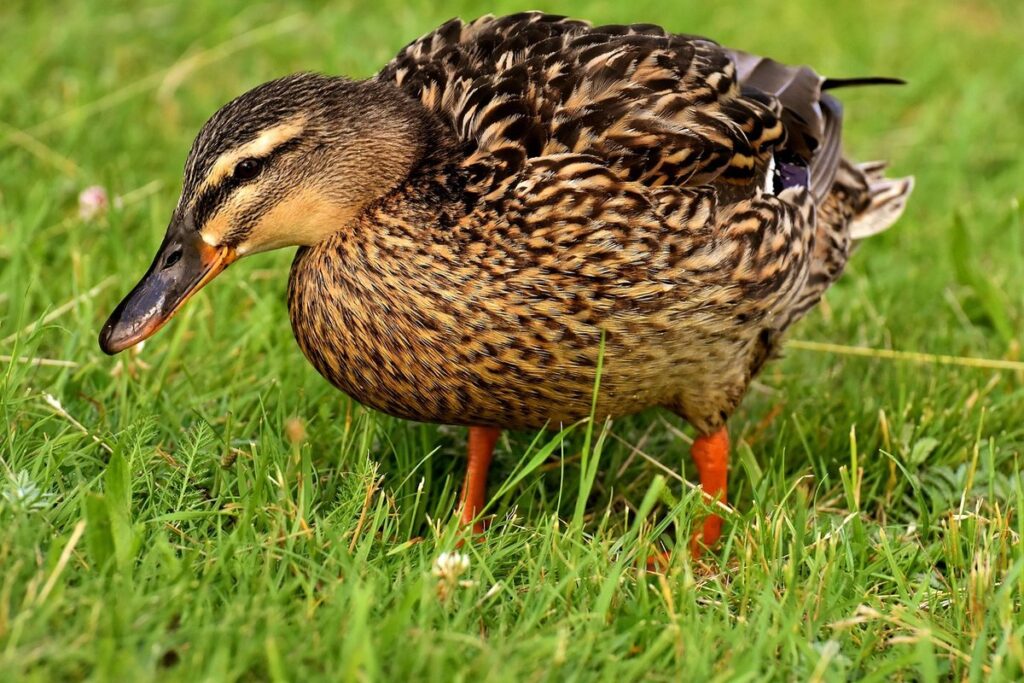
Introduction to Waterfowl
Let’s start by learning more about these two popular waterfowl species, each with unique characteristics that set them apart from one another. You’ll get an overview of the basics here.
Understanding the Importance of Waterfowl Identification
Accurately identifying waterfowl species is crucial for various reasons. When out on the water or visiting duck ponds, it’s easy to get excited about spotting these beautiful birds. However, misidentifying a Rouen duck as a Mallard can have significant consequences.
For one, incorrect identification can lead to misunderstandings in conservation efforts. For instance, if you mistakenly think you’ve spotted a rare species when it’s actually just a common one, you might inadvertently steer researchers or policymakers towards the wrong conservation strategies. This could result in valuable resources being misallocated and potentially harm populations of other species.
Moreover, accurate identification can also affect your own experience as a birder. If you’re not confident in identifying waterfowl, you may miss out on observing rare species or participating in citizen science projects that contribute to our understanding of these fascinating birds.
Overview of the Rouen Duck and Mallard Species
The Rouen duck and mallard are two of the most recognizable species within the waterfowl family. Both have a rich history that dates back centuries, with each having its unique origins.
The Rouen duck originated from France, specifically the Normandy region, where it was bred for its exceptional egg-laying abilities. This breed has been prized for its high-quality eggs and meat since the 19th century. In contrast, the mallard is a more widespread species native to Europe, Asia, and North America. It is one of the most adaptable waterfowl species, thriving in various habitats including wetlands, ponds, and even urban areas.
In terms of characteristics, Rouen ducks are larger than mallards, with males weighing up to 3 kg (6.6 lbs) compared to the mallard’s maximum weight of approximately 2 kg (4.4 lbs). Both species have distinctive plumage patterns, but the mallard’s striking green head and orange bill make it easily identifiable. Rouen ducks, on the other hand, have a more subdued appearance with a brownish-gray body.
Understanding these differences is essential when deciding which species to keep as pets or for egg production purposes. By knowing their origins, habitats, and characteristics, you can make an informed decision about whether the Rouen duck or mallard suits your needs best.
Physical Characteristics
When it comes to size and build, one of the most noticeable differences between Rouen ducks and Mallards is their overall appearance. Let’s take a closer look at how these two breeds stack up in terms of physical characteristics.
Size and Weight Comparison
When it comes to physical characteristics, size and weight are essential factors to consider. In terms of size, Rouen ducks tend to be larger than Mallards. On average, a mature Rouen duck can grow up to 3-4 pounds (1.36-1.81 kg) in weight and reach lengths of approximately 25 inches (63.5 cm). In contrast, Mallards typically top out at around 2-3 pounds (0.91-1.36 kg) in weight and are slightly shorter, reaching about 20-22 inches (50.8-55.9 cm) in length.
Notably, Rouen ducks have a more robust build than Mallards, with a deeper keel and a larger body mass. This difference in size is likely due to the breed’s origins as a dual-purpose duck, raised for both meat and eggs. Meanwhile, Mallards are generally leaner and more streamlined, reflecting their heritage as a game bird. If you’re planning to keep either breed, it’s essential to ensure your pond or enclosure can accommodate their specific size needs.
For instance, if you have limited space, a Rouen duck may require more room to move around comfortably due to its larger size. On the other hand, Mallards are relatively easier to care for in smaller spaces.
Plumage Patterns and Colors
When it comes to plumage patterns and colors, both Rouen ducks and Mallards exhibit distinct characteristics that set them apart from one another. The Rouen duck, for instance, boasts a rich, dark greenish-brown back with a warm golden sheen, while its breast is a mottled mix of brown and gray tones. In contrast, the Mallard has a more subdued plumage pattern featuring shades of brown, gray, and white.
One of the most notable differences between these two species lies in their head and neck markings. The Rouen duck displays a striking black eye patch and throat patch, giving it a sleek, high-fashion appearance. On the other hand, the Mallard’s head is more subdued, with a subtle yellow bill and a grayish-brown crown.
A closer inspection of these birds reveals additional unique features. For example, the Rouen duck’s wings display a striking black-and-white pattern, while the Mallard’s wings are more mottled in appearance. Overall, it’s the small yet telling details that help to distinguish one species from the other – an essential consideration for anyone looking to tell these two apart at a glance.
Bill Shape and Size
When it comes to distinguishing between Rouen ducks and Mallards, their bill shape and size can be quite telling. The Rouen duck’s bill is notably larger and wider than that of the Mallard, measuring around 3-4 cm (1.2-1.6 inches) in width compared to the Mallard’s 2-3 cm (0.8-1.2 inches). This significant difference in bill size has functional significance, as it allows Rouen ducks to forage more efficiently in wet environments.
In particular, their broad bills enable them to excavate plants and aquatic vegetation from the mud, making them well-suited to life in ponds and marshes. In contrast, Mallards tend to have more narrow bills that are better suited for dabbling and filtering small prey items from the water’s surface.
When observing these birds up close, it’s worth noting that the shape of their bills can also give away their identity. Rouen ducks often display a more rounded tip, whereas Mallards typically exhibit a slightly pointed bill shape.
Behavior and Habitat
Now that we’ve compared their physical characteristics, let’s dive into how Rouen Ducks and Mallards behave in different environments and habitats.
Rouen Duck Behavior
When it comes to understanding the behavior of Rouen ducks, their social structure is an essential aspect. Unlike some other duck breeds, Rouen ducks are known to be quite social and thrive in the company of others. They tend to form close bonds with their flock members and can even become protective of them.
In terms of foraging habits, Rouen ducks are efficient grazers that feed on a variety of plants, including grasses, aquatic vegetation, and grains. They have a unique way of foraging, using their webbed feet to search for food in shallow water or on land. It’s not uncommon to see them swimming with their beaks submerged, searching for tasty morsels beneath the surface.
When it comes to breeding, Rouen ducks are monogamous and form long-term pair bonds. They’re dedicated parents, with females laying around 8-12 eggs per clutch. Both males and females take turns incubating eggs and caring for their ducklings until they’re about four weeks old. With proper care and attention, Rouen ducks can make wonderful additions to a backyard flock or farm, providing endless entertainment and enjoyment for owners.
Mallard Behavior
Mallards are social birds that thrive in large groups, often living alongside other waterfowl species. In the wild, you can observe them forming close-knit flocks, typically consisting of 10-20 individuals, with a dominant male leading the group. These social interactions play a crucial role in their survival and reproductive success.
When it comes to feeding habits, mallards are opportunistic omnivores, consuming a wide variety of plants, insects, and small aquatic animals. They can be seen foraging on land and water, using their powerful legs and webbed feet to search for food. In urban areas, they often adapt to human-provided sustenance, such as bread and grains.
Mallards are monogamous birds, forming long-term pair bonds during the breeding season. Female mallards are responsible for building complex nests using vegetation and mud, often situated in a hidden location to protect their eggs from predators. The female lays 8-12 eggs, which she incubates for about 28 days before hatching. Successful broods can consist of up to 14 ducklings, although mortality rates can be high due to various environmental threats.
By understanding these aspects of mallard behavior, you can better appreciate their adaptability and resilience in diverse environments.
Comparative Analysis of Habitat Preferences
When it comes to habitat preferences, both Rouen ducks and Mallards have specific requirements that set them apart from one another. The ideal water depth for Rouen ducks is generally deeper than that of Mallards, with a preference for slow-moving rivers and lakes with depths ranging from 2-6 feet. This allows them to forage for food in the submerged vegetation that grows in these areas.
In contrast, Mallards are more adaptable when it comes to water depth and can be found in a variety of environments, including shallow ponds and parks. They tend to prefer areas with emergent vegetation such as cattails or bulrushes, which provide them with shelter and food sources.
Geographically, Rouen ducks are often associated with the coastal regions of Europe, while Mallards have a more widespread distribution across North America and Europe. Understanding these habitat preferences can be helpful for anyone looking to attract either species to their local waterways. For example, if you’re trying to create a duck-friendly habitat in your backyard pond, planting native vegetation that provides shelter and food sources may help attract Rouen ducks or Mallards depending on the specific conditions of your area.
Breeding and Nesting
When it comes to raising these waterfowl, understanding their breeding and nesting habits is crucial for any duck enthusiast. We’ll explore how Rouen ducks and Mallards differ in this essential aspect of their lives.
Rouen Duck Breeding Habits
When it comes to breeding habits, rouen ducks exhibit some unique characteristics that set them apart from their counterparts. During courtship rituals, male rouens will engage in a series of displays to attract females, including strutting, quacking, and vibrating their tails.
Once paired, the female rouen will begin searching for an ideal nesting site, often choosing secluded areas with dense vegetation or hidden from potential predators. The actual nest is constructed using a mixture of plant material, mud, and down feathers, with the female carefully tucking it into her plumage to camouflage it from view.
Incubation typically lasts around 28-30 days, during which time the male rouen will take on feeding duties, bringing food to his mate while she sits on the eggs. Interestingly, if the female fails to produce viable offspring, she may reuse the same nest in subsequent breeding attempts, a behavior not observed in mallards.
It’s worth noting that proper breeding conditions and management can significantly impact the success rate of rouen duck pairs. Providing an optimal environment with suitable space, adequate nutrition, and stress-free living arrangements is crucial for fostering successful courtship rituals and reproductive habits.
Mallard Breeding Habits
Mallards are prolific breeders and can be found on every continent except Antarctica. When it comes to mating rituals, mallards are known for their monogamous behavior, with pairs forming in the spring and remaining together until the breeding season is over. During courtship, males will display a variety of behaviors to attract females, including loud quacking, posturing, and preening.
Once paired, mallards will begin building their nests, typically choosing secluded areas near water sources such as ponds, lakes, or slow-moving streams. The female mallard will lay an average of 9-13 eggs per clutch, which she will incubate for approximately 28 days. During this time, the male will provide protection and food to the female.
After hatching, ducklings are precocial, meaning they are relatively mature and mobile from birth. The female mallard will lead her brood to nearby water sources where they can feed on aquatic plants, insects, and small invertebrates. It’s essential for backyard pond owners or those interested in raising mallards to provide a safe and protected environment for breeding pairs and their offspring.
Mallards are opportunistic breeders and can have multiple clutches throughout the year, depending on factors such as food availability, climate, and predation pressure.
Comparative Analysis of Nesting Success Rates
When it comes to breeding and nesting, both Rouen ducks and Mallards exhibit distinct behaviors that can impact their success rates. Research has shown that the average nesting success rate for Rouen ducks is around 70-80%, whereas Mallards typically achieve a slightly lower rate of approximately 60-70%. Several factors contribute to these differences.
For instance, habitat selection plays a crucial role in determining nesting success. Rouen ducks tend to favor more protected areas with dense vegetation, which reduces the risk of predation and human disturbance. In contrast, Mallards often choose more exposed locations near water sources, increasing their vulnerability to predators and human activity.
Furthermore, reproductive habits also influence nesting success rates. Rouen ducks are known for forming long-term monogamous pairs, which can lead to increased parental care and cooperation during breeding season. On the other hand, Mallards exhibit a higher level of promiscuity, with males often mating with multiple females. This polygynous behavior may compromise their reproductive success due to reduced paternal investment.
Ultimately, understanding these differences in nesting behaviors can inform best practices for managing and conserving both species. By providing suitable habitats and promoting monogamous breeding pairs, conservation efforts may be more effective in increasing overall nesting success rates.
Diet and Nutrition
When it comes to choosing a healthy feed for your duck, understanding their specific dietary needs is crucial. Let’s explore the nutrition requirements of both Rouen ducks and Mallards.
Rouen Duck Dietary Preferences
When it comes to the dietary preferences of Rouen ducks, they are known to be opportunistic feeders, taking advantage of whatever food sources are available to them. In the wild, this means they will forage for aquatic plants, insects, and small crustaceans. However, when kept as domesticated waterfowl, they require a balanced diet that meets their nutritional needs.
A Rouen duck’s dietary requirements can be met by providing a mix of grains, vegetables, and protein sources. A good starting point is to offer commercial duck pellets as the main staple, supplemented with fresh fruits and vegetables such as leafy greens, carrots, and sweet potatoes. You should also provide access to clean water at all times.
It’s worth noting that Rouen ducks have a high metabolic rate and require more protein than other duck breeds. As a result, it’s essential to include protein-rich foods in their diet, such as mealworms or crickets. Aiming for a balanced ratio of 20% protein, 30% fat, and 50% carbohydrates will help ensure your Rouen ducks are getting the nutrients they need to thrive.
Mallard Dietary Preferences
Mallards are known to be opportunistic feeders, which means they’ll eat what’s readily available. Their diet consists mainly of plant-based foods like grasses, aquatic plants, and grains. They also forage for insects, worms, and small crustaceans to supplement their nutrition. In the wild, mallards have been observed feeding on waste grain left behind by farmers, which can lead to a reliance on human-provided food sources.
Domesticated mallards, on the other hand, require a balanced diet that mimics their natural foraging habits. A good mix of fruits, vegetables, and grains should be provided daily. It’s also essential to include protein-rich foods like mealworms or crickets to support muscle growth and development. For backyard keepers, offering live plants like duckweed or watercress can provide a fun and engaging way to encourage natural foraging behaviors.
When it comes to nutritional needs, mallards require a diet rich in calcium to support strong bone growth. Leafy greens like kale or collard greens are excellent sources of calcium, as well as essential vitamins A and E. Provide fresh water at all times, and consider supplementing with electrolyte-rich foods during hot weather to prevent dehydration.
Comparative Analysis of Nutritional Requirements
When it comes to nutrition, both Rouen ducks and Mallards have distinct requirements that cater to their unique characteristics. As omnivores, they need a balanced diet rich in proteins, carbohydrates, and fats. However, the ideal nutrient composition can vary significantly between the two species.
Rouen ducks require more protein than Mallards, as they are larger and produce more meat. They also need higher levels of calcium to support their rapid growth rate. In contrast, Mallards have a lower protein requirement due to their smaller size and slower growth rate. A study published in the Journal of Avian Science found that Rouen ducks require 1.2-1.5% protein in their diet, whereas Mallards need only 0.8-1.2%.
To meet these nutritional needs, you should provide your flock with a mix of commercial duck feed and supplements rich in calcium and vitamins. For example, you can add crushed eggshells or dark leafy greens like kale to their diet. By understanding the specific nutritional requirements of each species, you can ensure that both Rouen ducks and Mallards receive the right balance of nutrients for optimal health and productivity.
Conservation Status
Let’s take a closer look at the conservation status of these two fascinating waterfowl species, exploring their current populations and any threats they face. We’ll break down the key numbers.
Rouen Duck Conservation Efforts
Rouen ducks are facing various threats to their population, making conservation efforts crucial for their survival. Habitat preservation and management initiatives are at the forefront of these efforts.
The Rouen Duck Conservation Association (RDCA) has been instrumental in safeguarding the natural habitats of rouen ducks. The organization works closely with local governments and landowners to establish protected areas and promote sustainable practices. This includes restoring wetlands, maintaining water quality, and preventing invasive species from encroaching on native habitats.
Another key aspect of conservation efforts is population monitoring. Researchers track the movement patterns, breeding habits, and population sizes of rouen ducks. This data helps identify areas where conservation efforts are most needed. For example, a study in the UK revealed that rouen duck populations declined by 30% between 2010 and 2020 due to habitat loss and fragmentation.
To support conservation efforts, individuals can get involved by volunteering for local clean-up initiatives or participating in citizen science projects. By making conscious choices about our daily habits, such as using eco-friendly products and reducing plastic use, we can contribute to a larger effort to protect rouen duck habitats. Every small action counts, and collective action can have a significant impact on the conservation of this unique species.
Mallard Conservation Efforts
Mallards are one of the most widely distributed and abundant duck species globally. However, their populations have faced numerous threats, leading to conservation efforts aimed at protecting and preserving them. Habitat restoration is a crucial aspect of these endeavors. Wetlands and grasslands that provide crucial breeding grounds for mallards are being restored and protected through initiatives like the North American Waterfowl Management Plan.
Population monitoring also plays a vital role in understanding and addressing the needs of mallard populations. Studies have shown that habitat loss and fragmentation can significantly impact mallard numbers, emphasizing the importance of preserving natural habitats. For instance, conservation efforts in the UK’s Wicken Fen National Nature Reserve have seen a significant increase in mallard populations following wetland restoration.
Effective conservation requires collaboration among local communities, government agencies, and wildlife organizations. Engaging with stakeholders helps identify priority areas for action and ensures that conservation strategies are tailored to specific regional needs.
Comparative Analysis of Conservation Challenges
When it comes to conservation challenges, both Rouen ducks and Mallards face significant threats. One of the primary concerns shared by both species is habitat loss and degradation due to urbanization and agricultural activities. For instance, the destruction of wetlands and natural habitats not only reduces their living spaces but also eliminates crucial food sources.
Another challenge they share is pollution, with oil spills, pesticides, and fertilizers affecting their water quality. However, a unique conservation concern for Rouen ducks is their limited geographic range, making them more vulnerable to extinction. They are primarily found in Europe, whereas Mallards have a wider distribution across the globe.
In terms of specific threats, Mallards face issues related to hunting and egg collecting, which can significantly impact local populations. In contrast, Rouen ducks struggle with invasive species such as American mink, which prey on their ducklings and eggs. As a result, conservation efforts must be tailored to address these unique challenges while also addressing the shared concerns of habitat loss and pollution.
Frequently Asked Questions
Can I keep Rouen ducks and Mallards together if they’re from the same habitat?
While it’s technically possible to keep these birds together, it’s essential to consider their unique characteristics and needs. Rouen ducks are known for their more aggressive behavior compared to Mallards. Introducing them together can lead to conflicts over resources or space. It’s recommended to maintain separate enclosures or aviaries, ensuring each species has its own designated area.
How do I determine the sex of a Rouen duck or Mallard?
Sexing waterfowl can be challenging, but there are visual cues that can help. For Rouen ducks, males tend to have a larger size and weight compared to females. In contrast, male Mallards typically display more vibrant colors during mating season, while females appear duller in color. It’s also essential to observe the behavior of the birds; males often engage in courtship displays.
Can I breed Rouen ducks or Mallards at home?
Breeding waterfowl requires significant expertise and specialized facilities. If you’re interested in breeding these species, it’s crucial to research local laws and regulations regarding bird ownership and breeding. Ensure you have adequate space, proper nutrition, and a suitable environment for the birds.
What are some common mistakes to avoid when caring for Rouen ducks or Mallards?
Some common pitfalls include inadequate housing, improper diet, and insufficient veterinary care. Always prioritize providing a safe, naturalistic environment with ample space for exercise and swimming. Regularly monitor their health and nutrition to ensure they receive optimal care.
How can I support the conservation of these species in my community?
There are several ways to contribute to waterfowl conservation efforts. Consider participating in local clean-up initiatives or bird counts, which help gather essential data on population sizes and habitats. You can also collaborate with nearby wildlife organizations or join online forums focused on waterfowl conservation.
What should I do if I encounter an injured Rouen duck or Mallard?
If you come across an injured waterfowl species, it’s vital to handle them carefully and humanely. Contact local animal control services or a licensed wildlife rehabilitator for assistance. Never attempt to treat the bird yourself, as this can exacerbate injuries.