
Are you a backyard chicken owner who’s worried about those sneaky predators getting to your flock? You’re not alone! Choosing the right poultry fencing can be overwhelming, especially when it comes to determining the perfect height. Did you know that a minimum fence height of 3 feet is often recommended to keep out common predators like raccoons and foxes? But what if you live in an area with more aggressive predators or have particularly curious chickens? It’s crucial to get it right to ensure your girls stay safe.
In this article, we’ll walk you through everything you need to know about calculating the minimum height requirements for your poultry fence. We’ll also cover the best materials to use and provide tips on how to maintain your fence to keep those predators at bay. By the end of this post, you’ll be equipped with the knowledge to create a safe and secure enclosure for your backyard chickens.
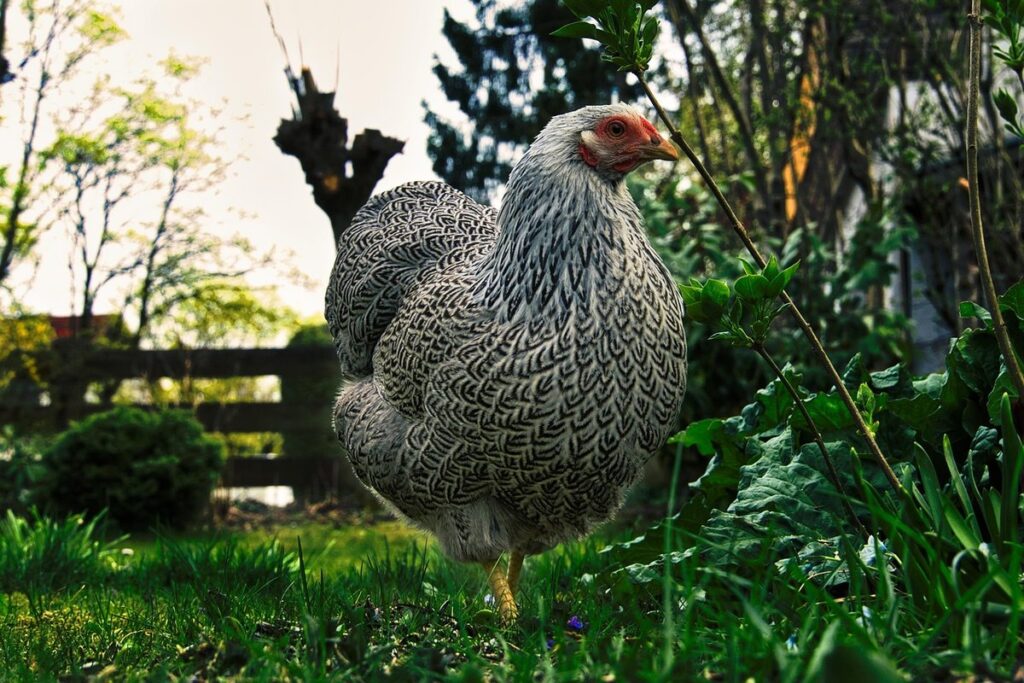
Understanding the Importance of Poultry Fencing
When it comes to protecting your flock, understanding the importance of poultry fencing can be the difference between a safe and secure home and one that’s vulnerable to predators. This section will explore why proper fencing is essential for safeguarding your birds.
Types of Predators That Threaten Backyard Chickens
Backyard chickens are susceptible to predation from various species, each with unique characteristics and hunting strategies. Coyotes, for instance, are a major concern for many chicken keepers. These canines are highly adaptable, intelligent, and opportunistic feeders that can easily scale fences if they’re not high enough. In fact, coyote attacks on chickens have become increasingly common in suburban areas.
Foxes, another significant threat to backyard chickens, are also skilled climbers and diggers. They can squeeze through tiny openings or dig under low-lying fences with ease. Raccoons, meanwhile, are notorious for their dexterous hands and ability to open latches or gates. Domestic dogs, while often seen as friendly companions, can also pose a threat to chickens if they’re not well-trained or supervised.
To protect your flock from these predators, it’s essential to choose the right poultry fence height and installation method. A sturdy fence that’s at least 3-4 feet high is recommended for most areas, but this may need to be adjusted depending on local predator populations and their jumping ability.
Consequences of Underestimating Predator Threats
Underestimating predator threats can have far-reaching consequences that go beyond just financial losses. The emotional distress caused by losing prized birds can be significant, leading to feelings of guilt, anxiety, and even depression. In some cases, the loss of a beloved pet can also lead to health risks for humans, particularly children who may develop attachment issues or become withdrawn.
According to a study by the American Farm Bureau Federation, the average annual loss due to wildlife depredation in the United States is approximately $1 billion. This staggering figure highlights the importance of taking predator threats seriously and implementing effective measures to prevent losses. In reality, these losses can be devastating for small-scale farmers and backyard chicken keepers who rely on their flocks as a source of income or food.
In addition to financial losses, underestimating predator threats can also lead to potential health risks for humans, particularly when it comes to diseases like avian influenza and salmonella. By taking proactive steps to secure your flock, you can minimize the risk of predator attacks and protect not only your birds but also yourself and your family.
Measuring Poultry Fencing for Optimal Protection
To build a poultry fence that effectively keeps predators at bay, you need to accurately measure and assess its structural integrity. This includes taking note of key features such as post spacing and wire tension.
Determining the Minimum Height Requirement
When it comes to determining the minimum height requirement for poultry fencing, there are several factors to consider. Firstly, local regulations play a significant role in setting the minimum height standards. In many areas, municipalities have specific ordinances that dictate the maximum height of fences to ensure they don’t obstruct neighboring properties or create visibility issues.
In addition to local regulations, breed-specific guidelines also come into play. Some poultry breeds are more susceptible to predators due to their size, temperament, or natural instincts. For instance, larger bird species like turkeys and geese require taller fencing to prevent escape attempts and predator entry. Experts recommend a minimum height of 6-8 feet for these breeds.
Furthermore, expert recommendations suggest that the fence height should be determined based on the severity of local wildlife threats. If coyotes, foxes, or other large predators are present in your area, you’ll want to opt for a taller fence, typically around 8-10 feet high. Conversely, if the primary threat is smaller animals like raccoons or opossums, a lower height of 6-7 feet may suffice.
To ensure optimal protection, it’s essential to consider these factors when determining your poultry fencing minimum height requirement. Consult local regulations and breed-specific guidelines, then balance those recommendations with expert advice on predator severity in your area.
Calculating the Total Height Needed for Effective Deterrence
To calculate the total height needed to effectively deter predators, you’ll need to consider three key factors: fence material, terrain, and surrounding vegetation. Start by researching the average height of the predator species you’re concerned about, such as coyotes or foxes. A good rule of thumb is to add 1-2 feet to the predator’s average height for a taller fence.
Next, take into account the type of fence material you’re using. For example, if you’re installing a sturdy wooden post-and-board fence, it will likely be more effective than a lightweight mesh fence. A general guideline is to increase the overall height by 1-2 feet for metal or chain link fences, and 3-4 feet for wood or vinyl.
Additionally, consider the terrain around your property. Fences installed in areas with dense vegetation or steep slopes may require additional support and increased height to prevent collapse or damage. For instance, if you live in an area prone to high winds, a taller fence can help prevent damage from gusts.
Choosing the Right Poultry Fence Material
When it comes to building a poultry fence, selecting the right material is crucial for protecting your birds from predators. In this next part of our guide, we’ll explore your options.
Pros and Cons of Different Materials
When it comes to choosing the right poultry fence material, several options are available, each with its pros and cons. Chicken wire is a popular choice due to its affordability and ease of installation. However, it’s not very effective against predators like coyotes or foxes, as they can easily chew through it.
On the other hand, hardware cloth is a more robust option that provides better protection against large predators. Its mesh size is usually 1 inch by 4 inches, making it difficult for animals to squeeze through. However, it’s also more expensive and can be heavier than chicken wire.
Electric netting is another option that uses electrified wires to deter predators. It’s relatively inexpensive and easy to move around, but it requires regular maintenance to ensure the integrity of the electrical system. Vinyl or PVC fencing is a durable option that provides long-term protection against predators. However, it can be expensive and may not be suitable for larger farms or areas with harsh weather conditions.
Ultimately, the choice of material depends on your specific needs and circumstances.
Maintenance Considerations for Durable Fencing Options
When choosing durable fencing options for your poultry farm, it’s essential to consider maintenance requirements to ensure their longevity and effectiveness over time. Regular upkeep can be the difference between a sturdy fence that protects your flock and one that fails under pressure.
For instance, metal fences require occasional inspections to check for signs of rust or corrosion. A thorough cleaning with a wire brush and some soap will help maintain their condition. Wooden fencing, on the other hand, needs regular staining or sealing to protect it from rot and insect damage.
High-tensile wire fences demand more attention as they can sag over time due to weather conditions. Make sure to check and tighten loose wires regularly to prevent gaps that predators might exploit. Consider installing tensioning tools for easier adjustments.
When selecting a durable material, also consider the ease of maintenance it offers. A fencing option with minimal upkeep requirements will give you peace of mind knowing your flock is safe from predators. By incorporating regular checks and simple maintenance tasks into your routine, you can ensure your poultry fence remains effective and secure over time.
Installing Poultry Fencing for Maximum Effectiveness
To install a poultry fence effectively, you’ll need to consider several key factors, such as post spacing and material durability. Proper installation is crucial for ensuring your flock’s safety.
Tips for Smooth Installation
When it comes to installing poultry fencing, many farmers and backyard chicken keepers can get bogged down in details. To ensure a smooth installation process, start by preparing the ground where you’ll be placing the fence. Clear away any debris or obstructions, and if necessary, till the soil to create a level surface.
Next, consider the post spacing of your fencing system. A general rule of thumb is to space posts 8-10 feet apart for standard poultry fencing. However, this can vary depending on the type of predator you’re trying to deter – larger predators like coyotes may require more robust and closely spaced fencing. For example, a study found that coyote-deterrent fencing required an average spacing of just 5 feet.
Once your fence is erected, secure each section with sturdy wire or tape. This will help prevent gaps from forming over time and keep predators out of the enclosure.
Ensuring Secure Connections for Predator-Proofing
Secure connections between fence sections, posts, and gates are crucial when it comes to predator-proofing your poultry enclosure. A single weak link can compromise the entire structure, allowing predators to exploit gaps and gain access to your birds.
When installing poultry fencing, it’s essential to ensure that all joints and intersections are secure. Use sturdy fence connectors or hinges specifically designed for poultry fencing to prevent sagging or separation of sections. Make sure to tighten screws and bolts regularly to maintain a snug fit.
Regular inspections can also help identify potential weaknesses. Check the fencing for signs of wear and tear, such as loose wire or posts that have shifted over time. If you notice any gaps or weaknesses, take immediate action to repair them before they become larger problems.
In fact, a study by the National Agricultural Statistics Service found that 60% of poultry farms reported losses due to predator attacks, often caused by weak fencing. By prioritizing secure connections and regular maintenance, you can significantly reduce the risk of predator-related losses and keep your birds safe.
Monitoring and Maintaining Poultry Fencing
Now that you have your poultry fence set up, let’s talk about how to keep it secure and effective over time with regular monitoring and maintenance. This is crucial for predator protection.
Regular Inspections for Damage or Weaknesses
Regular inspections are crucial to maintaining the integrity of your poultry fencing and detecting potential weaknesses that predators might exploit. As a responsible poultry owner, it’s essential to keep an eye out for signs of wear, tampering, or predator activity. Inspect your fence at least once a week, paying attention to areas prone to damage such as corners, gates, and any sections with loose wire or broken posts.
Check for signs of predator activity like scratched or chewed wood, torn wire mesh, or displaced soil around the fence perimeter. Also, look out for any unusual gaps in the fence line, which can be a result of tampering or natural degradation over time. If you notice any damage or weaknesses, address them promptly to prevent predators from exploiting them.
Keep in mind that regular inspections will also help you identify potential maintenance needs before they become major issues.
Adjusting Fence Height or Design as Needed
As you monitor and maintain your poultry fencing, it’s essential to remain vigilant and adapt to changing circumstances. New predator threats or shifts in weather conditions may necessitate adjustments to your fence height or design. For instance, if you notice an increase in fox activity, you may need to raise the height of your fence to prevent them from jumping over. Conversely, if you’re dealing with persistent bird predation, a more complex netting system might be necessary.
Keep a close eye on local wildlife patterns and adjust your fencing accordingly. If you live in an area prone to severe weather events, such as strong winds or heavy snowfall, consider investing in sturdy fencing materials that can withstand these conditions. Be prepared to make adjustments seasonally, too – for example, adding extra netting during peak bird migration periods.
By being proactive and responsive to changing circumstances, you’ll be better equipped to protect your flock from predators and maintain the integrity of your fencing system. Regularly inspect your fence and make adjustments as needed to ensure it remains an effective barrier against potential threats.
Additional Considerations for Effective Poultry Security
When building a poultry fence, it’s easy to focus on height and forget other crucial factors that can impact its effectiveness against predators. Let’s take a closer look at these often-overlooked considerations.
Integrating Other Deterrents and Strategies
While a sturdy poultry fence is an essential component of protecting your birds from predators, it’s not the only line of defense you can employ. Complementing your fencing with other deterrents and strategies can significantly enhance its effectiveness.
Consider introducing guard animals to your flock. These can be dogs specifically bred for guarding livestock or even larger breeds like Great Pyrenees or Maremmas that are naturally protective of their territory. By placing these guardians near the perimeter of your property, they’ll serve as an additional warning system for any potential predators.
Motion-activated sprinklers and night lighting are also effective deterrents to consider. These devices can be placed strategically around your property to startle or disorient predators at night when they’re most active. For example, installing a motion-activated sprinkler near a vulnerable area like a gate or doorway can prompt an intruder to reconsider their approach.
When incorporating these additional measures into your poultry security plan, remember to position them thoughtfully and in conjunction with your fencing system for maximum impact.
Creating a Safe and Secure Backyard Ecosystem
Creating a safe and secure backyard ecosystem is crucial not only for the well-being of your chickens but also for the health and safety of everyone involved. Good husbandry practices are essential to maintaining a healthy flock, which includes regular cleaning of their living area, coops, and runs. This means removing soiled bedding material and manure daily, disinfecting feeders and waterers regularly, and keeping an eye out for signs of illness or stress in your birds.
Disease prevention is also vital, and this starts with a clean and well-ventilated coop that’s protected from the elements. Make sure to provide enough space for your chickens to move around comfortably, as overcrowding can lead to disease spread. Regularly inspecting your flock for signs of illness or stress and taking prompt action will help prevent the spread of disease.
By maintaining good hygiene practices, you’ll not only keep your chickens healthy but also reduce the risk of attracting predators to your yard.
Frequently Asked Questions
What if I have a large backyard with uneven terrain – can I still use the same poultry fence height calculation method?
The poultry fence height calculation is based on average predator jumping abilities, but it’s essential to consider your specific yard conditions. For sloping areas or large spaces, you may need to increase the fence height by an additional 6-12 inches to ensure adequate coverage.
Can I use a combination of different fencing materials for my backyard poultry enclosure?
Yes, mixing and matching different materials can be effective in creating a secure and safe environment for your flock. For example, using chicken wire or hardware cloth for the base layer and adding a netting top layer can provide extra protection against aerial predators.
What if I’m dealing with a specific predator threat that’s not listed in this article – how do I determine the minimum height requirement?
When facing an unknown predator threat, consult local wildlife experts or agricultural extension services to gather information about the typical jumping ability and behavior of the species. Then, adjust your poultry fence height accordingly to ensure adequate protection.
How often should I inspect my poultry fencing for damage or weaknesses, especially after extreme weather conditions?
Regular inspections are crucial in maintaining a secure poultry enclosure. Schedule monthly checks during peak predator seasons (e.g., spring and fall), and immediately address any signs of damage or weakness to prevent predator entry.
Can I use existing fencing as part of my poultry enclosure, or do I need to install new fencing specifically designed for poultry?
While using existing fencing can be cost-effective, ensure it meets the necessary security standards for your flock. If your current fence is damaged, worn out, or not designed with poultry in mind, consider upgrading to a predator-proof material and design that aligns with your calculated minimum height requirement.