
Are you tired of worrying about predators getting into your backyard flock? Do you want to ensure the health and safety of your beloved chickens while also being kind to the environment? Solar electric poultry netting is here to revolutionize the way you protect your birds. This innovative solution not only keeps predators at bay but also provides an efficient and eco-friendly way to power your fencing system.
In this article, we’ll explore how solar electric poultry netting offers improved predator protection, energy efficiency, and enhanced flock health, all while complying with local regulations. We’ll dive into the benefits of switching to a solar-powered netting system, from reducing your carbon footprint to keeping your birds safe from harm. Whether you’re a seasoned farmer or just starting out, this article will provide you with the knowledge you need to make an informed decision about the best fencing solution for your flock.
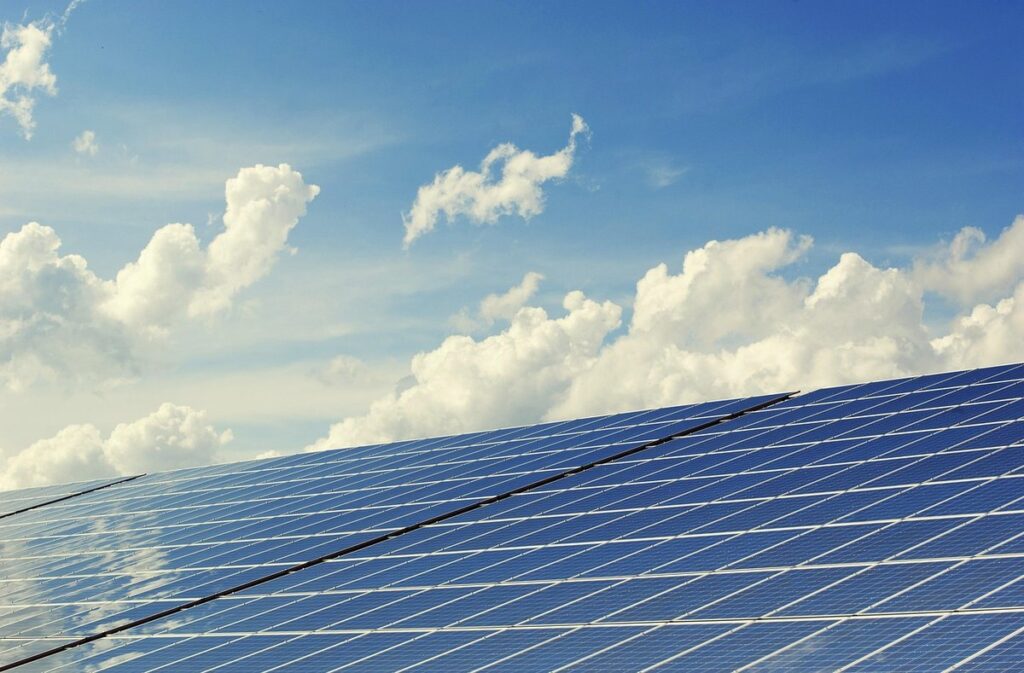
Benefits and Advantages of Solar Electric Poultry Netting
As you explore the benefits of solar electric poultry netting, let’s dive into its advantages that will make your life easier and more efficient in managing your backyard flock.
Improved Predator Protection
One of the most significant advantages of solar electric poultry netting is its ability to provide improved predator protection for your flock. Predators such as coyotes, foxes, and stray dogs can pose a significant threat to your chickens, especially at night when they are most active. Solar-powered netting offers a safe and effective deterrent against these predators.
The electrified mesh of solar poultry netting is designed to deliver a harmless but unpleasant shock to any predator that attempts to enter the enclosure. This discourages them from trying again in the future, providing a strong and reliable defense for your flock. In fact, studies have shown that using electric fencing can reduce predation rates by up to 90%.
To get the most out of solar poultry netting’s predator protection features, make sure to properly install it according to the manufacturer’s instructions. This includes ensuring the net is tall enough to prevent predators from jumping over and wide enough to prevent them from squeezing through. By doing so, you can enjoy peace of mind knowing your flock is safe and secure.
Energy Efficiency and Cost-Effectiveness
One of the most significant advantages of solar electric poultry netting is its energy efficiency and cost-effectiveness. By harnessing renewable energy from the sun, you can significantly reduce your reliance on traditional power sources and lower your electricity bills.
In fact, according to a study by the National Renewable Energy Laboratory (NREL), solar-powered systems can save farmers up to 70% on their energy costs. This is especially beneficial for poultry farming operations that require constant lighting and ventilation to maintain optimal health conditions for the birds.
To give you an idea of just how cost-effective solar electric poultry netting can be, consider this: a typical solar panel system can generate enough electricity to power a 1-acre poultry farm’s entire operation, including lighting, ventilation, and monitoring systems. This means that once your initial investment is paid off (typically within 5-7 years), you’ll enjoy virtually free energy for the life of the system.
By making the switch to solar electric poultry netting, you’ll not only save money on your electricity bills but also contribute to a more sustainable future by reducing your carbon footprint.
Enhanced Flock Health and Well-being
One of the most significant benefits of solar electric poultry netting is its positive impact on bird stress levels. When birds are free to roam and forage without predators lurking in the shadows, they experience a substantial reduction in stress. This, in turn, leads to improved overall health and well-being.
Disease prevention is another area where solar electric poultry netting shines. By securing the flock safely within their enclosure, you reduce the risk of disease transmission between birds. For instance, according to research by the National Poultry Board, diseases like Marek’s and Newcastle Disease are often spread through predator attacks on weakened birds. With solar electric fencing in place, these threats become much more manageable.
In terms of practical application, consider incorporating a “bird-friendly” design into your netting system. This might include adding perches or roosting bars to allow birds to exercise while safely enclosed within their habitat. By prioritizing bird health and well-being through thoughtful design and implementation of solar electric poultry netting, you can enjoy the benefits of increased egg production, improved flock morale, and reduced veterinary expenses in the long run.
Types of Solar Electric Poultry Netting Systems
You’re likely wondering which type of solar electric poultry netting system is right for you, and that’s exactly what we’ll cover in this next section.
Portable and Permanent Installation Options
When it comes to solar electric poultry netting systems, one of the most critical decisions you’ll make is whether to opt for a portable or permanent installation. Both options have their benefits and limitations, which we’ll explore below.
Portable installations offer flexibility and ease of use. They’re ideal for farmers with limited land or those who need to move their flock regularly. Portable solar electric poultry netting systems can be easily set up and taken down, making them a great choice for farmers with multiple properties or seasonal operations. For example, if you have a small farm with several pastures, portable installations allow you to quickly move the netting system between fields without incurring significant setup and teardown costs.
However, portable installations often come with higher upfront costs due to the need for more frequent equipment replacement and maintenance. On the other hand, permanent installations provide long-term cost savings by minimizing equipment replacement needs. They’re also a great choice for large-scale farming operations where the netting system will be in place for an extended period.
When deciding between portable and permanent installations, consider your specific needs and resources. If you have limited space or need to move your flock frequently, a portable installation might be the better choice. However, if you have a larger operation with a stable setup, a permanent installation could provide long-term cost savings and convenience.
Wire and Post Configurations
When it comes to solar electric poultry netting systems, wire and post configurations play a crucial role in keeping birds safe and secure. There are several designs to choose from, each with its pros and cons.
One common configuration is the “high-tensile” design, where two high-strength wires are strung between posts at a height of around 3-4 feet. This setup provides excellent predator resistance but can be challenging to install for DIY enthusiasts. On the other hand, it’s an affordable option that offers great value for larger poultry operations.
Another popular configuration is the “double-string” design, featuring two separate strings of wire spaced about 12 inches apart. This setup is ideal for smaller farms or backyard chicken keepers, as it provides a high level of security without being too expensive to install. However, it may not be as effective against more determined predators.
In addition to these designs, some solar electric poultry netting systems incorporate “corner posts” that provide additional support and stability. These corner posts can be especially useful for larger or irregularly-shaped enclosures.
When selecting a wire and post configuration, consider factors such as the size of your flock, the type of predators in your area, and your budget. By weighing these factors, you can choose the best setup for your specific needs and ensure the safety and well-being of your birds.
Choosing the Right Solar Electric Poultry Netting System
When it comes time to select a solar electric poultry netting system, you’ll want to consider factors such as your flock’s size and type, as well as the specific features you need.
Assessing Flock Size and Space Requirements
When it comes to selecting the right solar electric poultry netting system for your farm or backyard flock, assessing your flock size and space requirements is crucial. This ensures that you have enough room for your birds to roam comfortably while keeping them safe from predators.
To determine your flock size and space needs, start by considering the breed and age of your chickens. Different breeds require varying amounts of space, so it’s essential to research the specific needs of your birds. For example, larger breeds like Orpingtons need more space than smaller breeds like Leghorns.
A good rule of thumb is to provide at least 2-4 square feet per bird inside the coop and 8-10 square feet per bird in the run. Additionally, consider the size of your flock and the amount of space needed for future expansion. A larger flock will require more space, so plan accordingly.
Consider also the layout of your land and how you can make the most efficient use of space. This might involve designing a multi-level coop or using vertical space to maximize the area available for your birds to roam. By carefully assessing your flock size and space requirements, you’ll be able to choose a solar electric poultry netting system that meets their needs and provides a safe and healthy environment for your birds.
Budget-Friendly Options vs. High-Tech Solutions
When it comes to choosing a solar electric poultry netting system, you’re likely considering budget-friendly options and high-tech solutions. While cost-effectiveness is a crucial factor, weighing features against price can be overwhelming.
Budget-friendly options might appeal to those on a tight budget or with smaller flock sizes. These systems typically come with basic features, such as automatic doors and simple controls. For instance, the $300 Solar Netting System from Company A includes a solar panel, netting, and a basic controller, making it an affordable choice for small-scale poultry keepers.
However, high-tech solutions often offer more advanced features, like wireless connectivity, remote monitoring, and customized settings. These features can provide greater peace of mind and flexibility, but come with a higher price tag – sometimes exceeding $1,000 or more. For example, the $1,200 SolarNet Pro system from Company B includes Wi-Fi connectivity, real-time monitoring, and automated scheduling.
Consider your specific needs before making a decision: do you require advanced features, or can you stick to basic functionality? Evaluate your budget, flock size, and management style to choose a solution that balances cost-effectiveness with feature requirements.
Installation and Maintenance Tips
Now that you’ve set up your solar electric poultry netting, let’s dive into some crucial installation and maintenance tips to ensure its longevity. Proper setup is key!
Step-by-Step Installation Process
Installing solar electric poultry netting requires attention to detail and a methodical approach. Start by ensuring you have all necessary components, including the netting, posts, and solar panel. Read through the manufacturer’s instructions carefully before commencing setup.
To begin, lay out the netting along the fence line, using stakes or rope to secure it in place. Next, attach the netting to the posts, making sure they are evenly spaced for optimal coverage. It’s essential to ensure all connections are secure and won’t compromise the integrity of the system during a power outage.
When installing the solar panel, position it near the coop or main access point for maximum sunlight exposure. Connect the panel to the netting, following the manufacturer’s guidelines for voltage requirements. Double-check all electrical connections before activating the system.
During setup, inspect the netting and posts regularly for any signs of wear or damage. Make adjustments as needed to maintain optimal coverage and prevent potential escape routes. Regular maintenance is crucial to extend the life of your solar electric poultry netting.
Regular Cleaning and Repair Procedures
Regular cleaning and repair procedures are crucial to maintaining the optimal performance of your solar electric poultry netting system. Over time, debris such as dirt, twigs, and feathers can accumulate on the netting, causing it to lose its effectiveness. To keep your system running smoothly, schedule regular inspections every 2-3 months.
During these inspections, remove any visible debris from the netting using a soft-bristled brush or a gentle scrubber. For more stubborn stains or areas with high buildup, mix a solution of mild soap and water, apply it to the affected area, and let it sit for about 10 minutes before rinsing off thoroughly.
In addition to cleaning, regularly check the netting’s tension to ensure it remains even and secure. Loose netting can be vulnerable to damage from strong winds or animal tampering. Re-tension any loose areas as needed. By incorporating these simple maintenance tasks into your routine, you’ll be able to extend the lifespan of your solar electric poultry netting system and keep your flock safe and secure within its confines.
Safety Precautions and Regulations
When using solar electric poultry netting, it’s crucial to follow important safety precautions to avoid electrical shock or injury to humans and animals alike. This section will guide you through the necessary regulations and guidelines.
Netting System Interference with Aerial Devices
When installing solar electric poultry netting, it’s essential to consider potential issues related to interference with aerial devices like drones or balloons. These devices can pose a threat to the integrity of your netting system, as well as the safety and security of your birds.
To avoid such complications, take note of local regulations regarding drone usage in agricultural areas. In some regions, drone pilots are required to obtain permits before flying over farmland, which may include poultry farms. Familiarize yourself with these regulations and post clear signage around your property to deter unauthorized drone activity.
When it comes to balloon or kite interference, consider the placement of netting poles and wires. Position them at least 10 feet above ground level to minimize the risk of entanglement. You can also use mesh screens or protective sleeves on pole ends to prevent damage from accidental contact.
Regular inspections are crucial in maintaining your solar electric poultry netting system. Look for signs of wear, damage, or interference with aerial devices and address these issues promptly to ensure the continued safety and security of both your birds and equipment.
Compliance with Local Laws and Regulations
When installing solar electric poultry netting, it’s essential to comply with local laws and regulations regarding animal welfare. These regulations vary depending on your location, so it’s crucial to research and understand the specific requirements for your area.
In many countries, there are strict guidelines governing the treatment of animals in agricultural settings. For instance, some jurisdictions require regular inspections of enclosures to ensure that birds have adequate space to move around, exercise, and engage in natural behaviors. Solar electric poultry netting systems must be designed with these regulations in mind, taking into account factors such as fence height, mesh size, and entrance/exit points.
To comply with local laws and regulations, check with your local animal welfare department or agricultural extension office for specific guidelines. Some key considerations include:
* Ensuring that birds have access to sufficient ventilation and light
* Providing adequate space for birds to move around comfortably
* Regularly inspecting the enclosure to prevent damage and ensure bird safety
By understanding and complying with local laws and regulations, you can create a safe and healthy environment for your poultry while also minimizing the risk of non-compliance issues.
Frequently Asked Questions
Can I use solar electric poultry netting for large-scale commercial farms?
Yes, solar electric poultry netting is suitable for large-scale commercial farms due to its ability to provide efficient and cost-effective predator protection. However, it’s essential to assess your flock size and space requirements carefully before choosing a system. Consider factors like the number of animals, pasture size, and local regulations when selecting a solar-powered fencing solution.
How often should I clean and inspect my solar electric poultry netting?
Regular cleaning and inspection are crucial for maintaining the effectiveness of your solar electric poultry netting. Clean the netting every 2-3 weeks during peak predator season to prevent damage from debris accumulation. Inspect the system regularly for signs of wear, such as loose wires or damaged panels.
Can I use solar electric poultry netting in areas with heavy tree cover?
While solar electric poultry netting can be used in areas with some tree cover, it’s not recommended for heavily shaded regions. Solar panels require direct sunlight to function efficiently, and dense foliage can significantly reduce the system’s energy output.
Are there any specific safety precautions I should take when installing solar electric poultry netting?
Yes, when installing solar electric poultry netting, ensure you follow all safety guidelines to avoid electrical shock or other accidents. Wear protective gear, such as gloves and safety glasses, and keep children and pets away from the installation area.
Can I install solar electric poultry netting myself, or should I hire a professional?
While it’s possible to install solar electric poultry netting yourself, hiring a professional can ensure a more efficient and effective installation. Consider your DIY skills and experience before deciding whether to tackle the project solo or seek expert help.