
Egg pecking behavior can be a frustrating and stressful issue for backyard chicken keepers. Not only does it cause damage to eggs, but it also creates tension within your flock, making it essential to address this problem as soon as possible. If you’re tired of finding broken or cracked eggs in your coop, or if you’ve noticed a decrease in egg production due to stress and boredom, then it’s time to take action.
In this article, we’ll explore the causes of egg pecking behavior in chickens and provide practical tips on how to prevent it. We’ll delve into strategies for reducing stress and boredom, creating a harmonious flock dynamic, and protecting your eggs from unwanted attention. Whether you’re a seasoned chicken keeper or just starting out, our comprehensive guide will help you create a healthy and peaceful environment for your backyard hens.
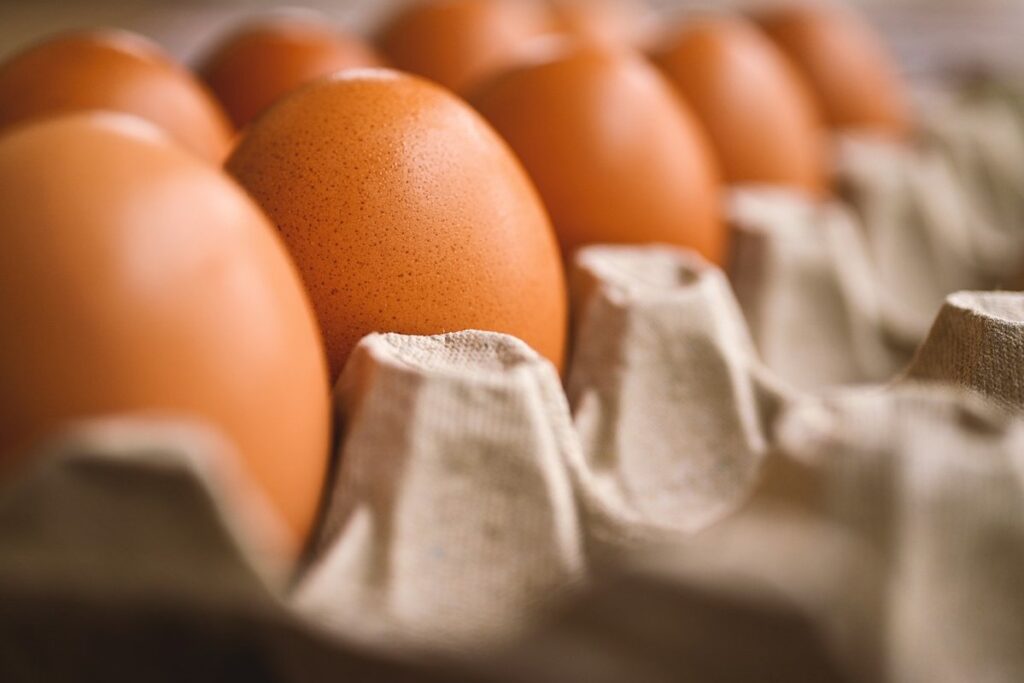
Understanding Egg Pecking Behavior
Egg pecking behavior is often a sign of underlying issues, so let’s dive into what might be driving it and how to identify potential causes in your flock.
Causes of Egg Pecking
Egg pecking behavior can be a frustrating and concerning issue for backyard chicken keepers. Understanding the causes of egg pecking is essential to developing effective prevention strategies. Stress is a primary cause of egg pecking, particularly if chickens are exposed to loud noises, changes in their environment, or inadequate space.
Boredom also plays a significant role, as chickens that don’t receive sufficient mental and physical stimulation may resort to pecking eggs due to lack of activity. Dominance issues can also lead to egg pecking, where certain hens assert their dominance over others by targeting their nests and eggs.
When introducing new chickens to your flock or bringing home chicks, it’s essential to reintroduce them slowly and under close supervision. Provide plenty of enrichment activities such as foraging toys, scratching posts, and climbing structures to keep your girls engaged and active.
Signs of Egg Pecking
When it comes to egg pecking behavior, being able to recognize its signs is crucial for taking prompt action and preventing further damage. Broken eggs are one of the most obvious indicators of egg pecking. If you notice a high number of broken or missing eggs from your coop, it’s likely that some hens are getting aggressive about accessing the nesting box.
Another common sign of egg pecking is injured hens. When chickens start to get into fights over eggs, they can suffer serious injuries such as bruised wings, scratched combs, and even broken bones. Keep an eye out for any hen that’s showing signs of physical distress or stress after a suspected pecking incident.
Changes in flock dynamics are also a significant indicator of egg pecking behavior. If you notice hens becoming increasingly aggressive towards each other, especially around feeding times or when competing for resources, it may be a sign that they’re fighting over eggs.
Factors Contributing to Egg Pecking
Egg pecking is a complex issue, often resulting from a combination of nutritional deficiencies, stress, and social dynamics within your flock. Let’s explore these underlying factors together.
Environmental Factors
A well-designed environment can significantly reduce the likelihood of egg pecking behavior. For instance, adequate ventilation and space are essential to prevent overcrowding, which is a common contributor to egg pecking. If chickens don’t have enough room to move around comfortably, they’re more likely to become stressed, leading them to attack their own or other flock members’ eggs.
Additionally, proper lighting is crucial in preventing egg pecking. Chickens need natural light to regulate their circadian rhythms and maintain a healthy metabolism. Insufficient light can lead to an increased risk of egg pecking, as chickens may become more aggressive due to stress and frustration.
Another key environmental factor to consider is noise levels. Loud noises from neighboring animals or even internal flock dynamics can cause significant stress in chickens, resulting in egg pecking behavior. To mitigate this, ensure that your backyard chicken coop is situated in a quiet area, away from potential sources of disturbance.
Incorporating these environmental considerations into your backyard chicken setup will not only reduce the likelihood of egg pecking but also create a healthier and more harmonious environment for your flock.
Nutritional Factors
When it comes to preventing egg pecking in backyard chickens, nutritional factors play a significant role. A diet that is lacking in essential nutrients can lead to frustration and aggression among hens, causing them to attack each other’s eggs.
One of the primary culprits behind egg pecking is a protein deficiency. Hens require around 16-18% protein in their diet to maintain healthy feathers, muscles, and reproductive systems. If they don’t get enough protein, they may become irritable and aggressive towards each other’s eggs. A simple way to ensure your hens are getting enough protein is to offer them high-protein feed or supplements, such as mealworms or crickets.
Another critical nutrient that can contribute to egg pecking is calcium deficiency. Calcium is essential for maintaining strong bones and teeth in chickens, but a lack of it can lead to egg-laying difficulties, making hens more likely to attack each other’s eggs. Provide your hens with crushed oyster shells or dark leafy greens like kale to boost their calcium intake.
A well-balanced diet that includes a mix of grains, proteins, and fresh vegetables will help prevent egg pecking in your backyard flock.
Strategies for Preventing Egg Pecking
If you’re struggling to stop your hens from pecking at each other’s eggs, we’ve got some practical strategies to help prevent egg pecking and keep your flock harmonious. Let’s dive into the details of how to implement these solutions.
Reducing Stress and Boredom
Reducing stress and boredom is crucial in preventing egg pecking among backyard chickens. When hens are stressed or bored, they may resort to feather pecking as a way to cope with their environment. To minimize this behavior, it’s essential to provide your flock with adequate exercise opportunities.
One way to increase physical activity is by rotating their run or enclosure regularly. This can be done by changing the layout of the space, adding new perches or toys, or simply switching the location of the feeders and waterers. For example, if you have a small coop with a tiny run, consider moving the run to a larger area or creating a makeshift playpen using chicken-safe fencing.
Mental stimulation is also vital in reducing stress and boredom. You can provide your hens with puzzle toys filled with treats or create foraging activities by hiding food around the enclosure. This will challenge their minds and keep them engaged, reducing the likelihood of egg pecking behavior. By implementing these simple strategies, you’ll be taking a significant step towards creating a stress-free and boredom-reduced environment for your flock.
Improving Flock Dynamics
To prevent egg pecking in your backyard flock, it’s essential to establish a harmonious dynamic among your birds. A happy and stress-free environment is crucial for reducing the likelihood of aggressive behavior. One key strategy for achieving this is introducing new birds gradually.
When introducing new members to your flock, do so slowly and under close supervision. This will allow you to monitor their behavior and prevent any conflicts that may arise from sudden introductions. Start by keeping them separate for a few days or weeks before allowing them to interact with the rest of the flock. You can also use visual barriers like chicken wire to keep them separated while they get to know each other’s scents.
Another critical aspect of maintaining harmonious flock dynamics is managing dominance hierarchies. Dominant birds will often establish themselves as leaders and defend their status from newcomers. By introducing new birds gradually, you’ll allow the existing hierarchy to naturally adapt to the new members. However, if conflicts persist, consider separating the dominant bird or providing separate feeding areas to reduce competition.
In addition to gradual introductions and hierarchy management, provide your flock with an adequate space to roam and forage. This will help reduce stress and aggression among birds. Make sure they have enough perches, nesting boxes, and dust baths to keep them entertained and relaxed.
By implementing these strategies, you can create a peaceful environment that encourages cooperation rather than competition among your backyard chickens.
Managing Egg Pecking Incidents
If you’re dealing with egg pecking incidents, it’s essential to address the issue before it escalates and causes more harm. We’ll walk you through practical steps to manage these situations effectively.
Identifying the Cause of Egg Pecking
When you notice egg pecking incidents in your backyard flock, it’s essential to dig deeper and identify the underlying cause. This is often more complex than just blaming a single culprit. Egg pecking can be triggered by various factors, including stress, nutritional deficiencies, or even dominance issues within the flock.
To get started with diagnosing the problem, take note of the individual birds involved in the pecking behavior and their roles within the flock. Are there any new additions to the group recently? Have you noticed any signs of stress or anxiety among your chickens? Keep an eye on the hens’ behavior around feeding time – are they competing for food or resources?
It’s also crucial to consider underlying motivations, such as hunger or nutritional deficiencies. Ensure that your flock is receiving a balanced and nutritious diet. Provide adequate space and enrichment activities to reduce boredom and stress.
Look for signs of dominance issues within the group, such as aggressive behavior towards hens who are laying more eggs than others. Observing these factors will help you pinpoint the root cause of egg pecking incidents in your flock, allowing you to implement targeted prevention strategies.
Addressing the Behavior
When you finally identify the culprits behind the egg pecking incident, it’s essential to address their behavior promptly and effectively. Separating offenders from the rest of the flock is a crucial step in preventing further damage and promoting a safe environment for all birds.
Firstly, isolate the problem hens from the rest of the group. This can be done by creating a temporary enclosure or separating them with a divider. By removing the pecking pressure, you’ll prevent further stress on the other birds and reduce the likelihood of more egg pecking incidents.
To address the underlying issue, provide additional enrichment opportunities for your flock. Add new toys, perches, and nesting boxes to stimulate their natural behaviors. You can also try rotating their living space or creating a “foraging zone” with hidden treats to keep them engaged and active.
Remember that addressing egg pecking behavior takes time and patience. With careful observation, separation, and enrichment, you’ll be well on your way to restoring peace and harmony within your backyard flock.
Implementing Preventative Measures
Now that you’ve identified the root causes of egg pecking, let’s dive into the practical steps to prevent it from happening in the first place. This includes setting up a balanced flock dynamic and reducing competition for resources.
Creating a Pecking-Proof Coop
When designing a coop to prevent egg pecking, it’s essential to think about the birds’ behavior and create an environment that minimizes opportunities for this destructive habit. One key aspect is protecting the nesting boxes themselves. Consider using hardware cloth or chicken wire with openings of 1 inch or smaller to cover the nesting box entrance. This will prevent hens from easily accessing the eggs, reducing the likelihood of pecking.
Securely attaching the nesting boxes to the coop walls can also help deter egg pecking. Avoid installing them as freestanding units that can be easily accessed by foraging birds. Add a lip around the edge of each box to create a barrier between the hens and the eggs. This simple design modification can significantly reduce the instances of egg pecking.
It’s also crucial to provide an adequate number of nesting boxes, one per 3-4 hens, to prevent overcrowding. Overcrowded coops often lead to increased stress levels among the flock, which can trigger egg pecking behavior. By creating a safe and stress-free environment within the coop, you’ll take a significant step towards preventing this unwanted behavior.
Monitoring Flock Health
Regular monitoring of your flock’s health is crucial to preventing egg pecking incidents. You can’t afford to wait until problems arise; you need to stay vigilant and proactive. By keeping a close eye on your birds’ behavior, appetite, and overall well-being, you’ll be able to identify potential issues early on.
Pay attention to changes in feeding patterns or aggression levels among your flock members. For example, if one bird is consistently picking at another’s feathers or eggs, it may be a sign of stress or boredom. Similarly, if your birds are showing reduced appetite or lethargy, these could be symptoms of underlying health issues that need attention.
Look out for other red flags such as huddling, excessive dust-bathing, or abnormal vocalizations. If you notice any unusual behavior, investigate the cause and take corrective action promptly. Keep accurate records of your flock’s feeding schedule, egg production, and behavioral observations to help you pinpoint potential problems before they escalate into full-blown egg pecking incidents.
By staying attuned to your birds’ needs and monitoring their health closely, you can head off many issues that could lead to egg pecking.
Frequently Asked Questions
What are some immediate steps I can take to address egg pecking behavior in my flock?
If you’re dealing with a severe case of egg pecking, it’s essential to act quickly to prevent further damage and stress. Start by providing a balanced diet rich in nutrients, especially calcium and protein, to support strong eggshell development. Increase the space available for your hens to roam and exercise, as boredom can exacerbate the issue.
Can I use barriers or dividers to separate pecking individuals?
Yes, separating aggressive chickens from their flock members can help prevent further damage. However, this should be a temporary solution while you work on addressing the underlying causes of egg pecking. Introduce dividers or barriers strategically to maintain visual contact between birds and avoid isolating them completely.
How do I know if my flock is experiencing stress due to external factors?
Watch for signs such as excessive scratching, feather plucking, or changes in appetite and droppings. External stressors like predators, weather conditions, or neighboring pets can trigger egg pecking behavior. Identify potential causes by observing your flock’s behavior closely and adjusting their environment accordingly.
What are some creative ways to provide mental stimulation for my hens?
Engage your flock with puzzle toys filled with treats, rotate foraging areas regularly, and consider introducing new plants and herbs that stimulate their senses. This will not only reduce boredom but also encourage natural pecking behavior on plants rather than eggs.
Can I use deterrents like hot pepper sprays or physical barriers to prevent egg pecking?
No, relying solely on deterrents can be counterproductive in the long run. These methods may provide temporary relief but don’t address the root causes of egg pecking. Instead, focus on creating a harmonious flock dynamic by providing adequate space, reducing stress, and ensuring your birds’ nutritional needs are met.
What’s the best way to monitor my flock’s health and prevent future egg pecking incidents?
Regularly inspect your coop for signs of wear and tear, observe your hens’ behavior and body language, and maintain accurate records of feed consumption, egg production, and any notable health issues. Regular veterinary check-ups will also help identify potential underlying causes of egg pecking.