
Composting bedding from your coop is one of the most effective ways to close the nutrient loop on your farm. Not only does it reduce waste, but it also creates a valuable resource for your garden. By turning your coop’s bedding into compost, you can significantly improve soil fertility and structure, leading to healthier plants and better yields. However, many farmers struggle with this process due to the high carbon-to-nutrient ratio of common bedding materials like wood shavings or pine straw. In this article, we’ll cover the benefits of composting coop bedding, common challenges you may face, and best practices for successful composting, including how to balance carbon and nutrient inputs.
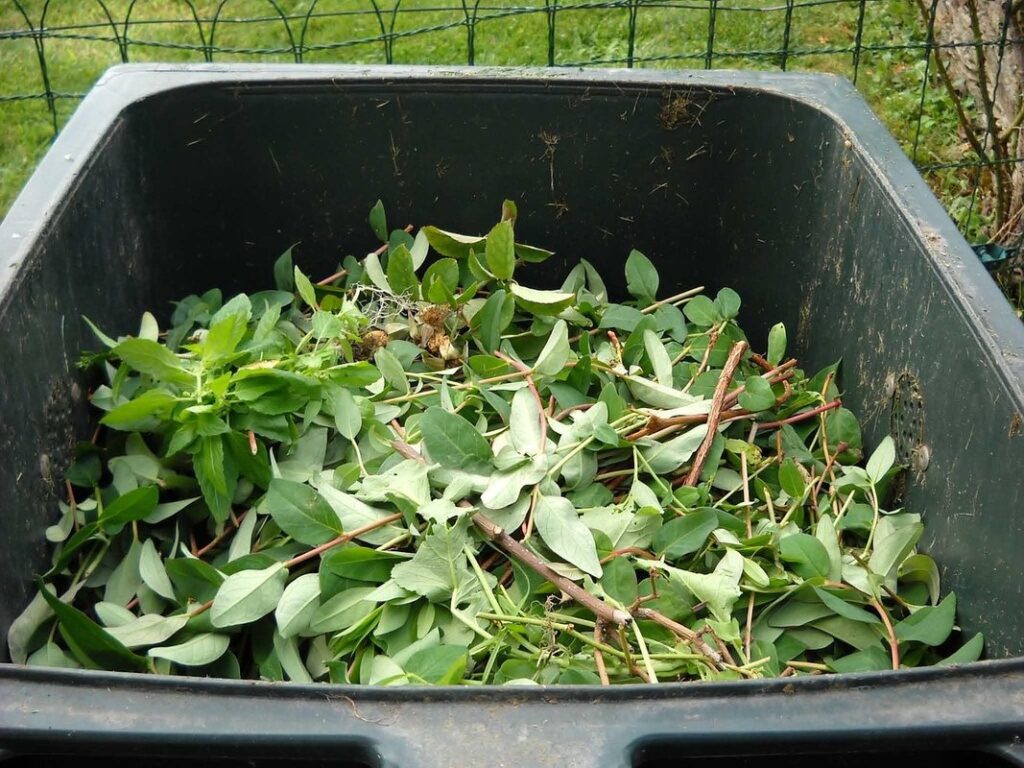
Understanding the Importance of Composting Coop Bedding
Composting coop bedding is crucial for maintaining a healthy and balanced ecosystem, which is why it’s essential to understand its importance before getting started. Let’s dive into what makes composting coop bedding so vital for your farm.
Benefits of Composting for Small-Scale Farmers
For small-scale farmers, composting coop bedding is a game-changer. By turning what would otherwise be waste into a valuable resource, you can significantly reduce the amount of waste that ends up in landfills and minimize the environmental impact of your farm.
One major advantage of composting coop bedding is improved soil health. When done correctly, compost adds vital nutrients and microorganisms to the soil, which in turn promotes healthy root growth, increases crop yields, and improves overall soil fertility. For example, a study by the University of California found that using compost in small-scale farming operations can increase tomato yields by up to 50%. This is especially beneficial for small-scale farmers who often rely on manual labor and limited resources.
Composting coop bedding also reduces waste disposal costs and minimizes odors associated with traditional waste management methods. By turning your chicken’s bedding into nutrient-rich compost, you can decrease your reliance on chemical fertilizers and maintain a healthier ecosystem.
Common Challenges with Composting Coop Bedding
One of the most significant challenges you may face when composting coop bedding is managing odors. This can be especially true during warm weather when temperatures are high and moisture levels are low. To minimize this issue, it’s essential to balance carbon-rich materials with nitrogen-rich ones, ensuring that there’s enough “green” to offset the “brown.” You might also consider adding bulking agents like straw or shredded newspaper to absorb excess liquid and reduce odors.
Another common problem is pests, particularly rodents and flies. These unwanted visitors can contaminate your compost pile and even spread disease among your flock. To deter them, ensure that your coop bedding is not too moist and maintain a consistent temperature between 130°F and 140°F (54°C to 60°C). Regularly turning the pile will also help expose pests to higher temperatures, ultimately killing them.
Inconsistent temperatures can also hinder the composting process. Ideally, you want your pile to be heated evenly throughout, with temperatures reaching at least 131°F (55°C) for several days in a row. To achieve this, ensure that your pile is large enough to retain heat and regularly turn it to maintain oxygen flow.
Choosing the Right Materials for Compost
When it comes to creating a nutrient-rich compost, selecting the right materials is crucial. You’ll want to consider factors like nitrogen levels and carbon-to-nitrogen ratios when making your choices.
Types of Bedding Materials Suitable for Composting
When it comes to composting bedding from your coop, you’ll want to use materials that are rich in nutrients and will break down easily. Let’s take a look at some popular options.
Straw is an excellent choice for composting, as it’s high in carbon and can help balance out the nitrogen levels in your compost pile. It’s also easy to find and relatively inexpensive. When using straw, make sure to mix it with other materials to create a balanced blend.
Hay is another good option, but be aware that it can be higher in moisture content than straw, which may affect your compost pile’s dryness levels. Wood shavings, on the other hand, are a popular choice due to their lightweight and easy-to-handle nature. However, they’re lower in nutrients compared to straw or hay.
Pine needles are also a great option for composting, but be cautious when using them as they can create acidic conditions if not balanced properly with other materials. It’s essential to remember that all these materials should be free of additives and chemicals to ensure the best results for your compost pile.
Avoiding Non-Compostable Materials in Your Bedding
When it comes to composting bedding from your coop, avoiding non-compostable materials is crucial for creating nutrient-rich soil. One of the most significant mistakes backyard farmers make is incorporating plastics and metals into their compost piles. These materials can contaminate the entire pile and even cause fires if they get too hot.
Some common examples of non-compostable paper products to avoid include wax-coated papers, plastic-lined bags, and glossy cardboard inserts. Instead, opt for plain brown paper or newspaper to line your coop or add to your compost pile. Even some types of toilet paper and tissues contain chemicals that can harm the microorganisms in your compost.
To ensure you’re only adding compostable materials to your bedding, always inspect the packaging before tossing it into your compost pile. If it’s made from plastic or has a glossy finish, it’s best left out. By being mindful of these non-compostable materials and making a few simple swaps, you can create high-quality compost for your garden while minimizing waste and reducing environmental impact.
Setting Up a Composting System for Your Coop
To successfully compost bedding from your coop, it’s essential to set up a system that efficiently breaks down manure and reduces odors. Here’s how to create an effective composting setup in just a few steps.
Designing an Effective Composting System
When designing an effective composting system for your coop, there are several key considerations to keep in mind. First and foremost, airflow is crucial for maintaining a healthy compost pile. A good rule of thumb is to provide at least 3-4 square feet of ventilation per bin, which can be achieved by adding windows or vents to the sides or top of the enclosure.
Moisture control is also essential, as excessive moisture can lead to anaerobic conditions and unpleasant odors. To regulate moisture levels, consider using a combination of dry bedding materials like straw or wood shavings, along with regular turning of the compost pile. This will help ensure that your compost stays aerated and free from excess liquid.
Accessibility is another vital aspect to consider when designing your composting system. Make sure the bins are easy to access for maintenance tasks like adding new material, turning the pile, and removing finished compost. A simple design with large doors or lids can make all the difference in making maintenance a breeze.
By carefully considering these factors, you’ll be well on your way to creating an efficient and effective composting system that will help you manage your coop’s bedding sustainably.
Maintaining Optimal Compost Conditions
Maintaining optimal compost conditions is crucial for breaking down bedding efficiently and creating nutrient-rich fertilizer. Temperature is a key factor to consider – ideal composting temperatures range from 130°F to 140°F (54°C to 60°C). This heat helps kill pathogens, weed seeds, and other unwanted organisms. To achieve these temps, ensure your compost pile has the right balance of “green” materials (nitrogen-rich) and “brown” materials (carbon-rich).
Aim for a carbon-to-nitrogen ratio between 25:1 and 30:1 to create an environment where microbes can thrive. Green materials include chicken manure, vegetable scraps, and grass clippings, while brown materials are straw, shredded newspaper, or cardboard. Regularly mixing the pile also helps maintain a consistent temperature throughout.
pH levels should be slightly acidic, ranging from 5.5 to 7.0. You can use pH test kits to monitor your compost’s acidity level. Keep in mind that excessive acidity can harm beneficial microbes, while high pH levels may slow down decomposition. By maintaining these optimal conditions, you’ll create a thriving compost ecosystem perfect for breaking down bedding and producing valuable fertilizer for your farm.
Managing Odors and Pests in Your Composting System
As you set up your composting system, it’s essential to consider how to manage odors and pests that can arise from decomposing bedding materials. We’ll walk through simple solutions for a pest-free and odor-controlled compost.
Strategies for Minimizing Odors
When it comes to composting bedding from your coop, managing odors is an essential aspect of maintaining a healthy and sustainable composting system. Regular turning of the compost pile can help to reduce odors by introducing oxygen, speeding up the decomposition process, and reducing the moisture content. Aim to turn your compost at least once a week, using a pitchfork or shovel to gently mix the materials.
Aeration is another crucial strategy for minimizing odors in your composting system. You can achieve this by incorporating materials like straw or shredded newspaper into your compost pile, which will help to absorb excess moisture and facilitate airflow. Additionally, using odor-reducing agents such as diatomaceous earth or zeolite can also be effective in controlling unpleasant smells.
By implementing these strategies, you can minimize odors and create a thriving composting system that benefits your farm’s ecosystem.
Preventing Pest Infestations in Your Compost Pile
Preventing pest infestations is crucial when composting bedding from your coop to ensure a healthy and thriving ecosystem. One effective method is using physical barriers to keep pests out of your compost pile. You can cover the pile with a layer of wire mesh or hardware cloth, allowing air to circulate while keeping rodents and other small animals at bay.
Another approach is introducing beneficial insects that feed on pest species, such as ladybugs and lacewings, which prey on aphids and other garden pests. These beneficial insects will help maintain balance within your compost ecosystem without harming the environment.
Repellents can also be used to deter pests from your compost pile. Certain essential oils like peppermint and lemongrass have natural pest-repelling properties that can be added to the pile or used as a spray. By incorporating these methods, you’ll create an effective barrier against pests while maintaining a sustainable and eco-friendly composting system.
Keep in mind that prevention is key; if you notice any signs of pest infestation, take action immediately to avoid further damage to your compost pile. Regularly monitoring the pile’s temperature, moisture levels, and overall condition will also help prevent unwanted visitors.
Monitoring and Maintaining Your Composting System
Now that you’ve set up your composting system, it’s essential to keep track of its progress and make any necessary adjustments along the way. This includes monitoring moisture levels, temperature, and odors.
Regularly Monitoring Temperature and Moisture Levels
Monitoring temperature and moisture levels is crucial for maintaining optimal composting conditions. When it comes to composting bedding from your coop, these two factors can make or break the process. Temperature plays a significant role in decomposition, with most pathogens and weed seeds killed off at temperatures above 131°F (55°C). However, prolonged exposure to high temperatures can also lead to nutrient loss.
To monitor temperature, use a thermometer probe that can be inserted into the compost pile. Check it regularly, ideally once or twice a week, to ensure temperatures stay within the optimal range of 130-140°F (54-60°C). Moisture levels should also be monitored, as both too little and too much water can hinder decomposition.
Aim for a mix that’s damp like a sponge, but not soaking wet. This will help maintain the perfect balance between oxygen availability and microbial activity. Keep in mind that temperature fluctuations are normal, especially during hot summer months or cold winter periods. By regularly monitoring temperature and moisture levels, you’ll be able to make adjustments as needed, ensuring your composting process runs smoothly and efficiently.
Ensuring Efficient Turnings and Aeration
Regular turning and aeration of your compost pile are essential for maintaining efficient decomposition. This process helps to prevent anaerobic conditions, which can lead to unpleasant odors and slower breakdown rates. To turn your pile, use a fork or shovel to gently mix the materials, aiming for a 3:1 ratio of brown to green materials.
When turning, focus on the center of the pile where decomposition is most active. This will help to redistribute heat and moisture throughout the pile, promoting further breakdown. Aim to turn your pile every 7-10 days during the active phase, depending on factors like temperature and material composition.
Aerating your compost pile also plays a crucial role in maintaining efficiency. You can use wire mesh or aeration tubes to allow oxygen to penetrate deeper into the pile. Alternatively, you can simply create small holes using a fork or shovel to increase airflow. By ensuring adequate aeration and regular turning, you’ll be able to break down materials more efficiently, resulting in a higher-quality compost for your farm’s needs.
Harvesting and Using Your Finished Compost
Now that you’ve worked so hard to create nutrient-rich compost from your coop bedding, let’s talk about how to harvest it and put its benefits to use on your farm.
Identifying Finished Compost
When it comes time to harvest your finished compost, there are several key indicators you can look for to determine its quality. First and foremost, take a sniff – finished compost should have a rich, earthy aroma that’s reminiscent of damp soil. This is a sign that the composting process has broken down the bedding materials into their constituent nutrients.
As you dig in with your hands, pay attention to the texture of the compost. It should be dark and crumbly, almost like damp topsoil. Avoid any chunks or clumps – these can indicate that the composting process wasn’t complete. Instead, aim for a smooth, uniform consistency throughout.
The color of your finished compost is also an important indicator. While it’s true that some types of bedding will produce darker colors than others (such as pine shavings), a healthy compost pile should have a general appearance of dark brown or black soil.
Applications of Finished Compost in Farming
Finished compost is a valuable resource for small-scale farmers, offering a range of applications to improve soil health and reduce waste. One of the most effective uses of finished compost is as a soil amendment. Rich in nutrients, it can be added directly to the soil to boost fertility and support plant growth. For example, if your farm specializes in growing leafy greens or vegetables, incorporating compost into the soil can lead to increased yields and healthier crops.
Finished compost can also be used as a mulch, providing a protective layer that retains moisture and suppresses weeds. Simply spread a 2-3 inch layer over your beds before planting, and water sparingly. This method is particularly useful for young seedlings or during periods of drought.
In addition to these applications, finished compost can also be used in potting mixes, improving drainage and structure while providing essential nutrients.
Conclusion: Implementing Sustainable Composting Practices
Now that you’ve learned how to compost bedding from your coop, it’s time to implement these sustainable practices on your farm. Start by setting aside a designated area for composting and gather necessary equipment such as bins or piles. Make sure to balance the carbon-rich materials like straw with nitrogen-rich materials like manure to create an optimal compost mix. As you continue to collect bedding material, aim to have a constant supply of compost in various stages of decomposition.
Regularly turning the compost pile will help it break down more efficiently and quickly. Don’t be afraid to get your hands dirty – the process can be therapeutic!
Frequently Asked Questions
Can I compost bedding materials that have been treated with chemicals or pesticides?
Yes, it’s crucial to avoid adding chemically-treated bedding materials to your compost pile, as they can harm microorganisms and potentially contaminate the finished compost. Instead, opt for untreated natural materials like straw, grass clippings, or leaves.
How often should I turn my compost pile to maintain optimal conditions?
Regular turning is essential for maintaining a healthy carbon-to-nutrient balance in your compost. Aim to turn your pile every 7-10 days during the active composting phase, which can last anywhere from 1-3 months depending on factors like temperature and moisture levels.
What are some signs that my compost pile has reached optimal temperatures?
Look for a rise in internal temperatures to around 130°F – 140°F (54°C – 60°C), accompanied by an earthy, sweet aroma. This indicates that the composting process is proceeding efficiently, and your finished product will be rich in nutrients.
Can I use my compost pile as a worm composter or vermicomposting system?
Yes, if you’re interested in worm composting, you can integrate it with your existing compost pile by adding worms like red wigglers to the mix. This will help break down organic matter more efficiently and produce a nutrient-rich fertilizer for your garden.
What are some common mistakes that can slow down or ruin my composting process?
Common pitfalls include overloading the pile, inadequate carbon-to-nutrient balance, insufficient moisture, and poor aeration. Regular monitoring of temperature, moisture levels, and turning frequency will help you avoid these issues and maintain a thriving composting system.